Mexico Eliminates Tariffs on Food Imports to Counter Inflation
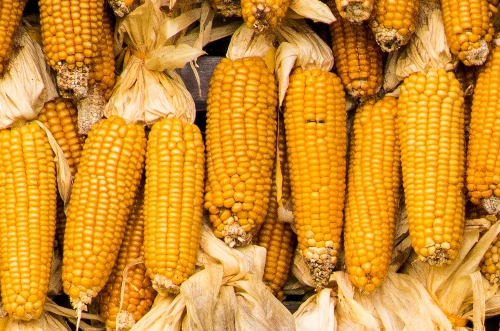
The decree published in the Official Gazette of the Federation establishes that 66 essential products that are part of the basic caste will be exempt from paying tariffs, including corn, beans, potatoes, rice, tuna, pork meat, chicken meat, beef, onion, jalapeño pepper, corn flour, wheat flour, sorghum, eggs, tomatoes, milk, lemons, apples, oranges, boxed bread, pasta for soup, sardines, and carrots among others. It will also include tariff exemption for various livestock products such as live animals of the bovine, porcine, caprine, and ovine species and roosters, chickens, ducks, geese, and turkeys.
The measure seeks to counteract the effects of the inflationary trend on the prices of various basic commodities in the Mexican market. According to the National Statistics Institute (INEGI), the inflation rate in Mexico reached 7.68% on Apr-22, recording the highest level in the last two decades. The measure will initially be in force for one year but might be extended further in the year for the same length.
Main Opportunities in the Mexican Imported Food Market
Since Mexico already has a zero tariff preference on several products granted by numerous trade agreements, the recently announced measure is expected not to be that significant. Moreover, according to the Mexican Central Bank, the items exempted amounted to about 11.4% of the consumer price index in the country. Therefore, the tariff measures on inflation would likely be modest. However, the measure does bring new opportunities for several suppliers with which Mexico does not have trade agreements and that are able to provide the Mexican market with specific import food products.
The main imported products by Mexico are corn, soybean, wheat, and sorghum, which makes cereals and oleaginous seeds the most important imported commodities. In this sense, the US and Canada are the primary suppliers to Mexico, holding about 93% of the total import share. As a result, there is a small room for cereals and oleaginous seeds for other suppliers to benefit from the zero taxation measure. However, Brazil, which is also a corn and soybean supplier to Mexico, can benefit substantially from the new measure. Brazil already holds 17.5% of the soybean share imported to Mexico, while corn holds 2.5%. Without typically enjoying an import tariff benefit from a trade agreement, Brazil will certainly gain a competitive advantage in the market.
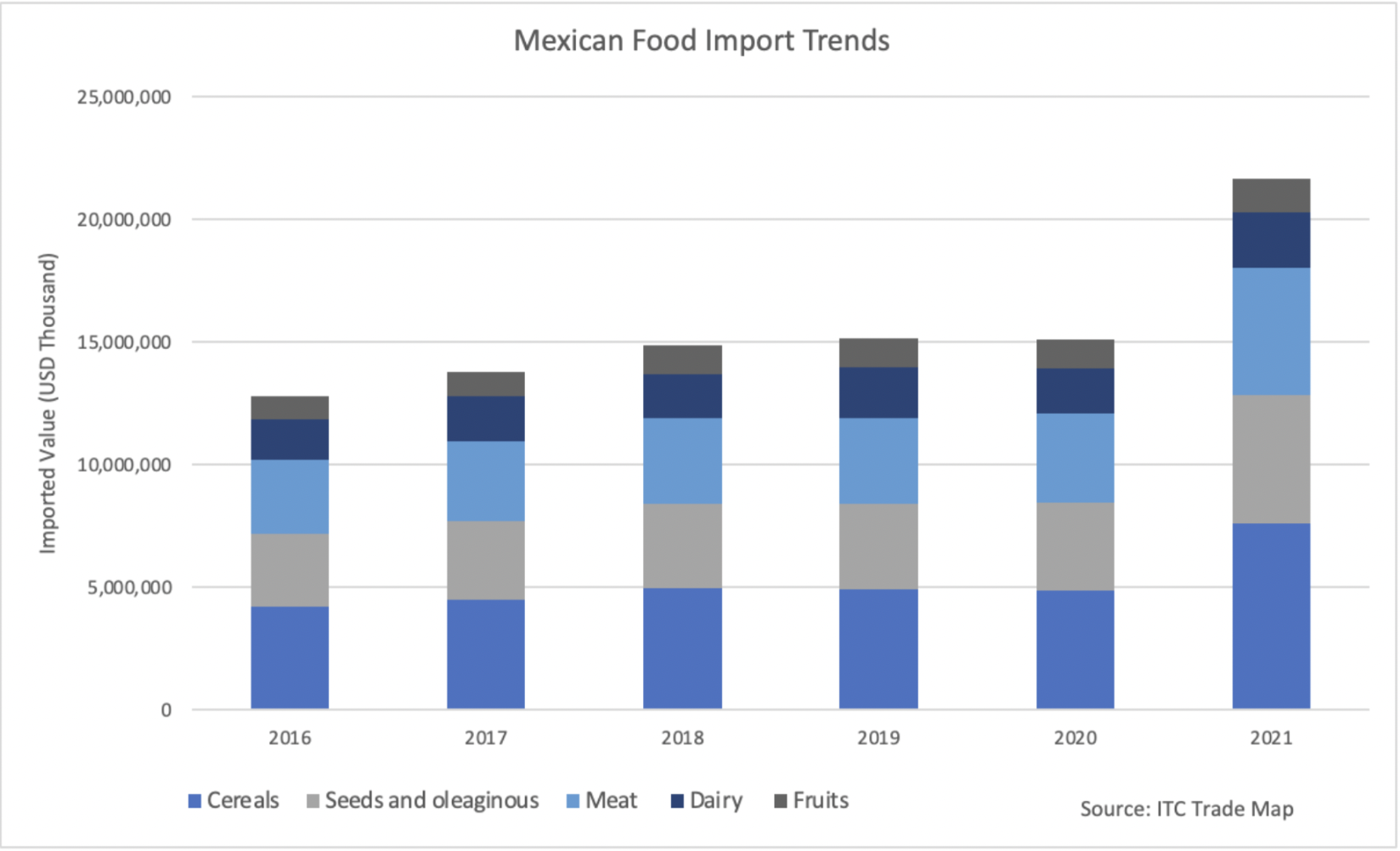
The case is very similar regarding meat and livestock products imported into Mexico. The US and Canada account for about 88% of the total import share for overall meat products, while Brazil accounts for 3.4%. However, Brazil holds 11.5% of the total Mexican import share for chicken meat imports, while the US holds 84%, while Canada does not really supply chicken to the Mexican market. Therefore, in the chicken meat imports, Brazil holds an advantage in growing its imports to Mexico with a new zero-tariff policy.
New Zealand also supplies Mexico mainly with sheep or goat meat, accounting for 41.8% of the total import share, with the US with a slightly larger 42.5%. The new measures represent a significant opportunity to increase exports for goat meat suppliers from New Zealand.
Mexico is also an important importer of dairy products, with milk and cheese as the main import products. The US is the primary supplier of dairy products to Mexico, with about 85% of the total import share. However, unlike most other products, New Zealand is the second largest supplier of dairy to Mexico, mainly for butter which holds 82% of the share, and cheese, which holds 3% of the import share. New Zealand possesses another major opportunity to enhance its dairy product exports to Mexico with the new measures.