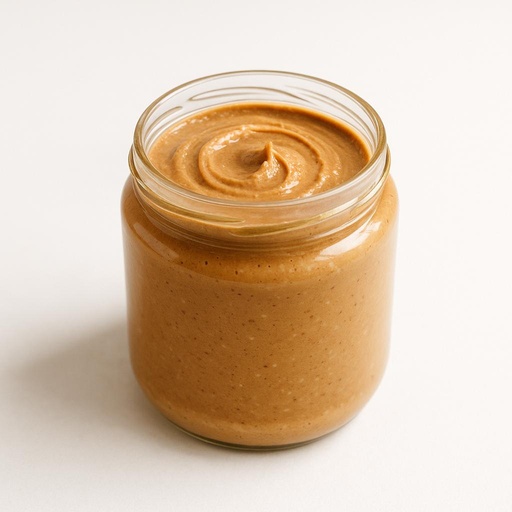
Peanut Paste Prices & Trade in Uganda — Market Overview 2026
HS Code
200811
Last Updated
2026-10-19
Key takeaways for search and sourcing teams
- Latest reference year in this page dataset is 2024.
- Page data last updated on 2026-10-19.
Peanut Paste Export Supplier & Manufacturer Intelligence, Price Trends, and Trade Flows in Uganda
Use Supply Chain Intelligence company profiles and analytics to validate Peanut Paste exporter coverage, partner quality, and route priorities in Uganda.
Annual Export Value, Volume, and Supplier Market Size for Peanut Paste in Uganda (HS Code 200811)
Analyze 2 years of Peanut Paste export volume and value in Uganda to evaluate supplier market growth, seasonality, and trade volatility.
| Year | Volume | Value |
|---|---|---|
| 2023 | 19,574 | 43,240 USD |
| 2022 | 26,636 | 43,562 USD |
Tridge Ark · Sourcing Feasibility Check
Could you be importing Peanut Paste from Uganda yourself?
Just tell us your spec and the volume you need. We'll check whether it's actually sourceable, and which origins and suppliers fit.
Free feasibility check, no account required.
Peanut Paste Import Buyer Intelligence and Price Signals in Uganda: Buyers, Demand, and Trade Partners
Exporters and importers can use Supply Chain Intelligence company profiles and analytics to analyze Peanut Paste buyer demand, partner density, and downstream channels in Uganda.
Annual Import Value, Volume, and Demand Size for Peanut Paste in Uganda (HS Code 200811)
Track 2 years of Peanut Paste import volume and value in Uganda to assess demand growth and market momentum.
| Year | Volume | Value |
|---|---|---|
| 2023 | 105,438 | 293,955 USD |
| 2022 | 41,282 | 95,896 USD |
Tridge Ark · Export Feasibility Check
Your Peanut Paste — could it sell to these buyers in Uganda?
Just tell us what you make. We'll see whether you're ready to export today and which markets suit your offer.
Free feasibility check, no account required.
Classification
Product TypeProcessed Food
Product FormPaste
Industry PositionValue-added Food Product
Market
Peanut paste in Uganda is primarily a domestic food product built on locally grown groundnuts and small-scale processing. It is widely used in household cooking and informal foodservice, while formal packaged supply is concentrated in urban retail channels. The main commercial constraint is aflatoxin control, followed by drying, storage, and labeling compliance under UNBS rules. Year-round availability is common because paste can be produced from stored nuts even when raw supply is seasonal.
Market RoleDomestic consumption market with local production
Domestic RoleCommon household condiment and cooking ingredient
Market GrowthNot Mentioned
SeasonalityRetail availability is generally year-round, but raw groundnut input supply is seasonal and quality depends heavily on drying and storage after harvest.
Specification
Physical Attributes
- Smooth to slightly coarse texture
- Roasted nut aroma
- Even brown color without moldy odor
- Stable oil separation control in packaged products
Compositional Metrics
- Low moisture is important for shelf stability
- Aflatoxin limits are critical
- Salt and oil levels vary by recipe and brand
Grades
- Food-grade
- Aflatoxin-compliant
- Retail specification
Packaging
- Plastic jars
- Pouches and sachets
- Bulk tubs for foodservice
- Laminated retail packs
Supply Chain
Value Chain
- Smallholder production -> aggregation -> drying and shelling -> roasting -> grinding -> packaging -> wholesale/retail distribution
Temperature
- Ambient storage is common, but cool, dry handling is important to slow rancidity and mold growth
Atmosphere Control
- Low-humidity storage and sealed packaging matter because moisture ingress raises spoilage and aflatoxin risk
Shelf Life
- Shelf life depends on moisture control, oxygen barrier packaging, and clean raw kernels
Freight IntensityLow
Transport ModeLand
Risks
Food Safety HighAflatoxin contamination in groundnuts is the main trade-blocker for peanut paste in Uganda; poor drying or humid storage can push lots above buyer or regulatory limits and trigger rejection.Source only dried, sorted nuts; test incoming lots and finished paste; use hermetic storage and moisture control.
Regulatory Compliance MediumUNBS certification, labeling, and conformity checks can delay sales or imports if documents or product specifications are incomplete.Pre-clear labels and keep test reports, certification, and customs documents aligned before shipment.
Climate MediumRainfall variability and drought can cut groundnut yields and increase moisture-related quality problems during harvest and drying.Diversify sourcing regions and schedule rapid drying and aggregation after harvest.
Logistics MediumRoad-based distribution from inland producing districts can face delays and quality loss if products are stored in warm or humid conditions.Use sealed packaging, short transit cycles, and dry warehouses in Kampala and regional hubs.
Labeling MediumPackaged peanut paste must carry clear ingredient and allergen declarations; label errors can block retail or cross-border sale.Lock approved label artwork before print and verify ingredient, weight, and allergen statements against the final recipe.
Market / Price Volatility LowSeasonal groundnut procurement prices can swing after harvest, affecting processor margins and retail pricing.Contract farmers or aggregators and hold buffer inventory.
Sustainability
- Rainfed smallholder supply is exposed to drought and erratic rainfall
- Post-harvest drying and storage losses can materially affect quality
- Hermetic storage and moisture control are important in the supply chain
Labor & Social
- Family labor and informal labor are common in smallholder groundnut supply chains
- Worker-safety and age-verification controls are harder to audit in small-scale processing
Standards
- HACCP
- ISO 22000
- GLOBALG.A.P. for raw groundnut sourcing
- BRCGS or equivalent buyer audit schemes
FAQ
What is the biggest trade risk for peanut paste in Uganda?Aflatoxin contamination is the biggest risk. Good drying, clean sorting, proper storage, and lot testing are the main controls before sale or export.
How is packaged peanut paste usually sold in Uganda?It is usually sold through open markets, neighborhood shops, supermarkets, mini-marts, and wholesalers, with household use and food vendors driving demand.
What matters most for clearance of imported peanut paste in Uganda?Documents, labeling, and conformity evidence matter most. Depending on the shipment, UNBS inspection may also require physical checks, laboratory testing, and a Certificate of Conformity.
Is peanut paste available year-round in Uganda?Yes. Retail supply can be available year-round because processors can make paste from stored groundnuts even when raw nut supply is more seasonal.
Sources
Other Peanut Paste Country Markets for Supplier, Manufacturer, Export, and Price Comparison from Uganda
Compare Peanut Paste supplier coverage, trade flows, and price benchmarks across countries related to Uganda.


Tridge Ark · Export & Sourcing Feasibility Checks
Peanut Paste in Uganda — are you buying, or selling?
Either way it's a few questions. We'll come back with where you could buy it, or who you could sell it to.
Free feasibility check, no account required.
By clicking “Accept Cookies,” I agree to provide cookies for statistical and personalized preference purposes. To learn more about our cookies, please read our Privacy Policy.