Heavy Rains Set to Boost Ivory Coast’s Cocoa Crop

Farmers are expecting a well-developed crop, with many pods almost ripe, as a few regions begin to harvest. Farmers in the region of Abengourou, which is known for its high-quality beans, have started harvesting. Currently, buyers are offering between CFA600 and CFA650 (USD 1.09 and USD 1.18) per kg. Some cocoa farmers in the region are holding back in anticipation of higher prices in early October.
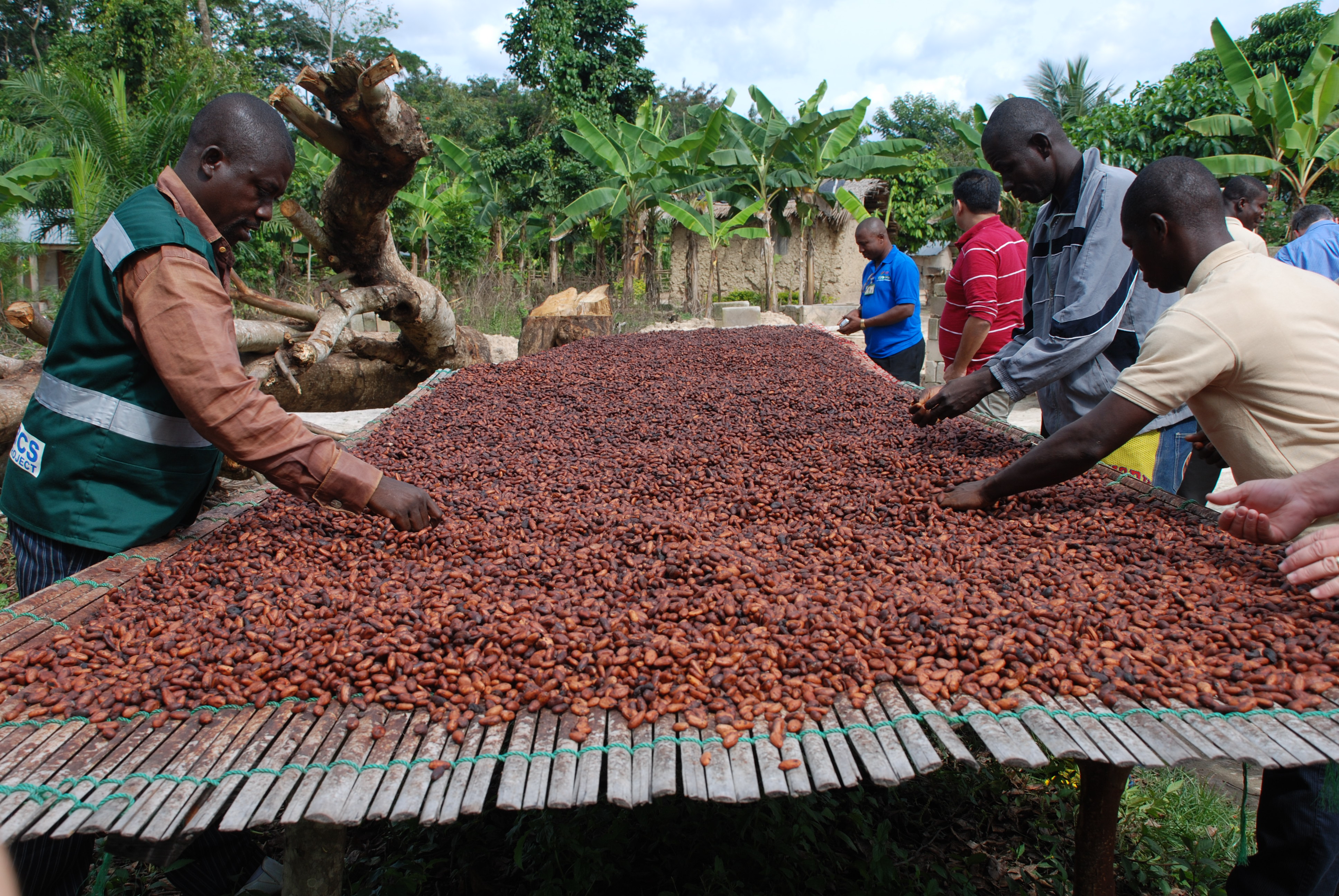
Source: CGTN Africa
In the western region of Man, there is concern that sustained heavy rain could damage immature pods or lead to a fungal disease called the black pod, which spreads in rainy conditions. In the regions of Daloa, Bongouanou, and Yamoussoukro, where rains were well above the average, growers expect the main crop will be concentrated between November to January if the rains persisted in September. Average temperatures ranged between 25 and 27.8 ℃ weekly.
The Ivory Coast is in its rainy season, which runs from April to mid-November. Following several weeks of cold and dry weather conditions, producers across the country’s cocoa belt have welcomed the recent storms with enthusiasm. If the rains persist into September and October, it could improve the size and duration of the upcoming main crop. Along with the good rain, adequate sunshine is required to ensure the healthy development of the crops.
Good rains boost global supply
West African countries, Ivory Coast, Ghana, and Nigeria have received good rains, pushing global production high. According to the International Cocoa Organization (ICCO), the 2020/21 season is forecast to yield a global cocoa surplus of 230K tonnes, rising from the previous estimation of 165K tonnes. Such a surplus would be the largest since MY 2016/17. The 2020/21 global cocoa surplus is due to higher than expected production, which is set at a record 5.14 million tonnes, increasing by 8% from the previous year, due to record cocoa production from the West African region.

Sources:
- Reuters. “Ivory Coast set for bumper cocoa crop after heavy rains.”
- Gro Intelligence. “Ivory Coast Drought Pressures Big Cocoa Crop.”
- Reuters. “Heavy rains in Ivory Coast bode well for upcoming cocoa crop, say farmers.”
- Statista. “Production of cocoa beans in Ivory Coast from 2012/2013 to 2020/2021.”
- Foresight CSI. “Cocoa.”