Classification
Product TypeRaw Material
Product FormRaw, In-shell
Industry PositionPrimary Agricultural Product
Market
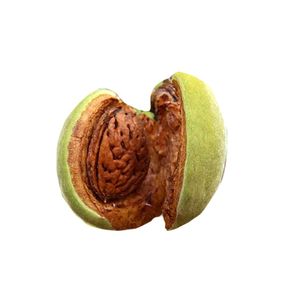
Raw in-shell almonds in Indonesia are supplied primarily through imports, as the country has negligible commercial almond production due to unsuitable agro-climatic conditions for the crop. Demand is concentrated in snack consumption (often later roasted/salted) and as an ingredient input for bakery, confectionery, and foodservice users that source through importers and wholesalers. Market access and continuity are shaped by plant quarantine inspection at entry and strict document alignment in the national single-window and customs processes. In-shell format increases phytosanitary sensitivity versus processed nuts, so pest-control, cleanliness, and shipment integrity are critical to avoid detention or re-export.
Market RoleImport-dependent consumer market (negligible domestic production)
Domestic RoleNiche-to-mainstream imported nut used for snacks and as a food ingredient input across retail and food manufacturing
Risks
Phytosanitary HighRaw in-shell almonds can be detained, treated, or rejected at Indonesian entry points if quarantine inspection identifies live pests, insect damage indicative of infestation, or contamination inconsistent with phytosanitary expectations.Align exporter and importer on Indonesia-specific quarantine expectations; ensure phytosanitary certificate accuracy, strong pre-shipment inspection/cleaning, and (where applicable) documented treatments prior to loading.
Regulatory Compliance MediumChanges or strict enforcement in Indonesia’s import licensing, single-window filing, or customs documentation requirements can cause clearance delays and demurrage for time- and quality-sensitive cargo.Use an importer with proven INSW/customs/quarantine workflow capability; run a pre-shipment document checklist and HS/origin validation before booking freight.
Food Safety MediumMold risk (including potential aflatoxin concern) and quality defects (rancidity) can increase with moisture ingress or poor storage during sea transit and warehousing, leading to commercial rejection or intensified inspection.Control moisture through packaging and container preparation (dry, clean, desiccants as appropriate); specify maximum moisture/defect tolerances and require COA/testing aligned with buyer risk policy.
Logistics MediumOcean freight volatility, port congestion, and demurrage can materially raise landed costs for bulky in-shell shipments and increase quality-loss risk if cargo sits in humid port/yard conditions.Build schedule buffers around peak congestion periods, secure reliable carriers, and agree demurrage responsibilities and quality-claim protocols in contracts.
Sustainability LowRetail and brand buyers may scrutinize imported almonds for water stewardship and ESG impacts in origin regions, creating reputational risk or additional supplier-audit burden in Indonesia-facing consumer channels.Source from suppliers able to provide credible sustainability documentation (water stewardship, farm practices) and respond to retailer/customer ESG questionnaires.
Sustainability- Water-footprint and drought-exposure scrutiny in major origin regions commonly supplying global almonds (reputational and due-diligence risk for Indonesia buyers with water stewardship KPIs).
- Pollinator/bee health concerns associated with almond pollination services in major origin supply chains can draw ESG attention and supplier-questionnaire pressure.
Labor & Social- Migrant/seasonal agricultural labor conditions in major origin countries can be a responsible-sourcing due-diligence topic for importers and brand owners.
- Downstream repacking/roasting in-market can introduce workplace safety and wage-compliance expectations for local processors supplying modern trade.
FAQ
Is Indonesia a producer or an importer market for raw in-shell almonds?Indonesia is an import-dependent consumer market for almonds, with negligible domestic production; supply is primarily sourced through imports managed by local importers and distributors.
What is the most common clearance risk for raw in-shell almonds entering Indonesia?Phytosanitary (plant quarantine) inspection risk is typically the biggest gatekeeper for in-shell products, since pest findings or contamination can trigger detention, treatment, or rejection.
Which documents are commonly needed to clear raw in-shell almonds into Indonesia?A phytosanitary certificate is a core document, alongside standard shipping and commercial documents (invoice, packing list, bill of lading) and import filings through Indonesia’s single-window and customs processes; a certificate of origin is needed when claiming preferential tariffs.