Indefinite extension on the Kenyan avocado export ban
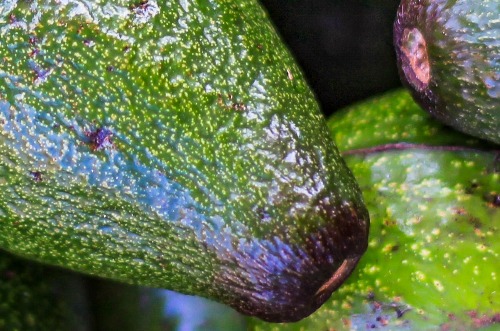
On November 15, 2021, the Kenyan Horticultural Crops Directorate (HCD) placed an avocado export ban. This regulation aims to avoid the harvest of immature crops to capitalize on high prices in the international market. This export ban applies to the predominant varieties in Kenya, Fuerte and Hass.
The implementation of this ban has been in consideration since 2018 when Kenya exported immature avocados to the Middle East and caused a price drop in Dubai by almost half. According to the HCD, keeping the export of good quality avocados is important for Kenya since the product accounts for nearly half of the returns in earnings in the horticulture sector.
On January 18, 2022 a revision of the ban to determine if it could be lifted was held. HCD has been closely monitoring harvest trends, patterns, and maturity indices. This helped determine that the current crop is still immature, and that the ban will be extended indefinitely until the crop is ready.
There are some exceptions to the export ban. Currently, the Jumbo variety can be exported. Additionally, producers that are having off-season crops may request verification for inspection from the HCD regional office so they can approve the export. Exporters need to comply with new requirements that include a minimum weight per single fruit of 184 grams, the use of washable crates to curb post-harvest losses, the ban of open pickups and trucks to transport avocados, and the use of air travel for exports.
Predicted effect of the ban on the Kenyan avocado Industry
Until 2021, Kenya ranked as the third global producer of avocados but only exported 10% of their supply. Kenya's exports place the country as the eighth largest avocado export market with a 2.1% market share. Kenya is the top avocado exporter in Africa, and its main competitors are Mexico, the Netherlands, Peru, Spain, Chile, the U.S., and Colombia.

Source: ITC Trade Map
Since 2013, Avocado consumption has quintupled in Latin America, the U.S., and Europe. Global avocado demand keeps increasing, creating a scarcity of avocado supply. Kenyan avocado exports have increased over the years as well, but the market is still not yet fully utilized since it only exports 10% of its production despite the global demand.

Source: ITC Trade Map & The Star
According to Tridge's expert Bernard Mutai, the ban is a great move by the government because once the ban is lifted, exporting good quality avocados will ensure a good price in the international market. A good export price will promote a higher export volume. The increase in avocado exports will also benefit the country's income per capita and will help cover the rising global demand. The ban and its effects on current exports are temporary, but once the crop cycles are regulated and proper harvesting occurs, the ban will achieve long-term results in the quality and quantity of the exported Kenyan avocado.
Sources:
Business Daily Africa. Avocado exporters given four days clear with regulator ahead of ban.
Business Daily Africa. Kenya extends avocado export ban indefinitely.
Kenyans. Avocado Farmers Given Deadline Before Govt Bans Exports.
The Kenyan Wall Street. Kenya Halts Avocado Exports WEF 15th November.
The Star. Kenya tops Africa's avocado exports.
Tridge. 2021 Industry Report: Avocado.


