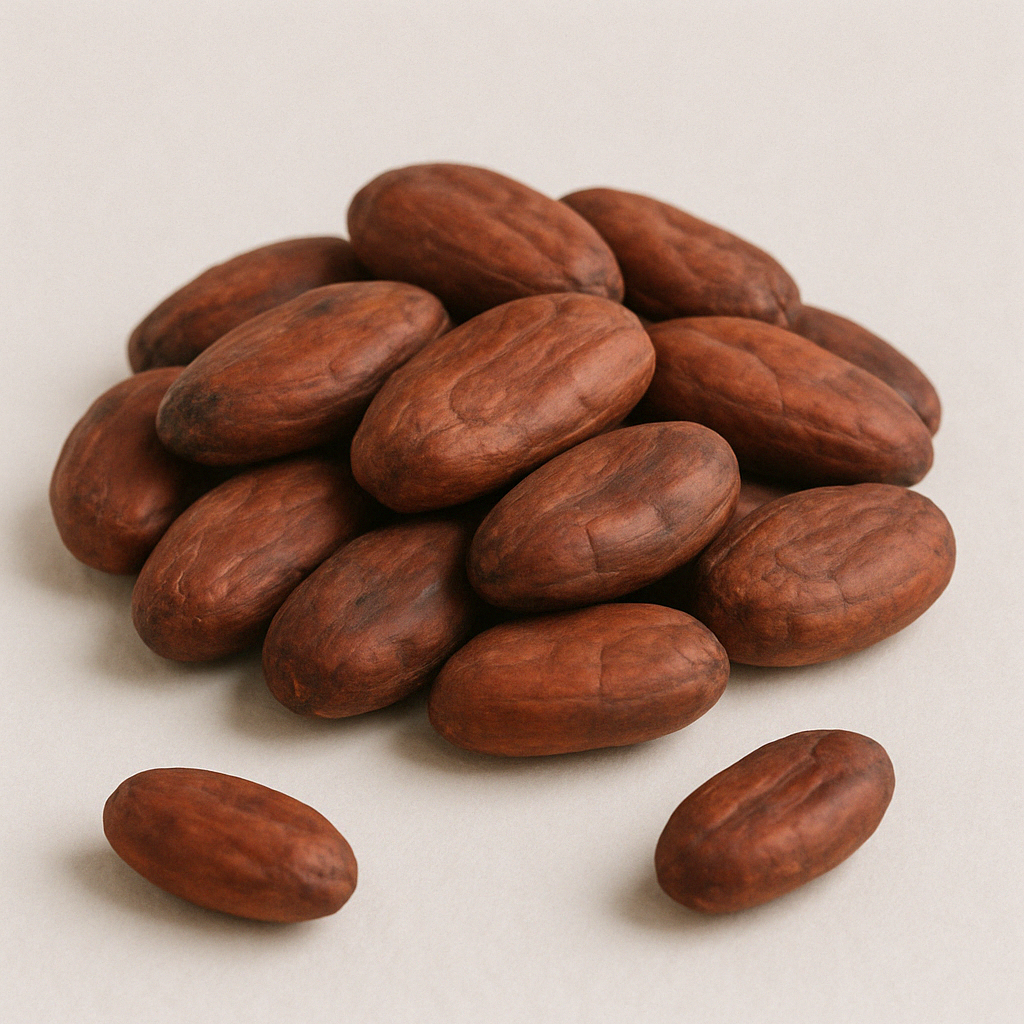
인도네시아산 코코아 콩
이 마켓의 첫 번째 우수 판매자가 되어보세요.
이 시장에 대하여
시장 정보
History
Cocoa was introduced to Indonesia by the Spanish in the 1560s and expanded significantly during the Dutch colonial period. Initially grown in Java, commercial production spread to Sulawesi, Sumatra, and Papua over the 20th century. In the 1980s and 1990s, government-led replanting programs and the global cocoa boom helped Sulawesi become the primary cocoa hub. Although production peaked in the early 2000s, declining yields due to pests and aging trees have recently prompted investments in sustainable and high-yield farming practices.
Production Region
Key cocoa-producing areas in Indonesia include:
- South and Southeast Sulawesi: Indonesia’s largest cocoa-producing regions, known for smallholder-driven output.
- West Sulawesi: Emerging as a strong contributor to national cocoa output.
- North Sumatra and Aceh: Produce high-quality beans with fermentation potential.
- East Java & West Papua: Smaller but growing production hubs.
- Lampung & Bali: Focused on niche, specialty cocoa markets.
Growing Conditions
Indonesia's tropical climate supports ideal cocoa growth:
- Climate: Hot and humid with consistent rainfall.
- Temperature: 21–32°C is ideal.
- Rainfall: 1,500–2,500 mm annually.
- Soil: Well-drained, slightly acidic loam soils (pH 5.5–6.5) with good organic matter.
- Elevation: 100–700 meters above sea level for optimal productivity.
Harvesting Process
Indonesian cocoa harvesting includes:
- Manual Harvesting: Pods are hand-cut to avoid damage.
- Fermentation: Varies by region; Sulawesi beans are often unfermented, while Sumatra and Papua practice fermentation for premium markets.
- Drying: Sun drying is common, lasting 5–7 days.
- Sorting & Grading: Based on size, fermentation status, and moisture content (target 6–7%).
Cultivation Method
Cocoa farming is mostly traditional but evolving:
- Agroforestry: Cocoa intercropped with coconut, banana, and timber trees.
- Pest Control: Biological methods to combat cocoa pod borer and black pod disease.
- Replanting Programs: Government and NGO efforts to replace aging trees.
- Training & Extension: Farmer field schools for best practices.
- Organic & UTZ/Rainforest Alliance Certification: Increasing among premium producers.
Supply Chain
Indonesia’s cocoa supply chain is a mix of local trade and growing industrialization:
- Smallholders: Account for over 95% of production.
- Collectors/Middlemen: Purchase and aggregate beans from farms.
- Cooperatives: Promote quality control and direct export access.
- Processors: Domestic companies like PT Cargill, Barry Callebaut, and JB Cocoa process beans locally for export.
- Export Destinations: US, Malaysia, Netherlands, Germany, Singapore.
Local Logistics
Cocoa bean logistics involve:
- Transport: From rural farms to local collection centers by motorcycle or truck.
- Ports: Major export hubs include Makassar (Sulawesi), Medan (Sumatra), and Surabaya (Java).
- Cold Chain: Not required for beans, but dry storage is critical.
- Infrastructure Challenges: Rural road conditions and access can hinder efficiency.
Regulations and Certifications
Export and quality standards in Indonesia include:
- SNI (Indonesian National Standard): Mandated for cocoa exports.
- Phytosanitary Certification: Required by major buyers.
- UTZ, Rainforest Alliance, Fairtrade: For traceability and sustainability markets.
- EU Pesticide Residue Compliance: Strict monitoring for exports to Europe.
Quality Standards
Beans are graded based on:
- Fermentation: Fully fermented beans preferred for fine-flavor markets.
- Moisture: Maximum 7% for export.
- Bean Count: Ideal is <100 beans/100g (indicates larger bean size).
- Defects: Limited to <2–3% moldy, slaty, or insect-damaged beans.
Trade Terms
Typical cocoa trade terms from Indonesia:
- MOQ: 12–20 metric tons per container.
- Incoterms: FOB (Makassar, Medan), CIF (Europe, US, Asia).
- Payment: Bank transfer, LC, or via licensed exporters.
- Contracts: Often coordinated via local cooperatives or aggregators.
Environmental and Social Impacts
Sustainability is a growing concern in Indonesia’s cocoa sector:
- Deforestation: Expansion into forested areas poses risks.
- Agrochemical Use: Efforts to reduce pesticide reliance.
- Youth Engagement: Programs to involve younger farmers.
- Women in Cocoa: Women play a key role in post-harvest but face limited access to training.
Uses
Indonesian cocoa is used both domestically and internationally:
- Chocolate Production: Raw and processed cocoa shipped to manufacturers worldwide.
- Cocoa Butter & Powder: Produced by Indonesian processors and exported.
- Culinary Use: Cocoa nibs and powder used in local desserts and drinks.
- Specialty Chocolate: A niche market of craft chocolate makers using Indonesian beans is emerging.
Additional Information
Indonesia is investing in revitalizing cocoa production through farmer training, improved seedlings, and partnerships with global chocolate brands. While Sulawesi remains dominant, regions like Aceh and Papua are gaining attention for specialty cocoa. The government's long-term goal is to boost export earnings by increasing the proportion of processed cocoa products.
수확 시기
품종
Forastero
The dominant variety, robust and higher yielding but less aromatic, widely used in mass-market chocolate.
Trinitario
Grown in smaller volumes, with better aroma and flavor, often destined for specialty chocolate.
Criollo
Minimal production, mostly from experimental or specialty farms.
인도네시아의 코코아 콩 생산량
생산량 개요
인도네시아 코코아 콩의 생산량 추세 차트
인도네시아 코코아 콩 수출
수출 개요
수출 동향
검증된 판매자
/132x132/company-logo/b8/41/fd/b841fdd2a97d367a555cb8a599961b24cd65d7a8/ChatGPT_Image_Jun_3_2026_04_37_21_PM.png)

/132x132/company-logo/47/df/f9/47dff9f02d6664bdac109294a822028d9cab6aa1/Screenshot_2025-10-30_224157.png)
/132x132/company-logo/8e/f3/ff/8ef3ff2ab428f09724e0b6ee88ff0c0075bea019/Malayapura.png)
/132x132/company-logo/59/7d/7a/597d7a1021ade3bc640d3c1c21ea7cd8f09b31a7/Update_Logo_Gamma.jpeg)
/132x132/company-logo/5f/e2/04/5fe204bccfb58316b648b4a50d507a4273923b83/BOYMAXWELL_ICON.png)