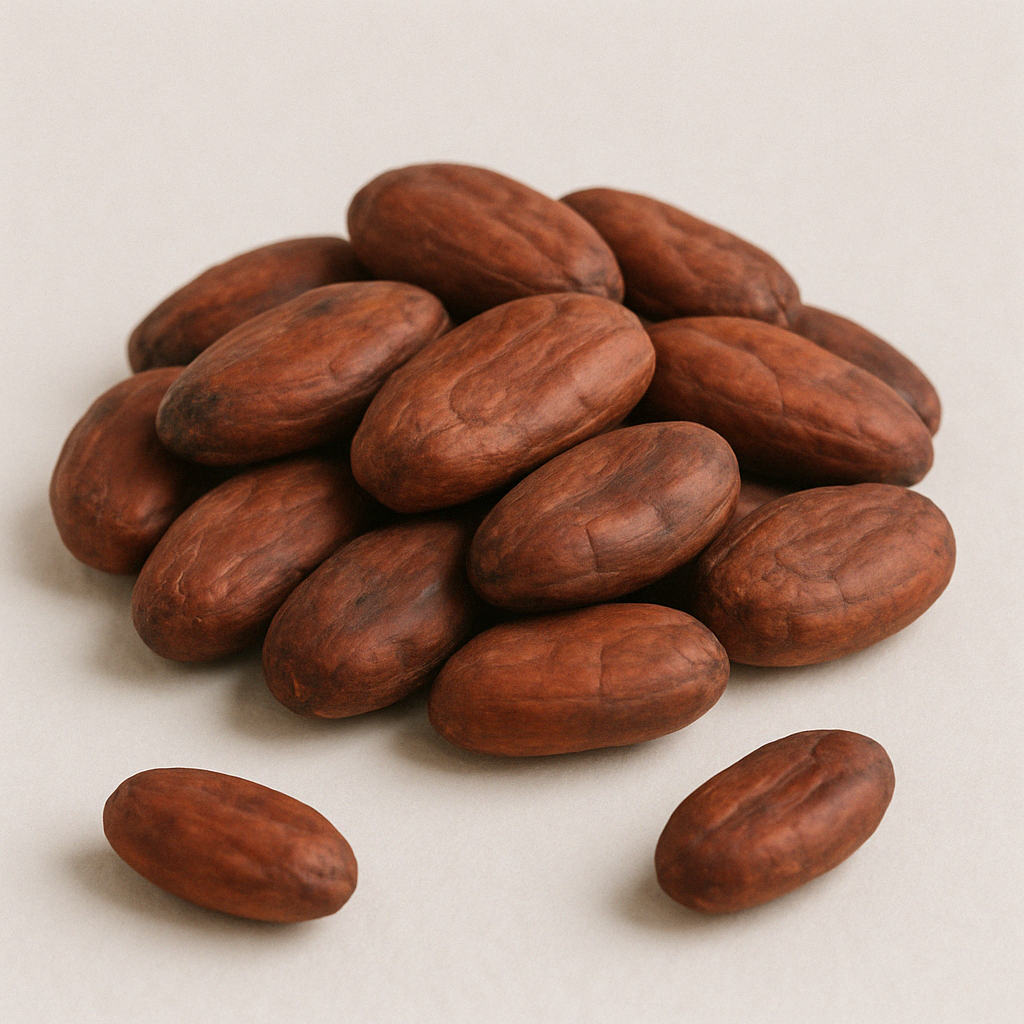
페루산 코코아 콩
이 마켓의 첫 번째 우수 판매자가 되어보세요.
이 시장에 대하여
시장 정보
History
Cocoa has been cultivated in Peru for centuries, with Amazonian communities using native varieties long before Spanish colonization. Commercial cultivation began in the early 20th century but gained momentum in the 2000s through alternative development programs aimed at replacing coca (used for cocaine) with cocoa farming. The Peru Cacao Alliance and support from USAID and NGOs helped boost quality, traceability, and farmer training, leading to global recognition in fine-flavor competitions.
Production Region
Cocoa is mainly grown in the tropical Amazon and Andean foothills:
- San Martín: Largest cocoa-producing region; strong cooperative presence.
- Ucayali: Expanding production, with improving infrastructure.
- Huánuco: Important for both bulk and fine-flavor beans.
- Cusco & Ayacucho: Known for native varieties and high-altitude cocoa.
- Junín & Amazonas: Smaller but quality-focused production areas.
Growing Conditions
Peru’s diverse geography supports various cocoa types:
- Climate: Humid tropical and sub-tropical, ideal for cocoa trees.
- Temperature: 22–28°C average.
- Rainfall: 1,500–2,500 mm/year, depending on region.
- Soil: Fertile, loamy, well-drained; pH 5.0–6.5.
- Elevation: 200–1,200 meters, with higher elevations contributing to unique flavor development.
Harvesting Process
Cocoa harvesting in Peru follows post-harvest best practices, especially for fine-flavor beans:
- Manual Pod Harvesting: Using knives to minimize tree damage.
- Pod Breaking: Done by hand; beans carefully extracted.
- Fermentation: Wooden boxes used; 5–7 days for optimal flavor.
- Drying: Solar drying on raised beds or drying tables.
- Sorting and Grading: Beans are classified by size, moisture (max 7%), and fermentation level.
Cultivation Method
Cocoa is grown mostly by smallholder farmers and cooperatives:
- Agroforestry Systems: Intercropped with banana, timber, and native trees.
- Sustainable Farming: Organic practices are widespread, often certified.
- Cooperative-Led Models: Enable traceability, certification, and access to global buyers.
- Training Programs: Focus on quality control, fermentation, and disease prevention.
- Certifications: High adoption of Organic, Fair Trade, Rainforest Alliance, and UTZ.
Supply Chain
Peru has a relatively organized cocoa supply chain:
- Smallholder Farmers: Cultivate <5 hectares; form the backbone of production.
- Cooperatives: Key actors in aggregation, processing, and certification (e.g., ACOPAGRO, Oro Verde, Colpa de Loros).
- Exporters: Both cooperative-led and private firms handle international sales.
- Value-Added Processing: Growing segment includes chocolate bars, nibs, liquor, and powder.
- Export Destinations: Netherlands, Germany, US, France, and Belgium.
Local Logistics
Logistics are challenging but improving:
- Collection Points: Cooperatives and processors manage rural aggregation.
- Transport: Often by truck or boat from remote Amazonian areas to Lima or Callao.
- Ports: Callao (main), Paita, and Iquitos (for river exports).
- Storage: Ventilated warehouses with moisture control are standard for export lots.
Regulations and Certifications
Peru’s cocoa exports are highly regulated for quality:
- SENASA Oversight: Ensures phytosanitary compliance.
- Export Standards: Moisture content, fermentation, and defect levels monitored.
- Certifications: Organic (EU, USDA), Fairtrade, Rainforest Alliance, and Origin Denomination (e.g., Cacao Cusco).
Quality Standards
Peruvian cocoa is exported as fine-flavor or bulk, with grading based on:
- Fermentation Level: Full (well-browned) preferred for fine-flavor.
- Moisture Content: ≤7%.
- Bean Count: 90–100 beans/100g typical for fine cocoa.
- Defect Allowance: Strict limits on slaty, moldy, or insect-damaged beans.
Trade Terms
Cocoa exports from Peru follow clear trade practices:
- MOQ: Often 12–18 MT per container.
- Incoterms: FOB Callao, CIF Europe/US common.
- Payment: Bank transfers or LCs for international buyers.
- Pricing: Premiums over ICE benchmark for organic or fine-flavor lots (USD 200–500/MT extra).
Environmental and Social Impacts
Peru’s cocoa industry is a model for sustainable and inclusive agriculture:
- Deforestation Mitigation: Agroforestry models help preserve biodiversity.
- Alternative Development: Cocoa replaces coca in many former illicit zones.
- Women and Youth Inclusion: High participation in cooperatives and training.
- Climate Change Adaptation: Projects in drought-resistant cultivars and shading techniques.
Uses
Peruvian cocoa beans are used across various segments:
- Premium Bean-to-Bar Chocolate: Especially Criollo and Trinitario beans.
- Organic Cocoa Powder and Butter: High demand from Europe and North America.
- Craft Chocolate and Artisanal Nibs: Domestic and export consumption.
- Cosmetics and Nutraceuticals: Cocoa butter used in skincare and wellness products.
Additional Information
Peru has won multiple International Cocoa Awards (ICA) for bean quality. The government, through MINAGRI and PROMPERÚ, continues to support the sector via research, origin branding, and farmer capacity building. The country aims to triple its fine-flavor cocoa exports by 2030.
수확 시기
품종
Criollo
High-quality, aromatic beans used for fine chocolate.
Trinitario
Hybrid with good flavor and disease resistance.
Forastero
Bulk production, especially for cocoa butter and powder.
페루의 코코아 콩 생산량
생산량 개요
페루 코코아 콩의 생산량 추세 차트
페루 코코아 콩 수출
수출 개요
수출 동향
2025 년의 수출 거래 건
2025년 페루의 주요 코코아 콩 수출업체

2025년 페루 코코아 콩의 주요 수입업체


연도별 수출 가격 동향
최근 수출 가격 변동
- 지난 6개월 동안 페루에서 코코아 콩을(를) 수입한 주요 국가는 미국, 네덜란드, 이탈리아, 벨기에, 독일입니다.
- 2026-07의 가격은 지난 6개월 평균 대비 낮은 변동성을 보였으며, 이는 시장이 안정을 찾고 있음을 나타냅니다.
/132x132/company-logo/95/40/67/9540671a72d880101edd935a159cc30313abab74/printable_resolution_file.jpg)


