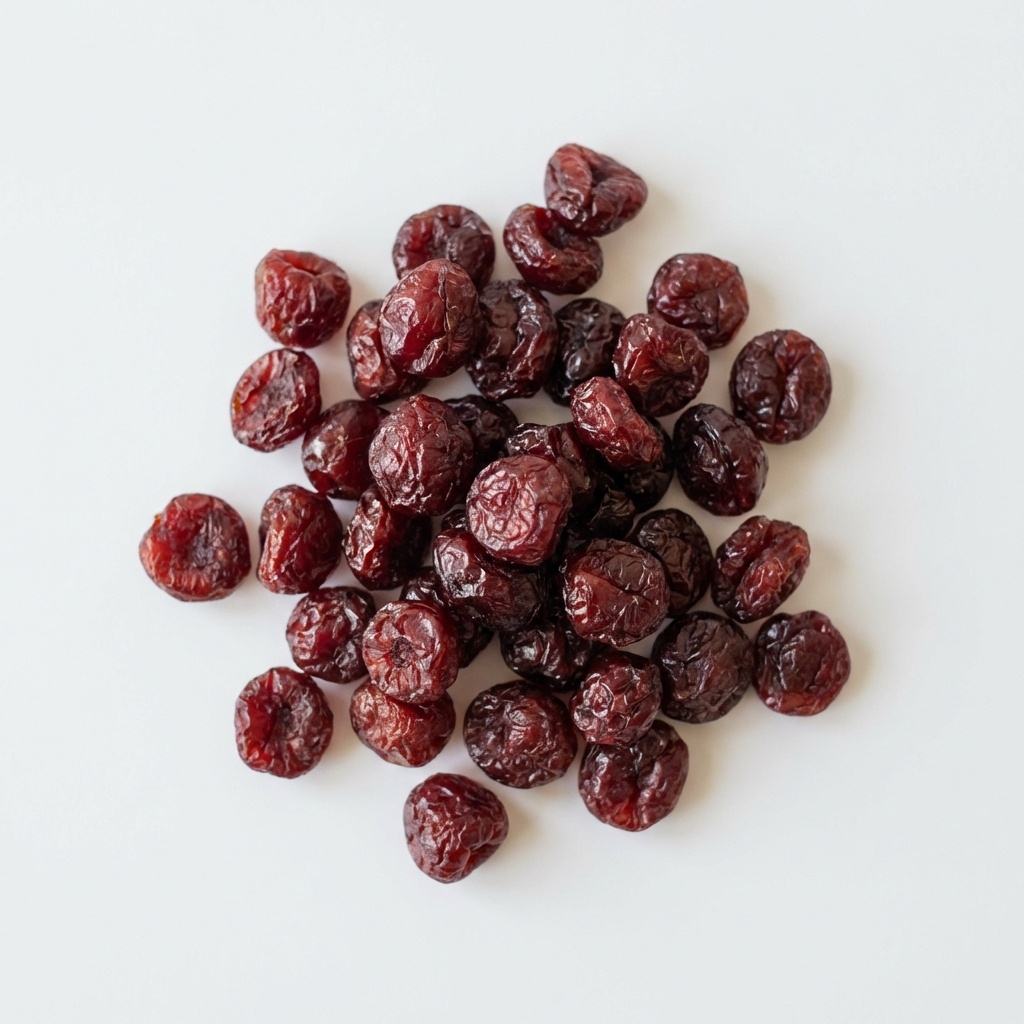
Dehydrated Cherry Suppliers & Prices in Canada — Market Overview 2026
Parent Product
Dried Cherry
Last Updated
2026-10-19
Key takeaways for search and sourcing teams
- Page data last updated on 2026-10-19.
Tridge Ark · Sourcing Feasibility Check
Could you be importing Dehydrated Cherry from Canada yourself?
Just tell us your spec and the volume you need. We'll check whether it's actually sourceable, and which origins and suppliers fit.
Free feasibility check, no account required.
Dehydrated Cherry Import Buyer Intelligence and Price Signals in Canada: Buyers, Demand, and Trade Partners
1 import partner companies are tracked for Dehydrated Cherry in Canada. Exporters and importers can use Supply Chain Intelligence company profiles and analytics to analyze buyer demand, partner density, and downstream channels.
Scatter points are sampled from 100.0% of the full transaction dataset. Each point is a real transaction — click one to see its details and ask AI Chat whether it was a fair deal.
Sample Import Transaction and Price Records for Dehydrated Cherry in Canada
4 sampled Dehydrated Cherry import transactions in Canada provide date, origin, and trade-country context to benchmark price levels and demand-side trading patterns.
Dehydrated Cherry sampled import transaction unit prices by date in Canada: 2026-06-26: 3.05 USD / kg, 2025-11-07: 2.25 USD / kg, 2025-10-20: 2.70 USD / kg, 2025-10-17: 2.25 USD / kg.
| Date | Reported Product | Unit Price | Exporter | Importer | Origin | |
|---|---|---|---|---|---|---|
| 2026-06-26 | CER**** ********************************* ******** ****** ****** ***** **** *** ******** | 3.05 USD / kg | (-) | (-) | - | |
| 2025-11-07 | CER**** ******************************************************* ** ******** | 2.25 USD / kg | (-) | (-) | - | |
| 2025-10-20 | EXP******** ******************** ********* ******* ********* ** * | 2.70 USD / kg | (-) | (-) | - | |
| 2025-10-17 | SIN******* ******** ********** | 2.25 USD / kg | (-) | (-) | - |
These 4 rows are a sample — open Dehydrated Cherry transactions in Canada on Tridge Eye
Each record shows the exporter, importer and unit price. Ask AI Chat whether the deal was fair, or turn the records into an AI Curation.
Sign up and verify your company — newly verified companies get Tridge Eye Business free for the first month.
Top Dehydrated Cherry Buyers, Importers, and Demand Partners in Canada
Review leading buyer profiles and compare them with 1 total import partner companies tracked for Dehydrated Cherry in Canada. Exporters and importers can use Supply Chain Intelligence company profiles and analytics to evaluate demand-side partner fit.
(Canada)
Latest Import Transaction: 2026-09-19
Industries: Others
Value Chain Roles: Retail
See the full picture in Tridge Eye: full price and trade history · 725,009+ company profiles
Canada Import Partner Coverage
1 companies
Import partner company count highlights demand-side visibility for Dehydrated Cherry in Canada.
Use Supply Chain Intelligence analytics and company profiles to identify active Dehydrated Cherry importers, distributors, and buyer networks in Canada.
Tridge Ark · Export Feasibility Check
Your Dehydrated Cherry — could it sell to these buyers in Canada?
Just tell us what you make. We'll see whether you're ready to export today and which markets suit your offer.
Free feasibility check, no account required.
Classification
Product TypeProcessed Food
Product FormDried/Dehydrated
Industry PositionProcessed Fruit Product
Market
Dehydrated cherry in Canada is primarily a shelf-stable processed fruit used in retail snacking and as an ingredient for bakery, cereal, confectionery, and dairy applications. Market access is shaped less by perishability and more by Canadian import compliance under the Safe Food for Canadians regulatory framework and bilingual labeling expectations. Supply is commonly sourced through import channels, with domestic processing (if any) typically serving niche or regional demand rather than defining national availability. Buyer requirements often emphasize lot traceability, specification control (e.g., moisture, defects, additive declarations), and third-party food-safety certification.
Market RoleImport-dependent consumer and ingredient market (model inference; verify trade position via ITC Trade Map/UN Comtrade for relevant HS classification).
Domestic RoleIngredient and snack component for Canadian food manufacturing and retail; compliance-driven import market.
Market GrowthNot Mentioned
SeasonalityYear-round availability in Canada due to shelf-stable nature and import-based replenishment.
Specification
Physical Attributes
- Buyer specs commonly focus on color uniformity, size/fragment distribution, and defect limits (e.g., stems, pits/pit fragments, foreign material).
- Moisture control is critical to manage texture and prevent quality degradation during Canadian warehousing and distribution.
Compositional Metrics
- Moisture and water activity targets (buyer/program specific) are used to manage shelf stability.
- If sweetened product is supplied, declared sweeteners and total sugars become key acceptance and labeling considerations.
Packaging
- Moisture- and oxygen-barrier packaging (program dependent), with clear lot coding to support traceability and recall readiness in Canada.
- Retail packs typically require bilingual (English/French) labeling for Canadian sale.
Supply Chain
Value Chain
- Cherry sourcing (domestic or imported) → washing/pitting/sizing → dehydration (hot-air or freeze-drying) → sorting/foreign-material control → packaging with lot codes → importer-of-record (Canada) → distribution to retail and ingredient users
Temperature
- Ambient distribution is typical, but storage should be cool, dry, and humidity-controlled to protect texture and reduce moisture uptake.
Atmosphere Control
- Moisture and oxygen control (packaging and warehouse conditions) is more important than temperature control for quality retention.
Shelf Life
- Shelf life is highly sensitive to moisture pickup and packaging integrity; lot rotation and humidity control are key in Canadian distribution.
Freight IntensityLow
Transport ModeMultimodal
Risks
Regulatory Compliance HighNon-compliant Canadian labeling and import compliance (e.g., missing/incorrect bilingual label elements, ingredient/allergen declarations where applicable, or importer compliance gaps under Canada’s food regulatory framework) can result in detention, relabeling costs, refusal, or recall exposure.Run a Canada-specific label and formulation compliance review pre-shipment (including bilingual requirements where applicable), confirm importer licensing/compliance readiness, and align all shipment documents to the final Canadian label and product specification.
Food Safety MediumDehydrated fruit can still face food-safety events (e.g., pathogen contamination or foreign material) and can trigger CFIA actions and retailer delisting if specifications and preventive controls are weak.Require validated preventive controls (HACCP/GFSI), routine microbiological and foreign-material controls (including metal detection), and maintain Certificates of Analysis tied to lot codes.
Logistics MediumImported supply can be disrupted by port/rail congestion, trucking capacity constraints, or cross-border delays, affecting ingredient users that rely on steady replenishment.Hold safety stock at Canadian warehouses for key SKUs/lots, diversify qualified origins or suppliers, and use forward booking for peak shipping periods.
Sustainability
- Energy use and emissions footprint of dehydration processes (supplier dependent) can be a sustainability screening topic for Canadian buyers.
- Packaging waste and recyclability expectations vary across Canadian jurisdictions and buyer programs, influencing packaging choices for retail SKUs.
Labor & Social
- Supply-chain forced labor/child labor reporting and due-diligence expectations can be relevant for Canadian importers, especially for multi-origin sourcing and complex ingredient supply chains.
- Seasonal labor conditions in upstream agricultural harvesting and processing (origin-dependent) may trigger buyer audit requirements and reputational risk.
Standards
- GFSI-recognized certification (e.g., BRCGS, SQF, FSSC 22000)
- HACCP-based food safety programs
FAQ
What is the most common reason dehydrated cherry shipments face issues entering Canada?Compliance gaps—especially labeling and documentation misalignment—are a frequent blocker for processed foods in Canada. Canadian importers and buyers typically require the finished product specification, shipment documents, and the Canadian label content (including bilingual elements where applicable) to match.
Do Canadian buyers typically ask for third-party food-safety certification for dehydrated cherries?Often yes, particularly for ingredient supply into bakery, cereal, snack, and confectionery manufacturing. Programs commonly request HACCP-based systems or GFSI-recognized certification (such as BRCGS, SQF, or FSSC 22000), alongside lot-level traceability and Certificates of Analysis tied to shipment lots.
Are preservatives or sweeteners always used in dehydrated cherry products sold in Canada?No—formulations vary by SKU. Some products are unsweetened with short ingredient lists, while others may be sweetened or use preservatives. For Canada, whatever is used must be accurately declared on the Canadian-compliant label and aligned with buyer specifications and supporting documentation.
Sources
Other Dehydrated Cherry Country Markets for Supplier, Export, and Price Comparison from Canada
Compare Dehydrated Cherry supplier coverage, trade flows, and price benchmarks across countries related to Canada.


Tridge Ark · Export & Sourcing Feasibility Checks
Dehydrated Cherry in Canada — are you buying, or selling?
Either way it's a few questions. We'll come back with where you could buy it, or who you could sell it to.
Free feasibility check, no account required.
Related Dehydrated Cherry Product Categories
Browse parent, sub, derived, and raw-material product market pages related to Dehydrated Cherry.
Parent product: Dried Cherry
By clicking “Accept Cookies,” I agree to provide cookies for statistical and personalized preference purposes. To learn more about our cookies, please read our Privacy Policy.