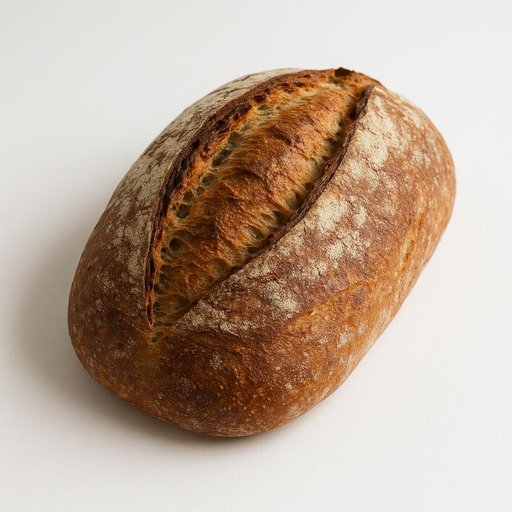
Rustic Bread Suppliers & Prices in India — Market Overview 2026
Raw Materials
Salt, Wheat Flour, Yeast
Last Updated
2026-10-06
Key takeaways for search and sourcing teams
- 5 sampled export transactions for India are summarized.
- 4 export partner companies and 33 import partner companies are mapped for Rustic Bread in India.
- Page data last updated on 2026-10-06.
Rustic Bread Export Supplier Intelligence, Price Trends, and Trade Flows in India
4 export partner companies are tracked for Rustic Bread in India. Use Supply Chain Intelligence company profiles and analytics to validate exporter coverage, partner quality, and route priorities.
Explore Rustic Bread export intelligence in India, including 5 sampled supplier transactions, monthly unit-price ranges, and partner-country trade flow patterns for HS Code -.
Scatter points are sampled from 93.8% of the full transaction dataset. Each point is a real transaction. Sign up to see them and ask AI whether each deal was fair.
Sample Export Supplier Transaction Records for Rustic Bread in India
5 sampled Rustic Bread transactions in India include date, origin, and partner-country context to benchmark export prices and supplier trading patterns.
Rustic Bread sampled transaction unit prices by date in India: 2026-08-25: 2.19 USD / kg, 2026-07-30: 1.90 USD / kg, 2026-07-23: 1.90 USD / kg, 2026-07-11: 1.89 USD / kg, 2026-07-07: 1.78 USD / kg.
| Date | Reported Product | Unit Price | Exporter | Importer | |
|---|---|---|---|---|---|
| 2026-08-25 | RUS* *** ** **** **** | 2.19 USD / kg | (India) | (Australia) | |
| 2026-07-30 | E/5***** ******* ***** *** ******* ******* | 1.90 USD / kg | (India) | (United States) | |
| 2026-07-23 | E/5***** ******* ***** *** ******* ******* | 1.90 USD / kg | (India) | (United States) | |
| 2026-07-11 | E/5***** ******* ***** *** ******* ******* | 1.89 USD / kg | (India) | (United States) | |
| 2026-07-07 | E/5***** ******* ***** *** ******* ******* | 1.78 USD / kg | (India) | (United States) |
These 5 rows are a sample — join Tridge to see Rustic Bread transactions in India
See the exporter, importer and price on the records you need, ask AI whether each deal was fair, and turn them into AI Curations.
Top Rustic Bread Export Suppliers and Companies in India
Review leading exporter profiles and benchmark them against 4 total export partner companies tracked for Rustic Bread in India. Use Supply Chain Intelligence company profiles and analytics to shortlist sourcing and export partners faster.
(India)
Latest Export Transaction: 2026-09-06
Industries: Food Manufacturing, Food Services And Drinking Places, Food Wholesalers
Value Chain Roles: Distribution / Wholesale, Food Manufacturing, Retail
(India)
Latest Export Transaction: 2026-09-06
Employee Size: 51 - 100 Employees
Industries: Food Packaging, Others
Value Chain Roles: Food Manufacturing
(India)
Latest Export Transaction: 2026-09-06
Industries: Others
Value Chain Roles: Retail
(India)
Latest Export Transaction: 2026-09-06
Industries: Food Manufacturing
Value Chain Roles: Food Manufacturing
See the full picture in Tridge Eye: full price and trade history · 725,009+ company profiles
India Export Partner Coverage
4 companies
Total export partner company count is a core signal of India export network depth for Rustic Bread.
Exporters and importers can open Supply Chain Intelligence company profiles and analytics to assess Rustic Bread partner concentration, capacity signals, and trade relevance in India.
Sourcing diagnosis
Could you be importing Rustic Bread from India yourself?
Just tell us your spec and the volume you need. We'll check whether it's actually sourceable, and which origins and suppliers fit.
Free diagnosis, no account required.
Rustic Bread Import Buyer Intelligence and Price Signals in India: Buyers, Demand, and Trade Partners
33 import partner companies are tracked for Rustic Bread in India. Exporters and importers can use Supply Chain Intelligence company profiles and analytics to analyze buyer demand, partner density, and downstream channels.
Scatter points are sampled from 100.0% of the full transaction dataset. Each point is a real transaction. Sign up to see them and ask AI whether each deal was fair.
Sample Import Transaction and Price Records for Rustic Bread in India
1 sampled Rustic Bread import transactions in India provide date, origin, and trade-country context to benchmark price levels and demand-side trading patterns.
Rustic Bread sampled import transaction unit prices by date in India: 2025-11-05: 1.31 USD / kg.
| Date | Reported Product | Unit Price | Exporter | Importer | Origin | |
|---|---|---|---|---|---|---|
| 2025-11-05 | Rus*** ******* ***** *** ******* ******* ******** *** ***** **** ********** ***** | 1.31 USD / kg | (-) | (-) | - |
These 1 rows are a sample — join Tridge to see Rustic Bread transactions in India
See the exporter, importer and price on the records you need, ask AI whether each deal was fair, and turn them into AI Curations.
Top Rustic Bread Buyers, Importers, and Demand Partners in India
Review leading buyer profiles and compare them with 33 total import partner companies tracked for Rustic Bread in India. Exporters and importers can use Supply Chain Intelligence company profiles and analytics to evaluate demand-side partner fit.
(India)
Latest Import Transaction: 2026-09-06
Employee Size: Over 1000 Employees
Sales Revenue: USD 500M - 1B
Industries: Beverage Manufacturing, Food Manufacturing, Food Wholesalers
Value Chain Roles: Distribution / Wholesale, Food Manufacturing
(India)
Latest Import Transaction: 2026-09-06
Employee Size: Over 1000 Employees
Industries: Beverage Manufacturing, Food Manufacturing, Food Packaging
Value Chain Roles: Distribution / Wholesale, Food Manufacturing, Retail
(India)
Latest Import Transaction: 2026-09-06
Employee Size: Over 1000 Employees
Sales Revenue: USD Over 1B
Industries: Food Manufacturing, Others
Value Chain Roles: Food Manufacturing
(India)
Latest Import Transaction: 2026-09-06
Industries: Food Manufacturing, Food Packaging
Value Chain Roles: Distribution / Wholesale, Food Manufacturing, Trade
(India)
Latest Import Transaction: 2026-09-06
Industries: Brokers And Trade Agencies, Food Manufacturing, Food Packaging, Food Wholesalers, Others
Value Chain Roles: Distribution / Wholesale, Farming / Production / Processing / Packing, Food Manufacturing, Trade
(India)
Latest Import Transaction: 2026-09-06
Industries: Beverage Manufacturing, Brokers And Trade Agencies, Food Manufacturing, Food Packaging
Value Chain Roles: Distribution / Wholesale, Trade
See the full picture in Tridge Eye: full price and trade history · 725,009+ company profiles
India Import Partner Coverage
33 companies
Import partner company count highlights demand-side visibility for Rustic Bread in India.
Use Supply Chain Intelligence analytics and company profiles to identify active Rustic Bread importers, distributors, and buyer networks in India.
Export diagnosis
Your Rustic Bread — could it sell to these buyers in India?
Just tell us what you make. We'll see whether you're ready to export today and which markets suit your offer.
Free diagnosis, no account required.
Price data
Which Rustic Bread prices in India do you need?
We'll open up the full price history and competitor benchmarks. Just tell us which numbers you need and we'll walk you through them.
Classification
Product TypeProcessed Food
Product FormBaked (typically ambient packaged or fresh bakery)
Industry PositionConsumer-Ready Bakery Product
Market
Rustic bread in India is a premium sub-segment within the broader bread and bakery market, concentrated in major urban centers and modern retail/foodservice channels. Because bread is bulky with a short practical shelf life in hot and humid conditions, supply is primarily met by local bakeries and in-country industrial plants rather than long-distance imports. Packaged rustic-style loaves compete on freshness, texture (crust/crumb), and ingredient positioning such as whole wheat/multigrain and reduced-additive claims. For cross-border trade into India, regulatory compliance (FSSAI standards, labeling, and import clearance) and shelf-life logistics are the main gating factors.
Market RoleDomestic consumption market with active local manufacturing; imports are typically niche due to shelf-life and compliance costs
Domestic RoleUrban bakery staple with a premium/artisanal niche for rustic-style loaves
SeasonalityYear-round production by bakeries and industrial plants; demand and assortment vary by city, retail format, and foodservice activity.
Specification
Physical Attributes
- Crusty exterior and open crumb as key quality cues
- Loaf shape integrity and sliceability (for packaged variants)
- Mould/rope spoilage absence as a key acceptance threshold in warm, humid distribution
Compositional Metrics
- Moisture control to manage softness vs. mould risk
- Salt and fat/oil levels vary by formulation; some premium products position reduced-additive recipes
Packaging
- Poly bag with clip/tie for packaged loaves (common in mass retail)
- Paper bag or paper wrap for fresh bakery counter sales (short shelf-life)
- Date coding (manufacture/pack) and best-before marking required for packaged products
Supply Chain
Value Chain
- Flour sourcing/milling → dough mixing → fermentation/bulk proof → dividing/shaping → final proof → baking → cooling → slicing (if applicable) → packaging & date coding → distribution to retail/foodservice
Temperature
- Ambient distribution requires control of heat exposure to reduce condensation and mould risk
- Dry, clean storage and rapid shelf replenishment are critical in hot/humid months
Atmosphere Control
- Ventilation and moisture/condensation control are important to prevent mould during storage and transport
- Modified-atmosphere packaging may be used for some packaged premium breads, depending on shelf-life targets
Shelf Life
- Short practical shelf life makes local production and short-haul distribution the dominant model
- Shelf life is highly sensitive to humidity, packaging integrity, and handling breaks in last-mile delivery
Freight IntensityHigh
Transport ModeMultimodal
Risks
Regulatory Compliance HighNon-compliance with Indian food regulations (FSSAI product standards/additive permissions, labeling declarations, and import clearance requirements) can lead to detention, required relabeling, or rejection of imported rustic bread consignments.Run a pre-shipment compliance review against FSSAI standards and Indian labeling rules; align additive system, allergen statements, veg/non-veg mark, and shelf-life/date coding before dispatch.
Logistics MediumBread’s bulk-to-value profile and short shelf-life make freight and last-mile disruptions (fuel price spikes, delivery delays, heat exposure) a material risk to profitability and saleable quality, especially for imported niche programs.Prefer in-country production or near-market co-manufacturing for India; where importing, use robust packaging, conservative shelf-life planning, and strict distributor temperature/humidity handling SOPs.
Food Safety MediumMould growth and microbiological spoilage risks increase under warm and humid conditions, creating potential for consumer complaints, recalls, or clearance issues if shelf-life controls are weak.Validate shelf-life under Indian ambient conditions; strengthen GMP, environmental monitoring, and packaging integrity checks; maintain rapid replenishment cycles.
Climate MediumSeasonal heat and humidity in many Indian regions can accelerate staling and spoilage, tightening distribution windows and increasing returns/waste for rustic breads positioned on freshness.Adjust distribution radius by season, improve moisture-barrier packaging, and prioritize early-day delivery and retail storage discipline.
Sustainability
- Food waste risk from short shelf-life distribution in hot/humid conditions
- Packaging waste (high prevalence of single-use plastic bags for packaged bread)
- Energy use and emissions from baking operations (ovens) and last-mile distribution
Labor & Social
- Worker heat exposure and occupational safety in bakery environments (ovens, mixers, slicers)
- Labor compliance risks in informal or small-scale bakery operations (working hours, wages, safety training)
Standards
- HACCP
- ISO 22000
- FSSC 22000
- BRCGS Food Safety
FAQ
What is the biggest reason an imported rustic bread shipment could be delayed or rejected in India?Regulatory compliance is the main gating factor: if the product does not meet Indian food rules on labeling declarations, permitted additives, or import clearance checks coordinated with the competent food authority, it can be detained for correction, testing, or rejected.
Why is rustic bread usually supplied by local manufacturing in India rather than long-distance imports?Bread is bulky and has a short practical shelf life, and Indian heat/humidity can accelerate spoilage and staling. These logistics realities favor in-country baking close to consumption centers to reduce delivery time, waste, and freight cost exposure.
Which labeling topics typically need extra attention for packaged rustic bread in India?Key topics include ingredient declaration and allergen disclosure (gluten-containing cereals), correct date marking and batch coding, and the required vegetarian/non-vegetarian symbol where applicable, along with ensuring any preservatives/emulsifiers used align with permitted-use conditions.
Sources
Other Rustic Bread Country Markets for Supplier, Export, and Price Comparison from India
Compare Rustic Bread supplier coverage, trade flows, and price benchmarks across countries related to India.


Export & sourcing diagnosis
Rustic Bread in India — are you buying, or selling?
Either way it's a few questions. We'll come back with where you could buy it, or who you could sell it to.
Free diagnosis, no account required.
Related Rustic Bread Product Categories
Browse parent, sub, derived, and raw-material product market pages related to Rustic Bread.
By clicking “Accept Cookies,” I agree to provide cookies for statistical and personalized preference purposes. To learn more about our cookies, please read our Privacy Policy.