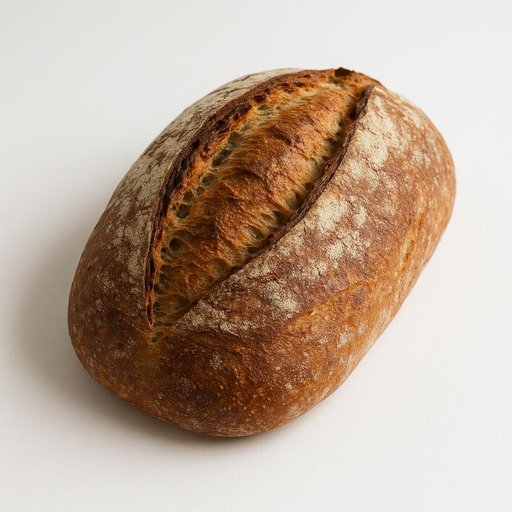
Rustic Bread Suppliers & Prices in Malaysia — Market Overview 2026
Raw Materials
Salt, Wheat Flour, Yeast
Last Updated
2026-10-06
Key takeaways for search and sourcing teams
- Page data last updated on 2026-10-06.
Sourcing diagnosis
Could you be importing Rustic Bread from Malaysia yourself?
Just tell us your spec and the volume you need. We'll check whether it's actually sourceable, and which origins and suppliers fit.
Free diagnosis, no account required.
Rustic Bread Import Buyer Intelligence and Price Signals in Malaysia: Buyers, Demand, and Trade Partners
2 import partner companies are tracked for Rustic Bread in Malaysia. Exporters and importers can use Supply Chain Intelligence company profiles and analytics to analyze buyer demand, partner density, and downstream channels.
Scatter points are sampled from 100.0% of the full transaction dataset. Each point is a real transaction. Sign up to see them and ask AI whether each deal was fair.
Sample Import Transaction and Price Records for Rustic Bread in Malaysia
5 sampled Rustic Bread import transactions in Malaysia provide date, origin, and trade-country context to benchmark price levels and demand-side trading patterns.
Rustic Bread sampled import transaction unit prices by date in Malaysia: 2025-12-30: 2.22 USD / kg, 2025-12-23: 2.32 USD / kg, 2025-12-15: 2.19 USD / kg, 2025-12-14: 2.46 USD / kg, 2025-11-11: 2.39 USD / kg.
| Date | Reported Product | Unit Price | Exporter | Importer | Origin | |
|---|---|---|---|---|---|---|
| 2025-12-30 | Rus*** ******* ***** *** ******* ******* ******** ******* *** **** * ***** ******* *** | 2.22 USD / kg | (-) | (-) | - | |
| 2025-12-23 | Rus*** ******* ***** *** ******* ******* ******** ******* *** **** * ***** ********* *** | 2.32 USD / kg | (-) | (-) | - | |
| 2025-12-15 | Rus*** ******* ***** *** ******* ******* ******** ******* ***** * *** **** ******* *** | 2.19 USD / kg | (-) | (-) | - | |
| 2025-12-14 | Rus*** ******* ***** *** ******* ******* ******** ******* *** **** * **** *** | 2.46 USD / kg | (-) | (-) | - | |
| 2025-11-11 | Rus*** ******* ***** *** ******* ******* ******** ******* *** **** ******* *** | 2.39 USD / kg | (-) | (-) | - |
These 5 rows are a sample — join Tridge to see Rustic Bread transactions in Malaysia
See the exporter, importer and price on the records you need, ask AI whether each deal was fair, and turn them into AI Curations.
Top Rustic Bread Buyers, Importers, and Demand Partners in Malaysia
Review leading buyer profiles and compare them with 2 total import partner companies tracked for Rustic Bread in Malaysia. Exporters and importers can use Supply Chain Intelligence company profiles and analytics to evaluate demand-side partner fit.
(Malaysia)
Latest Import Transaction: 2026-09-06
Employee Size: Over 1000 Employees
Sales Revenue: USD Over 1B
Industries: Beverage Manufacturing, Food Manufacturing, Food Packaging
Value Chain Roles: Distribution / Wholesale, Food Manufacturing, Trade
(Malaysia)
Latest Import Transaction: 2026-09-06
Industries: Food Services And Drinking Places
Value Chain Roles: Retail
See the full picture in Tridge Eye: full price and trade history · 725,009+ company profiles
Malaysia Import Partner Coverage
2 companies
Import partner company count highlights demand-side visibility for Rustic Bread in Malaysia.
Use Supply Chain Intelligence analytics and company profiles to identify active Rustic Bread importers, distributors, and buyer networks in Malaysia.
Export diagnosis
Your Rustic Bread — could it sell to these buyers in Malaysia?
Just tell us what you make. We'll see whether you're ready to export today and which markets suit your offer.
Free diagnosis, no account required.
Price data
Which Rustic Bread prices in Malaysia do you need?
We'll open up the full price history and competitor benchmarks. Just tell us which numbers you need and we'll walk you through them.
Classification
Product TypeProcessed Food
Product FormBaked (Ambient)
Industry PositionProcessed Food Product
Market
Rustic bread in Malaysia is a premium bakery segment typically positioned around artisanal-style loaves (e.g., sourdough-style and crusty European-style breads) sold through in-store bakeries, standalone bakeries, and modern retail. Supply for everyday consumption is primarily produced domestically because fresh bread is shelf-life sensitive in Malaysia’s hot and humid climate. The category’s cost base is exposed to imported wheat and other traded inputs, making pricing and availability sensitive to global grain market disruptions. Market access and brand trust are closely linked to compliance with Malaysia’s food laws and, where applicable, halal integrity expectations administered under Malaysia’s halal system.
Market RoleDomestic processed food market with predominantly domestic production; input-import dependent (notably wheat)
Domestic RoleMainly domestically produced bakery staple and premium segment item sold through retail and foodservice channels
Market Growth
SeasonalityYear-round production and availability; demand fluctuations are driven more by retail promotions and consumer habits than agricultural seasonality.
Specification
Physical Attributes
- Crust and crumb structure are key acceptance attributes for rustic-style loaves (e.g., crustiness, open crumb).
- Mold control is a practical quality constraint in Malaysia’s hot/humid ambient distribution environment.
Packaging
- Packaged bread sold in Malaysia must carry compliant labeling (e.g., ingredient list, net quantity, name/address of manufacturer or importer, date marking) in accordance with Malaysia’s food law framework.
- If a halal claim/logo is used, it should follow Malaysia’s halal governance requirements and recognized certification/marking rules.
Supply Chain
Value Chain
- Ingredient procurement (flour, yeast/sourdough culture, salt, fats/oils) → mixing → fermentation/proofing → baking → cooling → packing/labeling → retail/foodservice distribution
Temperature
- Ambient distribution is common for fresh bread; temperature and humidity management reduce condensation and mold risk.
- Frozen or par-baked formats (where used for longer-distance distribution) require cold-chain control.
Atmosphere Control
- Moisture control (packaging barrier performance and ventilation during cooling) helps reduce condensation-driven spoilage in humid conditions.
Shelf Life
- Shelf life is highly sensitive to packaging integrity and handling conditions; hot/humid exposure accelerates mold risk and staling.
Freight IntensityHigh
Transport ModeMultimodal
Risks
Input Supply HighMalaysia’s bakery sector is structurally exposed to imported wheat and other traded inputs; global supply disruptions or sharp grain price moves can rapidly disrupt flour availability and compress bakery margins, impacting continuity and pricing for rustic bread.Diversify flour sourcing strategies with millers/importers, use forward contracts where feasible, qualify alternative formulations (e.g., partial non-wheat grains) without compromising labeling/halal compliance, and maintain contingency inventories for critical inputs.
Halal Integrity HighHalal logo/claim misuse or inadvertent non-halal contamination (including from processing aids or emulsifiers) can trigger enforcement action, delisting, or reputational damage in Malaysia’s halal-sensitive channels.Align claims and certification to JAKIM/recognized halal requirements, validate all ingredients and processing aids, and implement documented segregation and supplier verification for halal-critical materials.
Regulatory Compliance MediumNon-compliant labeling (including language, ingredient declaration, allergen disclosure, date marking, and claims) can cause border or retail acceptance issues, including relabeling, delays, or product withdrawal.Conduct a pre-shipment label and formulation compliance review against Malaysia’s Food Act 1983 and Food Regulations 1985 and maintain a documented regulatory checklist per SKU.
Food Safety MediumBread is vulnerable to mold growth and spoilage under Malaysia’s hot and humid ambient conditions, increasing complaint, return, and recall risk if packaging/handling controls are weak.Validate shelf-life under Malaysian ambient conditions, strengthen moisture/oxygen barrier packaging, control cooling/condensation, and apply HACCP controls focused on post-bake handling and packaging integrity.
Logistics MediumFor any cross-border supply of rustic bread, bulky packaging geometry and short shelf-life (fresh) or cold-chain dependence (frozen/par-baked) make service levels sensitive to freight cost volatility and transit disruption.Prefer in-market baking or par-baked/frozen models with robust cold-chain KPIs; dual-source logistics providers and hold safety stock of packaging and key ingredients.
Sustainability
- Upstream ingredient sustainability screening (e.g., palm-oil-derived bakery fats/shortenings) can be relevant due to deforestation and land-use scrutiny associated with palm oil supply chains.
- Packaging waste and food waste reduction are recurring themes for ambient packaged bakery products.
Labor & Social
- Foreign worker and labor-rights due diligence can be relevant in Malaysian manufacturing supply chains.
- If palm-oil-derived ingredients are used, buyers may screen for forced-labor and labor-rights risks documented in parts of the Malaysian palm oil sector.
Standards
- HACCP
- ISO 22000 / FSSC 22000
- BRCGS Food Safety
- JAKIM Halal Certification (where halal supply is required)
FAQ
Is halal certification required to sell rustic bread in Malaysia?Halal certification is conditional: it is required if the product is marketed with a halal claim/logo and is often requested by halal-sensitive retail and foodservice channels in Malaysia. Halal certification and related guidance are provided through Malaysia’s halal system (Halal Malaysia/JAKIM).
Which regulations should an exporter check for bread labeling and additives in Malaysia?Malaysia’s Food Act 1983 and Food Regulations 1985 are core references for food compliance, including labeling and permitted additive requirements. The Ministry of Health’s Food Safety and Quality Division (FSQD) is a key authority reference point for compliance guidance.
What documents are typically needed to import rustic bread into Malaysia?Typical documentation includes the commercial invoice, packing list, bill of lading or air waybill, and a customs import declaration for Royal Malaysian Customs Department clearance. A certificate of origin is needed if claiming preferential tariff treatment under an FTA, and a halal certificate is needed if making halal claims or supplying halal-requiring channels.
Sources
Other Rustic Bread Country Markets for Supplier, Export, and Price Comparison from Malaysia
Compare Rustic Bread supplier coverage, trade flows, and price benchmarks across countries related to Malaysia.


Export & sourcing diagnosis
Rustic Bread in Malaysia — are you buying, or selling?
Either way it's a few questions. We'll come back with where you could buy it, or who you could sell it to.
Free diagnosis, no account required.
Related Rustic Bread Product Categories
Browse parent, sub, derived, and raw-material product market pages related to Rustic Bread.
By clicking “Accept Cookies,” I agree to provide cookies for statistical and personalized preference purposes. To learn more about our cookies, please read our Privacy Policy.