Heavy Flooding in Durban Leaves South Africa’s Citrus Supply Chain in Crisis
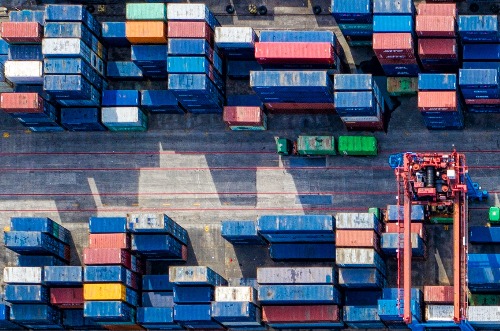
Heavy rains in early April caused flooding in Durban, South Africa, resulting in damaged roads and infrastructure and the closure of Durban port for weeks. This prevented ships from docking and ceased all container processing operations. The adverse weather also caused massive container damage, impacting fruit exports from Durban harbor.
As three river systems feed into the Durban harbor, massive debris entered the port, halting tug and vessel operations. The process to remove the debris is ongoing and is expected to continue for a few days. This resulted in the closure of Durban port, negatively affecting the initial shipments of the season, and many growers opted to reroute their shipments to Cape Town port, adding to the overall cost of transportation and delaying shipments reaching their destination. This severe downpour fell on Durban at the worst time for the fruit sector, as the citrus season commenced recently. The flooding and mudslides meant that fruit could not be shipped out of Durban port for weeks. A significant amount of the country’s citrus crop is produced in the North of South Africa and exported to foreign markets through the Durban port.
The Durban port was reopened on the 21st of April, as the flooding ceased. However, the heavy backlog of containers may take weeks to clear. Container stacks dropped to the ground, and others were scattered around, with only three out of ten container depots functional. In some depots, water and electricity are yet to be reconnected. This has hampered the preparation of containers for citrus export as PPECB inspectors evaluate the condition of the containers prior to issuing the export certification. There is also a shortage of empty containers as most were damaged during the rains.
Rail infrastructure in the region has also been severely damaged, leaving growers unable to transport their produce from the farm to the port using rail. According to Transnet Freight Rail, it could take a significant amount of time until the rail network is repaired and fully functional. The main feeder road to Durban port, Bayhead road, also suffered damage, with two ingoing lanes washing away. Repairs are ongoing to allow the smooth flow of goods in and out of the port. However, it could take months for the entire road to become fully operational. In the meantime, alternative routes passing through residential areas have been opened to facilitate road access to the port.
According to Elton Greeve, a Tridge Engagement Manager based in South Africa, these logistical challenges could leave the country in store for a very challenging citrus season, with the extent of the impact on exports currently being assessed.