Recovery of the Indian Onion Shortage with the Arrival of New Harvest Season
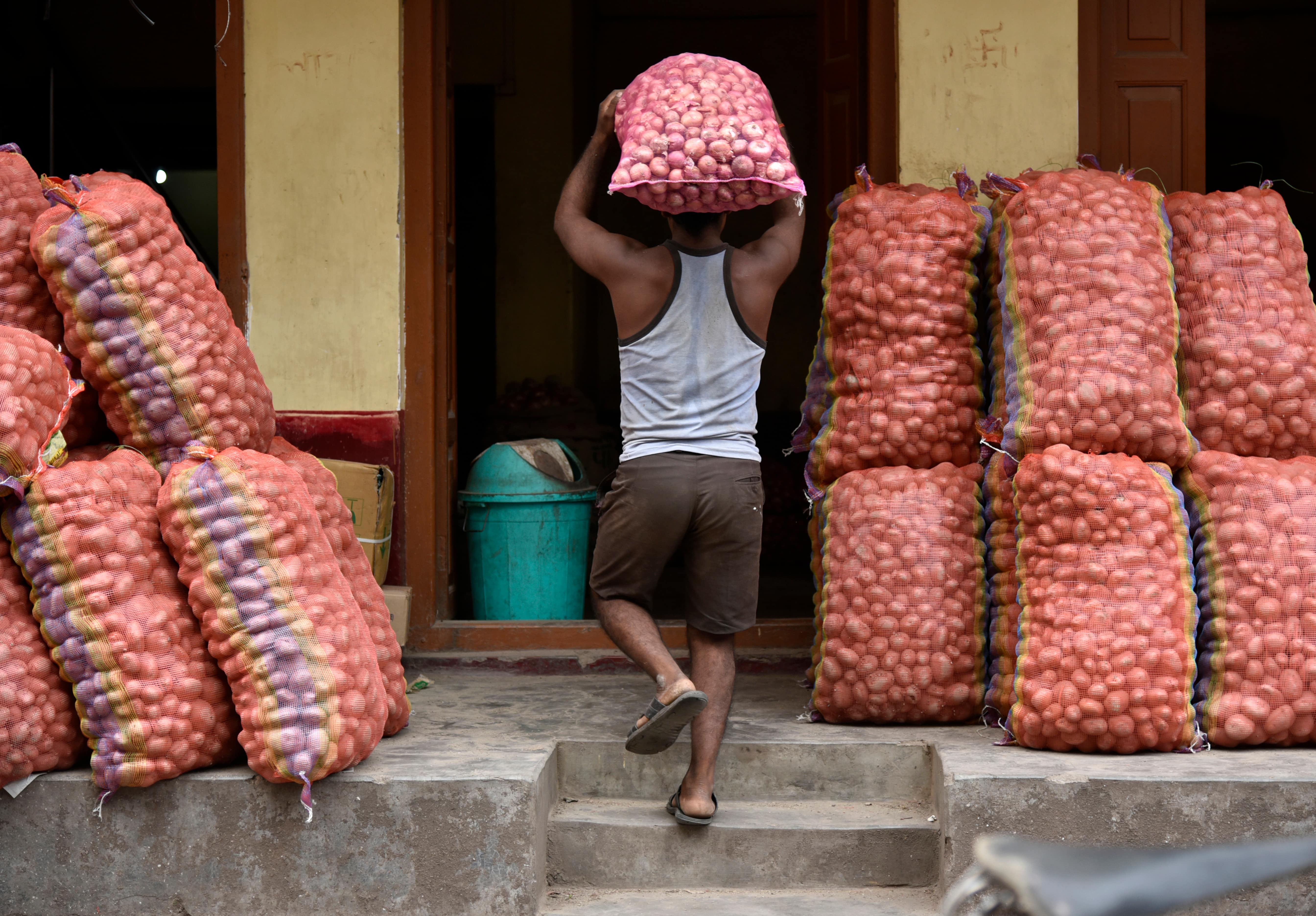
The onion shortage in India, the second-largest onion producer as well as exporter in the world, caused significant damages to various countries in fall 2019. Bangladesh, Nepal, Sri-Lanka, and EU region, which are the top importers of Indian onions, had to suffer the sky-rocketed prices, which soared by 170%, until the end of 2019. Turkey, from which the countries imported onions instead of India, was another victim of the global shortage and price spike, as the government banned onion exports to other countries in early January. Contrary to the upward price trends since September 2019, a new onion crop in India has started to resolve the market shortage and has already led to a drop in domestic wholesale prices by 35%, to INR 23 (USD 0.32) per kg in early January; it was recorded to reach INR 111 (USD 1.56) per kg as its highest on mid-December.
Increase in Supply while Demand adjusted to the low level
Onion prices decreased by 40% over the fourth week of January, due to a sharp increase in domestic supply with the arrival of the new-season crops, the Kharif variety, in wholesale markets. Alongside the vast amount of fresh Kharif crops coming from the local farmers, the arrivals from other onion exporting countries such as Afghanistan, Turkey, and Egypt, from which the government imported onions to resolve the supply crunch, have also contributed to the price decline of onions.
However, demand in the domestic market is not expected to rise proportionally. Responding to the shortage in last September, many hotels, restaurants, and other business consumers in India had stopped serving raw onion to consumers and decreased its consumption. Worrying about the price volatility brought by the mismatch in demand and supply, the new crops are being supplied under control of relevant state agencies, resulting in slow and steady supply to the wholesale markets. The government of India will also lift the export ban gradually in a phase-wise manner to not affect current stocks and prices in the domestic market too drastically. The slow but steady drop of Indian onion prices is expected to continue for some more time and exports are expected to start slowly from March onwards.
Outlook on Global Onion Prices in 2020
Due to the various initiatives that the Indian government has taken to combat the price volatility, and with the new Indian stocks boosting the supply volume and bringing down prices, the global prices will start going down gradually. As the importers are able to get Indian onions, the situation expected to stabilize by mid-April to early-May.
Moreover, the availability of domestic onions will change the import trend in India as well. Except for purchases from Afghanistan, which has been carried out for a long time by private traders, onion imports from other countries, such as Turkey and Egypt, are expected to decrease, as India strongly prefers locally-produced onions: the Indian consumers prefer to use domestic onions, which are better suited for domestic dishes due to their strong and pungent flavor.
Sources
- EurAsian Times. “Malaysia, Sri-Lanka, Bangladesh Feel the Heat After India Banned Onion Exports”
- Dilip Kumar Jha. “Onion prices slip 40% in a week on increased supply across the country”
- India New England News. “Imported onions fail to provide ‘desi’ flavor”
- Rituraj Tiwari. “States asked to set up PSFs to combat price volatility”