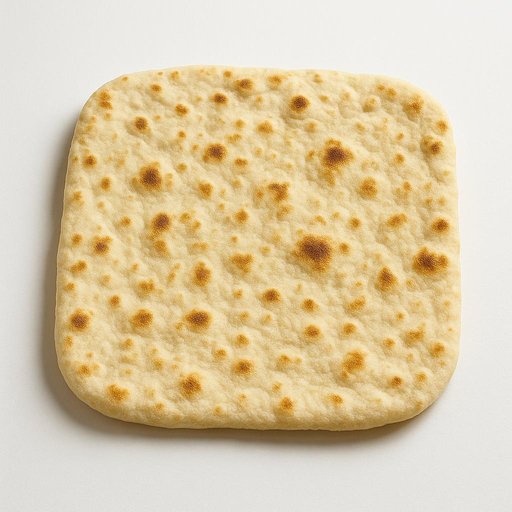
독일 플랫브레드 공급업체 및 가격 — 마켓 오버뷰 2026
원재료
우유, 우유 버터, 분유, 올리브 기름, +3
HS 코드
190590
최종 업데이트
2026-10-02
서치 및 소싱 팀을 위한 핵심 요약
- 독일에 대한 샘플 수출 거래 5건이 요약되어 있습니다.
- 독일의 플랫브레드에 대해 수출 파트너 기업(제조사 포함) 68개와 수입 파트너 기업 7개가 매핑되어 있습니다.
- 수출 파트너 국가 5개와 수입 파트너 국가 5개가 랭킹되어 있습니다.
- 이 페이지 데이터셋의 최신 기준 연도는 2024입니다.
- 페이지 데이터 최종 업데이트일: 2026-10-02.
독일의 플랫브레드 수출 공급업체·제조사 인텔리전스, 가격 동향, 무역 흐름
독일의 플랫브레드에 대해 수출 파트너 기업 68개가 추적됩니다. Supply Chain Intelligence 회사 프로필 및 분석으로 수출업체 커버리지, 파트너 품질, 경로 우선순위를 검증하세요.
독일에서의 플랫브레드 수출 인텔리전스를 확인하세요. 샘플 공급업체 거래 5건, 월간 단가 범위, HS 코드 190590의 파트너 국가 무역 흐름 패턴을 포함합니다.
스캐터 포인트는 전체 거래 데이터셋의 82.4%에서 샘플링되었습니다. 각 점은 실제 거래입니다. 가입하고 확인해 보세요 — 적정한 거래였는지 AI에게 물어볼 수도 있습니다.
독일의 플랫브레드 샘플 수출 공급업체·제조사 거래 기록
독일의 플랫브레드 샘플 거래 5건에는 수출 가격과 공급업체 거래 패턴 벤치마킹을 위한 날짜, 원산지, 파트너 국가 맥락이 포함됩니다.
독일의 플랫브레드 샘플 거래 단가(일자별): 2026-06-30: 2.84 USD / kg, 2026-05-28: 2.83 USD / kg, 2026-03-23: 2.72 USD / kg, 2025-11-23: 6.94 USD / kg, 2025-11-23: 2.36 USD / kg.
| 일자 | 신고 품목 | 단가 | 수출업체 | 수입업체 | |
|---|---|---|---|---|---|
| 2026-06-30 | [빵류* ***** **** ************** ***** ******* | 2.84 USD / kg | (독일) | (대한민국) | |
| 2026-05-28 | [빵류* ***** **** ************** ***** ******* | 2.83 USD / kg | (독일) | (대한민국) | |
| 2026-03-23 | [빵류* ***** **** ************** ***** ******* | 2.72 USD / kg | (독일) | (대한민국) | |
| 2025-11-23 | THE ****** ******* ****** ********* **** **** ***** ***** **** ********* ***** ** | 6.94 USD / kg | (독일) | (미국) | |
| 2025-11-23 | THE ****** ******* ****** ********* **** **** ***** ***** **** ********* ***** ** | 2.36 USD / kg | (독일) | (미국) |
이 5건은 샘플입니다 — 트릿지에 가입하고 독일 플랫브레드 거래를 확인하세요
필요한 거래의 수출·수입업체와 가격을 확인하고, 적정한 거래였는지 AI에게 묻고, AI Curation으로 만들어 보세요.
독일의 상위 플랫브레드 수출 공급업체, 제조사 및 기업
선도 수출업체 프로필을 검토하고 독일의 플랫브레드에 대해 추적되는 전체 수출 파트너 기업 68개와 비교하세요. Supply Chain Intelligence 회사 프로필 및 분석으로 소싱 및 수출 파트너를 더 빠르게 선별할 수 있습니다.
(독일)
최근 수출 거래: 2026-09-02
산업군: 식품 제조
밸류체인 역할: 식품 제조
(독일)
최근 수출 거래: 2026-09-02
산업군: 식품 제조
밸류체인 역할: 식품 제조
(독일)
최근 수출 거래: 2026-09-02
산업군: 작물 생산, 식품 제조, 식품 포장, 식음료 서비스업, 기타
밸류체인 역할: 유통 / 도매, 농업 / 생산 / 가공 / 포장, 식품 제조
(독일)
최근 수출 거래: 2026-09-02
산업군: 식품 제조, 기타
밸류체인 역할: 식품 제조, 기타
(독일)
최근 수출 거래: 2026-09-02
산업군: 식품 제조, 식품 포장, 식품 도매
밸류체인 역할: 유통 / 도매, 식품 제조
(독일)
최근 수출 거래: 2026-09-02
임직원 규모: 직원 101 - 500명
산업군: 식품 제조, 식품 포장, 기타
밸류체인 역할: 농업 / 생산 / 가공 / 포장, 식품 제조
트릿지 아이에서 전체 그림 보기: 가격·거래 전체 이력 · 725,009+ 기업 프로필
독일 수출 파트너 커버리지
68개 기업
총 수출 파트너 기업 수는 독일의 플랫브레드 수출 네트워크 깊이를 보여주는 핵심 신호입니다.
수출업체와 수입업체는 공급망 인텔리전스 기업 프로필 및 분석을 열어 독일 내 플랫브레드 파트너 집중도, 공급 역량 시그널, 무역 관련성을 평가할 수 있습니다.
독일 내 플랫브레드의 연간 수출 금액, 물량 및 공급업체 시장 규모 (HS 코드 190590)
독일의 플랫브레드 수출 물량/금액 2년치를 분석해 공급 측 시장 성장, 계절성, 무역 변동성을 평가하세요.
| 연도 | 물량 | 금액 |
|---|---|---|
| 2024 | 1,312,641,774 | 3,792,813,627 USD |
| 2023 | 1,212,017,873 | 3,798,116,640 USD |
독일에서 수출되는 플랫브레드의 주요 수출 대상 시장 (HS 코드 190590) 2024
2024년 기준, 독일발 플랫브레드 수출의 상위 목적지국 5개 전반에서 수출 물량과 금액을 비교하세요.
| 순위 | 국가 | 물량 | 금액 |
|---|---|---|---|
| 1 | 오스트리아 | 147,297,839 | 487,744,594.85 USD |
| 2 | 영국 | 93,394,073 | 358,975,121.769 USD |
| 3 | 프랑스 | 110,819,909 | 284,069,043.731 USD |
| 4 | 이탈리아 | 100,209,527 | 257,084,644.023 USD |
| 5 | 네덜란드 | 131,316,507 | 251,942,070.453 USD |
소싱 진단
독일산 플랫브레드, 우리도 들여올 수 있을까요?
필요한 스펙과 물량만 알려주세요. 실제로 소싱이 되는지, 어떤 원산지와 공급사가 맞는지 짚어드려요.
무료 진단, 계정 없이 이용 가능합니다.
독일의 플랫브레드 수입 바이어 인텔리전스 및 가격 시그널: 바이어, 수요, 거래 파트너
독일의 플랫브레드에 대해 수입 파트너 기업 7개가 추적됩니다. 수출업체와 수입업체는 Supply Chain Intelligence 회사 프로필 및 분석을 활용해 바이어 수요, 파트너 밀도, 다운스트림 채널을 분석할 수 있습니다.
스캐터 포인트는 전체 거래 데이터셋의 15.0%에서 샘플링되었습니다. 각 점은 실제 거래입니다. 가입하고 확인해 보세요 — 적정한 거래였는지 AI에게 물어볼 수도 있습니다.
플랫브레드의 독일 샘플 수입 거래 및 가격 기록
독일의 플랫브레드 샘플 수입 거래 5건은 가격 수준과 수요 측 거래 패턴 벤치마킹을 위한 날짜, 원산지, 무역 국가 맥락을 제공합니다.
독일의 플랫브레드 샘플 수입 거래 단가(일자별): 2026-08-29: 1.91 USD / kg, 2026-08-29: 1.19 USD / kg, 2026-08-27: 2.60 USD / kg, 2026-08-09: 1.31 USD / kg, 2026-08-04: 2.86 USD / kg.
| 일자 | 신고 품목 | 단가 | 수출업체 | 수입업체 | 원산지 | |
|---|---|---|---|---|---|---|
| 2026-08-29 | MAL**** ******* ******* | 1.91 USD / kg | (-) | (-) | - | |
| 2026-08-29 | FRO*** **** *********** ******* ** ****** ******* ***** **** * ** ***************** ***** ********************** | 1.19 USD / kg | (-) | (-) | - | |
| 2026-08-27 | OTH******** ******* ************************** ******* ******* *** *** *** | 2.60 USD / kg | (-) | (-) | - | |
| 2026-08-09 | FRO*** **** ***************** ** ************* ****************** ******* **************** ***** ********************** | 1.31 USD / kg | (-) | (-) | - | |
| 2026-08-04 | WHO** ***** ********* ******* | 2.86 USD / kg | (-) | (-) | - |
이 5건은 샘플입니다 — 트릿지에 가입하고 독일 플랫브레드 거래를 확인하세요
필요한 거래의 수출·수입업체와 가격을 확인하고, 적정한 거래였는지 AI에게 묻고, AI Curation으로 만들어 보세요.
독일 내 상위 플랫브레드 바이어, 수입업체 및 수요 파트너
선도 바이어 프로필을 검토하고 독일의 플랫브레드에 대해 추적되는 전체 수입 파트너 기업 7개와 비교하세요. 수출업체와 수입업체는 Supply Chain Intelligence 회사 프로필 및 분석으로 수요 측 파트너 적합도를 평가할 수 있습니다.
(독일)
최근 수입 거래: 2026-09-02
임직원 규모: 직원 1000명 초과
산업군: 식품 제조, 기타
밸류체인 역할: 식품 제조, 기타
(독일)
최근 수입 거래: 2026-09-02
임직원 규모: 직원 1000명 초과
매출액: 매출 USD 1B 초과
산업군: 음료 제조, 식품 제조, 식음료 서비스업
밸류체인 역할: 유통 / 도매, 식품 제조, 소매, 무역
(독일)
최근 수입 거래: 2026-09-02
임직원 규모: 직원 1000명 초과
매출액: 매출 USD 500M - 1B
산업군: 식품 제조, 식품 포장, 식음료 서비스업
밸류체인 역할: 유통 / 도매, 식품 제조, 무역
(독일)
최근 수입 거래: 2026-09-02
임직원 규모: 직원 1000명 초과
매출액: 매출 USD 1B 초과
산업군: 음료 제조, 식품 제조, 기타
밸류체인 역할: 식품 제조, 기타
(독일)
최근 수입 거래: 2026-09-02
산업군: 식품 제조, 기타
밸류체인 역할: 식품 제조, 기타
(독일)
최근 수입 거래: 2026-09-02
산업군: 식품 제조, 식품 도매
밸류체인 역할: 무역
트릿지 아이에서 전체 그림 보기: 가격·거래 전체 이력 · 725,009+ 기업 프로필
독일 수입 파트너 커버리지
7개 기업
수입 파트너 기업 수는 독일의 플랫브레드 수요 측 가시성을 보여줍니다.
공급망 인텔리전스 분석과 기업 프로필을 활용해 독일에서 활동 중인 플랫브레드 수입업체, 유통업체, 바이어 네트워크를 식별하세요.
독일 내 플랫브레드의 연간 수입 금액, 물량 및 수요 규모 (HS 코드 190590)
독일의 플랫브레드 수입 물량/금액 3년치를 추적해 수요 성장과 시장 모멘텀을 평가하세요.
| 연도 | 물량 | 금액 |
|---|---|---|
| 2024 | 517,523,142 | 1,718,006,010 USD |
| 2023 | 786,954,817 | 2,622,414,368 USD |
| 2022 | 745,835,724 | 2,127,518,272 USD |
독일에 플랫브레드를 공급하는 주요 원산지 공급국 (HS 코드 190590) 2024
2024년 기준, 독일로 플랫브레드를 공급하는 상위 원산 공급국 5개 전반의 수입 물량과 금액을 비교하세요.
| 순위 | 국가 | 물량 | 금액 |
|---|---|---|---|
| 1 | 폴란드 | 154,967,574 | 468,185,132.434 USD |
| 2 | 프랑스 | 130,158,490 | 441,567,923.803 USD |
| 3 | 이탈리아 | 97,740,300.659 | 426,792,901.24 USD |
| 4 | 네덜란드 | 75,390,177.326 | 183,057,346.35 USD |
| 5 | 벨기에 | 50,686,215 | 170,826,831.397 USD |
수출 진단
우리 플랫브레드, 이 독일 바이어들에게 팔 수 있을까요?
만드시는 제품만 알려주시면 됩니다. 지금 수출할 준비가 됐는지, 어느 시장이 맞는지 봐드려요.
무료 진단, 계정 없이 이용 가능합니다.
가격 데이터
독일 플랫브레드 가격, 어디까지 필요하세요?
전체 가격 히스토리와 경쟁사 벤치마크를 열어드립니다. 어떤 숫자가 필요하신지만 말씀해 주시면 함께 살펴봐 드려요.
Classification
Product TypeProcessed Food
Product FormBaked (Ambient / Chilled / Frozen)
Industry PositionManufactured Food Product
Market
Flatbread in Germany is a mainstream bakery category supplied through a mix of in-country baking (artisan and industrial) and imported packaged or frozen products, often serving both household consumption and foodservice. Demand is strongly linked to Germany’s large bakery retail footprint (supermarkets, discounters, and bakeries) and to foodservice formats that use flatbread as wraps or sides. Packaged flatbread competes on shelf-life, consistency, and price, while bakery-fresh and ethnic-bakery products compete on freshness and authenticity. Market access is shaped by EU/German food law (labeling/allergens, hygiene, additives/contaminants) and by German packaging producer-responsibility obligations for packaged goods placed on the market.
Market RoleLarge domestic consumer market with significant local manufacturing; supplemented by intra-EU and third-country imports of packaged and frozen flatbreads
Domestic RoleWidely consumed bakery staple and foodservice input product (wraps, pitas, flatbreads) sold across modern retail, bakeries, and ethnic channels
SeasonalityYear-round availability driven by continuous bakery and industrial production, with ambient and frozen formats supporting steady supply.
Specification
Secondary Variety
- Pita-style flatbread
- Lavash / yufka-style wraps (döner/dürüm wraps)
- Naan-style flatbread
Physical Attributes
- Soft, flexible sheet with low cracking/tearing for wrap applications
- Uniform diameter/shape and consistent thickness for portion control
- Controlled surface browning and absence of scorching
Compositional Metrics
- Moisture and water activity targets aligned to chosen format (ambient shelf-life vs frozen) and mold-control strategy
- Salt level and leavening profile aligned to label claims and buyer specifications
Packaging
- Sealed consumer packs with on-pack allergen and ingredient labeling in German
- Modified-atmosphere packaging (MAP) used for some ambient products to manage mold/shelf-life
- Frozen bulk packs for foodservice and wholesale distribution
Supply Chain
Value Chain
- Ingredient procurement (flour, yeast/leavening, salt, oils) → mixing and dough development → dividing/sheeting → proofing (if yeast-leavened) → baking → cooling → (optional slicing/stacking) → packaging (MAP) or freezing → warehousing → retail/wholesale distribution
Temperature
- Ambient distribution for shelf-stable packaged flatbread with strict mold-control and packaging discipline
- Frozen distribution common for longer-distance and foodservice supply, requiring continuous cold-chain management
Atmosphere Control
- MAP is used in some packaged flatbreads to extend shelf-life; gas mix and seal integrity materially affect mold risk and texture
Shelf Life
- Shelf-life is highly sensitive to post-bake cooling, packaging seal integrity, and mold-control strategy in ambient products
- Frozen formats reduce spoilage risk but increase energy and freight-cost exposure
Freight IntensityHigh
Transport ModeMultimodal
Risks
Regulatory Compliance HighNon-compliant consumer labeling in Germany/EU (especially undeclared allergens such as gluten-containing cereals and sesame, incorrect ingredient listing, or missing mandatory particulars) can trigger rapid withdrawal/recall and delisting by German retailers and foodservice buyers, effectively blocking market access for the shipment or product line.Run a pre-market label compliance review against EU food information requirements, implement robust allergen management and verification (supplier allergen statements + internal cross-contamination controls), and validate German-language artwork before production.
Food Safety MediumBaked cereal products can face regulatory and buyer scrutiny for process contaminants (notably acrylamide) where manufacturing controls are weak or documentation is insufficient.Implement an acrylamide mitigation plan (time/temperature control, recipe optimization, monitoring) and keep audit-ready evidence aligned with EU mitigation requirements and German risk-assessment guidance.
Logistics MediumFrozen flatbread programs are exposed to cold-chain disruptions and freight-cost volatility; breaks in temperature control can cause quality deterioration (freezer burn, texture damage) and claims/rejections.Use validated frozen packing and temperature monitoring, contract stable cold-chain lanes, and build contingency inventory for high-turn foodservice SKUs.
Regulatory Compliance MediumPackaged flatbread placed on the German market can be blocked by commercial partners if packaging producer-responsibility obligations are not met (registration, system participation, reporting), creating a practical barrier to sales even when product labeling is compliant.Clarify who is the ‘first placer on the market’ in Germany, complete required registration and system participation steps before first sale, and align packaging data reporting with German requirements.
Commodity Price MediumWheat/flour and energy price volatility in Europe can rapidly shift production costs for baked goods, affecting pricing commitments to German retailers and foodservice buyers.Use indexed pricing clauses where possible, diversify flour suppliers, and review hedging/forward-buying options for key inputs and energy exposure.
Sustainability
- Energy intensity of baking and frozen cold-chain footprint (especially relevant under volatile European energy prices)
- Packaging waste compliance and recycling participation requirements for packaged goods placed on the German market
- Supplier due diligence expectations for larger German/EU buyers (risk screening and documentation in upstream ingredient supply chains)
Labor & Social
- Workforce and working-conditions scrutiny in food manufacturing and foodservice supply chains (overtime, subcontracting, and migrant labor risks in some operations); retailer audits and supplier code-of-conduct adherence can be gating factors
Standards
- IFS Food
- BRCGS Food Safety
- ISO 22000 / FSSC 22000
FAQ
What are the key labeling compliance points for selling packaged flatbread in Germany?Germany applies EU food information rules, so packaged flatbread typically must have a compliant German-language label with a full ingredient list and clear allergen disclosure (including gluten-containing cereals and any other allergens present). If labeling is incomplete or allergens are not correctly declared, products can be withdrawn/recall-triggered and retailers may delist the SKU.
Are food-safety certifications commonly expected by German retail buyers for flatbread suppliers?In Germany’s modern retail supply chain, buyers often expect audit-ready food-safety systems and commonly recognize schemes such as IFS Food or BRCGS (or equivalent) as part of supplier onboarding. Exact requirements depend on the retailer and whether the product is private label or branded.
What packaging compliance issue can block packaged flatbread sales in Germany even if the food label is correct?For packaged goods placed on the German market, packaging producer-responsibility obligations can be a gating item for listings. If the responsible party has not completed the required registration/system participation steps under Germany’s packaging framework, retailers and distributors may refuse to list or accept the product.
Sources


수출·소싱 진단
독일 플랫브레드, 사는 쪽이세요 파는 쪽이세요?
어느 쪽이든 몇 가지만 답해주시면 됩니다. 어디서 살 수 있는지, 누구에게 팔 수 있는지 정리해서 보내드릴게요.
무료 진단, 계정 없이 이용 가능합니다.
'쿠키 허용'을 클릭하면 통계 및 개인 선호도 산출을 위한 쿠키 제공에 동의하게 됩니다.
개인정보 보호정책에서 쿠키에 대한 자세한 내용을 확인할 수 있습니다.