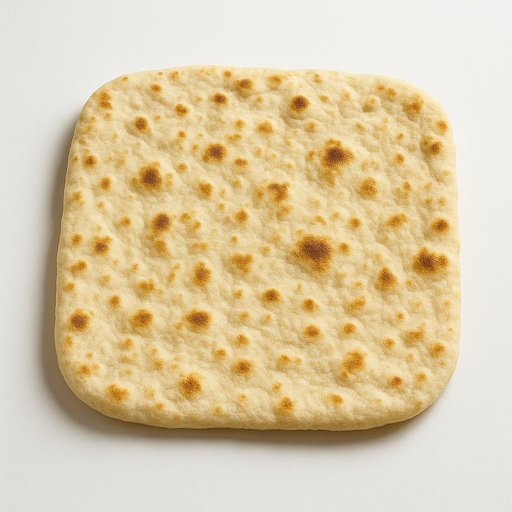
미국 플랫브레드 공급업체 및 가격 — 마켓 오버뷰 2026
원재료
우유, 우유 버터, 분유, 올리브 기름, +3
HS 코드
190590
최종 업데이트
2026-09-21
서치 및 소싱 팀을 위한 핵심 요약
- 미국에 대한 샘플 수출 거래 5건이 요약되어 있습니다.
- 미국의 플랫브레드에 대해 수출 파트너 기업(제조사 포함) 444개와 수입 파트너 기업 42개가 매핑되어 있습니다.
- 수출 파트너 국가 5개와 수입 파트너 국가 5개가 랭킹되어 있습니다.
- 이 페이지 데이터셋의 최신 기준 연도는 2024입니다.
- 페이지 데이터 최종 업데이트일: 2026-09-21.
미국의 플랫브레드 수출 공급업체·제조사 인텔리전스, 가격 동향, 무역 흐름
미국의 플랫브레드에 대해 수출 파트너 기업 444개가 추적됩니다. Supply Chain Intelligence 회사 프로필 및 분석으로 수출업체 커버리지, 파트너 품질, 경로 우선순위를 검증하세요.
미국에서의 플랫브레드 수출 인텔리전스를 확인하세요. 샘플 공급업체 거래 5건, 월간 단가 범위, HS 코드 190590의 파트너 국가 무역 흐름 패턴을 포함합니다.
스캐터 포인트는 전체 거래 데이터셋의 21.4%에서 샘플링되었습니다.
미국의 플랫브레드 샘플 수출 공급업체·제조사 거래 기록
미국의 플랫브레드 샘플 거래 5건에는 수출 가격과 공급업체 거래 패턴 벤치마킹을 위한 날짜, 원산지, 파트너 국가 맥락이 포함됩니다.
미국의 플랫브레드 샘플 거래 단가(일자별): 2026-09-15: 2.36 USD / kg, 2026-09-09: 2.36 USD / kg, 2026-09-09: 2.36 USD / kg, 2026-09-01: 3.09 USD / kg, 2026-09-01: 3.09 USD / kg.
| 일자 | 신고 품목 | 단가 | 수출업체 | 수입업체 | |
|---|---|---|---|---|---|
| 2026-09-15 | [빵류* ** ************** | 2.36 USD / kg | (미국) | (대한민국) | |
| 2026-09-09 | [빵류* ** ************** | 2.36 USD / kg | (미국) | (대한민국) | |
| 2026-09-09 | [빵류* ** ************** | 2.36 USD / kg | (미국) | (대한민국) | |
| 2026-09-01 | [빵류* *** *** *** ********* ******* ***** **** | 3.09 USD / kg | (미국) | (대한민국) | |
| 2026-09-01 | [빵류* *** *** *** ********* ******* ***** **** | 3.09 USD / kg | (미국) | (대한민국) |
미국의 상위 플랫브레드 수출 공급업체, 제조사 및 기업
선도 수출업체 프로필을 검토하고 미국의 플랫브레드에 대해 추적되는 전체 수출 파트너 기업 444개와 비교하세요. Supply Chain Intelligence 회사 프로필 및 분석으로 소싱 및 수출 파트너를 더 빠르게 선별할 수 있습니다.
(미국)
최근 수출 거래: 2025-11-22
최근 수출 파트너 기업: 1
임직원 규모: 직원 101 - 500명
매출액: 매출 USD 10M - 50M
산업군: 식품 제조식음료 서비스업식품 도매
밸류체인 역할: 유통 / 도매식품 제조
(미국)
최근 수출 거래: 2026-08-21
임직원 규모: 직원 11 - 50명
매출액: 매출 USD 1M - 5M
산업군: 식품 제조식품 도매
밸류체인 역할: 유통 / 도매식품 제조
(미국)
최근 수출 거래: 2026-08-21
임직원 규모: 직원 1 - 10명
산업군: 브로커 및 무역 대행식품 제조
밸류체인 역할: 식품 제조무역
(미국)
최근 수출 거래: 2026-08-21
산업군: 음료 제조식품 제조식음료 서비스업
밸류체인 역할: 유통 / 도매무역
(미국)
최근 수출 거래: 2026-08-21
임직원 규모: 직원 1 - 10명
산업군: 식품 제조식음료 서비스업식품 도매기타
밸류체인 역할: 유통 / 도매소매무역
(미국)
최근 수출 거래: 2026-08-21
임직원 규모: 직원 1000명 초과
산업군: 식품 제조식품 포장식품 도매
밸류체인 역할: 유통 / 도매식품 제조
트릿지 아이에서 전체 그림 보기: 가격·거래 전체 이력 · 725,009+ 기업 프로필
미국 수출 파트너 커버리지
444개 기업
총 수출 파트너 기업 수는 미국의 플랫브레드 수출 네트워크 깊이를 보여주는 핵심 신호입니다.
수출업체와 수입업체는 공급망 인텔리전스 기업 프로필 및 분석을 열어 미국 내 플랫브레드 파트너 집중도, 공급 역량 시그널, 무역 관련성을 평가할 수 있습니다.
미국 내 플랫브레드의 연간 수출 금액, 물량 및 공급업체 시장 규모 (HS 코드 190590)
미국의 플랫브레드 수출 물량/금액 3년치를 분석해 공급 측 시장 성장, 계절성, 무역 변동성을 평가하세요.
| 연도 | 물량 | 금액 |
|---|---|---|
| 2024 | 606,234,495 | 2,171,125,762 USD |
| 2023 | 592,584,291 | 2,161,508,243 USD |
| 2022 | 585,557,580 | 2,059,775,334 USD |
미국에서 수출되는 플랫브레드의 주요 수출 대상 시장 (HS 코드 190590) 2024
2024년 기준, 미국발 플랫브레드 수출의 상위 목적지국 5개 전반에서 수출 물량과 금액을 비교하세요.
| 순위 | 국가 | 물량 | 금액 |
|---|---|---|---|
| 1 | 캐나다 | 367,635,110 | 1,327,189,335 USD |
| 2 | 멕시코 | 86,588,426 | 278,247,821 USD |
| 3 | 호주 | 12,131,347 | 41,703,077 USD |
| 4 | 일본 | 12,971,460 | 39,634,852 USD |
| 5 | 영국 | 10,812,038 | 38,571,155 USD |
소싱 진단
미국산 플랫브레드, 우리도 들여올 수 있을까요?
필요한 스펙과 물량만 알려주세요. 실제로 소싱이 되는지, 어떤 원산지와 공급사가 맞는지 짚어드려요.
무료 진단, 계정 없이 이용 가능합니다.
미국의 플랫브레드 수입 바이어 인텔리전스 및 가격 시그널: 바이어, 수요, 거래 파트너
미국의 플랫브레드에 대해 수입 파트너 기업 42개가 추적됩니다. 수출업체와 수입업체는 Supply Chain Intelligence 회사 프로필 및 분석을 활용해 바이어 수요, 파트너 밀도, 다운스트림 채널을 분석할 수 있습니다.
스캐터 포인트는 전체 거래 데이터셋의 0.8%에서 샘플링되었습니다.
플랫브레드의 미국 샘플 수입 거래 및 가격 기록
미국의 플랫브레드 샘플 수입 거래 5건은 가격 수준과 수요 측 거래 패턴 벤치마킹을 위한 날짜, 원산지, 무역 국가 맥락을 제공합니다.
미국의 플랫브레드 샘플 수입 거래 단가(일자별): 2026-07-24: 2.35 USD / kg, 2026-07-21: 2.88 USD / kg, 2026-07-10: 2.64 USD / kg, 2026-07-03: 2.21 USD / kg, 2026-07-01: 1.63 USD / kg.
| 일자 | 신고 품목 | 단가 | 수출업체 | 수입업체 | 원산지 | |
|---|---|---|---|---|---|---|
| 2026-07-24 | ASH*** ***** ** ******* * * * **** ******* **** **** ******* ******* ***** *********** * ******* ******* ** ******** ** | 2.35 USD / kg | (-) | (-) | - | |
| 2026-07-21 | ASH*** ***** ** ******* * ** * *** ****** **** **** ***** ******* ***** *********** * ******* ******* ** ******** ***** | 2.88 USD / kg | (-) | (-) | - | |
| 2026-07-10 | E13* ****** **** ***** ********* ********* *** | 2.64 USD / kg | (-) | (-) | - | |
| 2026-07-03 | ASL* ***** ******* ******************* ******** ******* * ** * *** **** ** ******** ***** *********** * ******* ******* | 2.21 USD / kg | (-) | (-) | - | |
| 2026-07-01 | FRO*** **** ***** * ******** **** ******* ******** ***** ****** | 1.63 USD / kg | (-) | (-) | - |
미국 내 상위 플랫브레드 바이어, 수입업체 및 수요 파트너
선도 바이어 프로필을 검토하고 미국의 플랫브레드에 대해 추적되는 전체 수입 파트너 기업 42개와 비교하세요. 수출업체와 수입업체는 Supply Chain Intelligence 회사 프로필 및 분석으로 수요 측 파트너 적합도를 평가할 수 있습니다.
(미국)
최근 수입 거래: 2026-08-21
임직원 규모: 직원 1000명 초과
산업군: 음료 제조식품 제조
밸류체인 역할: 유통 / 도매식품 제조
(미국)
최근 수입 거래: 2026-08-21
산업군: 식품 제조식음료 서비스업
밸류체인 역할: 유통 / 도매식품 제조
(미국)
최근 수입 거래: 2026-08-21
임직원 규모: 직원 101 - 500명
매출액: 매출 USD 10M - 50M
산업군: 식품 제조
밸류체인 역할: 유통 / 도매식품 제조
(미국)
최근 수입 거래: 2026-08-21
최근 수입 파트너 기업: 1
임직원 규모: 직원 1000명 초과
매출액: 매출 USD 5M - 10M
산업군: 식품 제조식음료 서비스업식품 도매
밸류체인 역할: 유통 / 도매식품 제조소매
(미국)
최근 수입 거래: 2026-08-21
임직원 규모: 직원 11 - 50명
산업군: 식품 제조
밸류체인 역할: 식품 제조
(미국)
최근 수입 거래: 2026-08-21
임직원 규모: 직원 101 - 500명
매출액: 매출 USD 10M - 50M
산업군: 식품 제조
밸류체인 역할: 식품 제조
트릿지 아이에서 전체 그림 보기: 가격·거래 전체 이력 · 725,009+ 기업 프로필
미국 수입 파트너 커버리지
42개 기업
수입 파트너 기업 수는 미국의 플랫브레드 수요 측 가시성을 보여줍니다.
공급망 인텔리전스 분석과 기업 프로필을 활용해 미국에서 활동 중인 플랫브레드 수입업체, 유통업체, 바이어 네트워크를 식별하세요.
미국 내 플랫브레드의 연간 수입 금액, 물량 및 수요 규모 (HS 코드 190590)
미국의 플랫브레드 수입 물량/금액 3년치를 추적해 수요 성장과 시장 모멘텀을 평가하세요.
| 연도 | 물량 | 금액 |
|---|---|---|
| 2024 | 1,702,306,529 | 7,829,826,046 USD |
| 2023 | 1,578,169,046 | 7,085,368,915 USD |
| 2022 | 1,532,464,657 | 6,477,528,831 USD |
미국에 플랫브레드를 공급하는 주요 원산지 공급국 (HS 코드 190590) 2024
2024년 기준, 미국로 플랫브레드를 공급하는 상위 원산 공급국 5개 전반의 수입 물량과 금액을 비교하세요.
| 순위 | 국가 | 물량 | 금액 |
|---|---|---|---|
| 1 | 캐나다 | 817,358,253 | 4,171,982,561 USD |
| 2 | 멕시코 | 426,163,323 | 1,359,911,788 USD |
| 3 | 이탈리아 | 48,209,423 | 312,910,176 USD |
| 4 | 프랑스 | 36,491,647 | 239,143,498 USD |
| 5 | 인도 | 54,600,946 | 162,928,092 USD |
수출 진단
우리 플랫브레드, 이 미국 바이어들에게 팔 수 있을까요?
만드시는 제품만 알려주시면 됩니다. 지금 수출할 준비가 됐는지, 어느 시장이 맞는지 봐드려요.
무료 진단, 계정 없이 이용 가능합니다.
가격 데이터
미국 플랫브레드 가격, 어디까지 필요하세요?
전체 가격 히스토리와 경쟁사 벤치마크를 열어드립니다. 어떤 숫자가 필요하신지만 말씀해 주시면 함께 살펴봐 드려요.
Classification
Product TypeProcessed Food
Product FormPackaged (ambient/refrigerated/frozen)
Industry PositionFinished Consumer Food Product
Market
Flatbread in the United States is a mass retail and foodservice bakery category spanning fresh, chilled, and frozen formats (e.g., pita, naan, and wrap-style flatbreads). The market is supplied primarily by domestic commercial bakeries, with imports used to supplement specialty, frozen, or ethnic-product offerings depending on the segment and brand. Regulatory compliance is anchored in FDA food safety requirements (FSMA preventive controls) and labeling rules, with allergen controls (including wheat and sesame) a frequent operational and recall driver. Distribution is dominated by modern grocery, club, and foodservice channels, supported by broad national logistics and, for frozen items, cold-chain execution.
Market RoleMajor domestic producer and consumer market with supplemental imports
Domestic RoleHigh-volume consumption in retail and foodservice with extensive domestic commercial baking capacity
Market GrowthMixed (Recent years)Format and segment shifts toward convenience, frozen, and better-for-you positioning alongside price sensitivity
SeasonalityYear-round production and sales; demand driven by retail promotions and foodservice menus rather than agricultural seasonality.
Specification
Secondary Variety
- Pita
- Naan
- Lavash
- Wrap-style flatbread
Physical Attributes
- Uniform diameter/thickness and low breakage during handling
- Controlled browning/char marks (style-dependent)
- Tear resistance and flexibility for wraps (wrap-style products)
- Pocket formation integrity (pita products)
Compositional Metrics
- Moisture management to balance softness with mold control
- Salt level and leavening balance for texture and eating quality
Packaging
- Resealable poly bags for ambient retail packs
- Modified-atmosphere packaging (where used) to extend shelf life
- Frozen poly bags/cartons with outer case packs for distribution
- Foodservice bulk case packs
Supply Chain
Value Chain
- Ingredient sourcing (flour, yeast/leavening, oils) → mixing → sheeting/pressing → baking → cooling → slicing/stacking → packaging → metal detection/X-ray (site-dependent) → ambient or frozen distribution → retail/foodservice
Temperature
- Ambient distribution is common for packaged shelf-stable/refrigerated-short-life products with preservatives and strict hygiene controls.
- Frozen distribution is common for par-baked or fully baked frozen flatbreads to extend shelf-life and widen geographic reach.
Atmosphere Control
- Oxygen control via packaging and line sanitation are used to reduce mold risk in ambient products (approach varies by producer).
Shelf Life
- Shelf life is highly sensitive to sanitation, moisture control, packaging integrity, and post-bake cooling time/temperature control.
- Frozen formats reduce staling and microbial growth risk but increase cold-chain dependency.
Freight IntensityMedium
Transport ModeMultimodal
Risks
Food Safety HighUndeclared allergens (notably wheat/gluten and sesame) are a critical U.S. market access risk for flatbread and can trigger immediate recalls, delisting, and regulatory action.Implement validated allergen changeover sanitation, label reconciliation controls, and finished-pack label verification; align artwork approvals to the FDA allergen labeling rules used for the product.
Regulatory Compliance MediumFSMA preventive controls expectations (hazard analysis, preventive controls, sanitation, supply-chain controls where applicable) create compliance exposure for importers and domestic manufacturers if documentation and verification are weak.Maintain a robust food safety plan (where required), supplier verification records, and documented corrective action handling; confirm importer responsibilities for FDA-related requirements before shipment.
Logistics MediumFreight rate volatility and cold-chain disruptions can materially impact landed costs and service levels for frozen flatbread, increasing out-of-stock risk or margin compression.Use multi-carrier contracting, optimize case/cube utilization, and hold safety stock in regional cold storage for high-velocity SKUs.
Quality MediumMold spoilage and texture staling can drive shrink, complaints, and returns in ambient flatbread if moisture, cooling, packaging integrity, and distribution dwell times are not tightly controlled.Control post-bake cooling and packaging conditions, verify preservative efficacy where used, and monitor distribution temperature/humidity and shelf-life performance by lane.
Sustainability
- Packaging waste and recyclability-claim scrutiny in U.S. retail programs
- Food waste risk from short shelf-life ambient bakery items if forecasting and rotation controls are weak
Standards
- SQF
- BRCGS Food Safety
- FSSC 22000
- ISO 22000
FAQ
What is the biggest compliance risk for selling flatbread in the U.S.?Undeclared allergens are often the most severe risk. For flatbread, wheat (gluten) is common, and sesame is also a key declared allergen in U.S. labeling rules; label errors can trigger recalls and delisting.
What import steps commonly apply when bringing flatbread into the United States?Importers typically need CBP entry filing and FDA Prior Notice for imported foods, and they should confirm the relevant FDA requirements for the product and the supplying facility (including any applicable food facility registration expectations).
Which third-party certifications do U.S. retail and foodservice buyers often ask flatbread suppliers to hold?Many buyers commonly recognize GFSI-benchmarked schemes such as SQF, BRCGS Food Safety, or FSSC 22000 (requirements vary by customer and channel).
Sources


수출·소싱 진단
미국 플랫브레드, 사는 쪽이세요 파는 쪽이세요?
어느 쪽이든 몇 가지만 답해주시면 됩니다. 어디서 살 수 있는지, 누구에게 팔 수 있는지 정리해서 보내드릴게요.
무료 진단, 계정 없이 이용 가능합니다.
'쿠키 허용'을 클릭하면 통계 및 개인 선호도 산출을 위한 쿠키 제공에 동의하게 됩니다.
개인정보 보호정책에서 쿠키에 대한 자세한 내용을 확인할 수 있습니다.