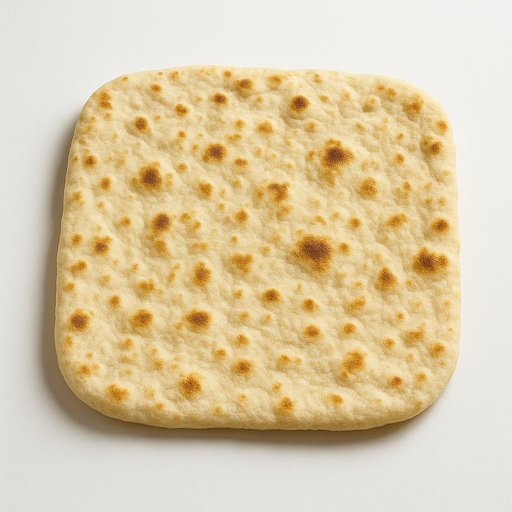
베트남 플랫브레드 공급업체 및 가격 — 마켓 오버뷰 2026
원재료
우유, 우유 버터, 분유, 올리브 기름, +3
HS 코드
190590
최종 업데이트
2026-09-21
서치 및 소싱 팀을 위한 핵심 요약
- 베트남에 대한 샘플 수출 거래 2건이 요약되어 있습니다.
- 베트남의 플랫브레드에 대해 수출 파트너 기업(제조사 포함) 28개와 수입 파트너 기업 11개가 매핑되어 있습니다.
- 이 페이지 데이터셋의 최신 기준 연도는 2024입니다.
- 페이지 데이터 최종 업데이트일: 2026-09-21.
베트남의 플랫브레드 수출 공급업체·제조사 인텔리전스, 가격 동향, 무역 흐름
베트남의 플랫브레드에 대해 수출 파트너 기업 28개가 추적됩니다. Supply Chain Intelligence 회사 프로필 및 분석으로 수출업체 커버리지, 파트너 품질, 경로 우선순위를 검증하세요.
베트남에서의 플랫브레드 수출 인텔리전스를 확인하세요. 샘플 공급업체 거래 2건, 월간 단가 범위, HS 코드 190590의 파트너 국가 무역 흐름 패턴을 포함합니다.
스캐터 포인트는 전체 거래 데이터셋의 100.0%에서 샘플링되었습니다.
베트남의 플랫브레드 샘플 수출 공급업체·제조사 거래 기록
베트남의 플랫브레드 샘플 거래 2건에는 수출 가격과 공급업체 거래 패턴 벤치마킹을 위한 날짜, 원산지, 파트너 국가 맥락이 포함됩니다.
베트남의 플랫브레드 샘플 거래 단가(일자별): 2025-11-03: 3.19 USD / kg, 2025-10-04: 1.00 USD / kg.
| 일자 | 신고 품목 | 단가 | 수출업체 | 수입업체 | |
|---|---|---|---|---|---|
| 2025-11-03 | PIZ** ***** * ********** ******** * * ******** **** * ** ******** *** **** *** ***** ************ | 3.19 USD / kg | (베트남) | (일본) | |
| 2025-10-04 | Cup *** ****** ************ | 1.00 USD / kg | (베트남) | (영국) |
베트남의 상위 플랫브레드 수출 공급업체, 제조사 및 기업
선도 수출업체 프로필을 검토하고 베트남의 플랫브레드에 대해 추적되는 전체 수출 파트너 기업 28개와 비교하세요. Supply Chain Intelligence 회사 프로필 및 분석으로 소싱 및 수출 파트너를 더 빠르게 선별할 수 있습니다.
(베트남)
최근 수출 거래: 2026-08-21
산업군: 식품 제조식품 포장식품 도매
밸류체인 역할: 유통 / 도매식품 제조소매
(베트남)
최근 수출 거래: 2026-08-21
임직원 규모: 직원 11 - 50명
매출액: 매출 USD 1M - 5M
산업군: 식품 제조식음료 서비스업식품 도매
밸류체인 역할: 유통 / 도매식품 제조
(베트남)
최근 수출 거래: 2026-08-21
산업군: 식음료 서비스업온라인 리테일 및 풀필먼트
밸류체인 역할: 호레카소매무역
(베트남)
최근 수출 거래: 2026-08-21
산업군: 어업 및 양식업식품 제조
밸류체인 역할: 유통 / 도매무역
(베트남)
최근 수출 거래: 2026-08-21
임직원 규모: 직원 11 - 50명
산업군: 기타
밸류체인 역할: 유통 / 도매
(베트남)
최근 수출 거래: 2026-08-21
최근 수출 파트너 기업: 2
산업군: 음료 제조식품 제조식품 포장
밸류체인 역할: 유통 / 도매식품 제조무역
트릿지 아이에서 전체 그림 보기: 가격·거래 전체 이력 · 725,009+ 기업 프로필
베트남 수출 파트너 커버리지
28개 기업
총 수출 파트너 기업 수는 베트남의 플랫브레드 수출 네트워크 깊이를 보여주는 핵심 신호입니다.
수출업체와 수입업체는 공급망 인텔리전스 기업 프로필 및 분석을 열어 베트남 내 플랫브레드 파트너 집중도, 공급 역량 시그널, 무역 관련성을 평가할 수 있습니다.
베트남 내 플랫브레드의 연간 수출 금액, 물량 및 공급업체 시장 규모 (HS 코드 190590)
베트남의 플랫브레드 수출 물량/금액 2년치를 분석해 공급 측 시장 성장, 계절성, 무역 변동성을 평가하세요.
| 연도 | 물량 | 금액 |
|---|---|---|
| 2023 | 75,149,797 | 302,308,809 USD |
| 2022 | 84,756,292 | 290,029,532 USD |
소싱 진단
베트남산 플랫브레드, 우리도 들여올 수 있을까요?
필요한 스펙과 물량만 알려주세요. 실제로 소싱이 되는지, 어떤 원산지와 공급사가 맞는지 짚어드려요.
무료 진단, 계정 없이 이용 가능합니다.
베트남의 플랫브레드 수입 바이어 인텔리전스 및 가격 시그널: 바이어, 수요, 거래 파트너
베트남의 플랫브레드에 대해 수입 파트너 기업 11개가 추적됩니다. 수출업체와 수입업체는 Supply Chain Intelligence 회사 프로필 및 분석을 활용해 바이어 수요, 파트너 밀도, 다운스트림 채널을 분석할 수 있습니다.
스캐터 포인트는 전체 거래 데이터셋의 100.0%에서 샘플링되었습니다.
플랫브레드의 베트남 샘플 수입 거래 및 가격 기록
베트남의 플랫브레드 샘플 수입 거래 5건은 가격 수준과 수요 측 거래 패턴 벤치마킹을 위한 날짜, 원산지, 무역 국가 맥락을 제공합니다.
베트남의 플랫브레드 샘플 수입 거래 단가(일자별): 2026-01-07: 2.26 USD / kg, 2026-01-07: 2.26 USD / kg, 2025-12-24: 2.25 USD / kg, 2025-12-24: 2.25 USD / kg, 2025-12-24: 2.25 USD / kg.
| 일자 | 신고 품목 | 단가 | 수출업체 | 수입업체 | 원산지 | |
|---|---|---|---|---|---|---|
| 2026-01-07 | Sub ***** ***** ********** ********* ****** *** ** ******* **** *********************** *************** ************ ********* ************ ***** *** **** *********** ********** **** ************** **** | 2.26 USD / kg | (-) | (-) | - | |
| 2026-01-07 | Sub ***** ***** ********** ********* ****** *** ** ******* **** *********************** *************** ************ ********* ************ ***** *** **** ******* **** ********** ****************** **** | 2.26 USD / kg | (-) | (-) | - | |
| 2025-12-24 | Sub ***** ***** ********** ********* ****** *** ** ******* **** *********************** *************** ************ ********* ************ ***** *** **** *********** ************************* **** | 2.25 USD / kg | (-) | (-) | - | |
| 2025-12-24 | Sub ***** ***** ********** ********* ****** *** ** ******* **** *********************** *************** ************ ********* ************ ***** *** **** *********** ************************* **** | 2.25 USD / kg | (-) | (-) | - | |
| 2025-12-24 | Sub ***** ***** ********** ********* ****** *** ** ******* **** *********************** *************** ************ ********* ************ ***** *** **** ******* ***************************** **** | 2.25 USD / kg | (-) | (-) | - |
베트남 내 상위 플랫브레드 바이어, 수입업체 및 수요 파트너
선도 바이어 프로필을 검토하고 베트남의 플랫브레드에 대해 추적되는 전체 수입 파트너 기업 11개와 비교하세요. 수출업체와 수입업체는 Supply Chain Intelligence 회사 프로필 및 분석으로 수요 측 파트너 적합도를 평가할 수 있습니다.
(베트남)
최근 수입 거래: 2026-08-21
최근 수입 파트너 기업: 1
산업군: 음료 제조식품 제조식품 포장
밸류체인 역할: 유통 / 도매식품 제조무역
(베트남)
최근 수입 거래: 2026-08-21
임직원 규모: 직원 1000명 초과
산업군: 음료 제조식품 제조식품 포장
밸류체인 역할: 유통 / 도매농업 / 생산 / 가공 / 포장식품 제조소매무역
(베트남)
최근 수입 거래: 2026-08-21
산업군: 기타
밸류체인 역할: 유통 / 도매무역
(베트남)
최근 수입 거래: 2026-08-21
산업군: 식품 제조식품 도매
밸류체인 역할: 유통 / 도매식품 제조
(베트남)
최근 수입 거래: 2026-08-21
산업군: 식품 제조식품 포장식음료 서비스업
밸류체인 역할: 유통 / 도매식품 제조무역
(베트남)
최근 수입 거래: 2026-08-21
산업군: 식품 제조식음료 서비스업
밸류체인 역할: 유통 / 도매식품 제조호레카
트릿지 아이에서 전체 그림 보기: 가격·거래 전체 이력 · 725,009+ 기업 프로필
베트남 수입 파트너 커버리지
11개 기업
수입 파트너 기업 수는 베트남의 플랫브레드 수요 측 가시성을 보여줍니다.
공급망 인텔리전스 분석과 기업 프로필을 활용해 베트남에서 활동 중인 플랫브레드 수입업체, 유통업체, 바이어 네트워크를 식별하세요.
베트남 내 플랫브레드의 연간 수입 금액, 물량 및 수요 규모 (HS 코드 190590)
베트남의 플랫브레드 수입 물량/금액 2년치를 추적해 수요 성장과 시장 모멘텀을 평가하세요.
| 연도 | 물량 | 금액 |
|---|---|---|
| 2023 | 23,919,553 | 100,538,689 USD |
| 2022 | 29,890,199 | 112,267,838 USD |
수출 진단
우리 플랫브레드, 이 베트남 바이어들에게 팔 수 있을까요?
만드시는 제품만 알려주시면 됩니다. 지금 수출할 준비가 됐는지, 어느 시장이 맞는지 봐드려요.
무료 진단, 계정 없이 이용 가능합니다.
가격 데이터
베트남 플랫브레드 가격, 어디까지 필요하세요?
전체 가격 히스토리와 경쟁사 벤치마크를 열어드립니다. 어떤 숫자가 필요하신지만 말씀해 주시면 함께 살펴봐 드려요.
Classification
Product TypeProcessed Food
Product FormShelf-stable (packaged)
Industry PositionConsumer Packaged Food (Bakery)
Market
Packaged flatbread (e.g., tortillas, wraps, pita-style breads) in Vietnam is primarily an urban, modern-trade and foodservice-driven category rather than a traditional staple. The market commonly relies on imports for branded or specialty SKUs, while local bakeries and food manufacturers can supply fresh or short-shelf-life wrap products for restaurants and retail programs. Compliance readiness (Vietnamese labeling and food product self-declaration/registration pathways) is often a gating factor for imported packaged flatbread sold domestically. Demand is most visible in Hanoi and Ho Chi Minh City through supermarkets, convenience stores, and Western/Middle Eastern-style restaurants.
Market RoleImport-dependent consumer market with emerging domestic production for foodservice and modern retail
Domestic RoleNiche bakery category supporting wraps/sandwich menus and convenience-oriented home cooking in major cities
Market GrowthMixed (medium-term outlook)modern-trade and foodservice-led expansion, with sensitivity to price and import availability
Specification
Physical Attributes
- Uniform diameter/shape for foodservice portion control
- Soft, pliable texture with low cracking/tearing when rolled
- Controlled moisture to balance flexibility and shelf stability
Compositional Metrics
- Moisture management as a shelf-life driver (mold risk vs. staling)
- Salt and fat levels vary by style (wrap vs. pita-style), impacting texture and palatability
Packaging
- Primary pack: sealed plastic bag (often with reclose feature) with date/lot coding
- Secondary pack: corrugated cartons for distribution
- Imported goods commonly require a Vietnamese supplementary label aligned to Vietnam goods-labeling rules
Supply Chain
Value Chain
- Manufacturer/bakery → cooling → packaging & coding → ambient warehousing → (if imported) sea freight → Vietnam customs clearance → importer/distributor → modern trade & foodservice distribution
Temperature
- Shelf-stable packaged flatbread typically distributes ambient; avoid high heat and humidity to reduce mold risk and packaging condensation
- Frozen flatbread (when traded) requires continuous frozen chain (typically ≤ -18°C) and differs from the shelf-stable route
Atmosphere Control
- Modified-atmosphere packaging (MAP) or oxygen management may be used in some SKUs to extend mold-free shelf life; requirements depend on product formulation and packaging spec
Shelf Life
- Shelf life is sensitive to humidity, seal integrity, and time-to-shelf; delays at import clearance can materially reduce usable selling time for short-dated SKUs
Freight IntensityMedium
Transport ModeSea
Risks
Regulatory Compliance HighNon-compliance with Vietnam’s packaged food requirements—especially product self-declaration/registration pathway errors and/or missing or incorrect Vietnamese labeling/supplementary label content—can trigger customs holds, delayed release, or post-market enforcement, undermining shelf life and customer service levels.Use a Vietnam-based importer-of-record to validate the Decree 15/2018/ND-CP compliance pathway and finalize Vietnamese labeling (per Decree 43/2017/ND-CP and amendments) before shipment; run a pre-shipment document and label mock-up review.
Logistics MediumShelf-stable flatbread is moderately freight- and volume-sensitive; port delays or freight disruption can reduce remaining shelf life at arrival and increase spoilage/returns risk in Vietnam’s hot and humid climate.Prefer longer-dated SKUs for import programs, maintain humidity/heat protection in storage, and build buffer time for first-time clearance to avoid short-dating on shelf.
Food Safety MediumMoisture-driven mold growth and allergen mislabeling (gluten, milk, sesame) are key compliance and recall risks for packaged bakery products in Vietnam’s enforcement environment.Verify formulation and allergen statements against finished-product testing and label translations; ensure GMP/HACCP controls and robust date/lot coding.
Standards
- HACCP
- ISO 22000
- FSSC 22000
- BRCGS Food Safety (channel-specific)
FAQ
What are the most common compliance steps for importing packaged flatbread for sale in Vietnam?For most packaged flatbread intended for domestic sale, importers focus on (1) determining and completing the applicable product self-declaration/registration pathway under Decree 15/2018/ND-CP, and (2) ensuring compliant Vietnamese labeling/supplementary labeling under Decree 43/2017/ND-CP (as amended), alongside standard customs documents and any certificate of origin if claiming FTA preference.
Does flatbread imported into Vietnam require cold-chain logistics?Not necessarily. Shelf-stable packaged flatbread is typically handled ambient, but frozen flatbread products require continuous frozen-chain handling (commonly around −18°C). The correct route depends on the product’s declared form and label/storage instructions.
Where is packaged flatbread most commonly sold in Vietnam?It is most commonly sold in major-city modern trade and convenience channels, online grocery/marketplace sellers, and through foodservice buyers (restaurants, cafés, hotels) using wraps and international menu formats.
Sources


수출·소싱 진단
베트남 플랫브레드, 사는 쪽이세요 파는 쪽이세요?
어느 쪽이든 몇 가지만 답해주시면 됩니다. 어디서 살 수 있는지, 누구에게 팔 수 있는지 정리해서 보내드릴게요.
무료 진단, 계정 없이 이용 가능합니다.
'쿠키 허용'을 클릭하면 통계 및 개인 선호도 산출을 위한 쿠키 제공에 동의하게 됩니다.
개인정보 보호정책에서 쿠키에 대한 자세한 내용을 확인할 수 있습니다.