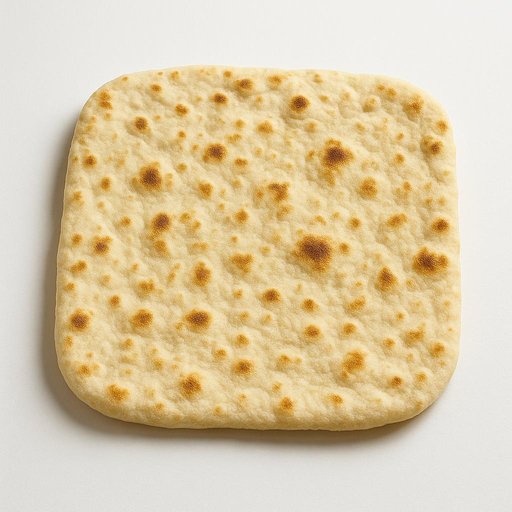
말레이시아 플랫브레드 공급업체 및 가격 — 마켓 오버뷰 2026
원재료
우유, 우유 버터, 분유, 올리브 기름, +3
HS 코드
190590
최종 업데이트
2026-10-02
서치 및 소싱 팀을 위한 핵심 요약
- 말레이시아에 대한 샘플 수출 거래 5건이 요약되어 있습니다.
- 말레이시아의 플랫브레드에 대해 수출 파트너 기업(제조사 포함) 15개와 수입 파트너 기업 7개가 매핑되어 있습니다.
- 수출 파트너 국가 5개와 수입 파트너 국가 5개가 랭킹되어 있습니다.
- 이 페이지 데이터셋의 최신 기준 연도는 2024입니다.
- 페이지 데이터 최종 업데이트일: 2026-10-02.
말레이시아의 플랫브레드 수출 공급업체·제조사 인텔리전스, 가격 동향, 무역 흐름
말레이시아의 플랫브레드에 대해 수출 파트너 기업 15개가 추적됩니다. Supply Chain Intelligence 회사 프로필 및 분석으로 수출업체 커버리지, 파트너 품질, 경로 우선순위를 검증하세요.
말레이시아에서의 플랫브레드 수출 인텔리전스를 확인하세요. 샘플 공급업체 거래 5건, 월간 단가 범위, HS 코드 190590의 파트너 국가 무역 흐름 패턴을 포함합니다.
스캐터 포인트는 전체 거래 데이터셋의 37.9%에서 샘플링되었습니다. 각 점은 실제 거래입니다. 가입하고 확인해 보세요 — 적정한 거래였는지 AI에게 물어볼 수도 있습니다.
말레이시아의 플랫브레드 샘플 수출 공급업체·제조사 거래 기록
말레이시아의 플랫브레드 샘플 거래 5건에는 수출 가격과 공급업체 거래 패턴 벤치마킹을 위한 날짜, 원산지, 파트너 국가 맥락이 포함됩니다.
말레이시아의 플랫브레드 샘플 거래 단가(일자별): 2026-08-21: 3.51 USD / kg, 2026-06-01: 0.91 USD / kg, 2026-06-01: 3.51 USD / kg, 2026-06-01: 3.51 USD / kg, 2026-06-01: 3.51 USD / kg.
| 일자 | 신고 품목 | 단가 | 수출업체 | 수입업체 | |
|---|---|---|---|---|---|
| 2026-08-21 | [빵류* **** ** * **** ** ** *** **** ********** **** **** ***** ***** | 3.51 USD / kg | (말레이시아) | (대한민국) | |
| 2026-06-01 | [빵류* *** *** *********** ***** | 0.91 USD / kg | (말레이시아) | (대한민국) | |
| 2026-06-01 | [빵류* ** * **** ** ** *** **** **************** **** **** ***** ***** | 3.51 USD / kg | (말레이시아) | (대한민국) | |
| 2026-06-01 | [빵류* ** * **** ** ** *** **** **************** **** **** ***** ***** | 3.51 USD / kg | (말레이시아) | (대한민국) | |
| 2026-06-01 | [빵류* ** * **** ** ** *** **** **************** **** **** ***** ***** | 3.51 USD / kg | (말레이시아) | (대한민국) |
이 5건은 샘플입니다 — 트릿지에 가입하고 말레이시아 플랫브레드 거래를 확인하세요
필요한 거래의 수출·수입업체와 가격을 확인하고, 적정한 거래였는지 AI에게 묻고, AI Curation으로 만들어 보세요.
말레이시아의 상위 플랫브레드 수출 공급업체, 제조사 및 기업
선도 수출업체 프로필을 검토하고 말레이시아의 플랫브레드에 대해 추적되는 전체 수출 파트너 기업 15개와 비교하세요. Supply Chain Intelligence 회사 프로필 및 분석으로 소싱 및 수출 파트너를 더 빠르게 선별할 수 있습니다.
(말레이시아)
최근 수출 거래: 2026-09-02
산업군: 식품 제조
밸류체인 역할: 식품 제조
(말레이시아)
최근 수출 거래: 2026-09-02
산업군: 식품 도매, 기타
밸류체인 역할: 유통 / 도매, 무역
(말레이시아)
최근 수출 거래: 2026-09-02
산업군: 식품 제조, 식품 도매
밸류체인 역할: 유통 / 도매, 식품 제조, 무역
(말레이시아)
최근 수출 거래: 2026-09-02
임직원 규모: 직원 101 - 500명
매출액: 매출 USD 1M - 5M
산업군: 식품 제조, 식품 도매, 식료품점, 온라인 리테일 및 풀필먼트
밸류체인 역할: 유통 / 도매, 식품 제조, 소매, 무역
(말레이시아)
최근 수출 거래: 2026-09-02
산업군: 기타
밸류체인 역할: 유통 / 도매
(말레이시아)
최근 수출 거래: 2026-09-02
임직원 규모: 직원 1000명 초과
매출액: 매출 USD 1B 초과
산업군: 음료 제조, 식품 제조, 식품 포장
밸류체인 역할: 유통 / 도매, 식품 제조, 무역
트릿지 아이에서 전체 그림 보기: 가격·거래 전체 이력 · 725,009+ 기업 프로필
말레이시아 수출 파트너 커버리지
15개 기업
총 수출 파트너 기업 수는 말레이시아의 플랫브레드 수출 네트워크 깊이를 보여주는 핵심 신호입니다.
수출업체와 수입업체는 공급망 인텔리전스 기업 프로필 및 분석을 열어 말레이시아 내 플랫브레드 파트너 집중도, 공급 역량 시그널, 무역 관련성을 평가할 수 있습니다.
말레이시아 내 플랫브레드의 연간 수출 금액, 물량 및 공급업체 시장 규모 (HS 코드 190590)
말레이시아의 플랫브레드 수출 물량/금액 3년치를 분석해 공급 측 시장 성장, 계절성, 무역 변동성을 평가하세요.
| 연도 | 물량 | 금액 |
|---|---|---|
| 2024 | 222,824,799 | 727,550,515 USD |
| 2023 | 204,949,114 | 667,155,413 USD |
| 2022 | 197,251,831 | 617,411,117 USD |
말레이시아에서 수출되는 플랫브레드의 주요 수출 대상 시장 (HS 코드 190590) 2024
2024년 기준, 말레이시아발 플랫브레드 수출의 상위 목적지국 5개 전반에서 수출 물량과 금액을 비교하세요.
| 순위 | 국가 | 물량 | 금액 |
|---|---|---|---|
| 1 | 싱가포르 | 67,525,914.916 | 150,865,678.918 USD |
| 2 | 호주 | 22,082,418.88 | 71,549,343.001 USD |
| 3 | 일본 | 15,554,807.57 | 65,473,204.167 USD |
| 4 | 미국 | 12,632,638.53 | 52,654,335.66 USD |
| 5 | 대한민국 | 12,392,042.049 | 50,398,073.361 USD |
소싱 진단
말레이시아산 플랫브레드, 우리도 들여올 수 있을까요?
필요한 스펙과 물량만 알려주세요. 실제로 소싱이 되는지, 어떤 원산지와 공급사가 맞는지 짚어드려요.
무료 진단, 계정 없이 이용 가능합니다.
말레이시아의 플랫브레드 수입 바이어 인텔리전스 및 가격 시그널: 바이어, 수요, 거래 파트너
말레이시아의 플랫브레드에 대해 수입 파트너 기업 7개가 추적됩니다. 수출업체와 수입업체는 Supply Chain Intelligence 회사 프로필 및 분석을 활용해 바이어 수요, 파트너 밀도, 다운스트림 채널을 분석할 수 있습니다.
스캐터 포인트는 전체 거래 데이터셋의 84.8%에서 샘플링되었습니다. 각 점은 실제 거래입니다. 가입하고 확인해 보세요 — 적정한 거래였는지 AI에게 물어볼 수도 있습니다.
플랫브레드의 말레이시아 샘플 수입 거래 및 가격 기록
말레이시아의 플랫브레드 샘플 수입 거래 5건은 가격 수준과 수요 측 거래 패턴 벤치마킹을 위한 날짜, 원산지, 무역 국가 맥락을 제공합니다.
말레이시아의 플랫브레드 샘플 수입 거래 단가(일자별): 2026-08-15: 2.47 USD / kg, 2026-07-29: 2.57 USD / kg, 2026-07-29: 2.47 USD / kg, 2026-07-21: 2.47 USD / kg, 2026-07-08: 2.22 USD / kg.
| 일자 | 신고 품목 | 단가 | 수출업체 | 수입업체 | 원산지 | |
|---|---|---|---|---|---|---|
| 2026-08-15 | ROO** ******* * ****** *** **** ***** ****** ******** **** * *** **** | 2.47 USD / kg | (-) | (-) | - | |
| 2026-07-29 | IND*** ***** ** *** ****** ***** ****************** *** | 2.57 USD / kg | (-) | (-) | - | |
| 2026-07-29 | IND*** ***** ** *** ****** ****** ******* *********** *** | 2.47 USD / kg | (-) | (-) | - | |
| 2026-07-21 | IND*** ***** ** *** ****** ****** **** *********** *** | 2.47 USD / kg | (-) | (-) | - | |
| 2026-07-08 | IND*** ***** ** *** ****** ******** *************** *** | 2.22 USD / kg | (-) | (-) | - |
이 5건은 샘플입니다 — 트릿지에 가입하고 말레이시아 플랫브레드 거래를 확인하세요
필요한 거래의 수출·수입업체와 가격을 확인하고, 적정한 거래였는지 AI에게 묻고, AI Curation으로 만들어 보세요.
말레이시아 내 상위 플랫브레드 바이어, 수입업체 및 수요 파트너
선도 바이어 프로필을 검토하고 말레이시아의 플랫브레드에 대해 추적되는 전체 수입 파트너 기업 7개와 비교하세요. 수출업체와 수입업체는 Supply Chain Intelligence 회사 프로필 및 분석으로 수요 측 파트너 적합도를 평가할 수 있습니다.
(말레이시아)
최근 수입 거래: 2026-09-02
임직원 규모: 직원 51 - 100명
산업군: 식품 제조, 식품 포장
밸류체인 역할: 유통 / 도매, 식품 제조
(말레이시아)
최근 수입 거래: 2026-09-02
임직원 규모: 직원 1000명 초과
매출액: 매출 USD 50M - 100M
산업군: 음료 제조, 식품 제조
밸류체인 역할: 유통 / 도매, 식품 제조
(말레이시아)
최근 수입 거래: 2026-09-02
임직원 규모: 직원 101 - 500명
산업군: 식품 제조
밸류체인 역할: 식품 제조
(말레이시아)
최근 수입 거래: 2026-09-02
산업군: 식품 제조
밸류체인 역할: 식품 제조
(말레이시아)
최근 수입 거래: 2026-09-02
최근 수입 파트너 기업: 1
임직원 규모: 직원 101 - 500명
매출액: 매출 USD 5M - 10M
산업군: 식품 제조
밸류체인 역할: 식품 제조, 무역
(말레이시아)
최근 수입 거래: 2026-09-02
임직원 규모: 직원 101 - 500명
산업군: 식품 제조, 식음료 서비스업
밸류체인 역할: 유통 / 도매, 식품 제조
트릿지 아이에서 전체 그림 보기: 가격·거래 전체 이력 · 725,009+ 기업 프로필
말레이시아 수입 파트너 커버리지
7개 기업
수입 파트너 기업 수는 말레이시아의 플랫브레드 수요 측 가시성을 보여줍니다.
공급망 인텔리전스 분석과 기업 프로필을 활용해 말레이시아에서 활동 중인 플랫브레드 수입업체, 유통업체, 바이어 네트워크를 식별하세요.
말레이시아 내 플랫브레드의 연간 수입 금액, 물량 및 수요 규모 (HS 코드 190590)
말레이시아의 플랫브레드 수입 물량/금액 2년치를 추적해 수요 성장과 시장 모멘텀을 평가하세요.
| 연도 | 물량 | 금액 |
|---|---|---|
| 2024 | 67,302,119 | 115,899,033 USD |
| 2022 | 32,989,607 | 76,942,039 USD |
말레이시아에 플랫브레드를 공급하는 주요 원산지 공급국 (HS 코드 190590) 2024
2024년 기준, 말레이시아로 플랫브레드를 공급하는 상위 원산 공급국 5개 전반의 수입 물량과 금액을 비교하세요.
| 순위 | 국가 | 물량 | 금액 |
|---|---|---|---|
| 1 | 중국 | 24,609,358.97 | 34,672,205.127 USD |
| 2 | 인도네시아 | 13,980,578.27 | 18,920,341.728 USD |
| 3 | 태국 | 3,905,173.18 | 10,538,706.128 USD |
| 4 | 싱가포르 | 3,774,176.77 | 7,551,047.206 USD |
| 5 | 일본 | 1,475,550.59 | 6,010,922.687 USD |
수출 진단
우리 플랫브레드, 이 말레이시아 바이어들에게 팔 수 있을까요?
만드시는 제품만 알려주시면 됩니다. 지금 수출할 준비가 됐는지, 어느 시장이 맞는지 봐드려요.
무료 진단, 계정 없이 이용 가능합니다.
가격 데이터
말레이시아 플랫브레드 가격, 어디까지 필요하세요?
전체 가격 히스토리와 경쟁사 벤치마크를 열어드립니다. 어떤 숫자가 필요하신지만 말씀해 주시면 함께 살펴봐 드려요.
Classification
Product TypeProcessed Food
Product FormBaked (freshly prepared, ambient packaged, or frozen)
Industry PositionProcessed Bakery Product
Market
Flatbread in Malaysia spans freshly prepared foodservice items and packaged retail products (ambient or frozen) supplied by domestic manufacturers and imports. Market access for imported flatbread is driven mainly by compliance with Malaysia’s Food Act 1983 and Food Regulations 1985, with import clearance managed at points of entry via the Ministry of Health’s FoSIM system. Products marketed as halal are subject to Malaysia’s Trade Descriptions (Halal-related) orders, and improper halal descriptions or markings can trigger enforcement action. Year-round availability is typical because supply is manufacturing- and logistics-driven rather than seasonal farming-driven.
Market RoleDomestic consumer market with significant local production and supplementary imports
Domestic RoleEveryday staple bakery/carbohydrate accompaniment across retail and foodservice channels
SeasonalityYear-round availability; supply is driven by manufacturing output and import logistics rather than harvest seasonality.
Specification
Physical Attributes
- Uniform diameter/shape and controlled thickness for consistent heating and portioning
- Softness/flexibility (low cracking) for wrap-style products
- Low visible scorching/black spots beyond acceptable buyer limits
Compositional Metrics
- Moisture control to manage mold risk in ambient products and freezer burn risk in frozen products
Packaging
- Primary pack with clear storage instructions (ambient/chilled/frozen) and date marking
- Moisture and oxygen management packaging to reduce staling and mold growth in ambient products
- Frozen formats typically require packaging designed to limit freezer burn and physical breakage
Supply Chain
Value Chain
- Ingredient sourcing (wheat flour, fats/oils, salt, improvers) → dough mixing → resting/proofing (as applicable) → sheeting/portioning → baking (oven or hot-plate) → cooling → (optional) blast freezing → packaging → distribution to retail/foodservice
Temperature
- Ambient packaged flatbread quality and safety depend on controlling post-bake cooling and avoiding condensation in packs
- Frozen flatbread requires maintained frozen temperatures through storage and transport to protect texture and shelf life
Atmosphere Control
- Seal integrity and headspace management reduce staling and mold risk for ambient packaged products
Shelf Life
- Ambient packaged flatbread is sensitive to mold growth and staling if packaging or storage conditions are inadequate
- Frozen formats extend shelf life but are sensitive to freezer burn and thaw–refreeze damage
Freight IntensityMedium
Transport ModeMultimodal
Risks
Regulatory Compliance HighIf flatbread is marketed or labeled as halal without meeting Malaysia’s halal-related trade description requirements, it can trigger enforcement action, product withdrawal, and loss of access to key retail/foodservice channels.Do not use halal claims or halal markings unless supported by appropriate certification/recognition; implement a halal assurance system covering ingredients (including processing aids) and packaging/artwork approval.
Regulatory Compliance MediumNon-compliance with Malaysia’s Food Regulations 1985 (including labeling and applicable standards) can result in shipment detention, rejection, or corrective relabeling requirements at entry.Run a pre-shipment label and formulation compliance review against Food Regulations 1985, and align documents (invoice, packing list, product description) with FoSIM and customs declarations.
Food Safety MediumAmbient packaged flatbread is vulnerable to mold growth and quality deterioration if cooling, packaging integrity, or storage conditions are inadequate; frozen products are vulnerable to thaw–refreeze damage.Validate shelf-life with local distribution conditions, enforce post-bake cooling controls to prevent condensation, and apply cold-chain controls for frozen formats with temperature logging.
Logistics MediumPoint-of-entry delays or documentation gaps can increase quality losses (especially for chilled/frozen consignments) and raise demurrage/cold storage costs.Use an experienced Malaysia broker/agent registered in FoSIM, confirm any required supporting certificates (HC/CoA/licenses) before dispatch, and plan buffer time for risk-based inspection outcomes.
Sustainability
- Packaging waste management for high-frequency, small-pack bakery products
- Food waste risk from short shelf life when ambient packaged products face delays or inadequate storage
Standards
- MeSTI (MOH Malaysia food safety assurance scheme)
- HACCP
- GMP
- ISO 22000
FAQ
Do I need an import permit to bring packaged flatbread into Malaysia?Malaysia’s Ministry of Health states that food imports under the Food Act 1983 and its subsidiary regulations are generally not subject to an import permit. However, imports are cleared at the point of entry through the FoSIM system, and some food categories may still require additional supporting documents such as a health certificate, certificate of analysis, or a license depending on the product’s risk controls.
What are the key compliance rules for selling flatbread in Malaysia?Packaged flatbread must comply with Malaysia’s Food Regulations 1985, including applicable standards and labeling requirements, and is enforced under the Food Act 1983. If the product is marketed or described as halal, it must also comply with Malaysia’s halal-related trade description requirements—halal claims and markings should only be used when properly supported.
When is a halal certificate necessary for flatbread in Malaysia?A halal certificate (or recognised halal status) becomes necessary when you want to market or describe the product as halal in Malaysia. Malaysia’s trade description rules set requirements for halal claims, and halal status information can be checked through JAKIM’s halal directory resources.
Sources


수출·소싱 진단
말레이시아 플랫브레드, 사는 쪽이세요 파는 쪽이세요?
어느 쪽이든 몇 가지만 답해주시면 됩니다. 어디서 살 수 있는지, 누구에게 팔 수 있는지 정리해서 보내드릴게요.
무료 진단, 계정 없이 이용 가능합니다.
'쿠키 허용'을 클릭하면 통계 및 개인 선호도 산출을 위한 쿠키 제공에 동의하게 됩니다.
개인정보 보호정책에서 쿠키에 대한 자세한 내용을 확인할 수 있습니다.