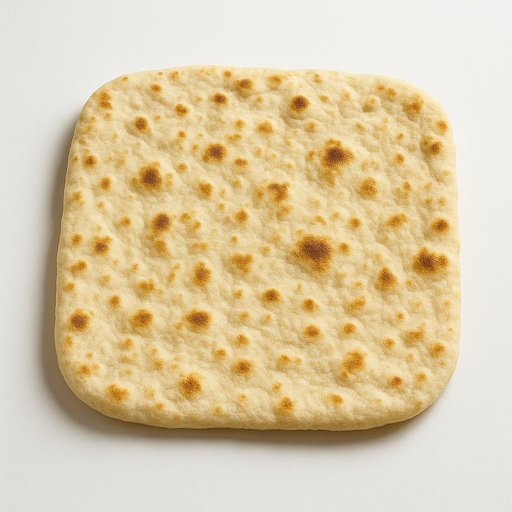
이스라엘 플랫브레드 공급업체 및 가격 — 마켓 오버뷰 2026
원재료
우유, 우유 버터, 분유, 올리브 기름, +3
HS 코드
190590
최종 업데이트
2026-09-27
서치 및 소싱 팀을 위한 핵심 요약
- 이스라엘에 대한 샘플 수출 거래 5건이 요약되어 있습니다.
- 이스라엘의 플랫브레드에 대해 수출 파트너 기업(제조사 포함) 19개와 수입 파트너 기업 30개가 매핑되어 있습니다.
- 수출 파트너 국가 5개와 수입 파트너 국가 5개가 랭킹되어 있습니다.
- 이 페이지 데이터셋의 최신 기준 연도는 2024입니다.
- 페이지 데이터 최종 업데이트일: 2026-09-27.
이스라엘의 플랫브레드 수출 공급업체·제조사 인텔리전스, 가격 동향, 무역 흐름
이스라엘의 플랫브레드에 대해 수출 파트너 기업 19개가 추적됩니다. Supply Chain Intelligence 회사 프로필 및 분석으로 수출업체 커버리지, 파트너 품질, 경로 우선순위를 검증하세요.
이스라엘에서의 플랫브레드 수출 인텔리전스를 확인하세요. 샘플 공급업체 거래 5건, 월간 단가 범위, HS 코드 190590의 파트너 국가 무역 흐름 패턴을 포함합니다.
스캐터 포인트는 전체 거래 데이터셋의 16.8%에서 샘플링되었습니다. 각 점은 실제 거래입니다. 가입하고 확인해 보세요 — 적정한 거래였는지 AI에게 물어볼 수도 있습니다.
이스라엘의 플랫브레드 샘플 수출 공급업체·제조사 거래 기록
이스라엘의 플랫브레드 샘플 거래 5건에는 수출 가격과 공급업체 거래 패턴 벤치마킹을 위한 날짜, 원산지, 파트너 국가 맥락이 포함됩니다.
이스라엘의 플랫브레드 샘플 거래 단가(일자별): 2026-02-27: 3.50 USD / kg, 2026-02-11: 4.08 USD / kg, 2026-02-08: 4.08 USD / kg, 2026-02-08: 4.08 USD / kg, 2026-02-08: 4.08 USD / kg.
| 일자 | 신고 품목 | 단가 | 수출업체 | 수입업체 | |
|---|---|---|---|---|---|
| 2026-02-27 | CAR**** ** **** *** ***** ******* **** ******* ** **** *** ***** ********* ****** ** ******* *********** ******** **** ** *** **** *** **** ** *** | 3.50 USD / kg | (이스라엘) | (미국) | |
| 2026-02-11 | , C****** ** ****** ** ****** ******* ** ****** ** ***** | 4.08 USD / kg | (이스라엘) | (미국) | |
| 2026-02-08 | CAR**** ** **** *** * ***** ******** *** ** ******* ** **** *** * ***** ******** *** * | 4.08 USD / kg | (이스라엘) | (미국) | |
| 2026-02-08 | OF **** *** ***** ******* **** | 4.08 USD / kg | (이스라엘) | (미국) | |
| 2026-02-08 | CAR**** ** **** *** * ***** ******** *** * | 4.08 USD / kg | (이스라엘) | (미국) |
이 5건은 샘플입니다 — 트릿지에 가입하고 이스라엘 플랫브레드 거래를 확인하세요
필요한 거래의 수출·수입업체와 가격을 확인하고, 적정한 거래였는지 AI에게 묻고, AI Curation으로 만들어 보세요.
이스라엘의 상위 플랫브레드 수출 공급업체, 제조사 및 기업
선도 수출업체 프로필을 검토하고 이스라엘의 플랫브레드에 대해 추적되는 전체 수출 파트너 기업 19개와 비교하세요. Supply Chain Intelligence 회사 프로필 및 분석으로 소싱 및 수출 파트너를 더 빠르게 선별할 수 있습니다.
(이스라엘)
최근 수출 거래: 2026-08-27
최근 수출 파트너 기업: 1
산업군: 식품 도매
밸류체인 역할: 유통 / 도매
(이스라엘)
최근 수출 거래: 2026-08-27
최근 수출 파트너 기업: 1
임직원 규모: 직원 11 - 50명
매출액: 매출 USD 1M - 5M
산업군: 식품 제조, 식품 도매
밸류체인 역할: 유통 / 도매, 식품 제조
(이스라엘)
최근 수출 거래: 2026-08-27
최근 수출 파트너 기업: 1
산업군: 음료 제조, 식품 제조, 식음료 서비스업, 기타
밸류체인 역할: 유통 / 도매, 식품 제조, 무역
(이스라엘)
최근 수출 거래: 2026-08-27
임직원 규모: 직원 101 - 500명
산업군: 음료 제조, 식품 제조, 식품 포장, 식음료 서비스업, 식품 도매
밸류체인 역할: 유통 / 도매, 농업 / 생산 / 가공 / 포장, 식품 제조, 소매
(이스라엘)
최근 수출 거래: 2026-08-27
최근 수출 파트너 기업: 1
산업군: 식품 도매
밸류체인 역할: 유통 / 도매, 소매
(이스라엘)
최근 수출 거래: 2026-08-27
산업군: 음료 제조, 식품 제조, 식품 포장
밸류체인 역할: 유통 / 도매, 무역
트릿지 아이에서 전체 그림 보기: 가격·거래 전체 이력 · 725,009+ 기업 프로필
이스라엘 수출 파트너 커버리지
19개 기업
총 수출 파트너 기업 수는 이스라엘의 플랫브레드 수출 네트워크 깊이를 보여주는 핵심 신호입니다.
수출업체와 수입업체는 공급망 인텔리전스 기업 프로필 및 분석을 열어 이스라엘 내 플랫브레드 파트너 집중도, 공급 역량 시그널, 무역 관련성을 평가할 수 있습니다.
이스라엘 내 플랫브레드의 연간 수출 금액, 물량 및 공급업체 시장 규모 (HS 코드 190590)
이스라엘의 플랫브레드 수출 물량/금액 3년치를 분석해 공급 측 시장 성장, 계절성, 무역 변동성을 평가하세요.
| 연도 | 물량 | 금액 |
|---|---|---|
| 2024 | 37,148,607 | 148,941,000 USD |
| 2023 | 26,796,315 | 107,735,745 USD |
| 2022 | 32,078,266 | 110,253,000 USD |
이스라엘에서 수출되는 플랫브레드의 주요 수출 대상 시장 (HS 코드 190590) 2024
2024년 기준, 이스라엘발 플랫브레드 수출의 상위 목적지국 5개 전반에서 수출 물량과 금액을 비교하세요.
| 순위 | 국가 | 물량 | 금액 |
|---|---|---|---|
| 1 | 미국 | 25,008,422.304 | 100,267,000 USD |
| 2 | 영국 | 2,081,894.352 | 8,347,000 USD |
| 3 | 프랑스 | 1,429,665.559 | 5,732,000 USD |
| 4 | 호주 | 1,290,490.161 | 5,174,000 USD |
| 5 | 네덜란드 | 1,276,772.156 | 5,119,000 USD |
소싱 진단
이스라엘산 플랫브레드, 우리도 들여올 수 있을까요?
필요한 스펙과 물량만 알려주세요. 실제로 소싱이 되는지, 어떤 원산지와 공급사가 맞는지 짚어드려요.
무료 진단, 계정 없이 이용 가능합니다.
이스라엘의 플랫브레드 수입 바이어 인텔리전스 및 가격 시그널: 바이어, 수요, 거래 파트너
이스라엘의 플랫브레드에 대해 수입 파트너 기업 30개가 추적됩니다. 수출업체와 수입업체는 Supply Chain Intelligence 회사 프로필 및 분석을 활용해 바이어 수요, 파트너 밀도, 다운스트림 채널을 분석할 수 있습니다.
스캐터 포인트는 전체 거래 데이터셋의 100.0%에서 샘플링되었습니다. 각 점은 실제 거래입니다. 가입하고 확인해 보세요 — 적정한 거래였는지 AI에게 물어볼 수도 있습니다.
플랫브레드의 이스라엘 샘플 수입 거래 및 가격 기록
이스라엘의 플랫브레드 샘플 수입 거래 1건은 가격 수준과 수요 측 거래 패턴 벤치마킹을 위한 날짜, 원산지, 무역 국가 맥락을 제공합니다.
이스라엘의 플랫브레드 샘플 수입 거래 단가(일자별): 2025-09-03: 4.96 USD / kg.
| 일자 | 신고 품목 | 단가 | 수출업체 | 수입업체 | 원산지 | |
|---|---|---|---|---|---|---|
| 2025-09-03 | IND*** ***** * * ****** ***** ** *** **** | 4.96 USD / kg | (-) | (-) | - |
이 1건은 샘플입니다 — 트릿지에 가입하고 이스라엘 플랫브레드 거래를 확인하세요
필요한 거래의 수출·수입업체와 가격을 확인하고, 적정한 거래였는지 AI에게 묻고, AI Curation으로 만들어 보세요.
이스라엘 내 상위 플랫브레드 바이어, 수입업체 및 수요 파트너
선도 바이어 프로필을 검토하고 이스라엘의 플랫브레드에 대해 추적되는 전체 수입 파트너 기업 30개와 비교하세요. 수출업체와 수입업체는 Supply Chain Intelligence 회사 프로필 및 분석으로 수요 측 파트너 적합도를 평가할 수 있습니다.
(이스라엘)
최근 수입 거래: 2026-08-27
산업군: 식품 제조, 기타
밸류체인 역할: 유통 / 도매, 식품 제조
(이스라엘)
최근 수입 거래: 2026-08-27
산업군: 작물 생산, 식품 제조, 식품 포장, 식품 도매
밸류체인 역할: 유통 / 도매, 농업 / 생산 / 가공 / 포장
(이스라엘)
최근 수입 거래: 2026-08-27
산업군: 식품 제조
밸류체인 역할: 식품 제조
(이스라엘)
최근 수입 거래: 2026-08-27
산업군: 식품 제조, 식품 포장
밸류체인 역할: 유통 / 도매, 식품 제조
(이스라엘)
최근 수입 거래: 2026-08-27
산업군: 작물 생산, 식품 제조, 식품 포장
밸류체인 역할: 유통 / 도매, 농업 / 생산 / 가공 / 포장, 식품 제조, 무역
(이스라엘)
최근 수입 거래: 2026-08-27
최근 수입 파트너 기업: 1
임직원 규모: 직원 11 - 50명
매출액: 매출 USD 1M - 5M
산업군: 식품 제조, 식품 도매
밸류체인 역할: 유통 / 도매, 식품 제조
트릿지 아이에서 전체 그림 보기: 가격·거래 전체 이력 · 725,009+ 기업 프로필
이스라엘 수입 파트너 커버리지
30개 기업
수입 파트너 기업 수는 이스라엘의 플랫브레드 수요 측 가시성을 보여줍니다.
공급망 인텔리전스 분석과 기업 프로필을 활용해 이스라엘에서 활동 중인 플랫브레드 수입업체, 유통업체, 바이어 네트워크를 식별하세요.
이스라엘 내 플랫브레드의 연간 수입 금액, 물량 및 수요 규모 (HS 코드 190590)
이스라엘의 플랫브레드 수입 물량/금액 3년치를 추적해 수요 성장과 시장 모멘텀을 평가하세요.
| 연도 | 물량 | 금액 |
|---|---|---|
| 2024 | 33,029,977 | 138,245,000 USD |
| 2023 | 29,660,318 | 126,215,440 USD |
| 2022 | 29,944,603 | 112,977,000 USD |
이스라엘에 플랫브레드를 공급하는 주요 원산지 공급국 (HS 코드 190590) 2024
2024년 기준, 이스라엘로 플랫브레드를 공급하는 상위 원산 공급국 5개 전반의 수입 물량과 금액을 비교하세요.
| 순위 | 국가 | 물량 | 금액 |
|---|---|---|---|
| 1 | 이탈리아 | 9,168,688.574 | 38,375,000 USD |
| 2 | 미국 | 6,315,225.443 | 26,432,000 USD |
| 3 | 스페인 | 3,720,755.366 | 15,573,000 USD |
| 4 | 터키 | 2,323,769.774 | 9,726,000 USD |
| 5 | 독일 | 1,873,160.089 | 7,840,000 USD |
수출 진단
우리 플랫브레드, 이 이스라엘 바이어들에게 팔 수 있을까요?
만드시는 제품만 알려주시면 됩니다. 지금 수출할 준비가 됐는지, 어느 시장이 맞는지 봐드려요.
무료 진단, 계정 없이 이용 가능합니다.
가격 데이터
이스라엘 플랫브레드 가격, 어디까지 필요하세요?
전체 가격 히스토리와 경쟁사 벤치마크를 열어드립니다. 어떤 숫자가 필요하신지만 말씀해 주시면 함께 살펴봐 드려요.
Classification
Product TypeProcessed Food
Product FormBaked
Industry PositionPackaged Bakery Product
Market
Flatbread (notably pita-style bread) is a mainstream staple in Israel, supplied largely through domestic industrial bakeries alongside smaller local bakeries. Israel is import-dependent for key upstream cereals, including milling wheat, which links flatbread input costs to global grain and freight conditions. Importing packaged flatbread into Israel requires National Food Services approvals and shipment release/inspection steps at ports and other border points. Packaged foods that exceed Ministry of Health thresholds for sodium, sugar, or saturated fat require red warning symbols on labels, which is relevant for many bakery items depending on formulation.
Market RoleDomestic consumption market with significant domestic industrial baking; import-dependent for milling wheat inputs
Domestic RoleEveryday staple in household and foodservice consumption; produced domestically and distributed nationwide
SeasonalityYear-round availability supported by continuous industrial bakery production and daily distribution.
Specification
Primary VarietyPita-style flatbread
Secondary Variety
- Mini pita (snack-size)
- Whole-wheat pita/flatbread variants
Physical Attributes
- Soft baked flatbread intended for filling (pocket-style in pita variants).
- Pack-size variants (e.g., multi-unit family packs) are common in retail.
Compositional Metrics
- Ingredient lists commonly include wheat flour (gluten) and yeast; some SKUs include raising agents and preservatives depending on shelf-life needs.
- Example label disclosure (Berman 'Pita Bis' SKU): sodium is declared (e.g., 276 mg/100g on the published nutrition panel).
Packaging
- Multi-unit consumer packs (e.g., 10-count packs).
Supply Chain
Value Chain
- Wheat flour procurement (often import-linked) → mixing → fermentation/proofing → dividing/rounding → high-temperature baking → cooling → packaging with batch/expiry labeling → retail/foodservice distribution
Shelf Life
- Shelf-life depends on formulation and packaging; some packaged flatbread SKUs include preservatives to extend shelf stability.
Freight IntensityHigh
Transport ModeSea
Risks
Security And Logistics HighRegional security shocks and maritime route disruption (including Red Sea impacts) can severely disrupt Israel-bound shipping, affecting upstream grain flows and raising costs or causing delays for both ingredients and any imported finished flatbread.Maintain diversified grain and ingredient sourcing, hold strategic safety stock of key inputs (flour/wheat-based), and plan routing flexibility via Mediterranean ports and alternative shipping schedules.
Logistics MediumFreight rate volatility and longer voyage times during regional disruptions can compress margins for imported packaged flatbread and increase input costs for domestic producers reliant on imported milling wheat.Use indexed freight clauses where possible, diversify carriers/routes, and hedge key wheat/flour exposure where commercially feasible.
Regulatory Compliance MediumNon-compliance with Ministry of Health import approvals, quarantine station release steps, or document/label requirements can delay shipment release or block customs release.Pre-validate importer registration status, product declarations/approvals, and label artwork/document packs before shipping; use an experienced customs broker familiar with MOH quarantine station processes.
Food Safety MediumAllergen and contamination risks (e.g., wheat/gluten and potential sesame cross-contact) and mislabeling issues are material for flatbread; labeling problems can trigger consumer complaints and enforcement actions.Implement robust allergen control programs and verify that ingredient/allergen statements and nutrition labeling meet Israel requirements before placing goods on the market.
Sustainability
- Food security exposure from reliance on imported milling wheat and other grains
- Packaging waste and plastic reduction expectations in modern retail (varies by buyer)
FAQ
What are the main government steps to import packaged flatbread into Israel?Importers generally need National Food Services approval (including an importer registration certificate) and must follow the plant-based food shipment release process through Ministry of Health quarantine stations, which can include inspection and laboratory testing before customs release.
When do Israel’s red warning symbols apply to packaged flatbread products?From January 2020, packaged foods that exceed Ministry of Health thresholds for sodium, sugars, or saturated fat must carry red warning symbols. Whether a specific flatbread SKU requires the symbol depends on its declared nutrition values.
Is kosher certification relevant for flatbread sold in Israel?Yes. Many mainstream flatbread products are marketed with kosher certification for broad domestic channel access; for example, a Berman pita SKU is published with a Badatz Eda Haredit kosher designation.
Sources


수출·소싱 진단
이스라엘 플랫브레드, 사는 쪽이세요 파는 쪽이세요?
어느 쪽이든 몇 가지만 답해주시면 됩니다. 어디서 살 수 있는지, 누구에게 팔 수 있는지 정리해서 보내드릴게요.
무료 진단, 계정 없이 이용 가능합니다.
'쿠키 허용'을 클릭하면 통계 및 개인 선호도 산출을 위한 쿠키 제공에 동의하게 됩니다.
개인정보 보호정책에서 쿠키에 대한 자세한 내용을 확인할 수 있습니다.