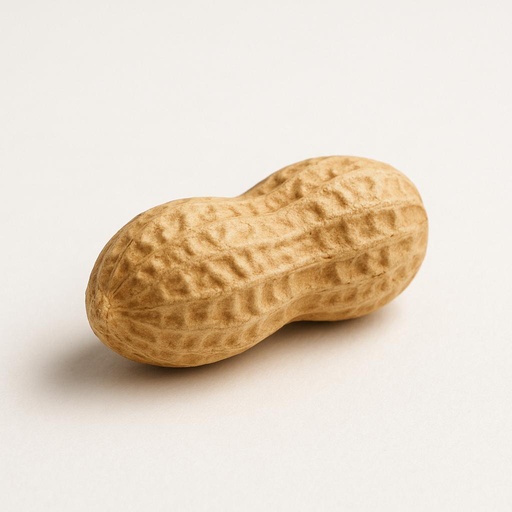
In-shell Runner Raw Peanut Suppliers, Trade & Prices — Market Overview 2026
Parent Product
In-shell Raw Peanut
Last Updated
2026-10-19
Key takeaways for search and sourcing teams
- In-shell Runner Raw Peanut market coverage spans 27 countries.
- 140 exporter companies and 229 importer companies are indexed in the global supply chain intelligence network for this product.
- 138 supplier-linked transactions are summarized across the top 8 countries.
- Page data last updated on 2026-10-19.
Global Supplier Transactions, Export Activity, and Price Benchmarks for In-shell Runner Raw Peanut
Analyze 138 supplier-linked transactions across the top 8 countries, with monthly unit-price benchmarks to track export competitiveness and sourcing risk for In-shell Runner Raw Peanut.
In-shell Runner Raw Peanut Country YoY Change in Supplier Transactions and Export Momentum
Compare positive and negative YoY shifts in In-shell Runner Raw Peanut to identify accelerating supplier markets and weakening export corridors.
Top YoY shifts for In-shell Runner Raw Peanut: Argentina (-47.0%), United States (-18.2%), Brazil (+5.5%).
In-shell Runner Raw Peanut Country-Level Supplier Transaction and Unit Price Summary
As of 2025-11, benchmark In-shell Runner Raw Peanut country transaction counts with monthly unit price and volume to prioritize supplier and export markets.
In 2026-04, countries with visible In-shell Runner Raw Peanut transaction unit prices: Mexico (2.35 USD / kg), India (1.11 USD / kg).
| Country | YoY Change | Transaction Count | 2025-11 | 2025-12 | 2026-01 | 2026-02 | 2026-03 | 2026-04 | 2026-05 | 2026-06 | 2026-07 | 2026-08 | 2026-09 | 2026-10 |
|---|---|---|---|---|---|---|---|---|---|---|---|---|---|---|
| India | -3.6% | 46 | - (-) | 1.16 USD / kg (50,000 kg) | 1.03 USD / kg (567,599.998 kg) | 0.95 USD / kg (54,000 kg) | 1.02 USD / kg (229,000 kg) | 1.11 USD / kg (50,000 kg) | ||||||
| United States | -18.2% | 63 | 1.37 USD / kg (379,208.412 kg) | 1.35 USD / kg (818,292.523 kg) | - (-) | - (-) | - (-) | - (-) | ||||||
| Brazil | +5.5% | 7 | - (-) | - (-) | - (-) | 1.65 USD / kg (24,880 kg) | - (-) | - (-) | ||||||
| Mexico | +5.1% | 9 | - (-) | 2.35 USD / kg (139,300 kg) | - (-) | - (-) | - (-) | 2.35 USD / kg (39,800 kg) | ||||||
| Denmark | - | 2 | 1.23 USD / kg (25,000 kg) | - (-) | - (-) | - (-) | 1.26 USD / kg (25,000 kg) | - (-) | ||||||
| China | -4.2% | 5 | - (-) | 2.48 USD / kg (31,381 kg) | - (-) | - (-) | - (-) | - (-) | ||||||
| Bolivia | - | 2 | - (-) | 1.02 USD / kg (96,192 kg) | - (-) | - (-) | - (-) | - (-) | ||||||
| Argentina | -47.0% | 4 | 0.48 USD / kg (49,820 kg) | - (-) | - (-) | - (-) | - (-) | - (-) |
In-shell Runner Raw Peanut Global Supply Chain Coverage
369 companies
140 exporters and 229 importers are mapped for In-shell Runner Raw Peanut.
Exporters and importers can use Tridge Supply Chain Intelligence company profiles and analytics to identify counterparties for In-shell Runner Raw Peanut, benchmark reach, and prioritize outreach by market.
In-shell Runner Raw Peanut Export Supplier Intelligence, Trade Flows, and Price Signals
140 exporter companies are mapped in Tridge Supply Chain Intelligence for In-shell Runner Raw Peanut. Exporters and importers can use company profiles and analytics to evaluate supplier coverage, trading activity, and route opportunities.
In-shell Runner Raw Peanut Top Exporters and Supplier Profiles
Review leading exporter profiles while benchmarking against 140 total exporter companies in the In-shell Runner Raw Peanut supply chain intelligence network. Exporters and importers can unlock company profiles and analytics to qualify partners faster.
(United States)
Latest Export Transaction: 2025-12-26
Recently Export Partner Companies: 2
Employee Size: Over 1000 Employees
Industries: Crop Production, Food Manufacturing
Value Chain Roles: Distribution / Wholesale, Farming / Production / Processing / Packing, Food Manufacturing
Exporting Countries: Portugal, Poland, Spain, Germany, Vietnam, Costa Rica, Mexico
Supplying Products: Raw Peanuts, Roasted Peanuts, Raw Cashew Nut +5
(Brazil)
Latest Export Transaction: 2026-09-19
Recently Export Partner Companies: 32
Employee Size: Over 1000 Employees
Industries: Beverage Manufacturing, Crop Production, Food Manufacturing, Food Packaging, Food Wholesalers, Others
Value Chain Roles: Distribution / Wholesale, Farming / Production / Processing / Packing, Food Manufacturing, Trade
Exporting Countries: Estonia, Colombia, Morocco, Turkiye, Netherlands, Spain, Germany, United States, Ukraine, Russia
Supplying Products: Raw Peanuts, Shelled Raw Peanut, In-shell Raw Peanut +5
(Singapore)
Latest Export Transaction: 2025-12-26
Recently Export Partner Companies: 1
Employee Size: Over 1000 Employees
Sales Revenue: USD Over 1B
Industries: Crop Production, Food Manufacturing
Value Chain Roles: Trade
Exporting Countries: Ukraine, Colombia, Mexico
Supplying Products: Raw Peanuts, Shelled Raw Peanut, In-shell Raw Peanut +4
(Mexico)
Latest Export Transaction: 2026-04-06
Recently Export Partner Companies: 2
Employee Size: Over 1000 Employees
Sales Revenue: USD Over 1B
Industries: Beverage Manufacturing, Food Manufacturing, Food Services And Drinking Places, Others
Value Chain Roles: Distribution / Wholesale, Food Manufacturing, Retail
Exporting Countries: Colombia, United Kingdom, Germany, Netherlands, Canada, United States
Supplying Products: Roasted Peanuts, Raw Peanuts, Peanut Butter +5
(Mexico)
Latest Export Transaction: 2026-09-19
Recently Export Partner Companies: 2
Employee Size: Over 1000 Employees
Sales Revenue: USD Over 1B
Industries: Beverage Manufacturing, Food Manufacturing, Food Packaging, Food Services And Drinking Places, Others
Value Chain Roles: Distribution / Wholesale, Food Manufacturing, Retail
Exporting Countries: France, United Kingdom, Guatemala, China, Netherlands, Japan, Spain, Switzerland, Canada, United States
Supplying Products: Fresh Mango, Fresh Avocado, Tequila +5
(Brazil)
Latest Export Transaction: 2026-09-19
Recently Export Partner Companies: 14
Employee Size: 11 - 50 Employees
Industries: Beverage Manufacturing, Crop Production, Food Manufacturing, Food Packaging
Value Chain Roles: Distribution / Wholesale, Farming / Production / Processing / Packing, Food Manufacturing, Logistics, Trade
Exporting Countries: Estonia, Colombia, Ukraine, United States, Mexico, China, Spain, Morocco, Algeria, Russia
Supplying Products: Raw Peanuts, Peanut Oil, Raw Hazelnut +5
See the full picture in Tridge Eye: full price and trade history · 725,009+ company profiles
In-shell Runner Raw Peanut Global Exporter Coverage
140 companies
Exporter company count is a key signal for In-shell Runner Raw Peanut supply depth and sourcing optionality.
Use Supply Chain Intelligence analytics to narrow In-shell Runner Raw Peanut opportunities by country, product, and value-chain role, then open company profiles to validate fit.
Tridge Ark · Sourcing Feasibility Check
Where should you be sourcing In-shell Runner Raw Peanut from?
Just tell us your spec and the volume you need. We'll check whether it's actually sourceable, and which origins and suppliers fit.
Free feasibility check, no account required.
In-shell Runner Raw Peanut Import Buyer Intelligence, Demand Signals, and Price Benchmarks
229 importer companies are mapped for In-shell Runner Raw Peanut demand intelligence. Use Supply Chain Intelligence company profiles and analytics to prioritize buyers, distributors, and downstream demand partners by market.
In-shell Runner Raw Peanut Top Buyers, Importers, and Demand Partners
Review leading buyer profiles and compare them against 229 total importer companies tracked for In-shell Runner Raw Peanut. Exporters and importers can use Supply Chain Intelligence company profiles and analytics to evaluate buyer quality and demand concentration.
(Mexico)
Latest Import Transaction: 2026-07-31
Recently Import Partner Companies: 1
Employee Size: Over 1000 Employees
Industries: Food Manufacturing
Value Chain Roles: Guatemala, Chile, Ecuador, Peru, Colombia, Argentina, El Salvador, Canada, United Arab Emirates, United States
(Estonia)
Latest Import Transaction: 2026-09-19
Recently Import Partner Companies: 1
Employee Size: 11 - 50 Employees
Sales Revenue: USD 5M - 10M
Industries: Others
Value Chain Roles: -
(Algeria)
Latest Import Transaction: 2026-09-19
Recently Import Partner Companies: 1
Industries: Food Wholesalers
Value Chain Roles: -
(United States)
Latest Import Transaction: 2025-12-15
Recently Import Partner Companies: 1
Employee Size: Over 1000 Employees
Sales Revenue: USD 50M - 100M
Industries: Food Manufacturing, Food Packaging, Food Services And Drinking Places
Value Chain Roles: Mexico, South Korea
(South Africa)
Latest Import Transaction: 2026-09-19
Recently Import Partner Companies: 1
Industries: Food Manufacturing
Value Chain Roles: South Africa, Lesotho, Namibia
(Estonia)
Latest Import Transaction: 2026-09-19
Recently Import Partner Companies: 1
Industries: Food Manufacturing, Freight Forwarding And Intermodal
Value Chain Roles: Estonia, Ukraine, Kazakhstan, Russia
See the full picture in Tridge Eye: full price and trade history · 725,009+ company profiles
Global Importer Coverage
229 companies
Importer company count highlights the current depth of demand-side visibility for In-shell Runner Raw Peanut.
Use Supply Chain Intelligence analytics and company profiles to identify active In-shell Runner Raw Peanut buyers, compare partner density by country, and refine GTM priorities.
Tridge Ark · Export Feasibility Check
Your In-shell Runner Raw Peanut — which buyers could it sell to?
Just tell us what you make. We'll see whether you're ready to export today and which markets suit your offer.
Free feasibility check, no account required.
Classification
Product TypeRaw Material
Product FormIn-shell (Raw, dried)
Industry PositionPrimary Agricultural Product
Raw Material
Commodity GroupOilseed and edible nut (groundnut/peanut)
Scientific NameArachis hypogaea
PerishabilityMedium
Growing Conditions
- Warm-season crop requiring a frost-free growing period.
- Best performance on well-drained, sandy to sandy-loam soils to support pod development and efficient harvest.
- Post-harvest curing/drying is essential to reach stable storage condition and reduce mold risk.
Main VarietiesRunner, Virginia, Spanish, Valencia
Consumption Forms
- Roasted in-shell snack peanuts
- Shelled kernels for confectionery and snack mixes
- Processed into peanut butter and paste
- Crushed for peanut oil and meal (channel depends on quality and local regulations)
Grading Factors
- Moisture condition and evidence of wetness/mold
- Aflatoxin test results and lot segregation status
- Foreign matter and soil contamination
- Insect damage and damaged/broken pods
- Pod size/uniformity (as specified by buyer/standard)
Planting to HarvestTypically harvested within a single warm-season cropping cycle; timing varies by variety group and local climate/agronomy.
Market
In-shell runner raw peanuts are unroasted groundnuts traded as a primary agricultural commodity, with specifications typically anchored on shell integrity, moisture management, and food-safety compliance. Global groundnut production is concentrated in Asia and Africa (notably China, India, and West Africa), while internationally traded in-shell volumes are more concentrated among a smaller set of exporters. UN Comtrade data (via WITS) indicates the United States and Egypt are leading exporters for HS 120210 (in-shell, not roasted), with major destination demand including China and EU member markets such as Italy, Spain, and Germany. Market access and pricing are strongly shaped by aflatoxin control requirements and border testing regimes, making post-harvest drying, segregation, and verified lab testing central to tradeability.
Major Producing Countries
- ChinaMajor global groundnut producer (FAO/FAOSTAT groundnut series).
- IndiaMajor global groundnut producer (FAO/FAOSTAT groundnut series).
- NigeriaMajor groundnut producer in West Africa (FAO/FAOSTAT groundnut series).
- United StatesMajor producer; Runner market type is dominant in U.S. production and widely used in processing markets.
- SudanSignificant groundnut producer and regional supplier (FAO/FAOSTAT groundnut series).
- Myanmar [Burma]Notable groundnut producer in Asia (FAO/FAOSTAT groundnut series).
- SenegalImportant West African groundnut producer with historical export orientation.
- ArgentinaImportant producer and major exporter of edible-grade peanuts (trade emphasis often stronger in shelled kernels than in-shell).
Major Exporting Countries
- United StatesAmong top exporters for HS 120210 (in-shell, not roasted) in UN Comtrade data compiled by WITS.
- EgyptAmong top exporters for HS 120210 (in-shell, not roasted) in UN Comtrade data compiled by WITS.
- ChinaAmong top exporters for HS 120210 (in-shell, not roasted) in UN Comtrade data compiled by WITS.
- IndiaAmong top exporters for HS 120210 (in-shell, not roasted) in UN Comtrade data compiled by WITS.
- IsraelAmong top exporters for HS 120210 (in-shell, not roasted) in UN Comtrade data compiled by WITS.
Major Importing Countries
- ChinaAmong top importers for HS 120210 (in-shell, not roasted) in UN Comtrade data compiled by WITS.
- ItalyAmong top importers for HS 120210 (in-shell, not roasted) in UN Comtrade data compiled by WITS; demand includes in-market roasting/snack channels.
- SpainAmong top importers for HS 120210 (in-shell, not roasted) in UN Comtrade data compiled by WITS.
- GermanyAmong top importers for HS 120210 (in-shell, not roasted) in UN Comtrade data compiled by WITS; also a distribution market for edible nuts.
- CanadaAmong top importers for HS 120210 (in-shell, not roasted) in UN Comtrade data compiled by WITS.
- TurkiyeAmong top importers for HS 120210 (in-shell, not roasted) in UN Comtrade data compiled by WITS.
Specification
Major VarietiesRunner, Virginia, Spanish, Valencia
Physical Attributes
- Pods delivered in-shell; shell integrity and low splits are important for in-shell roasting markets.
- Uniform pod size and low insect damage support consistent roasting and higher edible yield.
- Clean shells with low soil adhesion and low foreign matter support packhouse efficiency and importer acceptance.
Compositional Metrics
- Moisture and water-activity control are central buyer specifications to reduce mold growth and quality loss during ocean transit and storage.
- Aflatoxin testing (and segregation based on results) is a core commercial requirement for edible-grade shipments under many importing-country regimes.
- High-oleic traits (common in many modern cultivars) may be specified by some buyers to support oxidative stability in roasted products.
Grades
- UNECE Standard DDP-35 provides marketing and commercial quality control guidance for raw and roasted in-shell peanuts (defects, tolerances, presentation).
- National standards and private buyer specifications commonly define tolerances for foreign matter, damaged pods/kernels, insect damage, and off-odors.
Packaging
- Bulk woven polypropylene or jute bags for edible-grade in-shell lots; labeling typically includes crop year, origin, and lot identifiers for traceability.
- Bulk bags (FIBC) or containerized bulk solutions may be used when downstream handling is industrial.
- Moisture-control measures in containers (e.g., liners or desiccants) are commonly used to reduce condensation and mold risk on long voyages.
ProcessingCommonly traded for destination roasting as in-shell snack product and/or for shelling into kernels for further processing.Lots that do not meet edible-grade food-safety or quality thresholds may be diverted to non-edible channels depending on national rules and buyer controls.
Supply Chain
Value Chain
- Harvest (pods) -> field drying/curing -> cleaning/aspiration -> grading and defect removal -> lot segregation -> aflatoxin sampling/testing -> bagging -> container loading with moisture management -> import inspection/testing -> destination roasting (in-shell) and/or shelling for kernels -> distribution
Demand Drivers
- In-shell roasted peanut snack demand in Mediterranean/Middle East and parts of Asia, often supplied via imports for in-market roasting.
- Industrial demand for kernels after shelling (confectionery, peanut butter, snack mixes) where buyers may import in-shell lots and shell near consumption markets to manage quality.
- Price-sensitive substitution between peanuts and other snack nuts/oilseeds, with in-shell demand influenced by seasonal snack consumption and promotional cycles.
Temperature
- Quality preservation depends more on keeping peanuts dry and avoiding heat buildup than on refrigerated transport; elevated temperatures accelerate rancidity and increase mold risk when moisture is present.
- Avoiding condensation inside containers (especially during temperature swings) is critical for preventing localized mold growth and quality downgrades.
Atmosphere Control
- Dry, well-ventilated container conditions and moisture-control practices (e.g., desiccants/liners) are used to reduce condensation risk on long sea routes.
- Pest management during storage and transit (where permitted) can include approved fumigation or other integrated pest controls to prevent insect damage.
Shelf Life
- In-shell raw peanuts can store for extended periods when properly dried and protected from moisture, insects, and high temperatures.
- Shelf-life failures in trade commonly present as mold/odor issues, increased free-fatty-acid/rancidity notes, or insect infestation—all of which can trigger claims, downgrades, or rejections.
Risks
Food Safety HighAflatoxin contamination is the most critical global trade disruptor for raw peanuts: it can trigger border rejections, recalls, and long-term buyer delisting, and the risk is amplified by drought stress, delayed drying, and moisture exposure during storage/shipping. Many import regimes require verified sampling and laboratory testing, and failure to control aflatoxin can rapidly close market access for specific origins, exporters, or lots.Implement Codex-aligned good practices for prevention/reduction (rapid drying/curing, moisture control, insect damage reduction), enforce lot-level segregation, and use accredited aflatoxin testing with documented traceability before shipment.
Climate MediumHeat and drought episodes can reduce yields and raise aflatoxin pressure, increasing quality variability and tightening edible-grade availability in affected seasons.Diversify origin sourcing, monitor seasonal agronomic risk indicators, and contract for quality with contingency volumes and pre-shipment testing triggers.
Storage And Logistics MediumMoisture ingress and container condensation can cause localized mold growth, off-odors, and quality downgrades; insect infestation during storage/shipping can also damage lots and increase claims.Use validated drying/curing protocols, specify moisture management in containers (liners/desiccants), apply pest controls where permitted, and audit warehouses/packhouses for humidity and hygiene.
Regulatory Compliance MediumTrade is exposed to changing or strictly enforced contaminant limits and inspection intensity (e.g., mycotoxin-focused border controls), leading to delays, increased costs, or shipment rejections even when commercial quality is acceptable.Align specifications to destination-market requirements, maintain compliance documentation, and build importer-broker alignment on sampling plans, methods, and dispute resolution.
Allergen Management LowPeanuts are a priority allergen in many markets; while this mainly affects downstream processing and labeling, cross-contact controls and clear product identity documentation matter for mixed-nut facilities and repackers.Maintain strict product identity/lot controls and ensure downstream partners apply allergen labeling and cross-contact management consistent with destination regulations.
Sustainability
- Climate sensitivity: drought and heat stress can reduce yields and increase pre-harvest aflatoxin pressure in some production regions.
- Water stewardship where irrigation is used; competition for water and rising energy costs can affect production economics.
- Agrochemical stewardship (pesticides/fungicides) and soil management; peanuts can support rotations and nitrogen fixation but still face erosion and soil-health risks under poor practices.
Labor & Social
- High smallholder participation in parts of Africa and South Asia increases the importance of aggregation, extension support, and consistent post-harvest controls to meet export specifications.
- Worker safety risks from pesticide handling and any fumigation operations; compliance depends on training, PPE, and contractor oversight.
- Traceability and due diligence demands are increasing for food-safety assurance and for managing contamination incidents and recalls.
FAQ
What is the biggest global trade risk for raw in-shell peanuts?Aflatoxin contamination is the most critical risk because it can lead to border rejections and recalls. Codex Alimentarius has a dedicated code of practice for preventing and reducing aflatoxin contamination in peanuts, and many importing markets use testing and strict controls to manage this risk.
Which countries are major exporters and importers of in-shell raw peanuts?For HS 120210 (ground-nuts in shell, not roasted), UN Comtrade data compiled by the World Bank WITS indicates the United States and Egypt are among the top exporters, with China and EU member markets such as Italy, Spain, and Germany among the leading importers.
What does “Runner” mean in peanuts, and why might buyers specify it?“Runner” is one of the four main U.S. peanut market types (Runner, Virginia, Spanish, Valencia). Industry sources describe Runner as the dominant type grown in the United States and widely used in large-scale processing (including peanut butter), so some buyers specify Runner to target consistent kernel characteristics and processing performance.
Sources
In-shell Runner Raw Peanut Country Coverage for Suppliers, Export Flows, and Prices
Explore country-level In-shell Runner Raw Peanut market pages for supplier coverage, trade flows, and price benchmarks.


All country market pages: Iraq, Iran, Jordan, Kuwait, Sri Lanka, Myanmar [Burma], Mexico, Nepal, Peru, Philippines, Russia, Saudi Arabia, Turkiye, Ukraine, United States
Tridge Ark · Export & Sourcing Feasibility Checks
In-shell Runner Raw Peanut — are you buying, or selling?
Either way it's a few questions. We'll come back with where you could buy it, or who you could sell it to.
Free feasibility check, no account required.
Related In-shell Runner Raw Peanut Product Categories
Browse parent, sub, derived, and raw-material product market pages related to In-shell Runner Raw Peanut.
Parent product: In-shell Raw Peanut
By clicking “Accept Cookies,” I agree to provide cookies for statistical and personalized preference purposes. To learn more about our cookies, please read our Privacy Policy.