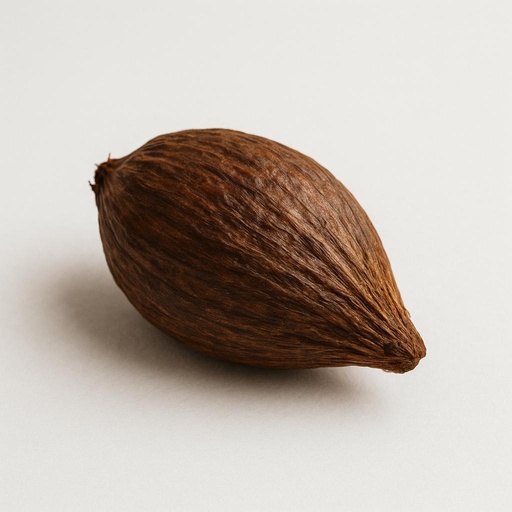
Palm Kernel Shell Suppliers & Prices in China — Market Overview 2026
Last Updated
2026-10-08
Key takeaways for search and sourcing teams
- 1 sampled export transactions for China are summarized.
- 12 export partner companies and 6 import partner companies are mapped for Palm Kernel Shell in China.
- Page data last updated on 2026-10-08.
Palm Kernel Shell Export Supplier Intelligence, Price Trends, and Trade Flows in China
12 export partner companies are tracked for Palm Kernel Shell in China. Use Supply Chain Intelligence company profiles and analytics to validate exporter coverage, partner quality, and route priorities.
Explore Palm Kernel Shell export intelligence in China, including 1 sampled supplier transactions, monthly unit-price ranges, and partner-country trade flow patterns for HS Code -.
Scatter points are sampled from 100.0% of the full transaction dataset. Each point is a real transaction. Sign up to see them and ask AI whether each deal was fair.
Sample Export Supplier Transaction Records for Palm Kernel Shell in China
1 sampled Palm Kernel Shell transactions in China include date, origin, and partner-country context to benchmark export prices and supplier trading patterns.
Palm Kernel Shell sampled transaction unit prices by date in China: 2025-11-21: 4.69 USD / kg.
| Date | Reported Product | Unit Price | Exporter | Importer | |
|---|---|---|---|---|---|
| 2025-11-21 | RSF ********* **** *** ** ** * **** * **** ******** ******** ** ***** **** ******* ********* | 4.69 USD / kg | (China) | (United States) |
These 1 rows are a sample — join Tridge to see Palm Kernel Shell transactions in China
See the exporter, importer and price on the records you need, ask AI whether each deal was fair, and turn them into AI Curations.
Top Palm Kernel Shell Export Suppliers and Companies in China
Review leading exporter profiles and benchmark them against 12 total export partner companies tracked for Palm Kernel Shell in China. Use Supply Chain Intelligence company profiles and analytics to shortlist sourcing and export partners faster.
(China)
Latest Export Transaction: 2026-09-08
Industries: Food Manufacturing, Food Packaging, Food Services And Drinking Places
Value Chain Roles: Distribution / Wholesale, Food Manufacturing
(China)
Latest Export Transaction: 2026-09-08
Industries: Brokers And Trade Agencies, Food Manufacturing
Value Chain Roles: Distribution / Wholesale, Trade
(China)
Latest Export Transaction: 2026-09-08
Industries: Brokers And Trade Agencies, Food Manufacturing, Food Packaging
Value Chain Roles: Trade
(China)
Latest Export Transaction: 2026-09-08
Industries: Food Wholesalers
Value Chain Roles: Trade
(China)
Latest Export Transaction: 2026-09-08
Industries: Beverage Manufacturing, Brokers And Trade Agencies, Crop Production, Food Manufacturing, Others
Value Chain Roles: Distribution / Wholesale, Farming / Production / Processing / Packing, Others, Trade
(China)
Latest Export Transaction: 2026-09-08
Employee Size: 11 - 50 Employees
Industries: Brokers And Trade Agencies, Food Wholesalers, Others
Value Chain Roles: Distribution / Wholesale, Others, Trade
See the full picture in Tridge Eye: full price and trade history · 725,009+ company profiles
China Export Partner Coverage
12 companies
Total export partner company count is a core signal of China export network depth for Palm Kernel Shell.
Exporters and importers can open Supply Chain Intelligence company profiles and analytics to assess Palm Kernel Shell partner concentration, capacity signals, and trade relevance in China.
Sourcing diagnosis
Could you be importing Palm Kernel Shell from China yourself?
Just tell us your spec and the volume you need. We'll check whether it's actually sourceable, and which origins and suppliers fit.
Free diagnosis, no account required.
Palm Kernel Shell Import Buyer Intelligence and Price Signals in China: Buyers, Demand, and Trade Partners
6 import partner companies are tracked for Palm Kernel Shell in China. Exporters and importers can use Supply Chain Intelligence company profiles and analytics to analyze buyer demand, partner density, and downstream channels.
Scatter points are sampled from 55.6% of the full transaction dataset. Each point is a real transaction. Sign up to see them and ask AI whether each deal was fair.
Sample Import Transaction and Price Records for Palm Kernel Shell in China
5 sampled Palm Kernel Shell import transactions in China provide date, origin, and trade-country context to benchmark price levels and demand-side trading patterns.
Palm Kernel Shell sampled import transaction unit prices by date in China: 2026-01-26: 5.91 USD / kg, 2026-01-17: 0.17 USD / kg, 2026-01-16: 0.07 USD / kg, 2026-01-08: 0.07 USD / kg, 2026-01-05: 5.91 USD / kg.
| Date | Reported Product | Unit Price | Exporter | Importer | Origin | |
|---|---|---|---|---|---|---|
| 2026-01-26 | The ****** ** **** **** ****** ******** **** ***** ***** **** ***** ************ ******* ***** ********* *** **** ******* ************* **** **** ********** ** ************ ******** *** **** ******** *********** | 5.91 USD / kg | (-) | (-) | - | |
| 2026-01-17 | Coc**** ***** *** ****** ** ************** **** ***** **** **** ** **************** | 0.17 USD / kg | (-) | (-) | - | |
| 2026-01-16 | Coc**** ***** *** *********** ******* **** ******* * **** ***** *********** | 0.07 USD / kg | (-) | (-) | - | |
| 2026-01-08 | Coc**** ***** *** ************* ** *** * ***** *** ******* **** ******* * **** ***** *********** | 0.07 USD / kg | (-) | (-) | - | |
| 2026-01-05 | The ****** ** **** **** ****** ******** **** ***** ***** **** ***** ************ ******* ***** ********* *** **** ******* ************* **** **** ********** ** ************ ******** *** **** ******** *********** | 5.91 USD / kg | (-) | (-) | - |
These 5 rows are a sample — join Tridge to see Palm Kernel Shell transactions in China
See the exporter, importer and price on the records you need, ask AI whether each deal was fair, and turn them into AI Curations.
Top Palm Kernel Shell Buyers, Importers, and Demand Partners in China
Review leading buyer profiles and compare them with 6 total import partner companies tracked for Palm Kernel Shell in China. Exporters and importers can use Supply Chain Intelligence company profiles and analytics to evaluate demand-side partner fit.
(China)
Latest Import Transaction: 2026-09-08
Industries: Others
Value Chain Roles: Trade
(China)
Latest Import Transaction: 2026-09-08
Employee Size: 11 - 50 Employees
Sales Revenue: USD 5M - 10M
Industries: Beverage Manufacturing, Food Manufacturing, Food Packaging, Food Wholesalers
Value Chain Roles: Distribution / Wholesale, Farming / Production / Processing / Packing, Food Manufacturing, Trade
(China)
Latest Import Transaction: 2026-09-08
Industries: Animal Production, Crop Production, Food Manufacturing
Value Chain Roles: Farming / Production / Processing / Packing, Food Manufacturing, Trade
(China)
Latest Import Transaction: 2026-09-08
Industries: Others
Value Chain Roles: Trade
(China)
Latest Import Transaction: 2026-09-08
Industries: Others
Value Chain Roles: Trade
(China)
Latest Import Transaction: 2026-09-08
Industries: Brokers And Trade Agencies, Crop Production, Food Manufacturing, Food Packaging
Value Chain Roles: Distribution / Wholesale, Farming / Production / Processing / Packing, Trade
See the full picture in Tridge Eye: full price and trade history · 725,009+ company profiles
China Import Partner Coverage
6 companies
Import partner company count highlights demand-side visibility for Palm Kernel Shell in China.
Use Supply Chain Intelligence analytics and company profiles to identify active Palm Kernel Shell importers, distributors, and buyer networks in China.
Export diagnosis
Your Palm Kernel Shell — could it sell to these buyers in China?
Just tell us what you make. We'll see whether you're ready to export today and which markets suit your offer.
Free diagnosis, no account required.
Price data
Which Palm Kernel Shell prices in China do you need?
We'll open up the full price history and competitor benchmarks. Just tell us which numbers you need and we'll walk you through them.
Classification
Product TypeByproduct
Product FormDry bulk solid biomass
Industry PositionAgro-industrial processing byproduct (bioenergy feedstock)
Market
Palm kernel shell (PKS) in China is primarily positioned as an imported solid biomass fuel for industrial heat and power applications rather than a domestically produced agricultural commodity. Supply availability is structurally linked to palm oil milling output in major producing countries, with China functioning mainly as a demand-side market. Market access and operational continuity depend heavily on correct customs/inspection handling and on minimizing contamination and moisture-related quality issues that can trigger delays, rejection, or safety incidents. Because PKS is bulky relative to value, delivered cost is highly sensitive to ocean freight and port handling conditions.
Market RoleImport-dependent industrial consumer market
Domestic RoleIndustrial energy feedstock for boilers/cogeneration and other thermal users
Specification
Physical Attributes
- Foreign matter (soil/sand/stones/metal) and excessive fines are commonly controlled to protect handling systems and combustion equipment and to reduce inspection risk
- Particle size distribution (shell pieces vs. fines) is commonly specified for feeding/handling performance
Compositional Metrics
- Moisture content is commonly specified for storage stability, safe transport, and combustion performance
- Ash-related quality and contamination are commonly monitored for boiler performance and residue management
Packaging
- Bulk shipment in holds/containers is common; packaging choice depends on importer handling and port logistics
Supply Chain
Value Chain
- Palm oil mill byproduct generation → screening/cleaning and storage at origin → export logistics to port → sea freight → China customs declaration and (where applicable) inspection/quarantine → importer/trader storage → delivery to industrial end users
Shelf Life
- Maintain low moisture and prevent water ingress to reduce mold, self-heating risk, and quality deterioration during storage and transit
Freight IntensityHigh
Transport ModeSea
Risks
Regulatory Compliance HighEntry disruption risk is high if PKS shipments are misclassified, poorly described, or fail inspection expectations (e.g., excessive contamination/foreign matter or biosecurity findings), which can trigger holds, mandated treatment, return, or rejection depending on case handling.Align commodity description and classification with the customs broker in advance; implement pre-shipment screening/cleaning and documented quality checks; ensure complete declaration and supporting documents are ready for potential inspection.
Logistics HighOcean freight volatility and port handling constraints can rapidly change delivered cost and disrupt supply continuity for a freight-intensive bulk biomass product.Secure freight capacity with schedule buffers; diversify origin ports/suppliers; use contract clauses for freight index movements and quality/weight tolerances.
Operational Safety MediumMoisture ingress and poor storage can increase mold/self-heating risk and degrade combustion performance, potentially causing cargo claims or refusal by carriers/end users.Set moisture/contamination acceptance specs; use covered storage and water-ingress controls; document loading condition with photos and inspection records.
Sustainability MediumPalm-linked deforestation and biodiversity concerns can create reputational or customer-compliance risk for buyers using PKS as a 'renewable' fuel input without credible sourcing controls.Implement supplier due diligence and traceability to mill level; use credible sustainability schemes where required by customers; maintain audit-ready documentation.
Sustainability
- Palm-sector land-use change risk (deforestation and biodiversity impacts) is a material ESG issue; PKS demand can be scrutinized as part of broader palm supply-chain due diligence
- Traceable sourcing and credible sustainability certification are relevant for buyers with ESG requirements (e.g., RSPO-linked supply chain assurance for palm-derived materials)
Labor & Social
- Palm supply chains in some producing countries have documented labor-rights concerns (including forced labor allegations); importers may face buyer audits and due-diligence expectations even when purchasing byproducts such as PKS
FAQ
What is palm kernel shell mainly used for in China?In China, palm kernel shell is mainly used as an industrial biomass fuel, supplied to boiler and heat/power users through importers and traders.
What is the single biggest risk that can block or severely disrupt PKS imports into China?The biggest risk is regulatory disruption at entry—if the shipment’s classification/documentation is inconsistent or if inspection finds unacceptable contamination or biosecurity issues, it can be held, treated, returned, or rejected depending on case handling.
Which quality factors are most important to control for PKS shipments?Moisture and contamination (foreign matter such as soil/sand/stones/metal, plus excessive fines) are key controls because they affect safe handling, combustion performance, and the likelihood of inspection problems.
Sources
Other Palm Kernel Shell Country Markets for Supplier, Export, and Price Comparison from China
Compare Palm Kernel Shell supplier coverage, trade flows, and price benchmarks across countries related to China.


Export & sourcing diagnosis
Palm Kernel Shell in China — are you buying, or selling?
Either way it's a few questions. We'll come back with where you could buy it, or who you could sell it to.
Free diagnosis, no account required.
By clicking “Accept Cookies,” I agree to provide cookies for statistical and personalized preference purposes. To learn more about our cookies, please read our Privacy Policy.