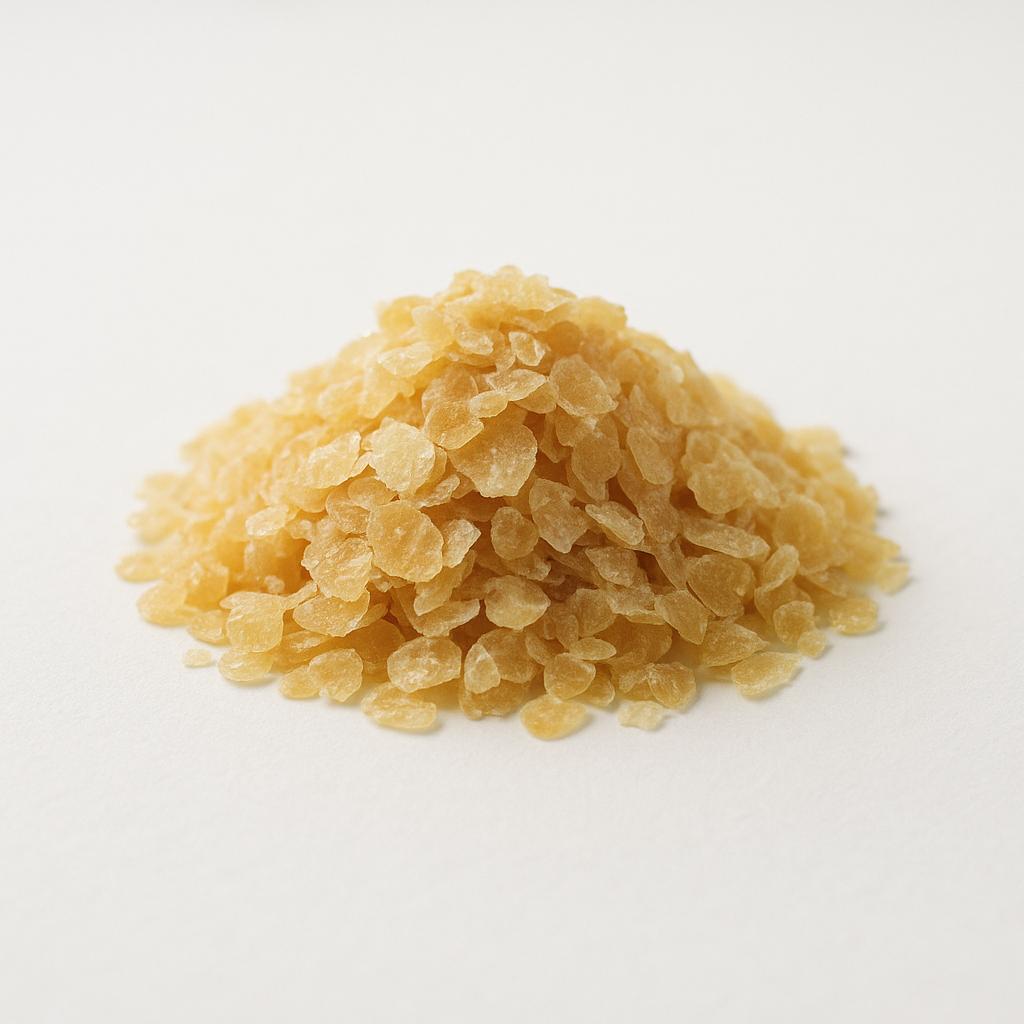
Shellac, bleached Suppliers & Prices in Turkiye — Market Overview 2026
HS Code
130190
Last Updated
2026-08-23
Key takeaways for search and sourcing teams
- 5 export partner countries and 5 import partner countries are ranked.
- Latest reference year in this page dataset is 2024.
- Page data last updated on 2026-08-23.
Shellac, bleached Export Supplier Intelligence, Price Trends, and Trade Flows in Turkiye
Use Supply Chain Intelligence company profiles and analytics to validate Shellac, bleached exporter coverage, partner quality, and route priorities in Turkiye.
Annual Export Value, Volume, and Supplier Market Size for Shellac, bleached in Turkiye (HS Code 130190)
Analyze 3 years of Shellac, bleached export volume and value in Turkiye to evaluate supplier market growth, seasonality, and trade volatility.
| Year | Volume | Value |
|---|---|---|
| 2024 | 70,763 | 859,358 USD |
| 2023 | 45,437 | 435,344 USD |
| 2022 | 49,487 | 746,961 USD |
Top Destination Markets for Shellac, bleached Exports from Turkiye (HS Code 130190) in 2024
For 2024, compare export volume and value across the top 5 destination countries for Shellac, bleached exports from Turkiye.
| Rank | Country | Volume | Value |
|---|---|---|---|
| 1 | United States | 9,278 | 266,066 USD |
| 2 | Germany | 6,852 | 154,260 USD |
| 3 | Iran | 14,822 | 93,213 USD |
| 4 | France | 3,829 | 93,198 USD |
| 5 | Azerbaijan | 1,386 | 64,508 USD |
Sourcing diagnosis
Could you be importing Shellac, bleached from Turkiye yourself?
Just tell us your spec and the volume you need. We'll check whether it's actually sourceable, and which origins and suppliers fit — free.
Shellac, bleached Import Buyer Intelligence and Price Signals in Turkiye: Buyers, Demand, and Trade Partners
6 import partner companies are tracked for Shellac, bleached in Turkiye. Exporters and importers can use Supply Chain Intelligence company profiles and analytics to analyze buyer demand, partner density, and downstream channels.
Scatter points are sampled from 90.0% of the full transaction dataset.
Sample Import Transaction and Price Records for Shellac, bleached in Turkiye
5 sampled Shellac, bleached import transactions in Turkiye provide date, origin, and trade-country context to benchmark price levels and demand-side trading patterns.
Shellac, bleached sampled import transaction unit prices by date in Turkiye: 2026-07-27: 16.53 USD / kg, 2026-07-24: 16.53 USD / kg, 2026-07-23: 27.72 USD / kg, 2026-07-13: 16.79 USD / kg, 2026-06-13: 16.03 USD / kg.
| Date | Reported Product | Unit Price | Exporter | Importer | Origin | |
|---|---|---|---|---|---|---|
| 2026-07-27 | SHE**** ** *** ********* ******* | 16.53 USD / kg | (-) | (-) | - | |
| 2026-07-24 | SHE**** ** *** ********* ******* | 16.53 USD / kg | (-) | (-) | - | |
| 2026-07-23 | SHE*********** *** ** *** *** *** **************** *** **** | 27.72 USD / kg | (-) | (-) | - | |
| 2026-07-13 | WAX** ****** ******* ************* ** *** ******* ****** ** ***** ******* ************* ****** ******* | 16.79 USD / kg | (-) | (-) | - | |
| 2026-06-13 | SHE**** * ******** ** *** ******* * ********** ****** ** ***** ******* | 16.03 USD / kg | (-) | (-) | - |
Top Shellac, bleached Buyers, Importers, and Demand Partners in Turkiye
Review leading buyer profiles and compare them with 6 total import partner companies tracked for Shellac, bleached in Turkiye. Exporters and importers can use Supply Chain Intelligence company profiles and analytics to evaluate demand-side partner fit.
(Turkiye)
Latest Import Transaction: 2026-07-23
Employee Size: 11 - 50 Employees
Industries: Food Manufacturing
Value Chain Roles: Food ManufacturingTrade
(Turkiye)
Latest Import Transaction: 2026-07-23
Industries: Food ManufacturingFood Wholesalers
Value Chain Roles: Distribution / WholesaleFood Manufacturing
(Turkiye)
Latest Import Transaction: 2026-07-23
Industries: Food Manufacturing
Value Chain Roles: Farming / Production / Processing / PackingFood ManufacturingTrade
(Turkiye)
Latest Import Transaction: 2026-07-23
Industries: Beverage ManufacturingFood ManufacturingFood Packaging
Value Chain Roles: Distribution / WholesaleFood ManufacturingRetail
(Turkiye)
Latest Import Transaction: 2026-07-23
Industries: Crop ProductionFood Manufacturing
Value Chain Roles: Farming / Production / Processing / PackingFood ManufacturingTrade
(Turkiye)
Latest Import Transaction: 2026-07-23
Employee Size: 11 - 50 Employees
Industries: Food ManufacturingOthers
Value Chain Roles: Food ManufacturingOthers
Turkiye Import Partner Coverage
6 companies
Import partner company count highlights demand-side visibility for Shellac, bleached in Turkiye.
Use Supply Chain Intelligence analytics and company profiles to identify active Shellac, bleached importers, distributors, and buyer networks in Turkiye.
Annual Import Value, Volume, and Demand Size for Shellac, bleached in Turkiye (HS Code 130190)
Track 3 years of Shellac, bleached import volume and value in Turkiye to assess demand growth and market momentum.
| Year | Volume | Value |
|---|---|---|
| 2024 | 313,443 | 3,184,669 USD |
| 2023 | 166,797 | 2,562,559 USD |
| 2022 | 258,727 | 4,013,341 USD |
Top Origin Supplier Countries Supplying Shellac, bleached to Turkiye (HS Code 130190) in 2024
For 2024, compare import volume and value across the top 5 origin supplier countries supplying Shellac, bleached to Turkiye.
| Rank | Country | Volume | Value |
|---|---|---|---|
| 1 | Somalia | 80,272 | 847,241 USD |
| 2 | India | 142,180 | 606,618 USD |
| 3 | Greece | 4,432 | 557,807 USD |
| 4 | Germany | 8,884 | 282,687 USD |
| 5 | Philippines | 26,320 | 193,988 USD |
Export diagnosis
Your Shellac, bleached — could it sell to these buyers in Turkiye?
Just tell us what you make. We'll see whether you're ready to export today and which markets suit your offer — free.
Price data
Want the hidden Shellac, bleached prices in Turkiye?
We'll open up the full price history and competitor benchmarks. Just tell us which numbers you need and we'll walk you through them.
Classification
Product TypeIngredient
Product FormRefined (bleached) resin — solid (flakes/powder)
Industry PositionFood additive (glazing agent)
Market
Bleached shellac (INS/E 904) is a specialty glazing-agent additive used in Turkey primarily by industrial food manufacturers and, in some cases, for surface treatment applications. Turkey’s market position is predominantly downstream use and distribution, with supply typically handled via importers and food-ingredient distributors. Market access hinges on alignment with Turkish Food Codex requirements for permitted additives, conditions of use, labeling, and additive specifications. Because shellac is insect-derived, customer acceptability (e.g., vegan/vegetarian positioning and channel-specific religious requirements) can be a practical commercial constraint in Turkey.
Market RoleNet importer and downstream user market (industrial food/pharma coating applications)
Domestic RoleB2B ingredient used as a glazing/coating agent in domestic manufacturing and selected surface-treatment applications
Specification
Primary VarietyBleached shellac (INS/E 904)
Secondary Variety
- Wax-free (dewaxed) bleached shellac
Physical Attributes
- Bleached shellac: off-white to tan, amorphous/granular resin (specification description)
- Wax-free bleached shellac: light yellow, amorphous/granular resin (specification description)
Compositional Metrics
- Wax content limits differ by grade (e.g., bleached vs wax-free bleached shellac) under published specifications.
- Used as a glazing agent (technological function) under GMP/quantum satis-type provisions in Codex GSFA food categories.
Grades
- Food additive grade meeting applicable specifications for INS/E 904 (e.g., JECFA/EU-type specification frameworks) and Turkish Food Codex requirements for additives sold/used in Turkey
Packaging
- Food-grade lined bags or fiber/plastic drums for flakes/powder (protect from moisture and heat during storage/transport)
- CoA-lot identification on packaging to support batch traceability and official control documentation
Supply Chain
Value Chain
- Import (bulk) → customs/official control (as applicable) → food-ingredient distributor → manufacturer application as glazing/coating
Temperature
- Keep dry and avoid excessive heat to prevent sticking/caking and quality degradation during warehousing and domestic transport.
Freight IntensityLow
Transport ModeSea
Risks
Regulatory Compliance HighIf bleached shellac (INS/E 904) does not meet applicable Turkish Food Codex requirements (including additive specifications/purity expectations and permitted-use conditions), shipments and downstream products can face hold, rejection, recall, or market withdrawal.Align CoA against the applicable specification framework for INS/E 904; confirm intended food-category use conditions and labeling with Turkish requirements before shipment; run pre-shipment third-party testing for key impurities where risk is identified.
Food Safety MediumNon-conformance on impurities/contaminants (e.g., trace metals or other specification parameters) can trigger official control action and customer rejection for food additive lots.Use qualified suppliers with consistent specification history; require lot-specific CoA and retain reserve samples; implement incoming QC testing for high-risk parameters.
Market Access MediumBecause shellac is insect-derived, some Turkish customers or export-facing product lines may reject it for vegan/vegetarian claims or require channel-specific religious-dietary positioning decisions.Confirm claim strategy (vegan/vegetarian/halal) per customer and finished-product market; document ingredient origin disclosure and avoid incompatible front-of-pack claims.
Logistics LowCustoms/document mismatches (e.g., CoA not matching product grade/description) can cause clearance delays that disrupt manufacturing schedules.Standardize document templates (invoice, packing list, CoA, SDS) and ensure product description/grade is consistent across all documents.
Sustainability
- Origin and process traceability for an insect-derived natural resin (lac) used as a food-contact coating/glaze
- Chemical stewardship for bleaching/processing aids and waste handling in upstream processing
Labor & Social
- Insect-derived origin can conflict with vegan/vegetarian positioning and may require clear customer communication in Turkey
- Religious-dietary acceptance (e.g., halal positioning) can be buyer-specific; requirements vary by customer/certifier and should be confirmed per channel
Sources
Other Shellac, bleached Country Markets for Supplier, Export, and Price Comparison from Turkiye
Compare Shellac, bleached supplier coverage, trade flows, and price benchmarks across countries related to Turkiye.


Free diagnosis
Shellac, bleached in Turkiye — are you buying, or selling?
Either way it's a few questions. We'll come back with where you could buy it, or who you could sell it to.
By clicking “Accept Cookies,” I agree to provide cookies for statistical and personalized preference purposes. To learn more about our cookies, please read our Privacy Policy.