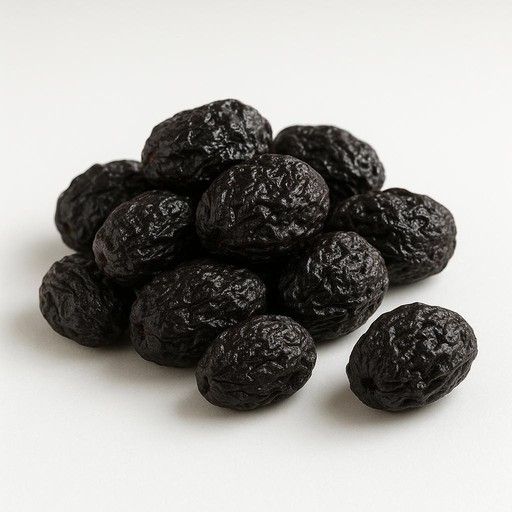
미국 건조 자바 자두 공급업체 및 가격 — 마켓 오버뷰 2026
원재료
신선 자바 자두
최종 업데이트
2026-09-13
서치 및 소싱 팀을 위한 핵심 요약
- 페이지 데이터 최종 업데이트일: 2026-09-13.
소싱 진단
미국산 건조 자바 자두, 우리도 들여올 수 있을까요?
필요한 스펙과 물량만 알려주세요. 실제로 소싱이 되는지, 어떤 원산지와 공급사가 맞는지 짚어드려요.
무료 진단, 계정 없이 이용 가능합니다.
미국의 건조 자바 자두 수입 바이어 인텔리전스 및 가격 시그널: 바이어, 수요, 거래 파트너
미국의 건조 자바 자두에 대해 수입 파트너 기업 2개가 추적됩니다. 수출업체와 수입업체는 Supply Chain Intelligence 회사 프로필 및 분석을 활용해 바이어 수요, 파트너 밀도, 다운스트림 채널을 분석할 수 있습니다.
스캐터 포인트는 전체 거래 데이터셋의 70.0%에서 샘플링되었습니다.
건조 자바 자두의 미국 샘플 수입 거래 및 가격 기록
미국의 건조 자바 자두 샘플 수입 거래 5건은 가격 수준과 수요 측 거래 패턴 벤치마킹을 위한 날짜, 원산지, 무역 국가 맥락을 제공합니다.
미국의 건조 자바 자두 샘플 수입 거래 단가(일자별): 2026-07-20: 1.97 USD / kg, 2026-06-20: 1.37 USD / kg, 2026-06-20: 1.37 USD / kg, 2026-06-20: 1.37 USD / kg, 2026-06-20: 1.37 USD / kg.
| 일자 | 신고 품목 | 단가 | 수출업체 | 수입업체 | 원산지 | |
|---|---|---|---|---|---|---|
| 2026-07-20 | HAR** ************** ******** ******* ** * * **** *** ******* ** ******** ***** | 1.97 USD / kg | (-) | (-) | - | |
| 2026-06-20 | JAM** **** ***** **** | 1.37 USD / kg | (-) | (-) | - | |
| 2026-06-20 | JAM** **** ***** **** | 1.37 USD / kg | (-) | (-) | - | |
| 2026-06-20 | JAM** **** ****** **** | 1.37 USD / kg | (-) | (-) | - | |
| 2026-06-20 | JAM** **** ****** **** | 1.37 USD / kg | (-) | (-) | - |
미국 내 상위 건조 자바 자두 바이어, 수입업체 및 수요 파트너
선도 바이어 프로필을 검토하고 미국의 건조 자바 자두에 대해 추적되는 전체 수입 파트너 기업 2개와 비교하세요. 수출업체와 수입업체는 Supply Chain Intelligence 회사 프로필 및 분석으로 수요 측 파트너 적합도를 평가할 수 있습니다.
(미국)
최근 수입 거래: 2026-08-13
산업군: 브로커 및 무역 대행
밸류체인 역할: 무역
(미국)
최근 수입 거래: 2026-08-13
매출액: 매출 USD 1M - 5M
산업군: 식품 제조
밸류체인 역할: 식품 제조무역
미국 수입 파트너 커버리지
2개 기업
수입 파트너 기업 수는 미국의 건조 자바 자두 수요 측 가시성을 보여줍니다.
공급망 인텔리전스 분석과 기업 프로필을 활용해 미국에서 활동 중인 건조 자바 자두 수입업체, 유통업체, 바이어 네트워크를 식별하세요.
수출 진단
우리 건조 자바 자두, 이 미국 바이어들에게 팔 수 있을까요?
만드시는 제품만 알려주시면 됩니다. 지금 수출할 준비가 됐는지, 어느 시장이 맞는지 봐드려요.
무료 진단, 계정 없이 이용 가능합니다.
가격 데이터
미국 건조 자바 자두 가격, 어디까지 필요하세요?
전체 가격 히스토리와 경쟁사 벤치마크를 열어드립니다. 어떤 숫자가 필요하신지만 말씀해 주시면 함께 살펴봐 드려요.
Classification
Product TypeProcessed Food
Product FormDried
Industry PositionValue-added Food Product
Market
Dried java plum (jamun; Syzygium cumini) is a niche processed fruit product in the United States, most commonly positioned as a shelf-stable specialty/ethnic item rather than a mainstream dried fruit category. The U.S. market is primarily supply-through-imports, with market access and continuity driven by FDA import controls (food facility registration and prior notice) and importer obligations under FSMA’s Foreign Supplier Verification Programs (FSVP). For plant health, USDA APHIS indicates dried/processed fruits and vegetables (except frozen) are generally admissible without an APHIS import permit or phytosanitary certificate, although shipments remain subject to inspection and any commodity-specific restrictions. A key compliance sensitivity for dried fruit-style products in the U.S. market is truthful labeling (including correct ingredient declarations for preservatives such as sulfiting agents when present).
Market RoleImport-dependent niche consumer market
Domestic RoleSpecialty processed fruit product for consumer retail and online channels
Specification
Physical Attributes
- Moisture control and uniform dryness are key quality attributes for shelf-stable handling.
- Absence of foreign matter and consistent piece sizing (when sliced/pitted) are common buyer checks.
Compositional Metrics
- Moisture level is a primary stability metric for dried fruit products.
Packaging
- Retail sealed pouches/jars with English labeling
- Bulk foodservice/wholesale packs inside corrugated cartons with inner liners
Supply Chain
Value Chain
- Fruit sourcing → washing/sorting → drying/dehydration → packing → ocean freight → CBP/FDA entry review → importer warehousing → distributor/retail or e-commerce fulfillment
Temperature
- Typically shipped and stored as an ambient, shelf-stable food; protect from heat spikes that can accelerate quality degradation.
- Moisture protection is critical to prevent caking and mold risk.
Shelf Life
- Shelf-life is sensitive to moisture ingress and packaging integrity during transit and warehousing.
Freight IntensityMedium
Transport ModeSea
Risks
Regulatory Compliance HighIf dried java plum products are marketed in the U.S. with claims to treat, cure, prevent, or mitigate diabetes (or similar disease claims), regulators may treat them as illegally marketed drugs and take enforcement action (e.g., warning letters, seizure, injunction), disrupting sales and import continuity.Keep claims strictly within permitted food/supplement labeling boundaries; implement label and website claim review (FDA/FTC) before shipment and listing.
Food Safety MediumUndeclared sulfiting agents (or detectable sulfite levels without proper ingredient declaration) can trigger U.S. import detention/refusal or recalls and pose acute risk to sulfite-sensitive consumers.Test/verify sulfite use and residuals with the supplier; ensure ingredient statements accurately declare sulfiting agents when required and align with FDA labeling rules.
Border Compliance MediumFailure to meet FDA import process requirements (e.g., food facility registration where applicable, accurate and timely Prior Notice, and readiness to produce FSVP records) can result in holds, refusal of admission, and shipment delays.Use an experienced entry filer/broker; run a pre-shipment compliance checklist covering Prior Notice, facility registration, product coding, and importer FSVP documentation.
Logistics MediumOcean freight volatility and port disruptions can increase landed cost and extend lead times for imported shelf-stable dried fruit products, affecting in-stock performance in retail and e-commerce channels.Build buffer inventory, diversify carriers/ports, and use flexible reorder points for peak-demand periods.
Quality LowMoisture ingress during transit or warehousing can reduce quality and increase mold risk for dried fruit products, resulting in claims and rejections.Specify moisture-barrier packaging, include desiccant where appropriate, and validate warehouse humidity controls and FIFO rotation.
FAQ
Do I need a USDA APHIS import permit or phytosanitary certificate to import dried java plum into the United States?USDA APHIS indicates that dried, cured, cooked, or otherwise processed fruits and vegetables (except frozen) are generally admissible without an APHIS import permit or phytosanitary certificate, unless a specific exception applies. Shipments are still subject to inspection at entry.
What are the core FDA import requirements that typically apply to dried java plum sold as a food in the U.S.?FDA import guidance highlights food facility registration (when applicable), Prior Notice before arrival, and importer responsibilities under FSMA’s Foreign Supplier Verification Programs (FSVP) to verify that foreign suppliers meet U.S. safety requirements. FDA can review, examine, and refuse shipments that appear to violate U.S. requirements.
If preservatives like sulfiting agents are used in dried java plum, what is the key U.S. labeling risk?If sulfiting agents are used and are present at detectable levels (10 ppm or more) or provide a technical/functional effect, they must be declared in labeling as ingredients under FDA labeling rules. Missing or inaccurate declarations can lead to import action and consumer safety risk for sulfite-sensitive individuals.


수출·소싱 진단
미국 건조 자바 자두, 사는 쪽이세요 파는 쪽이세요?
어느 쪽이든 몇 가지만 답해주시면 됩니다. 어디서 살 수 있는지, 누구에게 팔 수 있는지 정리해서 보내드릴게요.
무료 진단, 계정 없이 이용 가능합니다.
'쿠키 허용'을 클릭하면 통계 및 개인 선호도 산출을 위한 쿠키 제공에 동의하게 됩니다.
개인정보 보호정책에서 쿠키에 대한 자세한 내용을 확인할 수 있습니다.