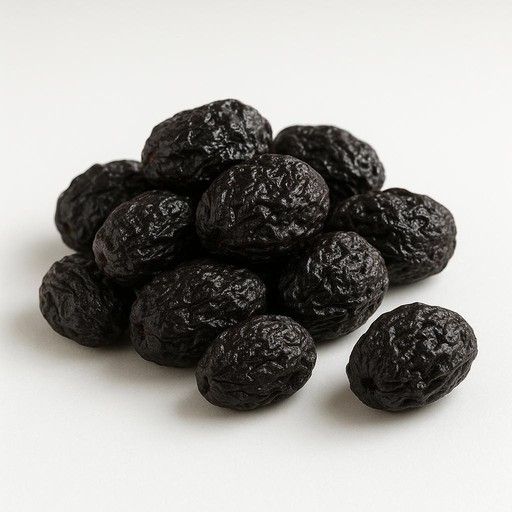
인도 건조 자바 자두 공급업체 및 가격 — 마켓 오버뷰 2026
원재료
신선 자바 자두
최종 업데이트
2026-09-13
서치 및 소싱 팀을 위한 핵심 요약
- 인도에 대한 샘플 수출 거래 5건이 요약되어 있습니다.
- 페이지 데이터 최종 업데이트일: 2026-09-13.
인도 내 건조 자바 자두 수출 공급업체 인텔리전스, 가격 추이 및 무역 흐름
인도의 건조 자바 자두에 대해 수출 파트너 기업 6개가 추적됩니다. Supply Chain Intelligence 회사 프로필 및 분석으로 수출업체 커버리지, 파트너 품질, 경로 우선순위를 검증하세요.
인도에서의 건조 자바 자두 수출 인텔리전스를 확인하세요. 샘플 공급업체 거래 5건, 월간 단가 범위, HS 코드 -의 파트너 국가 무역 흐름 패턴을 포함합니다.
스캐터 포인트는 전체 거래 데이터셋의 36.9%에서 샘플링되었습니다.
건조 자바 자두의 인도 샘플 수출 공급업체 거래 기록
인도의 건조 자바 자두 샘플 거래 5건에는 수출 가격과 공급업체 거래 패턴 벤치마킹을 위한 날짜, 원산지, 파트너 국가 맥락이 포함됩니다.
인도의 건조 자바 자두 샘플 거래 단가(일자별): 2026-07-25: 50.50 USD / kg, 2026-07-24: 5.07 USD / kg, 2026-07-20: 1.97 USD / kg, 2026-07-12: 5.07 USD / kg, 2026-07-04: 5.68 USD / kg.
| 일자 | 신고 품목 | 단가 | 수출업체 | 수입업체 | |
|---|---|---|---|---|---|
| 2026-07-25 | SYZ***** ********** ***** ***** ********* ******** *** *** ******** | 50.50 USD / kg | (인도) | (독일) | |
| 2026-07-24 | JAM** **** ****** *** ** * ** **** * * ***** | 5.07 USD / kg | (인도) | (카타르) | |
| 2026-07-20 | HAR** ************** ******** ******* ** * * **** *** ******* ** ******** ***** | 1.97 USD / kg | (인도) | (미국) | |
| 2026-07-12 | JAM** **** ****** *** ** * ** **** * * ***** | 5.07 USD / kg | (인도) | (카타르) | |
| 2026-07-04 | ALO* ******* | 5.68 USD / kg | (인도) | (필리핀) |
인도 내 상위 건조 자바 자두 수출 공급업체 및 기업
선도 수출업체 프로필을 검토하고 인도의 건조 자바 자두에 대해 추적되는 전체 수출 파트너 기업 6개와 비교하세요. Supply Chain Intelligence 회사 프로필 및 분석으로 소싱 및 수출 파트너를 더 빠르게 선별할 수 있습니다.
(인도)
최근 수출 거래: 2026-08-13
산업군: 식품 도매
밸류체인 역할: 유통 / 도매무역
(인도)
최근 수출 거래: 2026-08-13
임직원 규모: 직원 1000명 초과
매출액: 매출 USD 1B 초과
산업군: 음료 제조식품 제조식품 포장식음료 서비스업온라인 리테일 및 풀필먼트
밸류체인 역할: 유통 / 도매식품 제조소매무역
(인도)
최근 수출 거래: 2025-09-22
최근 수출 파트너 기업: 4
임직원 규모: 직원 1000명 초과
산업군: 음료 제조식품 제조기타
밸류체인 역할: 유통 / 도매식품 제조기타소매무역
(인도)
최근 수출 거래: 2026-08-13
최근 수출 파트너 기업: 1
산업군: 식품 도매기타
밸류체인 역할: 유통 / 도매무역
(인도)
최근 수출 거래: 2026-08-13
산업군: 식품 포장기타
밸류체인 역할: 식품 제조기타
(인도)
최근 수출 거래: 2026-08-13
산업군: 기타
밸류체인 역할: 무역
인도 수출 파트너 커버리지
6개 기업
총 수출 파트너 기업 수는 인도의 건조 자바 자두 수출 네트워크 깊이를 보여주는 핵심 신호입니다.
수출업체와 수입업체는 공급망 인텔리전스 기업 프로필 및 분석을 열어 인도 내 건조 자바 자두 파트너 집중도, 공급 역량 시그널, 무역 관련성을 평가할 수 있습니다.
소싱 진단
인도산 건조 자바 자두, 우리도 들여올 수 있을까요?
필요한 스펙과 물량만 알려주세요. 실제로 소싱이 되는지, 어떤 원산지와 공급사가 맞는지 짚어드려요.
무료 진단, 계정 없이 이용 가능합니다.
수출 진단
우리 건조 자바 자두, 이 인도 바이어들에게 팔 수 있을까요?
만드시는 제품만 알려주시면 됩니다. 지금 수출할 준비가 됐는지, 어느 시장이 맞는지 봐드려요.
무료 진단, 계정 없이 이용 가능합니다.
가격 데이터
인도 건조 자바 자두 가격, 어디까지 필요하세요?
전체 가격 히스토리와 경쟁사 벤치마크를 열어드립니다. 어떤 숫자가 필요하신지만 말씀해 주시면 함께 살펴봐 드려요.
Classification
Product TypeProcessed Food
Product FormDried
Industry PositionValue-added Processed Fruit Product
Market
Dried java plum (jamun) in India is a niche processed fruit product derived from a seasonal, domestically available fruit and positioned primarily for shelf-life extension and off-season availability. The market is typically fragmented, with small and mid-scale processors supplying domestic retail and ingredient channels rather than a single dominant national brand structure. Where traded internationally, the main constraints tend to be food-safety assurance (mold risk in dried products) and regulatory compliance around labeling and product classification. Evidence for national-scale trade volumes specific to dried jamun is limited in public, product-granular sources, so market sizing and concentration metrics are treated as data gaps here.
Market RoleDomestic consumption market with niche processed production; limited, compliance-sensitive export potential
Domestic RoleNiche dried fruit/ingredient product supplied by small and mid-scale processors for domestic retail and ingredient use
Market Growth
SeasonalityInput fruit availability is seasonal, while dried product availability is less seasonal when adequate storage and moisture control are maintained.
Specification
Physical Attributes
- Free from visible mold, insect infestation, and foreign matter
- Uniform drying with minimal stickiness/clumping (moisture management dependent)
- Color consistency within lot (natural dark coloration; avoid smoke/overheating damage where applicable)
Compositional Metrics
- Moisture/aw control as a primary stability parameter (buyer specification dependent)
- Microbiological limits and mycotoxin risk screening as buyer/market-entry requirements (market dependent)
Grades
- Whole vs pieces
- Seeded vs de-seeded (where applicable)
- Unsweetened vs sweetened (where applicable and declared)
Packaging
- Moisture-barrier primary packaging (e.g., laminated pouches) for retail
- Food-grade bulk liners within cartons for wholesale/ingredient trade
- Desiccant/oxygen management where required by shelf-life target and humidity exposure
Supply Chain
Value Chain
- Seasonal fruit procurement → sorting and washing → pitting/slicing (as applicable) → dehydration → grading → packaging → ambient storage with humidity control → wholesale/retail distribution
Temperature
- Ambient distribution is typical; humidity control is more critical than refrigeration for dried stability.
- Avoid heat and moisture exposure that can trigger condensation, mold growth, and quality loss.
Atmosphere Control
- Low-moisture packaging and moisture/oxygen barrier management reduce oxidation and mold risk during storage and transport.
Shelf Life
- Shelf life is highly sensitive to final moisture level, packaging barrier performance, and exposure to humid conditions (especially during monsoon logistics).
Freight IntensityMedium
Transport ModeSea
Risks
Food Safety HighMoisture ingress and inadequate dehydration control can enable mold growth and potential mycotoxin or microbial non-compliance in dried fruit shipments, leading to border rejection, recalls, or delisting in stringent markets.Implement validated drying endpoints (moisture/aw targets), GMP/HACCP controls, humidity-protective packaging, and batch-based testing aligned to buyer and destination requirements.
Regulatory Compliance MediumMisclassification (food vs other regulated category in certain destinations) and labeling non-compliance (ingredient/additive declaration, lot identification, claims) can trigger detention or relabeling costs.Lock product description, HS classification approach, and label content with the importer before production; maintain documented specs and COAs per lot.
Logistics MediumContainer humidity/condensation events and extended transit times can degrade dried product quality (clumping, mold) even without refrigeration requirements.Use moisture-barrier packaging, desiccants where appropriate, and container loading practices that reduce condensation risk; monitor transit conditions when feasible.
Documentation Gap LowIncomplete batch documentation (linking production, testing, and shipment lots) can weaken incident response and buyer audit outcomes.Adopt standardized batch records and shipment document checklists; retain records for buyer-specified periods.
Sustainability
- Energy source and efficiency of dehydration (sun/solar vs mechanical) influences emissions footprint and product consistency.
- Packaging waste management (multi-layer moisture-barrier materials) can be a buyer scrutiny point for processed foods.
Labor & Social
- Informal or small-scale processing environments can create auditability and worker safety compliance gaps unless formal GMP/HACCP systems are implemented.
Standards
- HACCP
- ISO 22000
- FSSC 22000
- BRCGS Food Safety
FAQ
What is the biggest trade-stopping risk for dried jamun shipments from India?Food-safety non-compliance driven by moisture and mold risk is typically the most critical blocker for dried fruit shipments, because it can lead to border rejection, recalls, or immediate delisting in strict markets.
Which quality systems do buyers commonly ask for when sourcing processed dried fruit from India?Buyers commonly request documented food-safety systems such as HACCP or certifications like ISO 22000/FSSC 22000 or BRCGS, along with lot-level traceability and batch-linked test documentation where required.
What practical logistics control matters most for dried jamun compared with refrigerated foods?Humidity and moisture control is usually more important than cold chain, because condensation or moisture ingress during storage or sea transit can trigger clumping and mold even if the product is shelf-stable.


수출·소싱 진단
인도 건조 자바 자두, 사는 쪽이세요 파는 쪽이세요?
어느 쪽이든 몇 가지만 답해주시면 됩니다. 어디서 살 수 있는지, 누구에게 팔 수 있는지 정리해서 보내드릴게요.
무료 진단, 계정 없이 이용 가능합니다.
'쿠키 허용'을 클릭하면 통계 및 개인 선호도 산출을 위한 쿠키 제공에 동의하게 됩니다.
개인정보 보호정책에서 쿠키에 대한 자세한 내용을 확인할 수 있습니다.