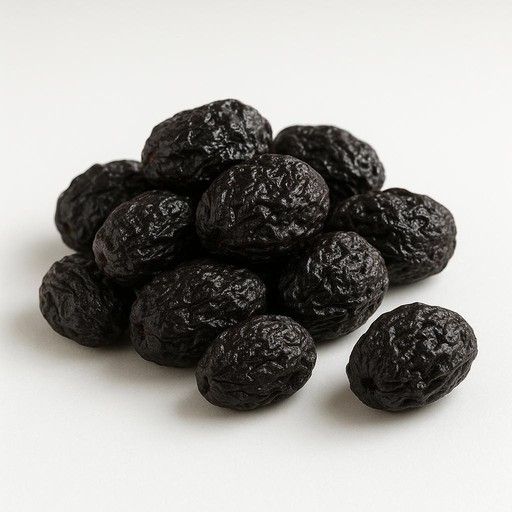
파키스탄 건조 자바 자두 공급업체 및 가격 — 마켓 오버뷰 2026
원재료
신선 자바 자두
최종 업데이트
2026-09-13
서치 및 소싱 팀을 위한 핵심 요약
- 파키스탄에 대한 샘플 수출 거래 2건이 요약되어 있습니다.
- 페이지 데이터 최종 업데이트일: 2026-09-13.
파키스탄 내 건조 자바 자두 수출 공급업체 인텔리전스, 가격 추이 및 무역 흐름
파키스탄의 건조 자바 자두에 대해 수출 파트너 기업 15개가 추적됩니다. Supply Chain Intelligence 회사 프로필 및 분석으로 수출업체 커버리지, 파트너 품질, 경로 우선순위를 검증하세요.
파키스탄에서의 건조 자바 자두 수출 인텔리전스를 확인하세요. 샘플 공급업체 거래 2건, 월간 단가 범위, HS 코드 -의 파트너 국가 무역 흐름 패턴을 포함합니다.
스캐터 포인트는 전체 거래 데이터셋의 100.0%에서 샘플링되었습니다.
건조 자바 자두의 파키스탄 샘플 수출 공급업체 거래 기록
파키스탄의 건조 자바 자두 샘플 거래 2건에는 수출 가격과 공급업체 거래 패턴 벤치마킹을 위한 날짜, 원산지, 파트너 국가 맥락이 포함됩니다.
파키스탄의 건조 자바 자두 샘플 거래 단가(일자별): 2026-02-03: 1.20 USD / kg, 2025-12-29: 1.20 USD / kg.
| 일자 | 신고 품목 | 단가 | 수출업체 | 수입업체 | |
|---|---|---|---|---|---|
| 2026-02-03 | JAM** **** ***** ********* ******* | 1.20 USD / kg | (파키스탄) | (방글라데시) | |
| 2025-12-29 | DRY ***** ***** **** *** ** **** | 1.20 USD / kg | (파키스탄) | (방글라데시) |
파키스탄 내 상위 건조 자바 자두 수출 공급업체 및 기업
선도 수출업체 프로필을 검토하고 파키스탄의 건조 자바 자두에 대해 추적되는 전체 수출 파트너 기업 15개와 비교하세요. Supply Chain Intelligence 회사 프로필 및 분석으로 소싱 및 수출 파트너를 더 빠르게 선별할 수 있습니다.
(파키스탄)
최근 수출 거래: 2026-08-13
임직원 규모: 직원 11 - 50명
매출액: 매출 USD 1M - 5M
산업군: 음료 제조브로커 및 무역 대행작물 생산식품 제조식품 포장
밸류체인 역할: 무역
(파키스탄)
최근 수출 거래: 2026-08-13
산업군: 작물 생산식품 제조
밸류체인 역할: 유통 / 도매무역
(파키스탄)
최근 수출 거래: 2026-08-13
산업군: 식품 제조
밸류체인 역할: 기타
(파키스탄)
최근 수출 거래: 2026-08-13
임직원 규모: 직원 11 - 50명
산업군: 음료 제조식품 제조식품 포장
밸류체인 역할: 유통 / 도매식품 제조
(파키스탄)
최근 수출 거래: 2026-08-13
산업군: 브로커 및 무역 대행작물 생산식품 제조
밸류체인 역할: 농업 / 생산 / 가공 / 포장무역
(파키스탄)
최근 수출 거래: 2026-08-13
산업군: 브로커 및 무역 대행포워딩 및 복합운송
밸류체인 역할: 무역
파키스탄 수출 파트너 커버리지
15개 기업
총 수출 파트너 기업 수는 파키스탄의 건조 자바 자두 수출 네트워크 깊이를 보여주는 핵심 신호입니다.
수출업체와 수입업체는 공급망 인텔리전스 기업 프로필 및 분석을 열어 파키스탄 내 건조 자바 자두 파트너 집중도, 공급 역량 시그널, 무역 관련성을 평가할 수 있습니다.
소싱 진단
파키스탄산 건조 자바 자두, 우리도 들여올 수 있을까요?
필요한 스펙과 물량만 알려주세요. 실제로 소싱이 되는지, 어떤 원산지와 공급사가 맞는지 짚어드려요.
무료 진단, 계정 없이 이용 가능합니다.
수출 진단
우리 건조 자바 자두, 이 파키스탄 바이어들에게 팔 수 있을까요?
만드시는 제품만 알려주시면 됩니다. 지금 수출할 준비가 됐는지, 어느 시장이 맞는지 봐드려요.
무료 진단, 계정 없이 이용 가능합니다.
가격 데이터
파키스탄 건조 자바 자두 가격, 어디까지 필요하세요?
전체 가격 히스토리와 경쟁사 벤치마크를 열어드립니다. 어떤 숫자가 필요하신지만 말씀해 주시면 함께 살펴봐 드려요.
Classification
Product TypeProcessed Food
Product FormDried
Industry PositionValue-Added Processed Fruit Product
Market
Java plum (jamun, Syzygium cumini) is grown in Pakistan and is a highly perishable seasonal fruit, which supports off-season use through processing into shelf-stable products such as dried fruit forms. Jamun genetic resources are reported as widely distributed across the Indus Basin, especially Punjab and Sindh, with some organized orchards noted around Faisalabad and research referencing Potowar-region material. For dried-java-plum specifically, Pakistan appears primarily as a domestic production-and-consumption market, while product-specific trade statistics and dominant branded players are not well documented in public sources. For cross-border movement of dried plant products, Pakistan’s Department of Plant Protection (NPPO) administers phytosanitary import permitting, inspection, and associated documentation requirements.
Market RoleDomestic production and consumption market; formal trade role not well documented
Domestic RoleSeasonal fruit processed into shelf-stable dried forms for off-season consumption and ingredient use
Market GrowthNot Mentioned
SeasonalityJamun harvest is seasonal (typically June–July in Asia), and drying extends availability beyond the harvest window.
Specification
Physical Attributes
- Dried product should be free from visible mold/insect infestation and protected from moisture reabsorption during storage and transport.
- Color, astringency, and piece integrity (whole/halved/sliced) are common buyer acceptance attributes, but Pakistan-specific grade standards for dried jamun are not well documented (data gap).
Compositional Metrics
- Moisture control is a primary quality and safety driver for dried fruits to limit spoilage and toxigenic fungi risk.
Packaging
- Moisture-barrier packaging and hygienic storage conditions to prevent contamination and insect infestation are key for dried fruits.
- For packaged processed food sold in Punjab, product registration workflows reference finished-product specifications, shelf-life details, and labeling documentation as part of compliance.
Supply Chain
Value Chain
- Fresh jamun sourcing (seasonal) → sorting/grading → washing/sanitizing → de-seeding/slicing (as applicable) → dehydration (sun or mechanical) → conditioning/equalization → final sorting → packaging → ambient storage/distribution
Temperature
- Dried fruit is typically handled as an ambient-stable product, but storage should control humidity and temperature to prevent deterioration and pest infestation.
Atmosphere Control
- Packaging should limit moisture ingress; infestation prevention measures may be needed during storage where insects/mites are a risk.
Shelf Life
- Shelf-life is primarily driven by post-drying moisture content, packaging integrity, and storage conditions that prevent contamination, toxigenic fungi growth, and insect infestation.
Freight IntensityLow
Transport ModeMultimodal
Risks
Food Safety HighMycotoxin contamination (notably aflatoxins) is a critical deal-breaker risk for dried fruit products in Pakistan supply chains; contamination can create serious food-safety hazards and trigger buyer rejection or border actions in regulated markets.Implement lot-level testing and supplier controls; maintain effective drying and moisture management; follow Codex hygienic practices for dried fruits to reduce contamination and infestation risks.
Regulatory Compliance MediumImporting dried plant products into Pakistan without the required Department of Plant Protection import permit and release-order documentation can lead to clearance delays, treatment holds, or refusal.Confirm commodity/country-specific DPP import permit requirements in advance and align shipment documents (including phytosanitary certificate where required) to the DPP release-order checklist.
Regulatory Compliance MediumFor packaged dried-java-plum sold in Punjab, noncompliance with provincial food authority requirements (e.g., product registration steps, labeling accuracy, and supporting documentation for ingredients/claims) can result in enforcement actions.For Punjab distribution, maintain complete product-registration and labeling documentation (ingredients, certificate of analysis, shelf-life details, and claim substantiation) and run pre-market label/legal review.
FAQ
Which documents are commonly required to clear an imported shipment of dried plant products into Pakistan?Pakistan’s Department of Plant Protection import procedure lists a valid import permit and, for release-order processing, documents such as a phytosanitary certificate from the exporting country, commercial invoice, packing list, and bill of lading/airway bill/bill of entry, with other documents (e.g., treatment certificate if any) depending on the shipment.
What is the most critical food-safety risk for dried fruit products in Pakistan supply chains?A key deal-breaker risk is mycotoxin contamination (especially aflatoxins). Published research has reported aflatoxins in dried fruits and nuts marketed in Pakistan, and Codex hygienic guidance for dried fruits emphasizes controls across drying, storage, and sanitation to reduce contamination and infestation risks.
Is Halal documentation relevant for packaged dried-java-plum products sold in Punjab?Yes. Punjab Food Authority product-registration guidance includes Halal certificates (of raw materials) among the required documents, so packaged products distributed in Punjab commonly need Halal-related documentation where applicable.
Sources


수출·소싱 진단
파키스탄 건조 자바 자두, 사는 쪽이세요 파는 쪽이세요?
어느 쪽이든 몇 가지만 답해주시면 됩니다. 어디서 살 수 있는지, 누구에게 팔 수 있는지 정리해서 보내드릴게요.
무료 진단, 계정 없이 이용 가능합니다.
'쿠키 허용'을 클릭하면 통계 및 개인 선호도 산출을 위한 쿠키 제공에 동의하게 됩니다.
개인정보 보호정책에서 쿠키에 대한 자세한 내용을 확인할 수 있습니다.