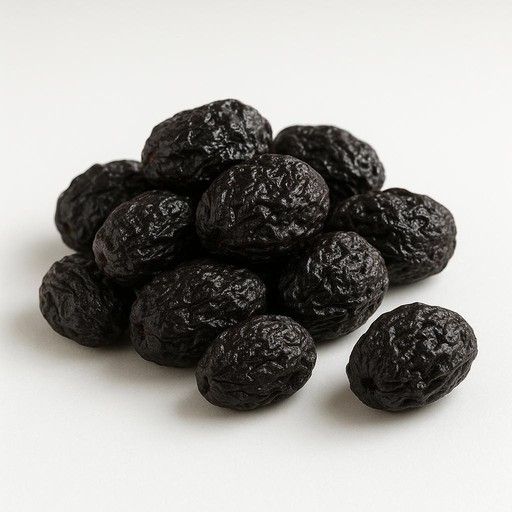
호주 건조 자바 자두 공급업체 및 가격 — 마켓 오버뷰 2026
원재료
신선 자바 자두
최종 업데이트
2026-09-13
서치 및 소싱 팀을 위한 핵심 요약
- 페이지 데이터 최종 업데이트일: 2026-09-13.
소싱 진단
호주산 건조 자바 자두, 우리도 들여올 수 있을까요?
필요한 스펙과 물량만 알려주세요. 실제로 소싱이 되는지, 어떤 원산지와 공급사가 맞는지 짚어드려요.
무료 진단, 계정 없이 이용 가능합니다.
호주의 건조 자바 자두 수입 바이어 인텔리전스 및 가격 시그널: 바이어, 수요, 거래 파트너
호주의 건조 자바 자두에 대해 수입 파트너 기업 2개가 추적됩니다. 수출업체와 수입업체는 Supply Chain Intelligence 회사 프로필 및 분석을 활용해 바이어 수요, 파트너 밀도, 다운스트림 채널을 분석할 수 있습니다.
스캐터 포인트는 전체 거래 데이터셋의 100.0%에서 샘플링되었습니다.
건조 자바 자두의 호주 샘플 수입 거래 및 가격 기록
호주의 건조 자바 자두 샘플 수입 거래 5건은 가격 수준과 수요 측 거래 패턴 벤치마킹을 위한 날짜, 원산지, 무역 국가 맥락을 제공합니다.
호주의 건조 자바 자두 샘플 수입 거래 단가(일자별): 2026-07-29: 2.25 USD / kg, 2026-05-15: 2.25 USD / kg, 2026-03-10: 2.25 USD / kg, 2025-12-21: 2.75 USD / kg, 2025-09-30: 5.71 USD / kg.
| 일자 | 신고 품목 | 단가 | 수출업체 | 수입업체 | 원산지 | |
|---|---|---|---|---|---|---|
| 2026-07-29 | ASH*** ***** ** ******* * * **** **** ***** ****** * ** ***** | 2.25 USD / kg | (-) | (-) | - | |
| 2026-05-15 | ASH*** ***** ** ******* * * **** **** ***** ****** * ** ***** | 2.25 USD / kg | (-) | (-) | - | |
| 2026-03-10 | ASH*** ***** ** ******* * * **** **** ***** ****** * ** ***** | 2.25 USD / kg | (-) | (-) | - | |
| 2025-12-21 | BRO** ***** ****** ***** * ****** ** *** ***** ****** ** ******* **** *** | 2.75 USD / kg | (-) | (-) | - | |
| 2025-09-30 | HAR** ***** ***** ** ************* | 5.71 USD / kg | (-) | (-) | - |
호주 내 상위 건조 자바 자두 바이어, 수입업체 및 수요 파트너
선도 바이어 프로필을 검토하고 호주의 건조 자바 자두에 대해 추적되는 전체 수입 파트너 기업 2개와 비교하세요. 수출업체와 수입업체는 Supply Chain Intelligence 회사 프로필 및 분석으로 수요 측 파트너 적합도를 평가할 수 있습니다.
(호주)
최근 수입 거래: 2026-08-13
산업군: 식품 제조식음료 서비스업식품 도매
밸류체인 역할: 유통 / 도매무역
(호주)
최근 수입 거래: 2026-08-13
산업군: 식품 제조
밸류체인 역할: 농업 / 생산 / 가공 / 포장식품 제조무역
호주 수입 파트너 커버리지
2개 기업
수입 파트너 기업 수는 호주의 건조 자바 자두 수요 측 가시성을 보여줍니다.
공급망 인텔리전스 분석과 기업 프로필을 활용해 호주에서 활동 중인 건조 자바 자두 수입업체, 유통업체, 바이어 네트워크를 식별하세요.
수출 진단
우리 건조 자바 자두, 이 호주 바이어들에게 팔 수 있을까요?
만드시는 제품만 알려주시면 됩니다. 지금 수출할 준비가 됐는지, 어느 시장이 맞는지 봐드려요.
무료 진단, 계정 없이 이용 가능합니다.
가격 데이터
호주 건조 자바 자두 가격, 어디까지 필요하세요?
전체 가격 히스토리와 경쟁사 벤치마크를 열어드립니다. 어떤 숫자가 필요하신지만 말씀해 주시면 함께 살펴봐 드려요.
Classification
Product TypeProcessed Food
Product FormDried
Industry PositionProcessed Fruit Product
Market
Dried java plum (jamun) in Australia is a niche processed fruit product primarily supplied through imports rather than domestic commercial production. Demand is concentrated in specialty retail serving South Asian communities and in small natural/functional food segments, with compliance driven by Australia’s biosecurity import conditions and the Australia New Zealand Food Standards Code. As a shelf-stable dried product, it is typically available year-round and is less cold-chain dependent than fresh fruit. Commercial success hinges on correct import classification, document completeness, and meeting labeling/food-safety requirements at the border and in retail channels.
Market RoleImport-dependent consumer market (niche specialty item)
Domestic RoleNiche specialty/ethnic retail product with limited mainstream penetration
Market Growth
SeasonalityPrimarily import-supplied dried product with year-round availability; any seasonality is driven by supplier-country harvest and shipment timing rather than Australian production.
Specification
Physical Attributes
- Low moisture, intact dried fruit or pieces with minimal visible mold or insect damage (importer QA expectation; verify against buyer spec).
Compositional Metrics
- Moisture and water activity are typical acceptance metrics for dried fruit stability, but no java-plum-specific Australian thresholds identified from named public sources.
Packaging
- Sealed moisture-barrier retail packs or bulk lined cartons are typical for dried fruit to protect against humidity uptake (model inference; verify with buyer spec).
Supply Chain
Value Chain
- Overseas processing/packing → sea freight to Australia → biosecurity and customs entry processes → importer/wholesaler warehousing → specialty retail distribution
Temperature
- Ambient storage is typically feasible for dried fruit when moisture control is maintained; protect from heat/humidity exposure during storage and distribution.
Atmosphere Control
- Moisture control and packaging integrity are more critical than controlled atmosphere for shelf stability in dried fruit.
Shelf Life
- Shelf-life is primarily driven by moisture ingress control, sanitation, and packaging integrity; specific shelf-life depends on formulation and storage conditions (verify per label and supplier COA).
Freight IntensityMedium
Transport ModeSea
Risks
Regulatory Compliance HighFailure to meet Australia’s biosecurity import conditions for plant-based products (including mismatched commodity description, missing required evidence, or non-compliant treatment status) can lead to shipment delay, mandatory treatment, re-export, or destruction at the importer’s cost.Confirm BICON requirements before contracting; align product specification (processing level, form, ingredients) to the approved pathway; pre-check documentation against DAFF and ABF entry requirements.
Food Safety MediumLabeling or composition non-compliance (e.g., undeclared additives such as sulfites if used, or missing required declarations) can trigger import holds or in-market enforcement actions under the Food Standards Code.Require a complete specification and COA from suppliers; conduct label compliance review against FSANZ requirements before printing and shipment.
Logistics MediumHumidity ingress during sea freight and warehousing can degrade dried fruit quality (caking, mold risk) and increase rejection/returns.Use moisture-barrier packaging, desiccants where appropriate, and controlled warehousing practices; include humidity/pack integrity checks on arrival.
Documentation Gap MediumInconsistent product naming (java plum/jamun) and incomplete product-description detail can cause HS misclassification risk and complicate border processing.Standardize product description across contracts, labels, and import documents; keep technical dossiers (botanical identity, processing description, ingredient list) ready for importer and regulator queries.
Sustainability
- Packaging waste and recyclability expectations in Australian retail channels (channel-driven; verify buyer requirements).
- Food loss risk from humidity exposure during storage if packaging integrity is poor (quality/shelf-stability sustainability linkage).
Labor & Social
- No widely documented java-plum-specific labor controversy identified for Australia’s market; social-risk exposure is primarily upstream in source countries and should be addressed via supplier due diligence.
Standards
- HACCP-based food safety management (commonly expected; verify buyer requirements)
- BRCGS Food Safety or ISO 22000 (model inference — commonly requested by major retail/import programs; verify)
FAQ
What is the main regulatory “go/no-go” risk for importing dried java plum into Australia?The main blocker is biosecurity non-compliance. If the shipment does not meet Australia’s biosecurity import conditions (as set out via DAFF’s BICON pathways for the specific product form and origin), it can be delayed, directed for treatment, re-exported, or destroyed at the importer’s cost.
Which authorities and rulebooks most directly affect selling dried java plum in Australia?DAFF biosecurity import conditions govern whether the product can enter and under what pathway, while the Australia New Zealand Food Standards Code (administered by FSANZ) governs food composition and labeling requirements for sale in Australia. Customs entry and border processes are handled through ABF systems and requirements.
What documents should importers typically prepare for clearance of an imported dried fruit product?Importers commonly need a commercial invoice, packing list, transport document (bill of lading/air waybill), and a customs import declaration, plus any commodity- and origin-specific evidence required under DAFF biosecurity import conditions (which can vary depending on the BICON pathway).
Sources


수출·소싱 진단
호주 건조 자바 자두, 사는 쪽이세요 파는 쪽이세요?
어느 쪽이든 몇 가지만 답해주시면 됩니다. 어디서 살 수 있는지, 누구에게 팔 수 있는지 정리해서 보내드릴게요.
무료 진단, 계정 없이 이용 가능합니다.
'쿠키 허용'을 클릭하면 통계 및 개인 선호도 산출을 위한 쿠키 제공에 동의하게 됩니다.
개인정보 보호정책에서 쿠키에 대한 자세한 내용을 확인할 수 있습니다.