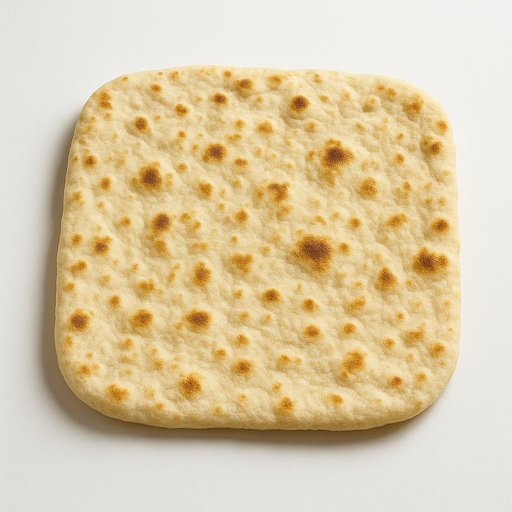
칠레 플랫브레드 공급업체 및 가격 — 마켓 오버뷰 2026
원재료
우유, 우유 버터, 분유, 올리브 기름, +3
HS 코드
190590
최종 업데이트
2026-09-27
서치 및 소싱 팀을 위한 핵심 요약
- 수출 파트너 국가 5개와 수입 파트너 국가 5개가 랭킹되어 있습니다.
- 이 페이지 데이터셋의 최신 기준 연도는 2024입니다.
- 페이지 데이터 최종 업데이트일: 2026-09-27.
칠레의 플랫브레드 수출 공급업체·제조사 인텔리전스, 가격 동향, 무역 흐름
Supply Chain Intelligence 기업 프로필 및 분석으로 칠레의 플랫브레드 수출업체 커버리지, 파트너 품질, 경로 우선순위를 검증하세요.
칠레 내 플랫브레드의 연간 수출 금액, 물량 및 공급업체 시장 규모 (HS 코드 190590)
칠레의 플랫브레드 수출 물량/금액 2년치를 분석해 공급 측 시장 성장, 계절성, 무역 변동성을 평가하세요.
| 연도 | 물량 | 금액 |
|---|---|---|
| 2024 | 4,167,870 | 17,970,920 USD |
| 2022 | 1,936,529 | 8,089,636 USD |
칠레에서 수출되는 플랫브레드의 주요 수출 대상 시장 (HS 코드 190590) 2024
2024년 기준, 칠레발 플랫브레드 수출의 상위 목적지국 5개 전반에서 수출 물량과 금액을 비교하세요.
| 순위 | 국가 | 물량 | 금액 |
|---|---|---|---|
| 1 | 브라질 | 706,627 | 5,914,078.94 USD |
| 2 | 우루과이 | 1,186,450 | 3,336,282.98 USD |
| 3 | 파라과이 | 870,838 | 3,015,999.36 USD |
| 4 | 아르헨티나 | 619,197 | 1,630,367.65 USD |
| 5 | 페루 | 213,735 | 948,648.81 USD |
소싱 진단
칠레산 플랫브레드, 우리도 들여올 수 있을까요?
필요한 스펙과 물량만 알려주세요. 실제로 소싱이 되는지, 어떤 원산지와 공급사가 맞는지 짚어드려요.
무료 진단, 계정 없이 이용 가능합니다.
칠레의 플랫브레드 수입 바이어 인텔리전스 및 가격 시그널: 바이어, 수요, 거래 파트너
칠레의 플랫브레드에 대해 수입 파트너 기업 1개가 추적됩니다. 수출업체와 수입업체는 Supply Chain Intelligence 회사 프로필 및 분석을 활용해 바이어 수요, 파트너 밀도, 다운스트림 채널을 분석할 수 있습니다.
스캐터 포인트는 전체 거래 데이터셋의 100.0%에서 샘플링되었습니다. 각 점은 실제 거래입니다. 가입하고 확인해 보세요 — 적정한 거래였는지 AI에게 물어볼 수도 있습니다.
플랫브레드의 칠레 샘플 수입 거래 및 가격 기록
칠레의 플랫브레드 샘플 수입 거래 5건은 가격 수준과 수요 측 거래 패턴 벤치마킹을 위한 날짜, 원산지, 무역 국가 맥락을 제공합니다.
칠레의 플랫브레드 샘플 수입 거래 단가(일자별): 2026-04-13: 4.07 USD / kg, 2026-01-21: 3.88 USD / kg, 2026-01-20: 3.88 USD / kg, 2025-09-06: 4.06 USD / kg, 2025-09-06: 4.07 USD / kg.
| 일자 | 신고 품목 | 단가 | 수출업체 | 수입업체 | 원산지 | |
|---|---|---|---|---|---|---|
| 2026-04-13 | KHA**** | 4.07 USD / kg | (-) | (-) | - | |
| 2026-01-21 | KHA**** | 3.88 USD / kg | (-) | (-) | - | |
| 2026-01-20 | KHA**** | 3.88 USD / kg | (-) | (-) | - | |
| 2025-09-06 | KHA**** | 4.06 USD / kg | (-) | (-) | - | |
| 2025-09-06 | KHA**** | 4.07 USD / kg | (-) | (-) | - |
이 5건은 샘플입니다 — 트릿지에 가입하고 칠레 플랫브레드 거래를 확인하세요
필요한 거래의 수출·수입업체와 가격을 확인하고, 적정한 거래였는지 AI에게 묻고, AI Curation으로 만들어 보세요.
칠레 내 상위 플랫브레드 바이어, 수입업체 및 수요 파트너
선도 바이어 프로필을 검토하고 칠레의 플랫브레드에 대해 추적되는 전체 수입 파트너 기업 1개와 비교하세요. 수출업체와 수입업체는 Supply Chain Intelligence 회사 프로필 및 분석으로 수요 측 파트너 적합도를 평가할 수 있습니다.
(칠레)
최근 수입 거래: 2026-08-27
산업군: 식품 제조, 식음료 서비스업, 식품 도매
밸류체인 역할: 유통 / 도매, 식품 제조, 소매
트릿지 아이에서 전체 그림 보기: 가격·거래 전체 이력 · 725,009+ 기업 프로필
칠레 수입 파트너 커버리지
1개 기업
수입 파트너 기업 수는 칠레의 플랫브레드 수요 측 가시성을 보여줍니다.
공급망 인텔리전스 분석과 기업 프로필을 활용해 칠레에서 활동 중인 플랫브레드 수입업체, 유통업체, 바이어 네트워크를 식별하세요.
칠레 내 플랫브레드의 연간 수입 금액, 물량 및 수요 규모 (HS 코드 190590)
칠레의 플랫브레드 수입 물량/금액 3년치를 추적해 수요 성장과 시장 모멘텀을 평가하세요.
| 연도 | 물량 | 금액 |
|---|---|---|
| 2024 | 30,303,534 | 94,380,800 USD |
| 2023 | 34,683,436 | 104,553,865 USD |
| 2022 | 33,394,725 | 102,458,947 USD |
칠레에 플랫브레드를 공급하는 주요 원산지 공급국 (HS 코드 190590) 2024
2024년 기준, 칠레로 플랫브레드를 공급하는 상위 원산 공급국 5개 전반의 수입 물량과 금액을 비교하세요.
| 순위 | 국가 | 물량 | 금액 |
|---|---|---|---|
| 1 | 스페인 | 5,682,160 | 18,131,483.45 USD |
| 2 | 아르헨티나 | 4,260,730 | 13,930,818.064 USD |
| 3 | 페루 | 4,991,010 | 9,417,937.249 USD |
| 4 | 미국 | 2,041,420 | 8,316,862.29 USD |
| 5 | 독일 | 2,468,710 | 5,648,137.93 USD |
수출 진단
우리 플랫브레드, 이 칠레 바이어들에게 팔 수 있을까요?
만드시는 제품만 알려주시면 됩니다. 지금 수출할 준비가 됐는지, 어느 시장이 맞는지 봐드려요.
무료 진단, 계정 없이 이용 가능합니다.
가격 데이터
칠레 플랫브레드 가격, 어디까지 필요하세요?
전체 가격 히스토리와 경쟁사 벤치마크를 열어드립니다. 어떤 숫자가 필요하신지만 말씀해 주시면 함께 살펴봐 드려요.
Classification
Product TypeProcessed Food
Product FormPackaged (Ambient or Frozen)
Industry PositionProcessed Bakery Product
Market
Flatbread in Chile is primarily a domestic consumer market supplied through local industrial bakeries, artisanal panaderías, and imports of longer-shelf-life or frozen SKUs. Packaged flatbreads are strongly shaped by Chile’s food labeling framework, including Spanish-label requirements and front-of-package warning labels when nutrient thresholds are exceeded. Demand is concentrated in retail and foodservice use cases such as wraps, sandwiches, and accompaniment breads. Market sizing and growth rates are not stated here due to lack of a single verifiable public source specific to flatbread.
Market RoleDomestic consumer market with local manufacturing and supplementary imports
Domestic RoleEveryday staple-style bakery item and foodservice input (wraps/sandwich formats) sold via retail and bakeries
Market Growth
SeasonalityYear-round availability driven by continuous baking/manufacturing and steady retail distribution; not tied to an agricultural harvest season.
Specification
Physical Attributes
- Pliability/rollability without cracking (wrap use)
- Even bake/browning and uniform thickness
- Freedom from mold growth and off-odors through stated shelf life
Compositional Metrics
- Sodium level is commercially important due to potential front-of-package warning labels when thresholds are exceeded
- Moisture control is critical to manage mold risk and texture over shelf life
Packaging
- Sealed retail pouches with date coding and lot identification
- Outer corrugated cartons for distribution; frozen SKUs use cold-chain-appropriate secondary packaging
Supply Chain
Value Chain
- Flour and ingredients procurement → dough mixing → sheeting/portioning → baking → cooling → packaging and date/lot coding → distribution to retail/foodservice
Temperature
- Ambient SKUs require humidity/temperature control to limit condensation and mold
- Frozen SKUs require continuous frozen storage and transport to prevent thaw/refreeze damage
Atmosphere Control
- Oxygen and humidity exposure management in packaging influences mold risk and texture
Shelf Life
- Shelf life is primarily constrained by mold growth and staling; handling breaks and moisture ingress can cause early spoilage
Freight IntensityMedium
Transport ModeSea
Risks
Regulatory Compliance HighNon-compliant labeling for packaged flatbread (Spanish label content and front-of-package warning labels when thresholds are exceeded) can prevent legal sale, trigger enforcement actions, or require costly re-labeling/reformulation in Chile.Run a pre-shipment label compliance review against Chile’s RSA and the national front-of-package warning label requirements; confirm nutrient profile, warnings, allergens, and Spanish label elements before printing packaging.
Food Safety MediumMold growth and premature spoilage are recurring risks for packaged flatbread if moisture control, preservative strategy, packaging integrity, and storage conditions are not robust across Chile’s distribution chain.Validate shelf-life under expected Chile distribution conditions; implement moisture/pack integrity monitoring, and ensure GMP/HACCP controls for post-bake cooling and packaging.
Logistics MediumFor imported packaged or frozen flatbread, port delays, freight-rate volatility, and cold-chain breaks (for frozen SKUs) can erode margins and cause quality claims or write-offs.Use conservative lead times and buffer inventory for imported SKUs; select validated cold-chain partners for frozen products and include temperature monitoring/claims protocols.
Sustainability
- Sodium reduction and reformulation pressure for packaged flatbreads that would otherwise carry front-of-package warning labels
- Packaging waste expectations in modern retail (supplier pressure to optimize packaging weight and recyclability claims where used)
Standards
- BRCGS Food Safety
- FSSC 22000
- IFS Food
- ISO 22000 / HACCP-based food safety management
FAQ
Do packaged flatbreads sold in Chile need front-of-package warning labels?They may. Chile’s labeling framework requires front-of-package warning labels for packaged foods that exceed defined thresholds for nutrients such as calories, sugars, saturated fat, or sodium, so some flatbreads/wraps will carry one or more warnings depending on their formulation.
What are the main label and information expectations for packaged flatbread entering Chile?Packaged flatbread is expected to comply with Chile’s food regulation framework, including Spanish consumer labeling with key product information and allergen declarations (e.g., wheat/gluten), and the applicable front-of-package warning labels when nutrient thresholds are exceeded.
Which supplier certifications are commonly requested by modern retail buyers in Chile for packaged flatbread?Large retail and foodservice buyers commonly request GFSI-recognized schemes (such as BRCGS, FSSC 22000, or IFS) or ISO 22000/HACCP-based systems to support auditability and food-safety assurance.
Sources


수출·소싱 진단
칠레 플랫브레드, 사는 쪽이세요 파는 쪽이세요?
어느 쪽이든 몇 가지만 답해주시면 됩니다. 어디서 살 수 있는지, 누구에게 팔 수 있는지 정리해서 보내드릴게요.
무료 진단, 계정 없이 이용 가능합니다.
'쿠키 허용'을 클릭하면 통계 및 개인 선호도 산출을 위한 쿠키 제공에 동의하게 됩니다.
개인정보 보호정책에서 쿠키에 대한 자세한 내용을 확인할 수 있습니다.