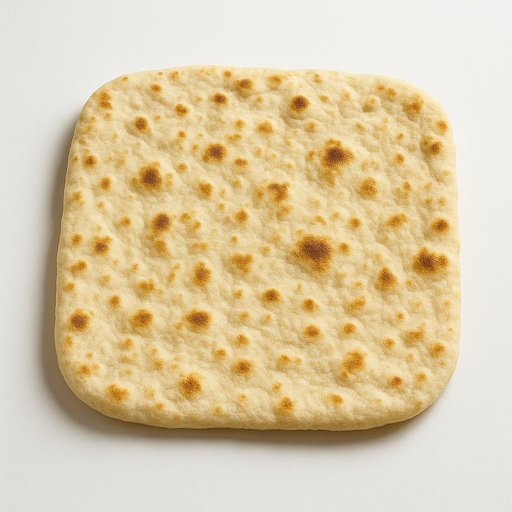
포르투갈 플랫브레드 공급업체 및 가격 — 마켓 오버뷰 2026
원재료
우유, 우유 버터, 분유, 올리브 기름, +3
HS 코드
190590
최종 업데이트
2026-09-27
서치 및 소싱 팀을 위한 핵심 요약
- 포르투갈에 대한 샘플 수출 거래 1건이 요약되어 있습니다.
- 수출 파트너 국가 5개와 수입 파트너 국가 5개가 랭킹되어 있습니다.
- 이 페이지 데이터셋의 최신 기준 연도는 2024입니다.
- 페이지 데이터 최종 업데이트일: 2026-09-27.
포르투갈의 플랫브레드 수출 공급업체·제조사 인텔리전스, 가격 동향, 무역 흐름
포르투갈의 플랫브레드에 대해 수출 파트너 기업 2개가 추적됩니다. Supply Chain Intelligence 회사 프로필 및 분석으로 수출업체 커버리지, 파트너 품질, 경로 우선순위를 검증하세요.
포르투갈에서의 플랫브레드 수출 인텔리전스를 확인하세요. 샘플 공급업체 거래 1건, 월간 단가 범위, HS 코드 190590의 파트너 국가 무역 흐름 패턴을 포함합니다.
스캐터 포인트는 전체 거래 데이터셋의 100.0%에서 샘플링되었습니다. 각 점은 실제 거래입니다. 가입하고 확인해 보세요 — 적정한 거래였는지 AI에게 물어볼 수도 있습니다.
포르투갈의 플랫브레드 샘플 수출 공급업체·제조사 거래 기록
포르투갈의 플랫브레드 샘플 거래 1건에는 수출 가격과 공급업체 거래 패턴 벤치마킹을 위한 날짜, 원산지, 파트너 국가 맥락이 포함됩니다.
포르투갈의 플랫브레드 샘플 거래 단가(일자별): 2025-12-15: 6.04 USD / kg.
| 일자 | 신고 품목 | 단가 | 수출업체 | 수입업체 | |
|---|---|---|---|---|---|
| 2025-12-15 | Tos**** *** ***** * ******* ****** | 6.04 USD / kg | (포르투갈) | (코스타리카) |
이 1건은 샘플입니다 — 트릿지에 가입하고 포르투갈 플랫브레드 거래를 확인하세요
필요한 거래의 수출·수입업체와 가격을 확인하고, 적정한 거래였는지 AI에게 묻고, AI Curation으로 만들어 보세요.
포르투갈의 상위 플랫브레드 수출 공급업체, 제조사 및 기업
선도 수출업체 프로필을 검토하고 포르투갈의 플랫브레드에 대해 추적되는 전체 수출 파트너 기업 2개와 비교하세요. Supply Chain Intelligence 회사 프로필 및 분석으로 소싱 및 수출 파트너를 더 빠르게 선별할 수 있습니다.
(포르투갈)
최근 수출 거래: 2026-08-27
임직원 규모: 직원 1 - 10명
산업군: 식품 도매, 기타
밸류체인 역할: 유통 / 도매, 무역
(포르투갈)
최근 수출 거래: 2026-08-27
산업군: 식품 도매, 온라인 리테일 및 풀필먼트
밸류체인 역할: 유통 / 도매, 소매, 무역
트릿지 아이에서 전체 그림 보기: 가격·거래 전체 이력 · 725,009+ 기업 프로필
포르투갈 수출 파트너 커버리지
2개 기업
총 수출 파트너 기업 수는 포르투갈의 플랫브레드 수출 네트워크 깊이를 보여주는 핵심 신호입니다.
수출업체와 수입업체는 공급망 인텔리전스 기업 프로필 및 분석을 열어 포르투갈 내 플랫브레드 파트너 집중도, 공급 역량 시그널, 무역 관련성을 평가할 수 있습니다.
포르투갈 내 플랫브레드의 연간 수출 금액, 물량 및 공급업체 시장 규모 (HS 코드 190590)
포르투갈의 플랫브레드 수출 물량/금액 3년치를 분석해 공급 측 시장 성장, 계절성, 무역 변동성을 평가하세요.
| 연도 | 물량 | 금액 |
|---|---|---|
| 2024 | 112,708,777 | 315,780,211 USD |
| 2023 | 103,646,125 | 290,657,178 USD |
| 2022 | 90,784,555 | 256,725,408 USD |
포르투갈에서 수출되는 플랫브레드의 주요 수출 대상 시장 (HS 코드 190590) 2024
2024년 기준, 포르투갈발 플랫브레드 수출의 상위 목적지국 5개 전반에서 수출 물량과 금액을 비교하세요.
| 순위 | 국가 | 물량 | 금액 |
|---|---|---|---|
| 1 | 스페인 | 60,502,928.25 | 112,308,900.558 USD |
| 2 | 영국 | 13,480,891.863 | 47,307,263.98 USD |
| 3 | 프랑스 | 13,374,485 | 45,480,896.322 USD |
| 4 | 미국 | 4,128,772.631 | 23,128,609.818 USD |
| 5 | 독일 | 2,766,752 | 12,499,981.145 USD |
소싱 진단
포르투갈산 플랫브레드, 우리도 들여올 수 있을까요?
필요한 스펙과 물량만 알려주세요. 실제로 소싱이 되는지, 어떤 원산지와 공급사가 맞는지 짚어드려요.
무료 진단, 계정 없이 이용 가능합니다.
포르투갈의 플랫브레드 수입 바이어 인텔리전스 및 가격 시그널: 바이어, 수요, 거래 파트너
수출업체와 수입업체는 Supply Chain Intelligence 기업 프로필 및 분석으로 포르투갈의 플랫브레드 구매 수요, 파트너 밀도, 다운스트림 채널을 분석할 수 있습니다.
포르투갈 내 플랫브레드의 연간 수입 금액, 물량 및 수요 규모 (HS 코드 190590)
포르투갈의 플랫브레드 수입 물량/금액 2년치를 추적해 수요 성장과 시장 모멘텀을 평가하세요.
| 연도 | 물량 | 금액 |
|---|---|---|
| 2023 | 167,184,250 | 457,342,983 USD |
| 2022 | 139,782,172 | 349,140,293 USD |
포르투갈에 플랫브레드를 공급하는 주요 원산지 공급국 (HS 코드 190590) 2024
2024년 기준, 포르투갈로 플랫브레드를 공급하는 상위 원산 공급국 5개 전반의 수입 물량과 금액을 비교하세요.
| 순위 | 국가 | 물량 | 금액 |
|---|---|---|---|
| 1 | 스페인 | 118,210,039.929 | 330,187,091.97 USD |
| 2 | 프랑스 | 17,617,112 | 47,599,911.515 USD |
| 3 | 독일 | 11,333,422 | 43,592,244.163 USD |
| 4 | 벨기에 | 2,445,186 | 10,812,612.786 USD |
| 5 | 네덜란드 | 2,232,988.425 | 8,016,141.076 USD |
수출 진단
우리 플랫브레드, 이 포르투갈 바이어들에게 팔 수 있을까요?
만드시는 제품만 알려주시면 됩니다. 지금 수출할 준비가 됐는지, 어느 시장이 맞는지 봐드려요.
무료 진단, 계정 없이 이용 가능합니다.
가격 데이터
포르투갈 플랫브레드 가격, 어디까지 필요하세요?
전체 가격 히스토리와 경쟁사 벤치마크를 열어드립니다. 어떤 숫자가 필요하신지만 말씀해 주시면 함께 살펴봐 드려요.
Classification
Product TypeProcessed Food
Product FormBaked (Packaged)
Industry PositionValue-Added Food Product (Bakery)
Market
Flatbread in Portugal is a processed bakery segment primarily serving domestic consumption through modern grocery retail, independent bakeries, and foodservice. Supply is likely a mix of locally produced packaged bakery items and imports (often via intra-EU trade), with market access governed by EU food safety and labeling rules. Buyer requirements typically emphasize consistent quality, shelf-life performance, and compliant allergen declarations (notably cereals containing gluten and, for some products, sesame). For exporters, the most frequent blockers are regulatory non-compliance (labeling/allergen issues) and margin sensitivity to logistics costs for a relatively low unit-value product.
Market RoleDomestic consumption market supplied by local production and imports
Domestic RoleConvenience bakery product for retail and foodservice meal occasions (wraps, sandwiches, kebab-style service)
Market GrowthNot Mentioned
SeasonalityYear-round availability dominated by continuous industrial baking and retail distribution rather than agricultural seasonality.
Specification
Secondary Variety
- Pita-style flatbread
- Naan-style flatbread
- Wrap-style flatbread
Physical Attributes
- Uniform size/shape for portion control (retail and foodservice)
- Pliability and low cracking/tearing during folding
- Even bake color with minimal scorching
Compositional Metrics
- Moisture management to avoid staling or mold during shelf-life
- Salt content and ingredient declaration consistent with labeling
Packaging
- Sealed plastic film bags for ambient distribution
- Modified-atmosphere packaging (MAP) formats for extended shelf-life (where used)
- Frozen bulk packs for foodservice (where applicable)
Supply Chain
Value Chain
- Milling/ingredient sourcing → dough mixing → portioning/sheeting → baking → cooling → packaging → distributor/retail or foodservice delivery
Temperature
- Ambient products require dry, cool storage to reduce mold risk and staling
- Frozen flatbread (if supplied) requires continuous −18°C cold chain
Atmosphere Control
- Oxygen control via packaging (e.g., MAP) can be used to support shelf-life in packaged flatbread
Shelf Life
- Shelf-life is sensitive to packaging integrity, moisture control, and post-bake cooling before sealing
Freight IntensityMedium
Transport ModeMultimodal
Risks
Regulatory Compliance HighNon-compliant EU labeling—especially undeclared allergens (e.g., cereals containing gluten; sesame where present) or incorrect ingredient/nutrition declarations—can trigger withdrawal/recall and may cause border detention or refusal for extra-EU shipments destined for Portugal.Validate Portuguese/EU label artwork and specifications before shipment (allergen emphasis, ingredient list, net quantity, durability date, operator details); run a pre-export compliance checklist against EU food information rules.
Logistics MediumFreight and fuel volatility can erode margins for a palletized, relatively low unit-value bakery product; risk increases for frozen formats requiring cold chain and for longer-haul extra-EU sourcing.Prioritize regional/intra-EU supply where feasible, optimize pallet utilization, and contract freight with service-level and temperature-control KPIs for frozen shipments.
Food Safety MediumQuality and safety incidents such as mold growth from moisture/packaging failures or foreign-body contamination can cause recalls and retailer delisting in Portugal’s modern trade.Implement HACCP with validated shelf-life studies, packaging integrity checks, and in-line foreign-body controls (sieves/magnets/metal detection) with documented verification.
Sustainability
- Energy use and emissions footprint in industrial baking (oven fuel/electricity)
- Packaging waste reduction expectations for plastic film formats in modern retail
Labor & Social
- Worker health and safety in industrial bakery environments (heat, machinery, shift work)
Standards
- BRCGS Food Safety
- IFS Food
- FSSC 22000
- ISO 22000
FAQ
What is the most common compliance issue that can stop flatbread shipments from being accepted in Portugal?Labeling non-compliance—especially undeclared or incorrectly declared allergens (such as cereals containing gluten, and sesame if used)—is a frequent deal-breaker because it can trigger withdrawal/recall and may cause border detention or refusal for extra-EU imports under EU rules.
Which documents are typically needed to import packaged flatbread into Portugal from outside the EU?Commonly needed documents include a commercial invoice, packing list, a transport document (such as a bill of lading/air waybill/CMR), an EU/Portugal customs import declaration, and proof of origin if claiming preferential tariff treatment.
Which private food-safety certifications are commonly requested by modern retail buyers for packaged flatbread sold in Portugal?Retail and private-label buyers commonly recognize schemes such as BRCGS Food Safety, IFS Food, FSSC 22000, and ISO 22000, alongside HACCP-based food-safety management.


수출·소싱 진단
포르투갈 플랫브레드, 사는 쪽이세요 파는 쪽이세요?
어느 쪽이든 몇 가지만 답해주시면 됩니다. 어디서 살 수 있는지, 누구에게 팔 수 있는지 정리해서 보내드릴게요.
무료 진단, 계정 없이 이용 가능합니다.
'쿠키 허용'을 클릭하면 통계 및 개인 선호도 산출을 위한 쿠키 제공에 동의하게 됩니다.
개인정보 보호정책에서 쿠키에 대한 자세한 내용을 확인할 수 있습니다.