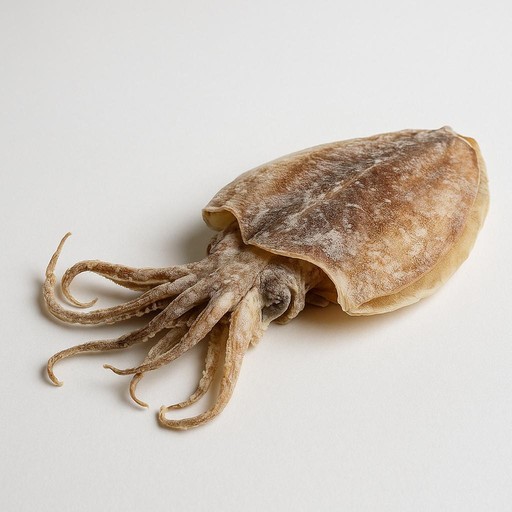
Dried Cuttlefish Suppliers & Prices in Vietnam — Market Overview 2026
Raw Materials
Fresh Cuttlefish
Last Updated
2026-10-19
Key takeaways for search and sourcing teams
- 5 sampled export transactions for Vietnam are summarized.
- 3 export partner companies and 20 import partner companies are mapped for Dried Cuttlefish in Vietnam.
- Page data last updated on 2026-10-19.
Dried Cuttlefish Export Supplier Intelligence, Price Trends, and Trade Flows in Vietnam
3 export partner companies are tracked for Dried Cuttlefish in Vietnam. Use Supply Chain Intelligence company profiles and analytics to validate exporter coverage, partner quality, and route priorities.
Explore Dried Cuttlefish export intelligence in Vietnam, including 5 sampled supplier transactions, monthly unit-price ranges, and partner-country trade flow patterns for HS Code -.
Scatter points are sampled from 39.3% of the full transaction dataset. Each point is a real transaction — click one to see its details and ask AI Chat whether it was a fair deal.
Sample Export Supplier Transaction Records for Dried Cuttlefish in Vietnam
5 sampled Dried Cuttlefish transactions in Vietnam include date, origin, and partner-country context to benchmark export prices and supplier trading patterns.
Dried Cuttlefish sampled transaction unit prices by date in Vietnam: 2026-08-26: 0.58 USD / kg, 2026-08-11: 4.70 USD / kg, 2026-08-10: 0.40 USD / kg, 2026-08-10: 4.70 USD / kg, 2026-08-02: 0.40 USD / kg.
| Date | Reported Product | Unit Price | Exporter | Importer | |
|---|---|---|---|---|---|
| 2026-08-26 | Cut******* *** ******** ********** ******* ******** | 0.58 USD / kg | (Vietnam) | (China) | |
| 2026-08-11 | Cut******* ********** ******* *********** ** ********************************* ************* *** *** ********** **** ******* ******* *** ******************* ******************** ****************** ***** ***** *** ** *** **** ** ********** ************ | 4.70 USD / kg | (Vietnam) | (China) | |
| 2026-08-10 | Cut******* *** ******** ********** ******* ******** | 0.40 USD / kg | (Vietnam) | (China) | |
| 2026-08-10 | Cut******* ********** ******* *********** ** ********************************* ************* *** *** ********** **** ******* ******* *** ******************* ******************** ****************** ***** ***** *** ** *** **** ** ********** ************ | 4.70 USD / kg | (Vietnam) | (China) | |
| 2026-08-02 | Cut******* *** ******** ********** ******* ******** | 0.40 USD / kg | (Vietnam) | (China) |
These 5 rows are a sample — open Dried Cuttlefish transactions in Vietnam on Tridge Eye
Each record shows the exporter, importer and unit price. Ask AI Chat whether the deal was fair, or turn the records into an AI Curation.
Sign up and verify your company — newly verified companies get Tridge Eye Business free for the first month.
Top Dried Cuttlefish Export Suppliers and Companies in Vietnam
Review leading exporter profiles and benchmark them against 3 total export partner companies tracked for Dried Cuttlefish in Vietnam. Use Supply Chain Intelligence company profiles and analytics to shortlist sourcing and export partners faster.
(Vietnam)
Latest Export Transaction: 2026-09-19
Employee Size: Over 1000 Employees
Industries: Beverage Manufacturing, Food Manufacturing, Food Services And Drinking Places, Food Wholesalers, Online Retail And Fulfillment
Value Chain Roles: Distribution / Wholesale, Food Manufacturing, Retail, Trade
(Vietnam)
Latest Export Transaction: 2026-09-19
Industries: Beverage Manufacturing, Food Manufacturing, Food Services And Drinking Places
Value Chain Roles: Distribution / Wholesale, Food Manufacturing
(Vietnam)
Latest Export Transaction: 2026-09-19
Employee Size: 51 - 100 Employees
Industries: Food Wholesalers
Value Chain Roles: Distribution / Wholesale
See the full picture in Tridge Eye: full price and trade history · 725,009+ company profiles
Vietnam Export Partner Coverage
3 companies
Total export partner company count is a core signal of Vietnam export network depth for Dried Cuttlefish.
Exporters and importers can open Supply Chain Intelligence company profiles and analytics to assess Dried Cuttlefish partner concentration, capacity signals, and trade relevance in Vietnam.
Tridge Ark · Sourcing Feasibility Check
Could you be importing Dried Cuttlefish from Vietnam yourself?
Just tell us your spec and the volume you need. We'll check whether it's actually sourceable, and which origins and suppliers fit.
Free feasibility check, no account required.
Dried Cuttlefish Import Buyer Intelligence and Price Signals in Vietnam: Buyers, Demand, and Trade Partners
20 import partner companies are tracked for Dried Cuttlefish in Vietnam. Exporters and importers can use Supply Chain Intelligence company profiles and analytics to analyze buyer demand, partner density, and downstream channels.
Scatter points are sampled from 93.8% of the full transaction dataset. Each point is a real transaction — click one to see its details and ask AI Chat whether it was a fair deal.
Sample Import Transaction and Price Records for Dried Cuttlefish in Vietnam
5 sampled Dried Cuttlefish import transactions in Vietnam provide date, origin, and trade-country context to benchmark price levels and demand-side trading patterns.
Dried Cuttlefish sampled import transaction unit prices by date in Vietnam: 2026-05-26: 0.80 USD / kg, 2026-03-22: 3.38 USD / kg, 2026-01-21: 13.40 USD / kg, 2026-01-16: 0.80 USD / kg, 2026-01-13: 0.70 USD / kg.
| Date | Reported Product | Unit Price | Exporter | Importer | Origin | |
|---|---|---|---|---|---|---|
| 2026-05-26 | Cap**** ****** ********** ***** ***** ********* ***** **** ******* *** ******* *** ********* ** ********* ********** *** ****** *** ***** *** *** ***** ************ *** *** *** ***** ***** *** ***** ************ | 0.80 USD / kg | (-) | (-) | - | |
| 2026-03-22 | JIB*** ******** * ********** ********** * ************ | 3.38 USD / kg | (-) | (-) | - | |
| 2026-01-21 | Cap**** *** ***** ****** ****** **** ****** ***** ******* **** ************ | 13.40 USD / kg | (-) | (-) | - | |
| 2026-01-16 | Cap***** ***** ****** ********** ***** ***** ************ ***** **** *** ******** *** ****** ************** **** *** ********** *** ***** *** ****** ************** ************ | 0.80 USD / kg | (-) | (-) | - | |
| 2026-01-13 | CUT******* ************ *** *** **** ***** ******* *** ****** ** ****** ***** **** *** ************* **** **** ********** ***** *** ***** ************ | 0.70 USD / kg | (-) | (-) | - |
These 5 rows are a sample — open Dried Cuttlefish transactions in Vietnam on Tridge Eye
Each record shows the exporter, importer and unit price. Ask AI Chat whether the deal was fair, or turn the records into an AI Curation.
Sign up and verify your company — newly verified companies get Tridge Eye Business free for the first month.
Top Dried Cuttlefish Buyers, Importers, and Demand Partners in Vietnam
Review leading buyer profiles and compare them with 20 total import partner companies tracked for Dried Cuttlefish in Vietnam. Exporters and importers can use Supply Chain Intelligence company profiles and analytics to evaluate demand-side partner fit.
(Vietnam)
Latest Import Transaction: 2026-09-19
Industries: Fishing Aquaculture, Food Manufacturing, Food Packaging, Others
Value Chain Roles: Distribution / Wholesale, Farming / Production / Processing / Packing, Food Manufacturing
(Vietnam)
Latest Import Transaction: 2026-09-19
Industries: Food Manufacturing, Food Packaging, Others
Value Chain Roles: Food Manufacturing, Trade
(Vietnam)
Latest Import Transaction: 2026-09-19
Industries: Brokers And Trade Agencies, Fishing Aquaculture, Food Manufacturing, Food Packaging
Value Chain Roles: Food Manufacturing, Trade
(Vietnam)
Latest Import Transaction: 2026-09-19
Industries: Food Manufacturing
Value Chain Roles: Food Manufacturing
(Vietnam)
Latest Import Transaction: 2026-09-19
Industries: Fishing Aquaculture, Food Manufacturing, Freight Forwarding And Intermodal
Value Chain Roles: Logistics, Trade
(Vietnam)
Latest Import Transaction: 2026-09-19
Industries: Others
Value Chain Roles: Trade
See the full picture in Tridge Eye: full price and trade history · 725,009+ company profiles
Vietnam Import Partner Coverage
20 companies
Import partner company count highlights demand-side visibility for Dried Cuttlefish in Vietnam.
Use Supply Chain Intelligence analytics and company profiles to identify active Dried Cuttlefish importers, distributors, and buyer networks in Vietnam.
Tridge Ark · Export Feasibility Check
Your Dried Cuttlefish — could it sell to these buyers in Vietnam?
Just tell us what you make. We'll see whether you're ready to export today and which markets suit your offer.
Free feasibility check, no account required.
Classification
Product TypeProcessed Food
Product FormDried
Industry PositionProcessed Seafood Product
Market
Vietnam is a significant processor and exporter of cephalopod products (squid and cuttlefish), and dried cuttlefish (mực khô) is a shelf-stable, value-added seafood product supplied to both domestic channels and export buyers, with Asian markets frequently cited as key destinations in industry reporting. Processing commonly involves cleaning and drying (sun or mechanical), followed by grading and vacuum packaging for trade. Market access for wild-caught cephalopods is shaped by strengthened traceability expectations and IUU-focused scrutiny, including the EU catch-certificate framework and the European Commission’s ongoing ‘yellow card’ dialogue with Vietnam. From January 1, 2026, U.S. Marine Mammal Protection Act (MMPA) import provisions can prohibit imports from specific foreign fisheries denied a comparability finding and can trigger Certification of Admissibility requirements for products sharing certain country-of-origin and HTS-code combinations, increasing documentation and compliance risk for Vietnam-origin seafood shipments.
Market RoleMajor processor and exporter
Domestic RoleDomestic snack and specialty dried-seafood product sold via retail and foodservice channels, alongside export-oriented B2B supply.
Specification
Physical Attributes
- Buyer-facing quality cues commonly emphasized in Vietnam exporter specifications include clean appearance (pre-cleaned), characteristic dried-seafood aroma, and controlled moisture to balance chewiness and shelf stability.
Compositional Metrics
- Moisture level is commonly used as a grading parameter in exporter specifications for dried cephalopod products.
Grades
- Size grading (e.g., by piece size/weight) is commonly used in exporter offers; detailed grade naming varies by supplier and buyer program.
Packaging
- Vacuum-packed retail packs (various weights) for distribution and export
- Bulk cartons for export shipments (cartonized vacuum packs or bulk-packed formats, depending on buyer request)
Supply Chain
Value Chain
- Landing/receiving (wild-caught) → cleaning/evisceration/flattening → drying (sun or mechanical) → grading (size/moisture) → vacuum packaging → warehousing → export dispatch
Temperature
- Dried product logistics are less temperature-sensitive than frozen cephalopods, but storage and transport should prioritize cool, dry conditions to prevent moisture pickup and quality deterioration.
Atmosphere Control
- Moisture-barrier packaging (often vacuum packs) helps reduce oxidation risk and limits moisture ingress during storage and transit.
Shelf Life
- Shelf life is strongly influenced by final moisture level, packaging integrity, and humidity exposure during distribution; vacuum packing is commonly used to support shelf stability.
Freight IntensityLow
Transport ModeSea
Risks
Regulatory Compliance HighU.S. Marine Mammal Protection Act (MMPA) import provisions take effect on January 1, 2026 for foreign fisheries denied a comparability finding, creating a risk of import prohibition for affected fisheries and/or entry delays and rejections if required Certification of Admissibility (COA) documentation is missing or inconsistent for Vietnam-origin seafood products under relevant country-of-origin and HTS-code combinations.Before contracting, confirm whether the supplying fishery/gear/area pathway is associated with any denied comparability findings and whether COA is required; implement COA-ready harvest record documentation and pre-entry document QA with the U.S. importer of record.
Regulatory Compliance HighVietnam’s wild-caught seafood continues to face elevated EU IUU scrutiny under the European Commission’s ‘yellow card’ process (in place since 2017), increasing the risk of delays, intensified verification, or loss of EU market access if traceability and catch-certificate expectations are not met.Use a documented chain-of-custody from vessel/landing to processing lot; ensure EU catch-certificate data completeness and validation workflows are aligned with EU Regulation (EC) No 1005/2008 and current TRACES/IMSO CATCH procedures.
Food Safety MediumDried seafood can face heightened compliance sensitivity for contaminants (e.g., heavy metals) because drying concentrates solids; mismatches between domestic technical limits and destination-market application of processing/drying factors can create test-failure or dispute risk for dried cuttlefish consignments.Run batch-level contaminant testing using accredited laboratories; document product-specific processing/drying factors and align the compliance interpretation with destination-market rules (e.g., EU contaminant framework and buyer guidance) before shipment release.
Supply MediumCephalopod processors in Vietnam may face raw-material shortages and variability (including constraints on imported raw material availability for processing), which can reduce output or shift product specifications and timing for dried cuttlefish programs.Contract with diversified raw-material pathways (local catch + approved imported inputs where allowed), maintain buffer inventory for key grades, and agree on allowable spec ranges (size/moisture) and shipment windows in sales contracts.
Sustainability
- IUU fishing and catch traceability scrutiny for wild-caught cephalopods, with heightened buyer and regulator attention due to Vietnam’s ongoing EU IUU ‘yellow card’ status and inspections.
- Raw-material availability variability (local-catch fluctuations and, for some processors, reliance on imported raw material) that can disrupt production planning and contract fulfillment.
Labor & Social
- For higher-scrutiny markets, buyers may link IUU compliance and catch documentation with broader responsible-supply expectations (including vessel and landing-site governance) in wild-capture seafood supply chains.
Standards
- HACCP
- ISO 22000
FAQ
What is the single biggest near-term regulatory risk for Vietnam-origin dried cuttlefish shipments to the United States?From January 1, 2026, the U.S. Marine Mammal Protection Act (MMPA) import provisions can prohibit imports of fish and fish products from specific foreign fisheries that were denied a comparability finding, and can require a NOAA Certification of Admissibility for certain country-of-origin and HTS-code combinations. Exporters and importers should confirm whether the supplying fishery pathway is affected and ensure required admissibility documentation is complete before entry filing.
Why does EU IUU compliance matter for dried cuttlefish exported from Vietnam?The EU IUU framework requires imported wild-caught fishery products to be accompanied by a catch certificate validated by the flag State/competent authority, and Vietnam has been under an EU ‘yellow card’ warning since 2017. This combination increases scrutiny and raises the risk of delays or loss of access if catch documentation and traceability are not fully compliant.
What food-safety issue is especially important for dried cephalopod products like dried cuttlefish?Drying concentrates the edible solids, so contaminant compliance (such as heavy metals) can be more sensitive for dried seafood than for fresh products. Exporters typically manage this by running batch testing, documenting processing/drying factors where relevant, and aligning interpretations with destination-market contaminant rules and buyer requirements.
Sources


Tridge Ark · Export & Sourcing Feasibility Checks
Dried Cuttlefish in Vietnam — are you buying, or selling?
Either way it's a few questions. We'll come back with where you could buy it, or who you could sell it to.
Free feasibility check, no account required.
Related Dried Cuttlefish Product Categories
Browse parent, sub, derived, and raw-material product market pages related to Dried Cuttlefish.
Raw materials: Fresh Cuttlefish
By clicking “Accept Cookies,” I agree to provide cookies for statistical and personalized preference purposes. To learn more about our cookies, please read our Privacy Policy.