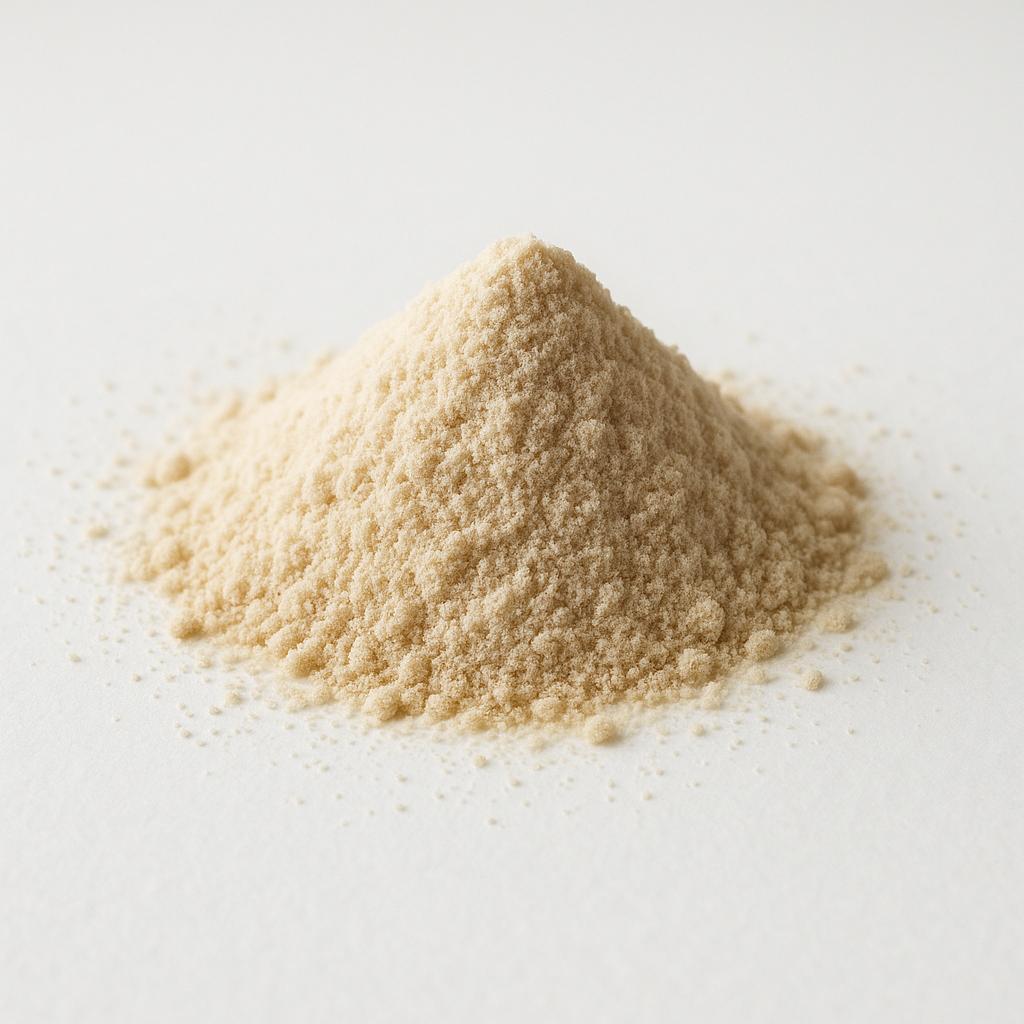
Lactobacillus Suppliers & Prices in United States — Market Overview 2026
Parent Product
Probiotics
Derived Products
Probiotic Yogurt Drink, Probiotic Yogurt, Probiotic Wellness Shot, Probiotic Yogurt Powder, +2
Last Updated
2026-10-19
Key takeaways for search and sourcing teams
- 5 sampled export transactions for United States are summarized.
- Page data last updated on 2026-10-19.
Lactobacillus Export Supplier Intelligence, Price Trends, and Trade Flows in United States
15 export partner companies are tracked for Lactobacillus in United States. Use Supply Chain Intelligence company profiles and analytics to validate exporter coverage, partner quality, and route priorities.
Explore Lactobacillus export intelligence in United States, including 5 sampled supplier transactions, monthly unit-price ranges, and partner-country trade flow patterns for HS Code -.
Scatter points are sampled from 16.2% of the full transaction dataset. Each point is a real transaction — click one to see its details and ask AI Chat whether it was a fair deal.
Sample Export Supplier Transaction Records for Lactobacillus in United States
5 sampled Lactobacillus transactions in United States include date, origin, and partner-country context to benchmark export prices and supplier trading patterns.
Lactobacillus sampled transaction unit prices by date in United States: 2026-10-13: 430.00 USD / kg, 2026-10-13: 134.90 USD / kg, 2026-10-06: 384.39 USD / kg, 2026-10-06: 384.39 USD / kg, 2026-10-06: 384.38 USD / kg.
| Date | Reported Product | Unit Price | Exporter | Importer | |
|---|---|---|---|---|---|
| 2026-10-13 | [프로****** ****** ****** ***************** **** | 430.00 USD / kg | (United States) | (South Korea) | |
| 2026-10-13 | [프로****** *** **** ************ ********* **** *** | 134.90 USD / kg | (United States) | (South Korea) | |
| 2026-10-06 | [프로****** ********* **** *********************** | 384.39 USD / kg | (United States) | (South Korea) | |
| 2026-10-06 | [프로****** ********* **** *********************** | 384.39 USD / kg | (United States) | (South Korea) | |
| 2026-10-06 | [프로****** ********* **** *********************** | 384.38 USD / kg | (United States) | (South Korea) |
These 5 rows are a sample — open Lactobacillus transactions in United States on Tridge Eye
Each record shows the exporter, importer and unit price. Ask AI Chat whether the deal was fair, or turn the records into an AI Curation.
Sign up and verify your company — newly verified companies get Tridge Eye Business free for the first month.
Top Lactobacillus Export Suppliers and Companies in United States
Review leading exporter profiles and benchmark them against 15 total export partner companies tracked for Lactobacillus in United States. Use Supply Chain Intelligence company profiles and analytics to shortlist sourcing and export partners faster.
(United States)
Latest Export Transaction: 2026-09-19
Employee Size: 101 - 500 Employees
Sales Revenue: USD 5M - 10M
Industries: Others
Value Chain Roles: Distribution / Wholesale
(United States)
Latest Export Transaction: 2026-09-19
Recently Export Partner Companies: 1
Employee Size: Over 1000 Employees
Industries: Beverage Manufacturing, Food Manufacturing, Others
Value Chain Roles: Distribution / Wholesale, Farming / Production / Processing / Packing, Food Manufacturing
(United States)
Latest Export Transaction: 2026-09-19
Employee Size: Over 1000 Employees
Sales Revenue: USD Over 1B
Industries: Beverage Manufacturing, Food Manufacturing, Food Packaging, Food Services And Drinking Places, Food Wholesalers, Online Retail And Fulfillment, Others
Value Chain Roles: Food Manufacturing, Logistics, Retail, Trade
(United States)
Latest Export Transaction: 2026-09-19
Industries: Brokers And Trade Agencies, Food Wholesalers, Others
Value Chain Roles: Distribution / Wholesale, Logistics, Trade
(United States)
Latest Export Transaction: 2026-09-19
Employee Size: 11 - 50 Employees
Sales Revenue: USD 5M - 10M
Industries: Others
Value Chain Roles: Trade
(United States)
Latest Export Transaction: 2026-09-19
Industries: Food Wholesalers, Others
Value Chain Roles: Distribution / Wholesale, Logistics, Trade
See the full picture in Tridge Eye: full price and trade history · 725,009+ company profiles
United States Export Partner Coverage
15 companies
Total export partner company count is a core signal of United States export network depth for Lactobacillus.
Exporters and importers can open Supply Chain Intelligence company profiles and analytics to assess Lactobacillus partner concentration, capacity signals, and trade relevance in United States.
Tridge Ark · Sourcing Feasibility Check
Could you be importing Lactobacillus from United States yourself?
Just tell us your spec and the volume you need. We'll check whether it's actually sourceable, and which origins and suppliers fit.
Free feasibility check, no account required.
Export Market Curation
Lactobacillus × United States
View detailed export analysis including price trends, competitor landscape, and supply chain intelligence.
Tridge Ark · Export Feasibility Check
Your Lactobacillus — could it sell to these buyers in United States?
Just tell us what you make. We'll see whether you're ready to export today and which markets suit your offer.
Free feasibility check, no account required.
Classification
Product TypeIngredient
Product FormFreeze-dried probiotic culture (powder) / finished dietary supplement forms (capsules, powders)
Industry PositionDietary Supplement Ingredient (Probiotics)
Market
Lactobacillus (probiotic lactic-acid bacteria, typically identified on labels at genus–species–strain level) is widely sold in the United States as a dietary supplement ingredient and in finished probiotic supplements. In the U.S., probiotic supplements are regulated by FDA as dietary supplements (a category of food) under DSHEA, with manufacturing, packaging, labeling, and holding operations subject to dietary supplement cGMP requirements (21 CFR Part 111). Market access depends heavily on compliant labeling and claim practices (e.g., structure/function claim disclaimer and FDA notification) and on quality controls that support identity and viable counts (CFUs) through shelf life with appropriate storage instructions. Imports of probiotic ingredients and finished products must meet FDA import requirements (including Prior Notice) and can face detention/refusal if they appear violative or are subject to an Import Alert.
Market RoleDomestic consumption market supplied by both domestic and imported probiotic ingredients and finished dietary supplements
Domestic RoleCommon dietary supplement ingredient (live microbial/probiotic) used in finished probiotic supplements; also used in some foods
Specification
Secondary Variety
- Lacticaseibacillus rhamnosus GG
- Limosilactobacillus reuteri
Physical Attributes
- Viable (live) microorganisms; viability can decline over time and with improper storage.
Compositional Metrics
- Colony-forming units (CFUs) per serving are often listed on labels; CFU counts alone do not guarantee benefits and should be interpreted with strain identity and label context.
- Labels may list CFUs at time of manufacture or through the expiration/use-by date; CFUs can decline over time.
Grades
- Buyer/importer quality specifications commonly emphasize documented identity and viable count targets through shelf life (e.g., COA aligned to label claims).
Packaging
- Finished products use Supplement Facts labeling and typically provide microorganism identity (genus/species/strain), CFU information, expiration/use-by date, and storage instructions (room temperature vs refrigerated depending on product).
Supply Chain
Value Chain
- Strain selection & banking → controlled fermentation → harvest/concentration → stabilization (often freeze-drying) → blending into finished formats (capsules/powders) → packaging/labeling under 21 CFR Part 111 controls → domestic distribution and/or import entry processes (Prior Notice, FDA/CBP clearance).
Temperature
- Storage instructions are product-specific; some probiotic supplements require refrigeration while others are stable at room temperature.
- Temperature excursions and extended dwell times can contribute to viability (CFU) decline before use-by/expiration.
Shelf Life
- CFU counts can decline over time; labels may specify CFUs at manufacture vs through the expiration/use-by date.
Freight IntensityLow
Transport ModeMultimodal
Risks
Regulatory Compliance HighFDA Import Alerts can result in Detention Without Physical Examination (DWPE), disrupting or blocking imports of probiotic dietary supplement ingredients or finished products that appear to violate U.S. requirements (e.g., adulteration, misbranding, or other compliance concerns).Pre-screen the FDA Import Alert database; conduct pre-shipment label/claim and documentation checks; maintain cGMP evidence and quality documentation to address ‘appearance of violation’ concerns.
Regulatory Compliance MediumIf a probiotic strain is deemed a New Dietary Ingredient (NDI) and the required NDI notification has not been submitted to FDA, the dietary supplement can be deemed adulterated under U.S. law, creating a serious market access and enforcement risk.Perform an NDI determination for each strain and form; if required, submit an NDI notification with a safety basis at least 75 days prior to marketing and maintain supporting documentation.
Labeling And Claims MediumStructure/function and other health-related claims face dual scrutiny: FDA labeling requirements (including disclaimer and post-market claim notification timelines) and FTC advertising substantiation expectations; noncompliant claims can trigger enforcement, recalls, or import disruptions.Implement a claim review workflow aligned to FDA DSHEA labeling requirements and FTC substantiation principles; retain evidence files supporting express and implied claims.
Quality MediumProbiotic potency is commonly expressed as CFUs, but CFU counts can decline over time and depend on storage conditions; products that do not maintain viable counts consistent with labeling expectations may face quality complaints, recalls, or retailer delisting risk in the U.S.Set stability and release specifications that align with label claims (including whether CFUs are stated at manufacture or through expiration); control storage conditions per label and validate shelf-life performance.
Logistics MediumImport delays or handling outside labeled storage conditions can reduce viability (CFUs), increasing risk of out-of-spec product upon arrival or at retail in the U.S.Use validated packaging and transit controls consistent with label storage instructions; design logistics plans that minimize dwell time and include temperature/handling monitoring where appropriate.
Standards
- NSF/ANSI 173 dietary supplement certification (identity/label-claim and contaminant-focused third-party certification)
- NSF Certified for Sport® (channel-specific third-party testing/certification for banned substances, in addition to baseline certification requirements)
- USP Dietary Supplement Verification Program (third-party verification mark used in U.S. market quality signaling)
FAQ
Is Lactobacillus (a probiotic) considered a dietary ingredient in the United States?Yes. FDA’s dietary supplement Q&A notes that “dietary substances” that are part of the food supply can include live microbials (commonly referred to as probiotics), which can be used as dietary ingredients in dietary supplements under DSHEA.
When would a U.S. New Dietary Ingredient (NDI) notification be relevant for a probiotic strain?FDA explains that an NDI is a dietary ingredient not marketed in the United States in a dietary supplement before October 15, 1994, and that certain products containing an NDI require a premarket notification to FDA at least 75 days before introduction into interstate commerce. If an NDI notification is required and the product is marketed without it, FDA describes the product as adulterated under U.S. law.
What label information is commonly expected for probiotic supplements in the U.S.?NIH’s Office of Dietary Supplements explains that probiotic microorganisms are named by genus, species, and strain and that labels can include strain information, expiration/use-by date, storage instructions (room temperature vs refrigerated depending on product), and CFU information. FDA also describes required dietary supplement labeling elements such as the Supplement Facts panel.
What are key U.S. import compliance steps for probiotic dietary supplements or dietary ingredients?FDA states that Prior Notice is required for imported foods subject to the regulation, including dietary supplements and dietary ingredients. FDA also explains that Import Alerts can result in detention without physical examination (DWPE) for products with a history of violations, which can block entry unless the appearance of the violation is overcome.
Other Lactobacillus Country Markets for Supplier, Export, and Price Comparison from United States
Compare Lactobacillus supplier coverage, trade flows, and price benchmarks across countries related to United States.


Tridge Ark · Export & Sourcing Feasibility Checks
Lactobacillus in United States — are you buying, or selling?
Either way it's a few questions. We'll come back with where you could buy it, or who you could sell it to.
Free feasibility check, no account required.
Related Lactobacillus Product Categories
Browse parent, sub, derived, and raw-material product market pages related to Lactobacillus.
Parent product: Probiotics
By clicking “Accept Cookies,” I agree to provide cookies for statistical and personalized preference purposes. To learn more about our cookies, please read our Privacy Policy.