Lecithin Prices & Trade in Nigeria — Market Overview 2026
Derived Products
Chocolate Rice Cakes, Protein Pudding, Milk Chocolates, Whipped Dessert Powder, +13
HS Code
292320
Last Updated
2026-10-19
Key takeaways for search and sourcing teams
- Latest reference year in this page dataset is 2024.
- Page data last updated on 2026-10-19.
Lecithin Export Supplier Intelligence, Price Trends, and Trade Flows in Nigeria
Use Supply Chain Intelligence company profiles and analytics to validate Lecithin exporter coverage, partner quality, and route priorities in Nigeria.
Annual Export Value, Volume, and Supplier Market Size for Lecithin in Nigeria (HS Code 292320)
Analyze 2 years of Lecithin export volume and value in Nigeria to evaluate supplier market growth, seasonality, and trade volatility.
| Year | Volume | Value |
|---|---|---|
| 2023 | 523,820 | 522,077 USD |
| 2022 | 791,548 | 1,294,546 USD |
Tridge Ark · Sourcing Feasibility Check
Could you be importing Lecithin from Nigeria yourself?
Just tell us your spec and the volume you need. We'll check whether it's actually sourceable, and which origins and suppliers fit.
Free feasibility check, no account required.
Lecithin Import Buyer Intelligence and Price Signals in Nigeria: Buyers, Demand, and Trade Partners
Exporters and importers can use Supply Chain Intelligence company profiles and analytics to analyze Lecithin buyer demand, partner density, and downstream channels in Nigeria.
Annual Import Value, Volume, and Demand Size for Lecithin in Nigeria (HS Code 292320)
Track 2 years of Lecithin import volume and value in Nigeria to assess demand growth and market momentum.
| Year | Volume | Value |
|---|---|---|
| 2023 | 522,880 | 2,453,084 USD |
| 2022 | 401,689 | 1,726,957 USD |
Tridge Ark · Export Feasibility Check
Your Lecithin — could it sell to these buyers in Nigeria?
Just tell us what you make. We'll see whether you're ready to export today and which markets suit your offer.
Free feasibility check, no account required.
Classification
Product TypeIngredient
Product FormLiquid or Powder (Food additive/emulsifier)
Industry PositionFood Ingredient / Food Additive (Emulsifier, Antioxidant)
Market
Lecithin (HS 292320; INS 322(i)) in Nigeria is primarily an import-supplied food ingredient used as an emulsifier/antioxidant in industrial food manufacturing. UN Comtrade data (via WITS) show Nigeria imported HS 292320 from multiple origins in 2023, with India and China among the largest suppliers by value and quantity. Market access and continuity are strongly influenced by NAFDAC port clearance requirements for food raw materials, including import permits, documentation vetting, joint inspection, and laboratory evaluation before marketing or use. Import processes also intersect with Nigeria’s Form M and PAAR workflow for goods clearance, adding procedural lead-time sensitivity.
Market RoleImport-dependent ingredient market (net importer)
Domestic RoleIndustrial input (emulsifier/antioxidant) for Nigerian food manufacturing and formulation
Market GrowthMixed (2019–2023 (trade-statistics context))import values fluctuate year to year
Specification
Primary VarietyVegetable lecithin (INS 322(i))
Secondary Variety
- Sunflower lecithin
- Egg lecithin
Physical Attributes
- Consistency may vary from plastic to fluid depending on free fatty acid and oil content and the presence/absence of diluents.
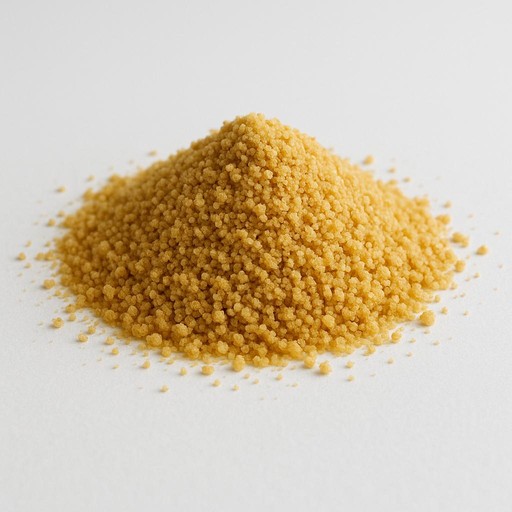
- Color ranges from light yellow to brown; odourless or slight nut-like odour.
Compositional Metrics
- Assay: acetone-insoluble matter (phosphatides) ≥ 60%.
- Loss on drying ≤ 2% (105°C, 1 h).
- Acid value ≤ 36.
- Peroxide value ≤ 10.
- Toluene-insoluble matter ≤ 0.3%.
- Lead ≤ 2 mg/kg.
Grades
- Food-grade lecithin meeting JECFA specifications (identity and purity) and applicable buyer specifications
Supply Chain
Value Chain
- Origin supplier → ocean freight into Nigeria (primarily Lagos ports) → customs/Form M & PAAR workflow → NAFDAC Ports Inspection Directorate documentation endorsement → joint inspection and sampling → laboratory evaluation → release to importer/manufacturer
Temperature
- Storage/handling should protect quality parameters monitored in specifications (e.g., peroxide value and moisture/loss on drying) to reduce oxidation and quality drift.
Freight IntensityMedium
Transport ModeSea
Risks
Regulatory Compliance HighNAFDAC port clearance requirements for imported food raw materials (import permit status, endorsement steps, joint inspection, sampling and laboratory evaluation) can place consignments on hold or lead to destruction/further investigation if documentation is incomplete or laboratory results are unsatisfactory, directly blocking supply into Nigeria.Align shipment documentation to NAFDAC Ports Inspection Directorate checklist (e.g., Form M, PAAR, SGD, Certificate of Analysis, applicable health/phytosanitary documents), pre-brief the importer/clearing agent, and run pre-shipment quality checks against JECFA specifications and buyer specs.
Logistics MediumClearance lead times are sensitive to multi-step import procedures (Form M and PAAR, agency endorsements, joint inspection scheduling, and lab evaluation), increasing demurrage/stockout risk for manufacturers relying on just-in-time ingredient supply.Build buffer inventory, ship with conservative lead times, and coordinate pre-arrival document readiness for Form M/PAAR and NAFDAC endorsement steps.
Sustainability MediumIf imported lecithin is soy-derived and sourced through supply chains linked to deforestation or conversion risk (notably in Brazil’s soy sector), downstream buyers may face reputational and customer due-diligence pressures to demonstrate deforestation-risk screening and origin traceability.Request supplier declarations on botanical source and origin, and implement deforestation-risk screening/traceability measures (e.g., supplier commitments and traceability documentation) for soy-derived inputs.
Food Safety MediumQuality drift (e.g., oxidation or moisture changes) can cause failures against lecithin identity/purity parameters such as peroxide value and loss on drying, increasing rejection or compliance action risk during clearance and customer intake testing.Specify and verify JECFA-aligned quality parameters (peroxide value, moisture, toluene-insolubles, heavy metals) and protect the material from conditions that accelerate oxidation during storage and transit.
Sustainability
- Deforestation and land-conversion risk screening for soy-derived lecithin supply chains (relevant when sourcing from origins associated with soy-driven deforestation risk, and when Nigeria sources HS 292320 from such origins, e.g., Brazil).
FAQ
What trade code is commonly used to track lecithin imports into Nigeria in public trade statistics?Public trade statistics commonly track lecithin under HS 292320 (“lecithins and other phosphoaminolipids”). UN Comtrade data via the World Bank WITS platform reports Nigeria’s imports under HS 292320.
Which documents are commonly referenced for clearing imported lecithin as a food raw material at Nigerian ports?NAFDAC’s port clearance guidance for food raw materials references documents such as a valid NAFDAC permit (as applicable), Single Goods Declaration (SGD), commercial invoice, PAAR, Form M, bill of lading/airway bill, packing list, and an original certificate of analysis. Depending on the product/origin, additional documents like a health certificate, phytosanitary certificate (for plant-origin products), and CRIA for shipments from China may be relevant.
Is lecithin recognized internationally as an allowed food additive, and what is its functional role?Yes. Codex’s GSFA lists lecithin (INS 322(i)) with functional classes such as emulsifier and antioxidant, and JECFA has evaluated lecithin and set an ADI of “not limited” based on biochemical and nutritional experience.
Sources


Tridge Ark · Export & Sourcing Feasibility Checks
Lecithin in Nigeria — are you buying, or selling?
Either way it's a few questions. We'll come back with where you could buy it, or who you could sell it to.
Free feasibility check, no account required.
Related Lecithin Product Categories
Browse parent, sub, derived, and raw-material product market pages related to Lecithin.
Derived products: Chocolate Rice Cakes, Protein Pudding, Milk Chocolates, Whipped Dessert Powder, White Chocolate, Belgian Chocolate Collection, Chocolate Bar, Sandwich Thins, Ready-to-Drink Protein Shake, Almond Milk Drink, Chocolate Hazelnut Spread, Gluten-Free Chocolate Spread, Nutrient Powder, Chocolate Baking Drops, Protein Bars, Chocolate Biscuit Bars, Chocolate Chips
By clicking “Accept Cookies,” I agree to provide cookies for statistical and personalized preference purposes. To learn more about our cookies, please read our Privacy Policy.