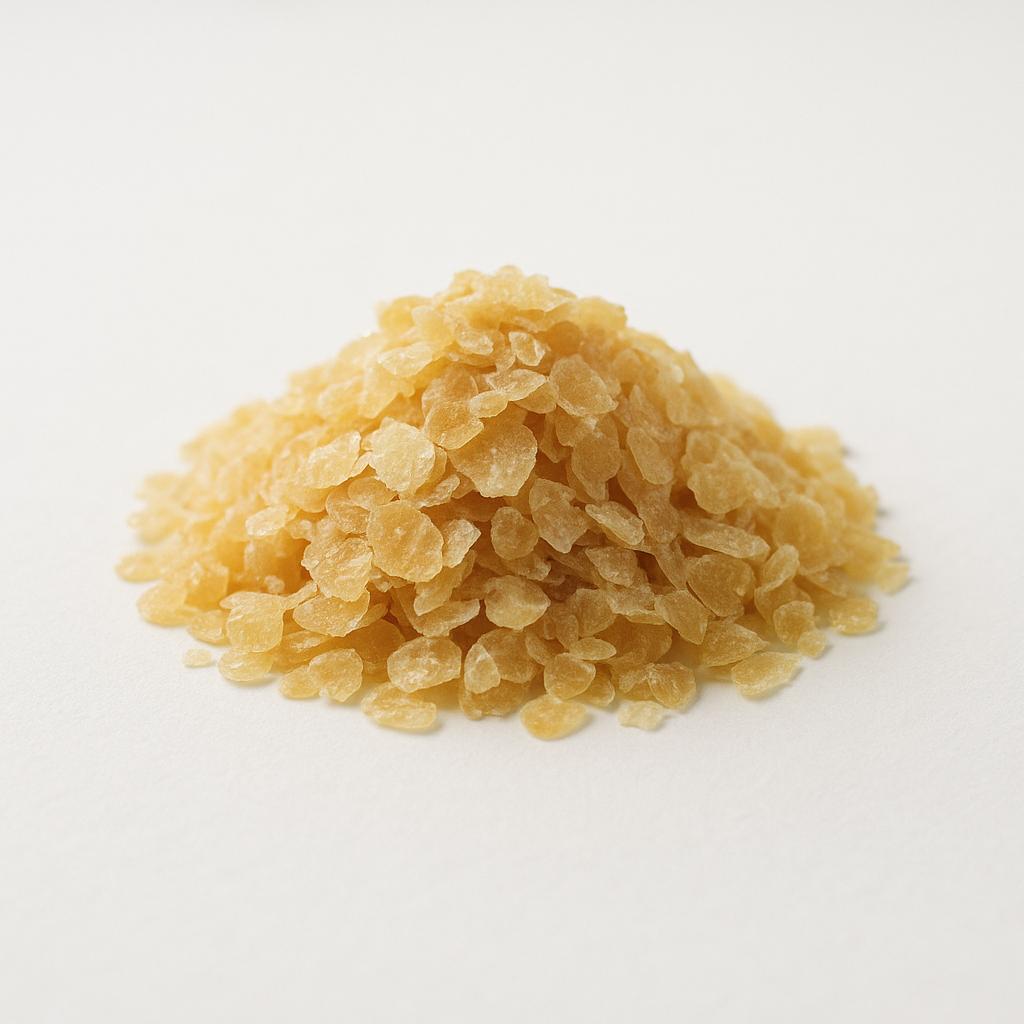
Shellac, bleached Suppliers & Prices in Japan — Market Overview 2026
HS Code
130190
Last Updated
2026-08-23
Key takeaways for search and sourcing teams
- 3 sampled export transactions for Japan are summarized.
- 4 export partner companies and 3 import partner companies are mapped for Shellac, bleached in Japan.
- 5 export partner countries and 5 import partner countries are ranked.
- Latest reference year in this page dataset is 2024.
- Page data last updated on 2026-08-23.
Shellac, bleached Export Supplier Intelligence, Price Trends, and Trade Flows in Japan
4 export partner companies are tracked for Shellac, bleached in Japan. Use Supply Chain Intelligence company profiles and analytics to validate exporter coverage, partner quality, and route priorities.
Explore Shellac, bleached export intelligence in Japan, including 3 sampled supplier transactions, monthly unit-price ranges, and partner-country trade flow patterns for HS Code 130190.
Scatter points are sampled from 100.0% of the full transaction dataset.
Sample Export Supplier Transaction Records for Shellac, bleached in Japan
3 sampled Shellac, bleached transactions in Japan include date, origin, and partner-country context to benchmark export prices and supplier trading patterns.
Shellac, bleached sampled transaction unit prices by date in Japan: 2025-11-06: 22.72 USD / kg, 2025-10-15: 70.73 USD / kg, 2025-10-02: 43.08 USD / kg.
| Date | Reported Product | Unit Price | Exporter | Importer | |
|---|---|---|---|---|---|
| 2025-11-06 | WAX ******** * ***** ***** ** ****** * ** | 22.72 USD / kg | (Japan) | (United States) | |
| 2025-10-15 | Pla**** ******* ******* ****** **** ** ********** ********** ******* *** ******* ********** *** ***** ************ | 70.73 USD / kg | (Japan) | (Vietnam) | |
| 2025-10-02 | Pla**** ******* ******* ****** **** ** ***** *** **** ********* *** * ****** **** ** ********** ********** ******* *** ******* ********** **** ***** *** | 43.08 USD / kg | (Japan) | (Vietnam) |
Top Shellac, bleached Export Suppliers and Companies in Japan
Review leading exporter profiles and benchmark them against 4 total export partner companies tracked for Shellac, bleached in Japan. Use Supply Chain Intelligence company profiles and analytics to shortlist sourcing and export partners faster.
(Japan)
Latest Export Transaction: 2026-07-23
Recently Export Partner Companies: 1
Employee Size: 101 - 500 Employees
Industries: Food Manufacturing
Value Chain Roles: Distribution / WholesaleFarming / Production / Processing / PackingFood Manufacturing
(Japan)
Latest Export Transaction: 2026-07-23
Employee Size: 101 - 500 Employees
Industries: Food Manufacturing
Value Chain Roles: Food Manufacturing
(Japan)
Latest Export Transaction: 2026-07-23
Industries: Brokers And Trade AgenciesFood ManufacturingFood PackagingFood Wholesalers
Value Chain Roles: Distribution / WholesaleTrade
(Japan)
Latest Export Transaction: 2025-10-02
Recently Export Partner Companies: 1
Employee Size: Over 1000 Employees
Sales Revenue: USD 500M - 1B
Industries: Food Manufacturing
Value Chain Roles: Distribution / Wholesale
Japan Export Partner Coverage
4 companies
Total export partner company count is a core signal of Japan export network depth for Shellac, bleached.
Exporters and importers can open Supply Chain Intelligence company profiles and analytics to assess Shellac, bleached partner concentration, capacity signals, and trade relevance in Japan.
Annual Export Value, Volume, and Supplier Market Size for Shellac, bleached in Japan (HS Code 130190)
Analyze 3 years of Shellac, bleached export volume and value in Japan to evaluate supplier market growth, seasonality, and trade volatility.
| Year | Volume | Value |
|---|---|---|
| 2024 | 18,725 | 583,274 USD |
| 2023 | 13,825 | 386,956 USD |
| 2022 | 9,846 | 340,400 USD |
Top Destination Markets for Shellac, bleached Exports from Japan (HS Code 130190) in 2024
For 2024, compare export volume and value across the top 5 destination countries for Shellac, bleached exports from Japan.
| Rank | Country | Volume | Value |
|---|---|---|---|
| 1 | China | 10,106 | 243,706.81 USD |
| 2 | United States | 400 | 93,158.115 USD |
| 3 | Philippines | 3,825 | 86,756.427 USD |
| 4 | South Korea | 1,510 | 58,414.585 USD |
| 5 | Thailand | 872 | 35,860.028 USD |
Sourcing diagnosis
Could you be importing Shellac, bleached from Japan yourself?
Just tell us your spec and the volume you need. We'll check whether it's actually sourceable, and which origins and suppliers fit — free.
Shellac, bleached Import Buyer Intelligence and Price Signals in Japan: Buyers, Demand, and Trade Partners
3 import partner companies are tracked for Shellac, bleached in Japan. Exporters and importers can use Supply Chain Intelligence company profiles and analytics to analyze buyer demand, partner density, and downstream channels.
Scatter points are sampled from 94.4% of the full transaction dataset.
Sample Import Transaction and Price Records for Shellac, bleached in Japan
5 sampled Shellac, bleached import transactions in Japan provide date, origin, and trade-country context to benchmark price levels and demand-side trading patterns.
Shellac, bleached sampled import transaction unit prices by date in Japan: 2026-07-22: 16.18 USD / kg, 2026-07-22: 16.18 USD / kg, 2026-07-05: 18.04 USD / kg, 2026-05-19: 18.04 USD / kg, 2026-05-17: 16.18 USD / kg.
| Date | Reported Product | Unit Price | Exporter | Importer | Origin | |
|---|---|---|---|---|---|---|
| 2026-07-22 | SHE**** **** *** ** *** ******* ** *********** ***** ****** | 16.18 USD / kg | (-) | (-) | - | |
| 2026-07-22 | SHE**** **** *** ** *** ******* ** *********** ***** ****** | 16.18 USD / kg | (-) | (-) | - | |
| 2026-07-05 | SHE******** *** ** *** ******* ** *********** ***** ************** | 18.04 USD / kg | (-) | (-) | - | |
| 2026-05-19 | SHE******** *** ** *** ******* ** *********** ***** ************** | 18.04 USD / kg | (-) | (-) | - | |
| 2026-05-17 | SHE**** **** *** ** *** ******* ** *********** ***** ****** | 16.18 USD / kg | (-) | (-) | - |
Top Shellac, bleached Buyers, Importers, and Demand Partners in Japan
Review leading buyer profiles and compare them with 3 total import partner companies tracked for Shellac, bleached in Japan. Exporters and importers can use Supply Chain Intelligence company profiles and analytics to evaluate demand-side partner fit.
(Japan)
Latest Import Transaction: 2026-07-23
Industries: Food ManufacturingFood PackagingOthers
Value Chain Roles: Food ManufacturingOthers
(Japan)
Latest Import Transaction: 2026-07-23
Recently Import Partner Companies: 1
Employee Size: 101 - 500 Employees
Industries: Food Manufacturing
Value Chain Roles: Distribution / WholesaleFarming / Production / Processing / PackingFood Manufacturing
(Japan)
Latest Import Transaction: 2025-10-06
Recently Import Partner Companies: 1
Employee Size: Over 1000 Employees
Sales Revenue: USD 500M - 1B
Industries: Food Manufacturing
Value Chain Roles: Distribution / Wholesale
Japan Import Partner Coverage
3 companies
Import partner company count highlights demand-side visibility for Shellac, bleached in Japan.
Use Supply Chain Intelligence analytics and company profiles to identify active Shellac, bleached importers, distributors, and buyer networks in Japan.
Annual Import Value, Volume, and Demand Size for Shellac, bleached in Japan (HS Code 130190)
Track 3 years of Shellac, bleached import volume and value in Japan to assess demand growth and market momentum.
| Year | Volume | Value |
|---|---|---|
| 2024 | 485,656 | 4,719,815 USD |
| 2023 | 561,726 | 5,739,303 USD |
| 2022 | 474,151 | 4,598,605 USD |
Top Origin Supplier Countries Supplying Shellac, bleached to Japan (HS Code 130190) in 2024
For 2024, compare import volume and value across the top 5 origin supplier countries supplying Shellac, bleached to Japan.
| Rank | Country | Volume | Value |
|---|---|---|---|
| 1 | India | 204,156 | 2,059,540.225 USD |
| 2 | Thailand | 125,025 | 1,296,292.435 USD |
| 3 | Iran | 7,500 | 649,979.519 USD |
| 4 | Indonesia | 120,370 | 437,488.374 USD |
| 5 | Greece | 427 | 59,478.229 USD |
Export diagnosis
Your Shellac, bleached — could it sell to these buyers in Japan?
Just tell us what you make. We'll see whether you're ready to export today and which markets suit your offer — free.
Price data
Want the hidden Shellac, bleached prices in Japan?
We'll open up the full price history and competitor benchmarks. Just tell us which numbers you need and we'll walk you through them.
Classification
Product TypeIngredient
Product FormSolid refined resin (granules/flakes/powder)
Industry PositionFood additive ingredient (glazing/surface-finishing agent)
Market
Bleached shellac is an insect-derived polyester resin used primarily as a glazing/surface-finishing agent (INS 904). In Japan, shellac is permitted as an “existing food additive” of natural origin and is subject to Japan’s Specifications and Standards for Food Additives (JSFA). JSFA includes a monograph for shellac (including “White Shellac”), with purity specifications such as wax content, acid value, and limits for toxic elements. Commercial use in Japan is concentrated in niche applications like confectionery/chocolate and chewing gum glazing, as well as coatings for supplements/tablets, with imports subject to Food Sanitation Act import notification and quarantine-station checks. Since April 1, 2024, responsibilities for setting/evaluating food safety standards (including food additives) have been transferred to the Consumer Affairs Agency (CAA) from MHLW.
Market RoleImport-dependent food additive ingredient market with domestic distribution/formulation for glazing applications
Domestic RoleSpecialty glazing and coating agent used by food and supplement manufacturers; regulated under Japan’s positive-list food additive system
Specification
Physical Attributes
- JSFA “White Shellac” is described as white to light yellow granules or small granular flakes
- JECFA describes bleached shellac as an off-white to tan amorphous granular resin; wax-free bleached shellac as light yellow amorphous granular resin
- Solubility reference (JECFA): insoluble in water; freely (though very slowly) soluble in ethanol; slightly soluble in acetone and ether
Compositional Metrics
- Acid value: JSFA White Shellac 73–89; JSFA Purified Shellac 60–80; JECFA bleached shellac 60–89
- Wax limit: JSFA/JECFA wax-containing shellac not more than 5.5%; wax-free shellac not more than 0.2%
- Toxic elements: JSFA sets limits including lead (not more than 2 µg/g as Pb) and arsenic (not more than 1.5 µg/g as As); JECFA specifies lead not more than 2 mg/kg
Grades
- JSFA monograph for Shellac distinguishes “White Shellac” and “Purified Shellac”
- JSFA/JECFA recognize wax-containing vs. wax-free shellac, with different wax-content limits
- JECFA definition of bleached shellac includes alkaline dissolution and hypochlorite bleaching; wax-free grade includes a filtration step to remove wax
Supply Chain
Value Chain
- Import of refined shellac meeting JSFA specifications → domestic ingredient distribution and (where needed) dissolution/formulation for coating → application as external glaze/coating on confectionery/chewing gum/supplements → finished product distribution
Risks
Regulatory Compliance HighJapan’s food additive regime is positive-list based, and business imports of food additives require import notification and quarantine-station compliance checks; if shellac does not meet JSFA specifications or is treated as outside the permitted additive categories for the intended use, the shipment can be delayed or rejected.Confirm the additive’s permitted status (e.g., existing food additive listing) and intended-use fit; align product specs with the JSFA shellac monograph (including wax class) and submit complete, consistent import notification documentation; consult the responsible quarantine station before first import.
Food Safety MediumNon-compliance with toxic-element and purity specifications (e.g., lead/arsenic limits, wax content, rosin absence tests) can trigger nonconformance findings under official specifications for shellac.Require a lot-specific certificate of analysis demonstrating conformance to relevant JSFA/JECFA-style parameters (acid value, wax %, toxic elements, identity/purity tests) and ensure test methods are aligned with recognized compendial approaches.
Consumer Perception MediumShellac is insect-derived, which can create buyer pushback for products positioned as vegan/strict vegetarian or for channels with specific religious/dietary expectations, even when legally compliant.Pre-align claims and labeling strategy with customers; where needed, use third-party Halal/Kosher certifications accepted by the target channel and maintain clear origin statements in technical documentation.
Sustainability
- Animal-origin (insect-derived) natural resin sourcing: upstream provenance and responsible harvesting transparency
- Chemical processing stewardship for bleached grades (e.g., oxidizing bleach steps and downstream impurity control)
Labor & Social
- Supplier social compliance and worker safety due diligence in upstream lac harvesting and refining/bleaching operations (primarily outside Japan)
FAQ
Is shellac permitted for use as a food additive in Japan?Yes—shellac appears on Japan’s List of Existing Food Additives (natural-origin additives permitted under Japan’s food additive framework). Products still need to meet the applicable official specifications and standards, such as the JSFA shellac monograph, for distribution and use.
What is the key import compliance step to bring shellac in for business use in Japan?For business imports, importers must submit an import notification (“Notification Form for Importation of Foods, etc.”) under the Food Sanitation Act to the MHLW quarantine station, where the shipment undergoes document examination (and inspection when required) before a certificate of notification is issued.
Which specification checkpoints are commonly referenced for bleached shellac used as a glazing agent (INS 904)?Compendial references include identity/solubility characteristics and purity limits such as acid value ranges and maximum wax content (with tighter limits for wax-free grades), along with toxic-element limits (e.g., lead, and in JSFA also arsenic) and rosin-related purity checks.
Sources
Other Shellac, bleached Country Markets for Supplier, Export, and Price Comparison from Japan
Compare Shellac, bleached supplier coverage, trade flows, and price benchmarks across countries related to Japan.


Free diagnosis
Shellac, bleached in Japan — are you buying, or selling?
Either way it's a few questions. We'll come back with where you could buy it, or who you could sell it to.
By clicking “Accept Cookies,” I agree to provide cookies for statistical and personalized preference purposes. To learn more about our cookies, please read our Privacy Policy.