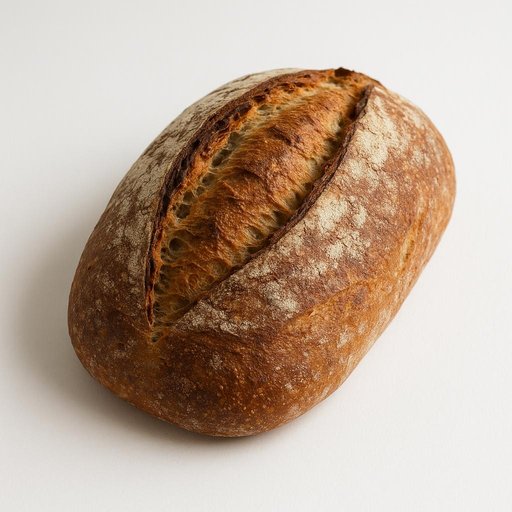
Rustic Bread 공급업체, 무역 및 가격 — 마켓 오버뷰 2026
원재료
소금, 밀가루, 효모
최종 업데이트
2026-09-27
서치 및 소싱 팀을 위한 핵심 요약
- Rustic Bread 마켓 커버리지는 40개 국가에 걸쳐 있습니다.
- 이 제품에 대해 글로벌 공급망 인텔리전스 네트워크에 수출업체 218개와 수입업체 287개가 색인되어 있습니다.
- 1,460건의 공급업체 연계 거래가 상위 20개 국가에 걸쳐 요약되어 있습니다.
- 이 페이지 데이터셋의 최신 기준 연도는 2026입니다.
- 페이지 데이터 최종 업데이트일: 2026-09-27.
Rustic Bread에 대한 글로벌 공급업체 거래, 수출 활동 및 가격 벤치마크
상위 20개 국가에 걸친 공급업체 연계 거래 1,460건을 분석하고, 월간 단가 벤치마크로 Rustic Bread의 수출 경쟁력과 소싱 리스크를 추적하세요.
Rustic Bread 국가별 공급업체 거래 및 수출 모멘텀 전년 대비 변화
Rustic Bread의 긍정적/부정적 전년 대비 변화를 비교해 성장하는 공급 시장과 약화되는 수출 경로를 식별하세요.
Rustic Bread의 YoY 변동 상위 국가는 멕시코 (-91.4%), 우루과이 (-74.7%), 에콰도르 (-49.7%)입니다.
Rustic Bread 국가별 공급업체 거래 및 단가 요약
2025-10 기준으로 Rustic Bread 국가별 거래 건수와 월간 단가/물량을 비교해 공급업체 및 수출 시장 우선순위를 정하세요.
2026-03 기준, 노출 가능한 Rustic Bread 거래 단가가 있는 국가는 브라질 (7.98 USD / kg), 일본 (4.98 USD / kg), 캐나다 (4.43 USD / kg), 인도 (2.16 USD / kg), 멕시코 (0.10 USD / kg)입니다.
| 국가 | 전년 대비 변화 | 거래 건수 | 2025-10 | 2025-11 | 2025-12 | 2026-01 | 2026-02 | 2026-03 | 2026-04 | 2026-05 | 2026-06 | 2026-07 | 2026-08 | 2026-09 |
|---|---|---|---|---|---|---|---|---|---|---|---|---|---|---|
| 프랑스 | -12.6% | 72 | 1.80 USD / kg (9,377.42 kg) | 2.55 USD / kg (13,646.5 kg) | 2.76 USD / kg (3,859.2 kg) | 2.46 USD / kg (48,362.401 kg) | 2.39 USD / kg (14,743.2 kg) | - (-) | ||||||
| 캐나다 | +6.1% | 10 | - (-) | - (-) | 4.43 USD / kg (1,826 kg) | 4.50 USD / kg (1,539.2 kg) | - (-) | 4.43 USD / kg (2,116.8 kg) | ||||||
| 중국 | +19.6% | 4 | - (-) | - (-) | - (-) | - (-) | - (-) | - (-) | ||||||
| 에스토니아 | +16.8% | 2 | - (-) | - (-) | - (-) | - (-) | - (-) | - (-) | ||||||
| 베트남 | +0.0% | 40 | 3.09 USD / kg (4,158 kg) | 3.09 USD / kg (8,316 kg) | - (-) | - (-) | 3.09 USD / kg (8,316 kg) | - (-) | ||||||
| 인도 | +13.7% | 32 | - (-) | 3.09 USD / kg (1,179 kg) | 2.84 USD / kg (180 kg) | 1.03 USD / kg (200 kg) | 2.75 USD / kg (1,411.2 kg) | 2.16 USD / kg (5,616 kg) | ||||||
| 독일 | +21.3% | 22 | 3.68 USD / kg (13,861.008 kg) | 2.33 USD / kg (39,995.518 kg) | 5.12 USD / kg (6,539.66 kg) | 4.84 USD / kg (1,762.023 kg) | - (-) | - (-) | ||||||
| 브라질 | +28.9% | 13 | 7.20 USD / kg (165.7 kg) | 8.12 USD / kg (1,123.2 kg) | 7.98 USD / kg (112 kg) | - (-) | 8.84 USD / kg (59.2 kg) | 7.98 USD / kg (152 kg) | ||||||
| 일본 | -4.3% | 12 | 5.17 USD / kg (3,600 kg) | 5.02 USD / kg (3,900 kg) | 5.02 USD / kg (3,900 kg) | - (-) | 5.10 USD / kg (3,600 kg) | 4.98 USD / kg (7,800 kg) | ||||||
| 우루과이 | -74.7% | 2 | - (-) | - (-) | - (-) | - (-) | - (-) | - (-) |
Rustic Bread Global Supply Chain Coverage
505개 기업
Rustic Bread에 대해 수출업체 218개와 수입업체 287개가 매핑되어 있습니다.
수출업체와 수입업체는 Tridge 공급망 인텔리전스의 기업 프로필 및 분석을 활용해 Rustic Bread 거래 상대를 식별하고, 시장 도달 범위를 벤치마킹하며, 시장별 아웃리치 우선순위를 정할 수 있습니다.
Rustic Bread 수출 공급업체 인텔리전스, 무역 흐름 및 가격 시그널
Rustic Bread에 대해 Tridge Supply Chain Intelligence에 수출업체 218개가 매핑되어 있습니다. 수출업체와 수입업체는 회사 프로필 및 분석을 활용해 공급업체 커버리지, 거래 활동, 경로 기회를 평가할 수 있습니다.
Rustic Bread 상위 수출업체 및 공급업체 프로필
선도 수출업체 프로필을 검토하고 Rustic Bread 공급망 인텔리전스 네트워크의 전체 수출업체 218개와 비교해 보세요. 수출업체와 수입업체는 회사 프로필 및 분석을 잠금 해제해 파트너를 더 빠르게 검증할 수 있습니다.
(프랑스)
최근 수출 거래: 2026-08-27
최근 수출 파트너 기업: 1
임직원 규모: 직원 101 - 500명
산업군: 음료 제조, 식품 제조, 식품 포장
밸류체인 역할: 식품 제조, 물류, 무역
수출 국가: 미국, 멕시코, 대한민국
공급 제품: Baton Bread, Rustic Bread, Granary Bread +5
(일본)
최근 수출 거래: 2026-07-20
최근 수출 파트너 기업: 1
임직원 규모: 직원 101 - 500명
매출액: 매출 USD 10M - 50M
산업군: 식품 제조
밸류체인 역할: 식품 제조, 무역
수출 국가: 대한민국
공급 제품: Rustic Bread, Jelly and Gummy Candy, Glutinous Rice Cake +3
(파라과이)
최근 수출 거래: 2026-08-27
최근 수출 파트너 기업: 1
매출액: 매출 USD 10M - 50M
산업군: 기타
밸류체인 역할: 농업 / 생산 / 가공 / 포장
수출 국가: 이탈리아
공급 제품: Rustic Bread
(프랑스)
최근 수출 거래: 2026-09-04
최근 수출 파트너 기업: 5
임직원 규모: 직원 1000명 초과
매출액: 매출 USD 500M - 1B
산업군: 음료 제조, 식품 제조, 식음료 서비스업
밸류체인 역할: 유통 / 도매, 식품 제조
수출 국가: 멕시코, 러시아, 페루, 베트남, 코스타리카, 터키, 필리핀, 인도, 미국, 대한민국
공급 제품: Croissant, Pain au Chocolat, Frozen Dough +5
(멕시코)
최근 수출 거래: 2025-10-29
최근 수출 파트너 기업: 1
산업군: 브로커 및 무역 대행, 식품 제조, 식품 포장
밸류체인 역할: 유통 / 도매, 무역
수출 국가: 미국
공급 제품: Corn Tortilla Wrap, Rustic Bread, Artisan Bread +5
(이탈리아)
최근 수출 거래: 2025-11-20
최근 수출 파트너 기업: 6
임직원 규모: 직원 1000명 초과
매출액: 매출 USD 500M - 1B
산업군: 식품 제조, 식음료 서비스업
밸류체인 역할: 유통 / 도매, 식품 제조
수출 국가: 베트남, 우즈베키스탄, 파라과이, 인도, 에콰도르, 카자흐스탄, 러시아, 아르헨티나, 터키, 미국
공급 제품: White Bread, Gluten-Free Baking Mix, Standard Biscuits & Cookies +5
트릿지 아이에서 전체 그림 보기: 가격·거래 전체 이력 · 725,009+ 기업 프로필
Rustic Bread 글로벌 수출업체 커버리지
218개 기업
수출업체 수는 Rustic Bread의 공급 깊이와 소싱 선택지의 핵심 신호입니다.
공급망 인텔리전스 분석을 활용해 Rustic Bread 기회를 국가, 제품, 밸류체인 역할로 좁힌 뒤 기업 프로필을 열어 적합성을 검증하세요.
소싱 진단
Rustic Bread, 어디서 들여오는 게 좋을까요?
필요한 스펙과 물량만 알려주세요. 실제로 소싱이 되는지, 어떤 원산지와 공급사가 맞는지 짚어드려요.
무료 진단, 계정 없이 이용 가능합니다.
Rustic Bread 수입 바이어 인텔리전스, 수요 시그널 및 가격 벤치마크
Rustic Bread 수요 인텔리전스를 위해 수입업체 287개가 매핑되어 있습니다. Supply Chain Intelligence 회사 프로필 및 분석으로 시장별 바이어, 유통업체, 다운스트림 수요 파트너의 우선순위를 정하세요.
Rustic Bread 상위 바이어, 수입업체 및 수요 파트너
선도 바이어 프로필을 검토하고 Rustic Bread에 대해 추적되는 전체 수입업체 287개와 비교해 보세요. 수출업체와 수입업체는 Supply Chain Intelligence 회사 프로필 및 분석을 활용해 바이어 품질과 수요 집중도를 평가할 수 있습니다.
(아르헨티나)
최근 수입 거래: 2026-08-27
최근 수입 파트너 기업: 2
산업군: 음료 제조, 식품 제조, 식음료 서비스업
밸류체인 역할: -
(대한민국)
최근 수입 거래: 2026-07-20
최근 수입 파트너 기업: 1
산업군: 식품 도매
밸류체인 역할: -
(대한민국)
최근 수입 거래: 2026-08-27
최근 수입 파트너 기업: 2
산업군: 백화점, 식료품점
밸류체인 역할: -
(대한민국)
최근 수입 거래: 2026-09-04
최근 수입 파트너 기업: 2
산업군: 식품 제조, 식품 도매
밸류체인 역할: -
(미국)
최근 수입 거래: 2026-08-27
최근 수입 파트너 기업: 1
산업군: 식음료 서비스업
밸류체인 역할: -
(페루)
최근 수입 거래: 2026-08-27
최근 수입 파트너 기업: 1
임직원 규모: 직원 1000명 초과
매출액: 매출 USD 500M - 1B
산업군: 식품 제조, 식품 포장, 식음료 서비스업, 식료품점
밸류체인 역할: 태국, 페루, 칠레
트릿지 아이에서 전체 그림 보기: 가격·거래 전체 이력 · 725,009+ 기업 프로필
글로벌 수입업체 커버리지
287개 기업
수입업체 수는 Rustic Bread에 대한 수요 측 가시성의 현재 깊이를 보여줍니다.
공급망 인텔리전스 분석과 기업 프로필을 활용해 활동 중인 Rustic Bread 바이어를 식별하고, 국가별 파트너 밀도를 비교하며, GTM 우선순위를 정교화하세요.
수출 진단
우리 Rustic Bread, 어느 바이어에게 팔 수 있을까요?
만드시는 제품만 알려주시면 됩니다. 지금 수출할 준비가 됐는지, 어느 시장이 맞는지 봐드려요.
무료 진단, 계정 없이 이용 가능합니다.
Rustic Bread의 국가별 글로벌 도매 공급가 추이
Rustic Bread 국가별 월간 도매 공급가 요약
Rustic Bread의 수출 및 소싱 의사결정을 위한 국가별 월간 도매 단가 벤치마크입니다.
2026-03 기준, 노출 가능한 Rustic Bread 도매 단가가 있는 국가는 우크라이나 (7.62 USD / kg)입니다.
| 국가 | 2025-10 | 2025-11 | 2025-12 | 2026-01 | 2026-02 | 2026-03 | 2026-04 | 2026-05 | 2026-06 | 2026-07 | 2026-08 | 2026-09 |
|---|---|---|---|---|---|---|---|---|---|---|---|---|
| 우크라이나 | 7.88 USD / kg | 7.81 USD / kg | 7.88 USD / kg | 7.75 USD / kg | 7.75 USD / kg | 7.62 USD / kg |
Rustic Bread 주요 수출국별 도매 가격 경쟁력
Rustic Bread의 상위 수출국 1개 전반의 도매 가격 범위와 전년 대비 변화를 비교해 공급업체 가격 경쟁력을 벤치마킹하세요.
| 순위 | 국가 | 평균 | 하한 | 상한 | 전년 대비 |
|---|---|---|---|---|---|
| 1 | 우크라이나 | 7.50 USD / kg | 3.95 USD / kg | 7.99 USD / kg | +28.1% |
최신 Rustic Bread 도매 수출 가격 업데이트
최신 3건의 Rustic Bread 도매 업데이트를 활용해 현재 수출 가격 포인트와 원산지 수준 공급업체 변화를 검증하세요.
| 일자 | 항목명 | 단가 (USD) | |
|---|---|---|---|
| 2026-09-01 | Лег**** ****** ****** ** ********* ***** * ******* **** | 7.49 USD / kg | |
| 2026-05-01 | Дре************* * *** ** **** ***** * ******* **** | 6.44 USD / kg | |
| 2025-09-01 | Бук********* **** * *** ****** ***** * ******* **** | 3.96 USD / kg |
가격 데이터
Rustic Bread 가격, 어디까지 필요하세요?
전체 가격 히스토리와 경쟁사 벤치마크를 열어드립니다. 어떤 숫자가 필요하신지만 말씀해 주시면 함께 살펴봐 드려요.
Classification
Product TypeProcessed Food
Product FormBaked
Industry PositionFinished Consumer Food Product
Market
Rustic bread is a widely produced baked staple typically sold for near-term consumption, which limits long-distance trade of fresh loaves compared with shelf-stable foods. Cross-border flows are more significant for packaged, frozen, or par-baked “artisan-style” breads that can tolerate longer distribution, and these movements are usually captured within broad bakery product trade codes rather than a rustic-bread-specific category. Market dynamics are shaped by wheat/flour availability and price volatility, energy input costs for baking, and consumer premiumization toward artisan and sourdough styles. Foodservice, in-store bakery, and supermarket private label programs are common channels for scaling “rustic” formats globally.
Market GrowthMixed (structural / evergreen)Fresh bread remains locally oriented while frozen/par-baked and packaged artisan-style segments support cross-border trade
Specification
Major VarietiesCountry loaf (pain de campagne-style), Sourdough loaf, Hearth-baked boule, Batard-style loaf, Ciabatta-style rustic loaf
Physical Attributes
- Thick or well-developed crust from hearth baking
- Open, irregular crumb structure in higher-hydration styles
- Pronounced toasted/baked aroma; crust-to-crumb contrast is a key quality cue
Compositional Metrics
- Moisture and water activity are commonly managed to balance eating quality and mold/staling risk
- Salt level and fermentation acidity (for sourdough) are monitored for flavor and consistency
- Dough strength/handling properties depend on flour protein quality and enzymatic activity
Packaging
- Unwrapped or paper-bag presentation for same-day/near-term fresh sale
- Flow-wrap or bagged formats for packaged loaves (often with date coding for rotation)
- Frozen bulk packs and moisture-barrier packaging for par-baked or fully baked frozen loaves
ProcessingStaling (crumb firming) is a primary quality-loss mechanism for fresh bread during ambient distributionFreezing/par-baking can decouple production from final bake-off, enabling longer-distance shipment and just-in-time finishing
Supply Chain
Value Chain
- Wheat sourcing → milling → flour blending/spec adjustment → dough mixing → fermentation (yeast and/or sourdough) → dividing/shaping → proofing → scoring → baking → cooling → (optional slicing) → packaging → distribution
- For frozen/par-baked: bake to partial set or full bake → rapid cooling → freezing → frozen distribution → bake-off at retail/foodservice
Demand Drivers
- Premiumization toward artisan-style and sourdough profiles
- Growth of in-store bakery and bake-off (par-baked) programs
- Foodservice demand for consistent sandwich and table bread formats
Temperature
- Fresh rustic bread is commonly distributed at ambient conditions with a short quality window
- Frozen and par-baked rustic breads rely on frozen cold-chain control to preserve texture and safety
Atmosphere Control
- Packaged loaves may use modified-atmosphere approaches to slow mold growth and extend distribution reach, subject to market practices and regulatory expectations
Shelf Life
- Fresh rustic bread quality declines quickly due to staling and moisture migration; packaged or frozen formats extend usable life for longer distribution
Risks
Grain Supply And Price Volatility HighWheat and flour availability and pricing are highly sensitive to climate shocks, geopolitical disruptions, and trade policy actions (including export restrictions), which can rapidly transmit into bread input costs and availability for industrial bakeries and foodservice buyers.Diversify flour origins and specifications across qualified mills, use forward purchasing/hedging where feasible, and qualify alternative grains/blends for selected SKUs without compromising performance.
Energy Costs HighBaking is energy-intensive; volatility in electricity and gas prices can materially affect production economics and may drive price increases or production curtailments, especially for smaller bakeries with limited contracting power.Improve oven and process energy efficiency (heat recovery, optimized bake profiles), lock in energy contracts where possible, and redesign distribution toward bake-off models when economics favor centralized production.
Food Safety MediumFlour is an agricultural ingredient that can carry hazards (e.g., mycotoxins in grain supply chains) and bakeries must control cross-contamination, sanitation, and traceability; failures can trigger recalls and trade disruptions for packaged bread.Implement HACCP-based controls, supplier assurance for grain/flour quality, robust allergen segregation, and finished-product traceability with rapid recall readiness.
Shelf Life Limitation MediumFresh rustic bread has a short optimal eating window; staling, mold, and handling damage reduce saleable yield and increase waste, limiting long-haul trade for fresh loaves and increasing reliance on frozen/par-baked logistics for cross-border distribution.Use process controls for consistent fermentation and bake, align packaging and rotation practices to target shelf-life, and use frozen/par-baked programs when long distribution lead times are unavoidable.
Sustainability
- Upstream agricultural footprint of wheat (fertilizer-related emissions, soil and water management) influences the bread supply chain’s overall impact
- Energy use and associated emissions from industrial baking operations and cold-chain logistics (for frozen/par-baked formats)
- Food waste risk from short freshness windows for unpackaged fresh bread
Labor & Social
- Occupational health and safety in milling and bakery operations (heat exposure, burns, flour dust and allergen management)
- Working-time compliance and labor standards in high-throughput bakery and logistics operations
FAQ
Why is fresh rustic bread less traded internationally than many packaged foods?Fresh rustic bread has a short optimal freshness window and quality declines quickly due to staling and moisture migration, which makes long-distance ambient distribution difficult. Cross-border trade is more feasible for packaged, frozen, or par-baked rustic breads that can tolerate longer logistics and are handled through controlled distribution systems.
How is rustic bread typically reflected in global trade statistics?Rustic bread is usually not tracked as a standalone product category in trade data. Instead, it is typically included within broader “bakers’ wares” classifications under HS heading 1905, which aggregates many bread and bakery products.
What is the single biggest global risk that can disrupt rustic bread supply or pricing?Wheat and flour price volatility driven by climate shocks, geopolitical disruptions, and trade policy actions is the most critical global risk, because wheat-based inputs are foundational to most rustic bread formulations. Energy cost volatility is also a major amplifier because baking operations are energy-intensive.
Sources
Rustic Bread 공급업체, 수출 흐름, 가격 데이터 국가 커버리지
공급업체 커버리지, 무역 흐름, 가격 벤치마크를 위해 Rustic Bread의 국가별 마켓 페이지를 탐색하세요.


수출·소싱 진단
Rustic Bread, 사는 쪽이세요 파는 쪽이세요?
어느 쪽이든 몇 가지만 답해주시면 됩니다. 어디서 살 수 있는지, 누구에게 팔 수 있는지 정리해서 보내드릴게요.
무료 진단, 계정 없이 이용 가능합니다.
'쿠키 허용'을 클릭하면 통계 및 개인 선호도 산출을 위한 쿠키 제공에 동의하게 됩니다.
개인정보 보호정책에서 쿠키에 대한 자세한 내용을 확인할 수 있습니다.