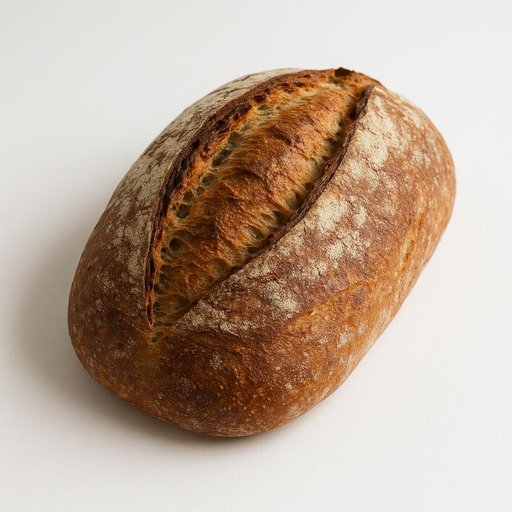
방글라데시 러스틱 브레드 공급업체 및 가격 — 마켓 오버뷰 2026
원재료
소금, 밀가루, 효모
최종 업데이트
2026-10-08
서치 및 소싱 팀을 위한 핵심 요약
- 방글라데시에 대한 샘플 수출 거래 5건이 요약되어 있습니다.
- 페이지 데이터 최종 업데이트일: 2026-10-08.
방글라데시 내 러스틱 브레드 수출 공급업체 인텔리전스, 가격 추이 및 무역 흐름
방글라데시의 러스틱 브레드에 대해 수출 파트너 기업 4개가 추적됩니다. Supply Chain Intelligence 회사 프로필 및 분석으로 수출업체 커버리지, 파트너 품질, 경로 우선순위를 검증하세요.
방글라데시에서의 러스틱 브레드 수출 인텔리전스를 확인하세요. 샘플 공급업체 거래 5건, 월간 단가 범위, HS 코드 -의 파트너 국가 무역 흐름 패턴을 포함합니다.
스캐터 포인트는 전체 거래 데이터셋의 90.0%에서 샘플링되었습니다. 각 점은 실제 거래입니다. 가입하고 확인해 보세요 — 적정한 거래였는지 AI에게 물어볼 수도 있습니다.
러스틱 브레드의 방글라데시 샘플 수출 공급업체 거래 기록
방글라데시의 러스틱 브레드 샘플 거래 5건에는 수출 가격과 공급업체 거래 패턴 벤치마킹을 위한 날짜, 원산지, 파트너 국가 맥락이 포함됩니다.
방글라데시의 러스틱 브레드 샘플 거래 단가(일자별): 2025-12-30: 2.22 USD / kg, 2025-12-23: 2.32 USD / kg, 2025-12-15: 2.19 USD / kg, 2025-12-14: 2.46 USD / kg, 2025-12-05: 1.59 USD / kg.
| 일자 | 신고 품목 | 단가 | 수출업체 | 수입업체 | |
|---|---|---|---|---|---|
| 2025-12-30 | Rus*** ******* ***** *** ******* ******* ******** ******* *** **** * ***** ******* *** | 2.22 USD / kg | (방글라데시) | (말레이시아) | |
| 2025-12-23 | Rus*** ******* ***** *** ******* ******* ******** ******* *** **** * ***** ********* *** | 2.32 USD / kg | (방글라데시) | (말레이시아) | |
| 2025-12-15 | Rus*** ******* ***** *** ******* ******* ******** ******* ***** * *** **** ******* *** | 2.19 USD / kg | (방글라데시) | (말레이시아) | |
| 2025-12-14 | Rus*** ******* ***** *** ******* ******* ******** ******* *** **** * **** *** | 2.46 USD / kg | (방글라데시) | (말레이시아) | |
| 2025-12-05 | Rus*** ******* ***** *** ******* ******* ******** **************************** ********* ********** ***** | 1.59 USD / kg | (방글라데시) | (카타르) |
이 5건은 샘플입니다 — 트릿지에 가입하고 방글라데시 러스틱 브레드 거래를 확인하세요
필요한 거래의 수출·수입업체와 가격을 확인하고, 적정한 거래였는지 AI에게 묻고, AI Curation으로 만들어 보세요.
방글라데시 내 상위 러스틱 브레드 수출 공급업체 및 기업
선도 수출업체 프로필을 검토하고 방글라데시의 러스틱 브레드에 대해 추적되는 전체 수출 파트너 기업 4개와 비교하세요. Supply Chain Intelligence 회사 프로필 및 분석으로 소싱 및 수출 파트너를 더 빠르게 선별할 수 있습니다.
(방글라데시)
최근 수출 거래: 2026-09-08
산업군: 기타
밸류체인 역할: 물류
(방글라데시)
최근 수출 거래: 2026-09-08
산업군: 기타
밸류체인 역할: 무역
(방글라데시)
최근 수출 거래: 2026-09-08
임직원 규모: 직원 11 - 50명
산업군: 기타
밸류체인 역할: 물류
(방글라데시)
최근 수출 거래: 2026-09-08
산업군: 기타
밸류체인 역할: 무역
트릿지 아이에서 전체 그림 보기: 가격·거래 전체 이력 · 725,009+ 기업 프로필
방글라데시 수출 파트너 커버리지
4개 기업
총 수출 파트너 기업 수는 방글라데시의 러스틱 브레드 수출 네트워크 깊이를 보여주는 핵심 신호입니다.
수출업체와 수입업체는 공급망 인텔리전스 기업 프로필 및 분석을 열어 방글라데시 내 러스틱 브레드 파트너 집중도, 공급 역량 시그널, 무역 관련성을 평가할 수 있습니다.
소싱 진단
방글라데시산 러스틱 브레드, 우리도 들여올 수 있을까요?
필요한 스펙과 물량만 알려주세요. 실제로 소싱이 되는지, 어떤 원산지와 공급사가 맞는지 짚어드려요.
무료 진단, 계정 없이 이용 가능합니다.
수출 진단
우리 러스틱 브레드, 이 방글라데시 바이어들에게 팔 수 있을까요?
만드시는 제품만 알려주시면 됩니다. 지금 수출할 준비가 됐는지, 어느 시장이 맞는지 봐드려요.
무료 진단, 계정 없이 이용 가능합니다.
가격 데이터
방글라데시 러스틱 브레드 가격, 어디까지 필요하세요?
전체 가격 히스토리와 경쟁사 벤치마크를 열어드립니다. 어떤 숫자가 필요하신지만 말씀해 주시면 함께 살펴봐 드려요.
Classification
Product TypeProcessed Food
Product FormBaked
Industry PositionBakery Product (Consumer Food)
Market
Rustic bread in Bangladesh is a premium bakery sub-segment within the broader bread and baked-goods market, typically positioned through modern retail, cafés, and hotels in major cities. The market is primarily supplied by in-country baking because finished bread is bulky and freshness-sensitive, making long-distance trade commercially challenging. Cost and availability pressures are strongly linked to wheat and flour inputs that are substantially import-dependent, exposing bakers to global price moves and local FX/import-financing constraints. Imports, when present, tend to be niche packaged, frozen-dough, or par-baked formats and must clear Bangladesh’s food safety, standards, and labeling controls.
Market RoleDomestic consumer market with in-country baking; import-dependent for wheat/flour inputs
Domestic RoleUrban bakery product for retail, café, and institutional foodservice; rustic-style loaves positioned as premium/quality-led offerings
SeasonalityYear-round baking and availability; constraints are driven more by shelf-life, humidity/mold pressure, and input-cost volatility than by agricultural harvest seasonality.
Specification
Physical Attributes
- Crust development and bloom (from scoring) are key quality cues for rustic loaves
- Open crumb structure and consistent loaf volume indicate fermentation and dough-handling control
- Moisture management is important in humid conditions to reduce rapid staling or surface mold
Compositional Metrics
- Moisture and water activity influence mold risk and shelf-life
- Acidity (for sourdough-style variants) influences flavor profile and perceived keeping quality
Packaging
- Paper bag or breathable wrapping for fresh same-day loaves (to reduce crust softening)
- Sealed plastic film/bag for packaged variants where mold control and longer distribution reach are needed
- Clear date coding (production/best-before) to manage short shelf-life expectations
Supply Chain
Value Chain
- Flour procurement (often import-linked) → dough mixing → bulk fermentation → dividing/shaping → proofing → baking → cooling → same-day distribution to retail/cafés
- For longer-reach formats: frozen dough or par-baked supply → cold storage → final bake/finish in-market → retail
Temperature
- Ambient distribution is typical for fresh rustic loaves sold locally
- Frozen storage and temperature discipline are required for frozen dough/par-baked formats to preserve quality and food safety
Atmosphere Control
- Adequate cooling and ventilation prior to bagging helps prevent condensation that accelerates mold growth in humid conditions
Shelf Life
- Fresh rustic loaves have short shelf-life; distribution windows are typically local and time-sensitive
- Packaged variants can extend shelf-life using formulation (e.g., preservatives) and packaging, but must remain compliant with additive and labeling rules
Freight IntensityHigh
Transport ModeMultimodal
Risks
Input Supply HighBread production costs and consistency in Bangladesh are highly exposed to imported wheat/flour availability and pricing; global wheat shocks and local FX/import-financing constraints can raise costs sharply and disrupt access to consistent flour specifications needed for rustic-style loaves.Multi-origin wheat/flour sourcing, safety stock for key flour specs, and buyer pricing clauses linked to input indices/FX can reduce disruption risk.
Logistics MediumFinished bread is bulky and freshness-sensitive; freight volatility and border delays can make imported rustic bread uneconomic or degrade delivered quality, increasing waste and rejection risk.Prefer in-country baking or use frozen/par-baked supply chains with validated cold storage and contingency routing.
Regulatory Compliance MediumLabeling and documentation gaps (ingredient/additive disclosure, date marking, importer details, storage instructions) can trigger detention, relabeling costs, or market withdrawal during inspections or surveillance.Pre-clear label and ingredient/additive dossiers against Bangladesh requirements and maintain an importer-ready compliance pack per SKU.
Food Safety MediumHigh humidity and short shelf-life increase mold and spoilage pressure; non-compliant preservative use or poor hygiene controls can lead to consumer complaints and enforcement action.Strengthen GMP/HACCP controls, validate preservative usage against applicable limits, and ensure rapid cooling plus hygienic packaging.
Energy And Utilities MediumPower interruptions can disrupt proofing control, cooling, and frozen storage (for frozen/par-baked formats), reducing quality consistency and increasing loss rates.Use backup power for critical control points, temperature logging for freezers, and contingency production scheduling.
Sustainability
- Packaging waste management scrutiny for plastic films/bags in dense urban markets
- Energy use and emissions from baking ovens and generator backup where grid reliability is inconsistent
Labor & Social
- Occupational safety risks in bakeries (heat, burns, flour dust) requiring PPE and ventilation controls
- Working-hours management in early-morning or continuous bakery operations
Standards
- HACCP
- ISO 22000
- BRCGS Food Safety
FAQ
Which authorities are most relevant for importing packaged rustic bread into Bangladesh?Customs clearance is handled through Bangladesh Customs under the National Board of Revenue (NBR). Food safety oversight and potential inspection/sampling align with Bangladesh Food Safety Authority (BFSA) controls, and relevant product standards/certification considerations may involve Bangladesh Standards and Testing Institution (BSTI), depending on the product and enforcement routing.
Is Halal certification required for rustic bread in Bangladesh?It is generally relevant in consumer-facing channels, especially if the recipe uses enzymes, emulsifiers, or improvers that could have animal-derived sources. Even when not strictly mandated for simple bread, buyers and consumers may request Halal-aligned documentation, so it is safest to clarify ingredient origins and claims with the importer.
Why is local baking commonly preferred over importing finished rustic bread into Bangladesh?Finished bread is bulky and loses quality quickly, so freight costs and border delays can undermine freshness and profitability. As a result, in-country baking (or importing frozen/par-baked formats that can be finished locally) is often the more reliable supply approach.
Sources


수출·소싱 진단
방글라데시 러스틱 브레드, 사는 쪽이세요 파는 쪽이세요?
어느 쪽이든 몇 가지만 답해주시면 됩니다. 어디서 살 수 있는지, 누구에게 팔 수 있는지 정리해서 보내드릴게요.
무료 진단, 계정 없이 이용 가능합니다.
'쿠키 허용'을 클릭하면 통계 및 개인 선호도 산출을 위한 쿠키 제공에 동의하게 됩니다.
개인정보 보호정책에서 쿠키에 대한 자세한 내용을 확인할 수 있습니다.