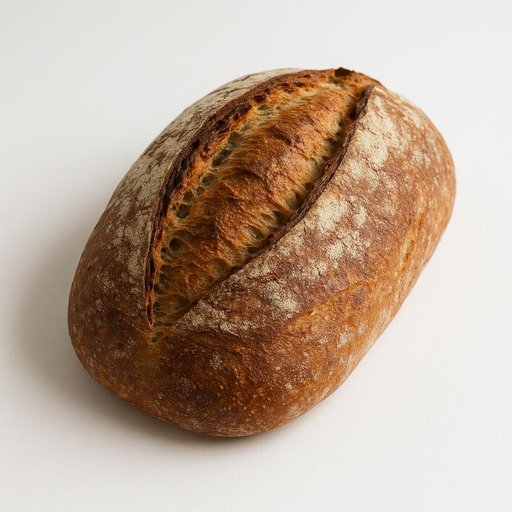
호주 러스틱 브레드 공급업체 및 가격 — 마켓 오버뷰 2026
원재료
소금, 밀가루, 효모
최종 업데이트
2026-10-08
서치 및 소싱 팀을 위한 핵심 요약
- 페이지 데이터 최종 업데이트일: 2026-10-08.
소싱 진단
호주산 러스틱 브레드, 우리도 들여올 수 있을까요?
필요한 스펙과 물량만 알려주세요. 실제로 소싱이 되는지, 어떤 원산지와 공급사가 맞는지 짚어드려요.
무료 진단, 계정 없이 이용 가능합니다.
호주의 러스틱 브레드 수입 바이어 인텔리전스 및 가격 시그널: 바이어, 수요, 거래 파트너
호주의 러스틱 브레드에 대해 수입 파트너 기업 1개가 추적됩니다. 수출업체와 수입업체는 Supply Chain Intelligence 회사 프로필 및 분석을 활용해 바이어 수요, 파트너 밀도, 다운스트림 채널을 분석할 수 있습니다.
스캐터 포인트는 전체 거래 데이터셋의 100.0%에서 샘플링되었습니다. 각 점은 실제 거래입니다. 가입하고 확인해 보세요 — 적정한 거래였는지 AI에게 물어볼 수도 있습니다.
러스틱 브레드의 호주 샘플 수입 거래 및 가격 기록
호주의 러스틱 브레드 샘플 수입 거래 4건은 가격 수준과 수요 측 거래 패턴 벤치마킹을 위한 날짜, 원산지, 무역 국가 맥락을 제공합니다.
호주의 러스틱 브레드 샘플 수입 거래 단가(일자별): 2026-08-25: 2.19 USD / kg, 2026-04-02: 2.19 USD / kg, 2025-12-17: 2.84 USD / kg, 2025-09-17: 2.19 USD / kg.
| 일자 | 신고 품목 | 단가 | 수출업체 | 수입업체 | 원산지 | |
|---|---|---|---|---|---|---|
| 2026-08-25 | RUS* *** ** **** **** | 2.19 USD / kg | (-) | (-) | - | |
| 2026-04-02 | RUS* *** ** **** **** | 2.19 USD / kg | (-) | (-) | - | |
| 2025-12-17 | ORI***** **** **** * ** ***** ***** ******* *** *** *** ** ********** ** ** ** **** ***** *************** | 2.84 USD / kg | (-) | (-) | - | |
| 2025-09-17 | RUS* *** ** **** **** | 2.19 USD / kg | (-) | (-) | - |
이 4건은 샘플입니다 — 트릿지에 가입하고 호주 러스틱 브레드 거래를 확인하세요
필요한 거래의 수출·수입업체와 가격을 확인하고, 적정한 거래였는지 AI에게 묻고, AI Curation으로 만들어 보세요.
호주 내 상위 러스틱 브레드 바이어, 수입업체 및 수요 파트너
선도 바이어 프로필을 검토하고 호주의 러스틱 브레드에 대해 추적되는 전체 수입 파트너 기업 1개와 비교하세요. 수출업체와 수입업체는 Supply Chain Intelligence 회사 프로필 및 분석으로 수요 측 파트너 적합도를 평가할 수 있습니다.
(호주)
최근 수입 거래: 2026-09-08
임직원 규모: 직원 501 - 1000명
매출액: 매출 USD 10M - 50M
산업군: 식품 제조, 식음료 서비스업
밸류체인 역할: 유통 / 도매, 식품 제조, 소매
트릿지 아이에서 전체 그림 보기: 가격·거래 전체 이력 · 725,009+ 기업 프로필
호주 수입 파트너 커버리지
1개 기업
수입 파트너 기업 수는 호주의 러스틱 브레드 수요 측 가시성을 보여줍니다.
공급망 인텔리전스 분석과 기업 프로필을 활용해 호주에서 활동 중인 러스틱 브레드 수입업체, 유통업체, 바이어 네트워크를 식별하세요.
수출 진단
우리 러스틱 브레드, 이 호주 바이어들에게 팔 수 있을까요?
만드시는 제품만 알려주시면 됩니다. 지금 수출할 준비가 됐는지, 어느 시장이 맞는지 봐드려요.
무료 진단, 계정 없이 이용 가능합니다.
가격 데이터
호주 러스틱 브레드 가격, 어디까지 필요하세요?
전체 가격 히스토리와 경쟁사 벤치마크를 열어드립니다. 어떤 숫자가 필요하신지만 말씀해 주시면 함께 살펴봐 드려요.
Classification
Product TypeProcessed Food
Product FormBaked
Industry PositionBakery Processed Food Product
Market
Rustic bread in Australia is primarily a domestic-consumption bakery category supplied by a mix of industrial bakers, supermarket in-store bakeries, and independent/artisanal bakeries. Demand is commonly shaped by sourdough-style positioning, freshness cues, and “simple ingredient” preferences in parts of the market. Because bread is bulky and time-sensitive, supply is typically produced and distributed locally across Australian states rather than shipped long distances as fresh product. Imported bread, when present, is more commonly supplied as frozen/par-baked or specialty packaged lines and must meet Australia’s biosecurity and food-labelling rules.
Market RoleDomestic consumption market with strong local production; limited imports mainly as frozen/par-baked or specialty packaged bread
Domestic RoleStaple bakery category sold through supermarkets, in-store bakeries, and independent bakeries, including sourdough-style rustic loaves
SeasonalityYear-round production and availability; supply is driven by bakery production schedules rather than agricultural seasonality.
Specification
Primary VarietySourdough-style rustic loaf
Secondary Variety
- Ciabatta-style loaf
- Baguette-style bread
- Country-style seeded loaf
Physical Attributes
- Crusty exterior with a darker bake
- Open crumb structure (larger alveoli) in some styles
- Loaf shape consistency for slicing and foodservice use
Compositional Metrics
- Ingredient list conformity (e.g., wheat/gluten, yeast/fermentation components) and allergen declaration requirements
- Salt level and moisture/texture consistency (buyer specification dependent)
Packaging
- Paper bag or sleeve for fresh bakery loaves
- Sealed plastic packaging for packaged bread to manage staling and shelf-life
- Frozen bags/cartons for par-baked or frozen rustic loaves supplied to bake-off programs
Supply Chain
Value Chain
- Flour milling (mostly domestic wheat inputs) -> bakery production (mixing/fermentation/baking) -> cooling -> slicing/pack (as applicable) -> ambient distribution to retail/foodservice
- For bake-off: industrial production -> par-bake or full bake -> freeze -> cold-chain distribution -> in-store bake-off -> retail sale
Temperature
- Ambient distribution is common for fresh/packaged bread (quality sensitive to time and humidity).
- Frozen/par-baked imports and bake-off programs require maintained frozen temperatures to avoid thaw-refreeze damage and mold risk.
Shelf Life
- Fresh rustic bread quality degrades quickly (staling), favoring short distribution windows and local baking.
- Packaged rustic bread may use formulation and packaging choices to extend shelf-life, subject to additive permissions and labelling.
Freight IntensityHigh
Transport ModeLand
Risks
Biosecurity HighAustralia’s biosecurity regime can block or disrupt imports of bread depending on ingredients and declared processing status; failure to meet BICON conditions or provide adequate supporting declarations can lead to border holds, re-export, or destruction.Confirm BICON conditions for the exact product/ingredient profile and origin before contracting; align documentation (processing description, ingredient declarations) and use an experienced Australian importer/broker.
Logistics MediumBread is bulky and time-sensitive; freight cost volatility and long-distance distribution constraints can quickly erode margin and reduce delivered quality, especially for frozen/par-baked programs requiring cold-chain integrity.Use frozen/par-baked formats for longer distances, optimize pack density, and consider local co-manufacturing or bake-off partnerships to reduce freight and freshness risk.
Food Safety MediumAllergen mislabelling (e.g., gluten, sesame, milk, egg) or undeclared processing aids can trigger recalls and retailer delisting in Australia’s tightly regulated market.Implement robust allergen management, label verification, and change-control procedures; conduct pre-market label reviews against FSANZ requirements.
Climate LowWheat supply variability from drought and heat can raise flour input costs and contribute to price volatility in bakery categories.Use forward purchasing/hedging strategies where appropriate and diversify flour sourcing arrangements within Australia.
Sustainability
- Climate-driven variability in Australian wheat production (drought/heat) can affect flour costs and downstream bakery input prices.
- Food waste and packaging waste management expectations in retail channels can influence supplier requirements for shelf-life, pack formats, and donation/redistribution practices.
Labor & Social
- Workplace health and safety and fair-work compliance are key operational risks in bakery production (manual handling, heat exposure, shift work).
- For larger buyers and suppliers, modern slavery due diligence and reporting expectations may apply under Australia’s Modern Slavery Act (supply-chain screening rather than a bread-specific controversy).
Standards
- HACCP-based food safety programs
- BRCGS Food Safety (commonly requested in retailer supply chains)
- SQF
- FSSC 22000 / ISO 22000 (facility dependent)
FAQ
Which authorities set the main food rules for bread sold in Australia?Food composition, permitted additives, and most labelling requirements are set through the Australia New Zealand Food Standards Code administered by FSANZ. Country-of-origin labelling requirements are overseen under Australia’s CoOL framework, with ACCC guidance and enforcement.
What is the most common reason imported bread shipments face issues at the Australian border?The biggest blocker is biosecurity compliance: import conditions can vary by ingredients and processing status, and failure to meet BICON requirements or provide adequate supporting declarations can lead to border holds, re-export, or destruction.
Is Halal certification required for rustic bread in Australia?Halal certification is not generally required by law for bread in Australia, but it can be relevant if a buyer or target channel requests it. If making a Halal claim, the full ingredient and processing-aid profile needs to be reviewed against the chosen certification body’s requirements.
Sources


수출·소싱 진단
호주 러스틱 브레드, 사는 쪽이세요 파는 쪽이세요?
어느 쪽이든 몇 가지만 답해주시면 됩니다. 어디서 살 수 있는지, 누구에게 팔 수 있는지 정리해서 보내드릴게요.
무료 진단, 계정 없이 이용 가능합니다.
'쿠키 허용'을 클릭하면 통계 및 개인 선호도 산출을 위한 쿠키 제공에 동의하게 됩니다.
개인정보 보호정책에서 쿠키에 대한 자세한 내용을 확인할 수 있습니다.