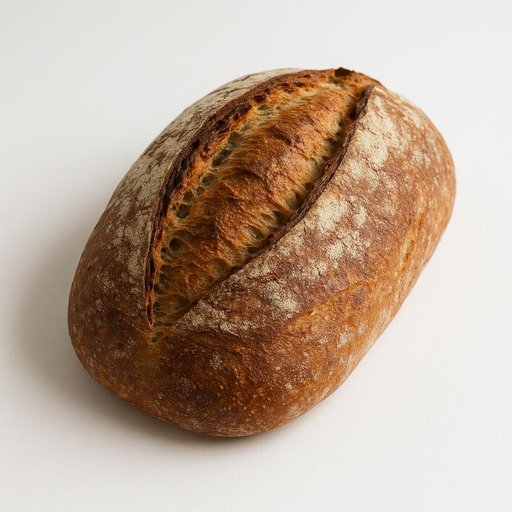
우즈베키스탄 러스틱 브레드 공급업체 및 가격 — 마켓 오버뷰 2026
원재료
소금, 밀가루, 효모
최종 업데이트
2026-10-08
서치 및 소싱 팀을 위한 핵심 요약
- 우즈베키스탄에 대한 샘플 수출 거래 5건이 요약되어 있습니다.
- 우즈베키스탄의 러스틱 브레드에 대해 수출 파트너 기업 11개와 수입 파트너 기업 2개가 매핑되어 있습니다.
- 페이지 데이터 최종 업데이트일: 2026-10-08.
우즈베키스탄 내 러스틱 브레드 수출 공급업체 인텔리전스, 가격 추이 및 무역 흐름
우즈베키스탄의 러스틱 브레드에 대해 수출 파트너 기업 11개가 추적됩니다. Supply Chain Intelligence 회사 프로필 및 분석으로 수출업체 커버리지, 파트너 품질, 경로 우선순위를 검증하세요.
우즈베키스탄에서의 러스틱 브레드 수출 인텔리전스를 확인하세요. 샘플 공급업체 거래 5건, 월간 단가 범위, HS 코드 -의 파트너 국가 무역 흐름 패턴을 포함합니다.
스캐터 포인트는 전체 거래 데이터셋의 33.3%에서 샘플링되었습니다. 각 점은 실제 거래입니다. 가입하고 확인해 보세요 — 적정한 거래였는지 AI에게 물어볼 수도 있습니다.
러스틱 브레드의 우즈베키스탄 샘플 수출 공급업체 거래 기록
우즈베키스탄의 러스틱 브레드 샘플 거래 5건에는 수출 가격과 공급업체 거래 패턴 벤치마킹을 위한 날짜, 원산지, 파트너 국가 맥락이 포함됩니다.
우즈베키스탄의 러스틱 브레드 샘플 거래 단가(일자별): 2025-11-25: 1.79 USD / kg, 2025-11-21: 1.90 USD / kg, 2025-11-20: 3.74 USD / kg, 2025-11-18: 1.43 USD / kg, 2025-11-11: 1.79 USD / kg.
| 일자 | 신고 품목 | 단가 | 수출업체 | 수입업체 | |
|---|---|---|---|---|---|
| 2025-11-25 | Тар*** **** | 1.79 USD / kg | (우즈베키스탄) | (카자흐스탄) | |
| 2025-11-21 | Тар*** **** | 1.90 USD / kg | (우즈베키스탄) | (카자흐스탄) | |
| 2025-11-20 | 1)Х*** *********** *** ** * ** ** ***** **** ** * **** *** *** * *** ******* | 3.74 USD / kg | (우즈베키스탄) | (카자흐스탄) | |
| 2025-11-18 | Тар*** **** | 1.43 USD / kg | (우즈베키스탄) | (카자흐스탄) | |
| 2025-11-11 | Тар*** **** | 1.79 USD / kg | (우즈베키스탄) | (카자흐스탄) |
이 5건은 샘플입니다 — 트릿지에 가입하고 우즈베키스탄 러스틱 브레드 거래를 확인하세요
필요한 거래의 수출·수입업체와 가격을 확인하고, 적정한 거래였는지 AI에게 묻고, AI Curation으로 만들어 보세요.
우즈베키스탄 내 상위 러스틱 브레드 수출 공급업체 및 기업
선도 수출업체 프로필을 검토하고 우즈베키스탄의 러스틱 브레드에 대해 추적되는 전체 수출 파트너 기업 11개와 비교하세요. Supply Chain Intelligence 회사 프로필 및 분석으로 소싱 및 수출 파트너를 더 빠르게 선별할 수 있습니다.
(우즈베키스탄)
최근 수출 거래: 2026-09-08
산업군: 식품 도매
밸류체인 역할: 유통 / 도매
(우즈베키스탄)
최근 수출 거래: 2026-09-08
산업군: 식품 제조, 식품 도매
밸류체인 역할: 기타
(우즈베키스탄)
최근 수출 거래: 2026-09-08
임직원 규모: 직원 11 - 50명
산업군: 기타
밸류체인 역할: 무역
(우즈베키스탄)
최근 수출 거래: 2026-09-08
임직원 규모: 직원 1 - 10명
산업군: 기타
밸류체인 역할: 물류
(우즈베키스탄)
최근 수출 거래: 2026-09-08
산업군: 음료 제조, 식품 제조
밸류체인 역할: 유통 / 도매
(우즈베키스탄)
최근 수출 거래: 2026-09-08
산업군: 기타
밸류체인 역할: 무역
트릿지 아이에서 전체 그림 보기: 가격·거래 전체 이력 · 725,009+ 기업 프로필
우즈베키스탄 수출 파트너 커버리지
11개 기업
총 수출 파트너 기업 수는 우즈베키스탄의 러스틱 브레드 수출 네트워크 깊이를 보여주는 핵심 신호입니다.
수출업체와 수입업체는 공급망 인텔리전스 기업 프로필 및 분석을 열어 우즈베키스탄 내 러스틱 브레드 파트너 집중도, 공급 역량 시그널, 무역 관련성을 평가할 수 있습니다.
소싱 진단
우즈베키스탄산 러스틱 브레드, 우리도 들여올 수 있을까요?
필요한 스펙과 물량만 알려주세요. 실제로 소싱이 되는지, 어떤 원산지와 공급사가 맞는지 짚어드려요.
무료 진단, 계정 없이 이용 가능합니다.
우즈베키스탄의 러스틱 브레드 수입 바이어 인텔리전스 및 가격 시그널: 바이어, 수요, 거래 파트너
우즈베키스탄의 러스틱 브레드에 대해 수입 파트너 기업 2개가 추적됩니다. 수출업체와 수입업체는 Supply Chain Intelligence 회사 프로필 및 분석을 활용해 바이어 수요, 파트너 밀도, 다운스트림 채널을 분석할 수 있습니다.
스캐터 포인트는 전체 거래 데이터셋의 100.0%에서 샘플링되었습니다. 각 점은 실제 거래입니다. 가입하고 확인해 보세요 — 적정한 거래였는지 AI에게 물어볼 수도 있습니다.
러스틱 브레드의 우즈베키스탄 샘플 수입 거래 및 가격 기록
우즈베키스탄의 러스틱 브레드 샘플 수입 거래 4건은 가격 수준과 수요 측 거래 패턴 벤치마킹을 위한 날짜, 원산지, 무역 국가 맥락을 제공합니다.
우즈베키스탄의 러스틱 브레드 샘플 수입 거래 단가(일자별): 2026-01-08: 1.55 USD / kg, 2026-01-07: 1.29 USD / kg, 2025-10-16: 1.38 USD / kg, 2025-10-16: 1.36 USD / kg.
| 일자 | 신고 품목 | 단가 | 수출업체 | 수입업체 | 원산지 | |
|---|---|---|---|---|---|---|
| 2026-01-08 | LLC ******* *** ************* ******* ********** ********* ****** *** ******* ********** ********** **** ***** *** ** ***** *** *** * ****** *** ** ** **** | 1.55 USD / kg | (-) | (-) | - | |
| 2026-01-07 | No. **** ********** ****** **** ******** ************ *** ** ****** *** **** ********* *** ******* ********* ***** ******* *** ******* ***** *** ***** ****** ********* **** | 1.29 USD / kg | (-) | (-) | - | |
| 2025-10-16 | Зав** ************* **** ********************* ******** ********* *********** *************** ****** ********* ********** ******* *** ** ************ *** ** * **** *** *** * **** **** ******** | 1.38 USD / kg | (-) | (-) | - | |
| 2025-10-16 | Зав** ************* **** ********************* ******** ********* *********** *************** ****** ************ ************ *** ********* *** ** * **** *** *** * **** **** ******** | 1.36 USD / kg | (-) | (-) | - |
이 4건은 샘플입니다 — 트릿지에 가입하고 우즈베키스탄 러스틱 브레드 거래를 확인하세요
필요한 거래의 수출·수입업체와 가격을 확인하고, 적정한 거래였는지 AI에게 묻고, AI Curation으로 만들어 보세요.
우즈베키스탄 내 상위 러스틱 브레드 바이어, 수입업체 및 수요 파트너
선도 바이어 프로필을 검토하고 우즈베키스탄의 러스틱 브레드에 대해 추적되는 전체 수입 파트너 기업 2개와 비교하세요. 수출업체와 수입업체는 Supply Chain Intelligence 회사 프로필 및 분석으로 수요 측 파트너 적합도를 평가할 수 있습니다.
(우즈베키스탄)
최근 수입 거래: 2026-09-08
산업군: 음료 제조, 식품 제조, 식품 포장
밸류체인 역할: 식품 제조, 물류, 무역
(우즈베키스탄)
최근 수입 거래: 2026-09-08
임직원 규모: 직원 101 - 500명
산업군: 식품 제조, 식음료 서비스업
밸류체인 역할: 식품 제조, 소매
트릿지 아이에서 전체 그림 보기: 가격·거래 전체 이력 · 725,009+ 기업 프로필
우즈베키스탄 수입 파트너 커버리지
2개 기업
수입 파트너 기업 수는 우즈베키스탄의 러스틱 브레드 수요 측 가시성을 보여줍니다.
공급망 인텔리전스 분석과 기업 프로필을 활용해 우즈베키스탄에서 활동 중인 러스틱 브레드 수입업체, 유통업체, 바이어 네트워크를 식별하세요.
수출 진단
우리 러스틱 브레드, 이 우즈베키스탄 바이어들에게 팔 수 있을까요?
만드시는 제품만 알려주시면 됩니다. 지금 수출할 준비가 됐는지, 어느 시장이 맞는지 봐드려요.
무료 진단, 계정 없이 이용 가능합니다.
가격 데이터
우즈베키스탄 러스틱 브레드 가격, 어디까지 필요하세요?
전체 가격 히스토리와 경쟁사 벤치마크를 열어드립니다. 어떤 숫자가 필요하신지만 말씀해 주시면 함께 살펴봐 드려요.
Classification
Product TypeProcessed Food
Product FormBaked
Industry PositionProcessed Food Product
Market
Rustic bread in Uzbekistan is primarily supplied by domestic bakeries and retail bakery operations, with modern supermarkets such as Korzinka and café/boulangerie formats in Tashkent offering artisan-style loaves. Because Uzbekistan is doubly landlocked, shipping fresh rustic bread across borders is highly sensitive to transit time and border delays, making local baking or frozen/par-baked formats more practical than importing fresh loaves. For imported packaged bread, market access concentrates on conformity assessment (certificate/declaration of conformity), food labeling requirements, and sanitary-epidemiological oversight. Retailers commonly apply supplier approval and incoming quality checks to manage freshness and food-safety risk.
Market RoleDomestic consumption market with strong local production; limited viability for importing fresh rustic bread due to perishability and transit constraints
Domestic RoleStaple bakery product category supplied mainly by local bakeries, modern retail, and foodservice
SeasonalityYear-round production and consumption; demand and production are typically continuous rather than seasonal.
Specification
Physical Attributes
- Crust quality and freshness (same-day bake) are key acceptance factors
- Loaf shape/weight consistency and absence of visible mold or foreign matter
Compositional Metrics
- Moisture/freshness management to reduce staling during distribution
Packaging
- Paper bag or wrap for same-day fresh bread
- Sealed plastic packaging for packaged/sliced bread; labeling must meet national marking requirements
Supply Chain
Value Chain
- Flour milling → dough preparation & fermentation → baking → cooling → retail distribution (same-day) → consumer
- For longer-distance trade: frozen/par-baked or packaged bread → import clearance → local final bake/retail distribution
Temperature
- Ambient distribution is typical, but heat and humidity accelerate staling and quality loss
- Frozen/par-baked formats reduce spoilage risk for cross-border routes compared with shipping fresh loaves
Atmosphere Control
- Packaged bread may use sealed packaging to slow staling; any such packaging and additives must be transparently declared on the label per national marking rules
Shelf Life
- Fresh rustic bread is highly time-sensitive; border delays can make fresh-import programs commercially and quality-wise unworkable
- Packaged bread shelf life depends on formulation, packaging, and storage discipline; verify shelf-life claims during importer due diligence
Freight IntensityHigh
Transport ModeLand
Risks
Logistics HighFresh rustic bread is highly perishable and quality degrades quickly; Uzbekistan’s doubly landlocked geography increases dependence on multi-border land transit, making border delays a deal-breaker risk for importing fresh loaves.Prefer local baking, or import frozen/par-baked formats and finish-bake in-market; pre-align customs/conformity documentation and choose routes with reliable border performance.
Regulatory Compliance MediumNon-compliance with Uzbekistan marking requirements (including state-language labeling expectations) and product conformity documentation can trigger clearance delays, relabeling, or rejection risk for packaged bread.Run a pre-shipment label and document review against the applicable technical regulation and conformity assessment pathway (certificate/declaration); retain labeling samples and test reports as required.
Food Safety MediumBread and bakery products are exposed to spoilage and hygiene risks in retail/market environments; enforcement actions and market inspections can lead to seizure of unsafe or expired products and reputational damage.Implement strict shelf-life control, storage discipline, and retailer/warehouse hygiene audits; ensure traceable batch coding and rapid withdrawal capability.
Labor Rights MediumUzbekistan’s historic forced-labor controversy in cotton creates ongoing reputational and due-diligence scrutiny; some monitoring reports warn of localized coercion risks and the possibility of backsliding.Document supplier labor policies and conduct risk-based due diligence aligned to ILO findings and credible civil-society monitoring; maintain grievance and audit mechanisms for upstream suppliers.
Logistics MediumFreight-rate volatility and land-transport bottlenecks can materially raise delivered cost for bulky, low-value baked goods, pressuring margins and potentially shifting buyers to domestic alternatives.Model landed-cost sensitivity; use consolidated shipments, optimize pack density, and negotiate route-specific service levels with carriers and customs brokers.
Labor & Social
- Uzbekistan has a well-known history of forced labor concerns in the cotton sector; ILO third-party monitoring reported systemic forced and child labour eradicated for the 2021 cotton harvest, while civil-society monitoring has warned about continued localized coercion risks and potential relapse in later harvest cycles. Even though rustic bread is not a cotton product, buyers with human-rights due diligence obligations may still screen Uzbekistan supply chains for forced-labor risk signals at the country level.
Standards
- Retailer supplier approval and incoming quality checks (e.g., Korzinka supplier/quality statements)
- ISO 9001 quality system certificate is cited as a supporting document in some conformity documentation workflows (Uzttm guidance)
FAQ
Why is exporting fresh rustic bread into Uzbekistan risky?Fresh rustic bread loses quality quickly, and Uzbekistan is doubly landlocked, so shipments typically depend on multi-border land transit where delays can make the product arrive stale or unsellable. Many import programs therefore use frozen/par-baked formats or bake locally instead of shipping fresh loaves.
What are common compliance items to check when importing packaged bread into Uzbekistan?Importers typically plan for customs clearance documentation (often including an import contract for legal entities), ensure labeling meets Uzbekistan’s food marking requirements (including state-language labeling expectations), and confirm whether the product needs conformity assessment documents (certificate/declaration of conformity) and any sanitary-epidemiological certification within the applicable scope.
Which channels matter for rustic bread sales in Uzbekistan?Modern retail (such as Korzinka stores and its online grocery operation) and bakery/café formats in Tashkent (for example, Bon! boulangerie) are visible channels for artisan-style bread, alongside local bakeries supplying fresh bread for frequent household purchases.
Sources


수출·소싱 진단
우즈베키스탄 러스틱 브레드, 사는 쪽이세요 파는 쪽이세요?
어느 쪽이든 몇 가지만 답해주시면 됩니다. 어디서 살 수 있는지, 누구에게 팔 수 있는지 정리해서 보내드릴게요.
무료 진단, 계정 없이 이용 가능합니다.
'쿠키 허용'을 클릭하면 통계 및 개인 선호도 산출을 위한 쿠키 제공에 동의하게 됩니다.
개인정보 보호정책에서 쿠키에 대한 자세한 내용을 확인할 수 있습니다.