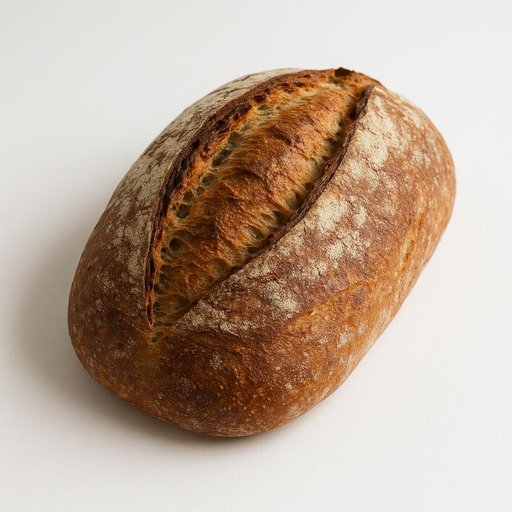
멕시코 러스틱 브레드 공급업체 및 가격 — 마켓 오버뷰 2026
원재료
소금, 밀가루, 효모
최종 업데이트
2026-10-08
서치 및 소싱 팀을 위한 핵심 요약
- 멕시코에 대한 샘플 수출 거래 5건이 요약되어 있습니다.
- 멕시코의 러스틱 브레드에 대해 수출 파트너 기업 8개와 수입 파트너 기업 19개가 매핑되어 있습니다.
- 페이지 데이터 최종 업데이트일: 2026-10-08.
멕시코 내 러스틱 브레드 수출 공급업체 인텔리전스, 가격 추이 및 무역 흐름
멕시코의 러스틱 브레드에 대해 수출 파트너 기업 8개가 추적됩니다. Supply Chain Intelligence 회사 프로필 및 분석으로 수출업체 커버리지, 파트너 품질, 경로 우선순위를 검증하세요.
멕시코에서의 러스틱 브레드 수출 인텔리전스를 확인하세요. 샘플 공급업체 거래 5건, 월간 단가 범위, HS 코드 -의 파트너 국가 무역 흐름 패턴을 포함합니다.
스캐터 포인트는 전체 거래 데이터셋의 3.7%에서 샘플링되었습니다. 각 점은 실제 거래입니다. 가입하고 확인해 보세요 — 적정한 거래였는지 AI에게 물어볼 수도 있습니다.
러스틱 브레드의 멕시코 샘플 수출 공급업체 거래 기록
멕시코의 러스틱 브레드 샘플 거래 5건에는 수출 가격과 공급업체 거래 패턴 벤치마킹을 위한 날짜, 원산지, 파트너 국가 맥락이 포함됩니다.
멕시코의 러스틱 브레드 샘플 거래 단가(일자별): 2026-05-25: 0.10 USD / kg, 2026-05-24: 0.10 USD / kg, 2026-05-18: 0.10 USD / kg, 2026-05-11: 0.10 USD / kg, 2026-05-03: 0.10 USD / kg.
| 일자 | 신고 품목 | 단가 | 수출업체 | 수입업체 | |
|---|---|---|---|---|---|
| 2026-05-25 | PAN ** ******** | 0.10 USD / kg | (멕시코) | (미국) | |
| 2026-05-24 | PAN ** ******** | 0.10 USD / kg | (멕시코) | (미국) | |
| 2026-05-18 | PAN ** ******** | 0.10 USD / kg | (멕시코) | (미국) | |
| 2026-05-11 | PAN ** ******** | 0.10 USD / kg | (멕시코) | (미국) | |
| 2026-05-03 | PAN ** ******** | 0.10 USD / kg | (멕시코) | (미국) |
이 5건은 샘플입니다 — 트릿지에 가입하고 멕시코 러스틱 브레드 거래를 확인하세요
필요한 거래의 수출·수입업체와 가격을 확인하고, 적정한 거래였는지 AI에게 묻고, AI Curation으로 만들어 보세요.
멕시코 내 상위 러스틱 브레드 수출 공급업체 및 기업
선도 수출업체 프로필을 검토하고 멕시코의 러스틱 브레드에 대해 추적되는 전체 수출 파트너 기업 8개와 비교하세요. Supply Chain Intelligence 회사 프로필 및 분석으로 소싱 및 수출 파트너를 더 빠르게 선별할 수 있습니다.
(멕시코)
최근 수출 거래: 2026-09-08
최근 수출 파트너 기업: 1
산업군: 음료 제조, 식품 제조, 식품 포장
밸류체인 역할: 유통 / 도매, 식품 제조
(멕시코)
최근 수출 거래: 2026-09-08
산업군: 식품 제조
밸류체인 역할: 유통 / 도매, 식품 제조
(멕시코)
최근 수출 거래: 2026-09-08
임직원 규모: 직원 51 - 100명
매출액: 매출 USD 5M - 10M
산업군: 브로커 및 무역 대행, 식품 도매
밸류체인 역할: 유통 / 도매, 무역
(멕시코)
최근 수출 거래: 2026-09-08
임직원 규모: 직원 1000명 초과
매출액: 매출 USD 10M - 50M
산업군: 식품 제조, 식음료 서비스업, 식료품점
밸류체인 역할: 소매, 무역
(멕시코)
최근 수출 거래: 2026-09-08
산업군: 기타
밸류체인 역할: 물류
(멕시코)
최근 수출 거래: 2026-09-08
임직원 규모: 직원 11 - 50명
매출액: 매출 USD 10M - 50M
산업군: 주류 도매, 식품 제조, 식음료 서비스업
밸류체인 역할: 유통 / 도매, 식품 제조, 무역
트릿지 아이에서 전체 그림 보기: 가격·거래 전체 이력 · 725,009+ 기업 프로필
멕시코 수출 파트너 커버리지
8개 기업
총 수출 파트너 기업 수는 멕시코의 러스틱 브레드 수출 네트워크 깊이를 보여주는 핵심 신호입니다.
수출업체와 수입업체는 공급망 인텔리전스 기업 프로필 및 분석을 열어 멕시코 내 러스틱 브레드 파트너 집중도, 공급 역량 시그널, 무역 관련성을 평가할 수 있습니다.
소싱 진단
멕시코산 러스틱 브레드, 우리도 들여올 수 있을까요?
필요한 스펙과 물량만 알려주세요. 실제로 소싱이 되는지, 어떤 원산지와 공급사가 맞는지 짚어드려요.
무료 진단, 계정 없이 이용 가능합니다.
멕시코의 러스틱 브레드 수입 바이어 인텔리전스 및 가격 시그널: 바이어, 수요, 거래 파트너
멕시코의 러스틱 브레드에 대해 수입 파트너 기업 19개가 추적됩니다. 수출업체와 수입업체는 Supply Chain Intelligence 회사 프로필 및 분석을 활용해 바이어 수요, 파트너 밀도, 다운스트림 채널을 분석할 수 있습니다.
스캐터 포인트는 전체 거래 데이터셋의 100.0%에서 샘플링되었습니다. 각 점은 실제 거래입니다. 가입하고 확인해 보세요 — 적정한 거래였는지 AI에게 물어볼 수도 있습니다.
러스틱 브레드의 멕시코 샘플 수입 거래 및 가격 기록
멕시코의 러스틱 브레드 샘플 수입 거래 5건은 가격 수준과 수요 측 거래 패턴 벤치마킹을 위한 날짜, 원산지, 무역 국가 맥락을 제공합니다.
멕시코의 러스틱 브레드 샘플 수입 거래 단가(일자별): 2025-12-17: 5.22 USD / kg, 2025-12-16: 3.88 USD / kg, 2025-12-15: 4.27 USD / kg, 2025-12-01: 4.15 USD / kg, 2025-11-10: 3.89 USD / kg.
| 일자 | 신고 품목 | 단가 | 수출업체 | 수입업체 | 원산지 | |
|---|---|---|---|---|---|---|
| 2025-12-17 | BAG***** ******* *** ** ***** | 5.22 USD / kg | (-) | (-) | - | |
| 2025-12-16 | BAG***** ******* *** ** ***** *** ** **** ********** | 3.88 USD / kg | (-) | (-) | - | |
| 2025-12-15 | BAG***** ******* *** ** ***** *** ** **** ********** | 4.27 USD / kg | (-) | (-) | - | |
| 2025-12-01 | BAG***** ******* *** ** ***** *** ** **** ********** | 4.15 USD / kg | (-) | (-) | - | |
| 2025-11-10 | PAN ** ***** | 3.89 USD / kg | (-) | (-) | - |
이 5건은 샘플입니다 — 트릿지에 가입하고 멕시코 러스틱 브레드 거래를 확인하세요
필요한 거래의 수출·수입업체와 가격을 확인하고, 적정한 거래였는지 AI에게 묻고, AI Curation으로 만들어 보세요.
멕시코 내 상위 러스틱 브레드 바이어, 수입업체 및 수요 파트너
선도 바이어 프로필을 검토하고 멕시코의 러스틱 브레드에 대해 추적되는 전체 수입 파트너 기업 19개와 비교하세요. 수출업체와 수입업체는 Supply Chain Intelligence 회사 프로필 및 분석으로 수요 측 파트너 적합도를 평가할 수 있습니다.
(멕시코)
최근 수입 거래: 2026-09-08
산업군: 브로커 및 무역 대행, 식품 제조, 식품 포장
밸류체인 역할: 유통 / 도매, 무역
(멕시코)
최근 수입 거래: 2026-09-08
산업군: 식품 제조, 식음료 서비스업, 식품 도매
밸류체인 역할: 유통 / 도매, 식품 제조, 무역
(멕시코)
최근 수입 거래: 2026-09-08
최근 수입 파트너 기업: 1
산업군: 음료 제조, 식품 제조, 식품 포장
밸류체인 역할: 유통 / 도매, 식품 제조
(멕시코)
최근 수입 거래: 2026-09-08
산업군: 음료 제조, 식품 제조, 식품 포장
밸류체인 역할: 유통 / 도매, 식품 제조, 무역
(멕시코)
최근 수입 거래: 2026-09-08
산업군: 음료 제조, 식품 제조, 식품 포장
밸류체인 역할: 유통 / 도매, 농업 / 생산 / 가공 / 포장, 식품 제조
(멕시코)
최근 수입 거래: 2026-09-08
산업군: 어업 및 양식업, 식품 제조
밸류체인 역할: 농업 / 생산 / 가공 / 포장, 식품 제조, 무역
트릿지 아이에서 전체 그림 보기: 가격·거래 전체 이력 · 725,009+ 기업 프로필
멕시코 수입 파트너 커버리지
19개 기업
수입 파트너 기업 수는 멕시코의 러스틱 브레드 수요 측 가시성을 보여줍니다.
공급망 인텔리전스 분석과 기업 프로필을 활용해 멕시코에서 활동 중인 러스틱 브레드 수입업체, 유통업체, 바이어 네트워크를 식별하세요.
수출 진단
우리 러스틱 브레드, 이 멕시코 바이어들에게 팔 수 있을까요?
만드시는 제품만 알려주시면 됩니다. 지금 수출할 준비가 됐는지, 어느 시장이 맞는지 봐드려요.
무료 진단, 계정 없이 이용 가능합니다.
가격 데이터
멕시코 러스틱 브레드 가격, 어디까지 필요하세요?
전체 가격 히스토리와 경쟁사 벤치마크를 열어드립니다. 어떤 숫자가 필요하신지만 말씀해 주시면 함께 살펴봐 드려요.
Classification
Product TypeProcessed Food
Product FormBaked
Industry PositionProcessed Bakery Product
Market
Rustic bread in Mexico is supplied primarily by domestic industrial bakeries and a large base of local panaderías, with modern retail and convenience stores complementing traditional bakery channels. As a bulky, short-shelf-life product, it relies on dense land-based delivery networks and typically favors local baking over long-distance importation; imports tend to be niche (e.g., specialty packaged or frozen/par-baked formats). Market access and go-to-market execution for prepackaged rustic bread is strongly shaped by mandatory labeling under NOM-051 and hygiene expectations under NOM-251. For importers, COFEPRIS sanitary filings (permits/notifications, as applicable) can be required for foods and related inputs and can be submitted through Mexico’s single-window platform (VUCEM).
Market RoleDomestic consumption market with large domestic industrial and artisan production; imports are niche and compliance-sensitive
Domestic RoleStaple bakery category supplied through industrial packaged bread and fresh artisan/retail bakery production
Market GrowthMixed (near-to-medium term)Stable staple demand with selective growth in premium/artisan-style and packaged segments, moderated by compliance and input-cost pressures
SeasonalityYear-round baking and availability; no agricultural harvest seasonality at the finished-product level.
Specification
Primary VarietyRustic artisan-style loaf (pan rústico / pan artesanal)
Secondary Variety
- Sourdough-style loaf (masa madre)
- Baguette-style rustic bread
- Whole-grain rustic loaf
Physical Attributes
- Crust/crumb texture and slice integrity
- Uniform bake color and absence of scorching
- Mold-free appearance at point of sale (shelf-life control)
Compositional Metrics
- Salt and moisture control to balance texture and shelf-life (especially for packaged loaves)
- Allergen declaration requirements for cereals containing gluten (wheat) under NOM-051 for prepackaged products
Packaging
- Paper bags or paper sleeves for fresh bread sold at bakeries/retail bakeries
- Flow-wrap plastic for prepackaged loaves (lot coding and date marking expected)
- Frozen bulk packaging for par-baked or frozen bread formats (where used for foodservice/import)
Supply Chain
Value Chain
- Flour sourcing (often via domestic milling/imported wheat supply chain) → ingredient receiving & QC → dough mixing → bulk fermentation → dividing & shaping → proofing → baking → cooling → packing/labeling (for prepackaged) → distribution to retail/foodservice
Temperature
- Ambient distribution is common for fresh bread and many packaged loaves; heat and humidity management is important to reduce condensation and mold pressure
- Frozen (-18°C) cold chain is required for frozen or par-baked formats used in some foodservice or specialty import channels
Shelf Life
- Fresh rustic bread has short practical shelf life; distribution cadence and store-level handling are critical to quality retention
- Packaged variants rely on formulation, sanitation, and packaging discipline to manage mold risk and staling during distribution
Freight IntensityHigh
Transport ModeLand
Risks
Regulatory Compliance HighNoncompliance with Mexico’s NOM-051 prepackaged food labeling requirements can lead to product immobilization/withdrawal actions (including for imported products), disrupting market entry and retail execution for packaged rustic bread.Run a pre-shipment label compliance review against NOM-051 (Spanish labeling, ingredient/additive and allergen declarations, nutrition information, and warning seals where applicable) and align importer documentation with COFEPRIS/retail checklists.
Food Safety MediumBread is sensitive to mold growth and cross-contact allergen risks (wheat/gluten is inherent; other allergens can arise from shared lines), which can trigger rejects, recalls, or retailer delisting if sanitation and process controls are weak.Implement validated sanitation and environmental controls, allergen segregation/cleaning verification, and robust lot coding/traceability consistent with NOM-251 hygiene expectations and HACCP-based controls.
Logistics MediumFinished rustic bread is bulky and quality degrades quickly with extended transit and handling; disruptions in land distribution (delays, temperature/humidity exposure) can cause staling or mold pressure and raise returns.Favor in-market baking or frozen/par-baked models for longer routes; tighten delivery cadence, packaging discipline, and retailer handling SOPs.
Sustainability
- Food loss and waste risk from short shelf life (fresh rustic bread) and strict freshness expectations
- Packaging waste management for prepackaged loaves (single-use plastic flow-wrap vs. paper for fresh bread)
Labor & Social
- Occupational safety in bakeries (heat exposure, burns, and machinery hazards) and training discipline as a baseline expectation for formal supply programs
Standards
- HACCP-based food safety management (commonly referenced in Mexican hygiene frameworks such as NOM-251 appendix guidance)
- ISO 22000 / FSSC 22000 (common in industrial food manufacturing and retail-supplier qualification)
- BRCGS Food Safety (often used in retailer/importer audit frameworks for packaged foods)
FAQ
What labeling rules matter most for selling prepackaged rustic bread in Mexico?NOM-051 is the core standard for prepackaged foods in Mexico. It sets required label elements such as the product name, ingredient list (including additives), allergen declarations (including gluten-containing cereals like wheat), and nutrition information, and it is actively enforced for both domestic and imported products.
Which authorities and platforms are relevant if importing packaged bread into Mexico?COFEPRIS is the key sanitary authority for imports of foods and related inputs when filings are required, and Mexico’s VUCEM single-window platform is used to submit information electronically for multiple agencies’ trade requirements. Customs clearance relies on the pedimento filed through the electronic customs system.
Why is locally baked supply common for rustic bread in Mexico compared with importing fresh loaves?Rustic bread is bulky and has a short practical shelf life, so long-distance shipping increases quality risk and logistics cost exposure. This makes local baking and frequent land-based replenishment routes the dominant supply model, while imports are more feasible in frozen/par-baked or specialty packaged formats.
Sources


수출·소싱 진단
멕시코 러스틱 브레드, 사는 쪽이세요 파는 쪽이세요?
어느 쪽이든 몇 가지만 답해주시면 됩니다. 어디서 살 수 있는지, 누구에게 팔 수 있는지 정리해서 보내드릴게요.
무료 진단, 계정 없이 이용 가능합니다.
'쿠키 허용'을 클릭하면 통계 및 개인 선호도 산출을 위한 쿠키 제공에 동의하게 됩니다.
개인정보 보호정책에서 쿠키에 대한 자세한 내용을 확인할 수 있습니다.