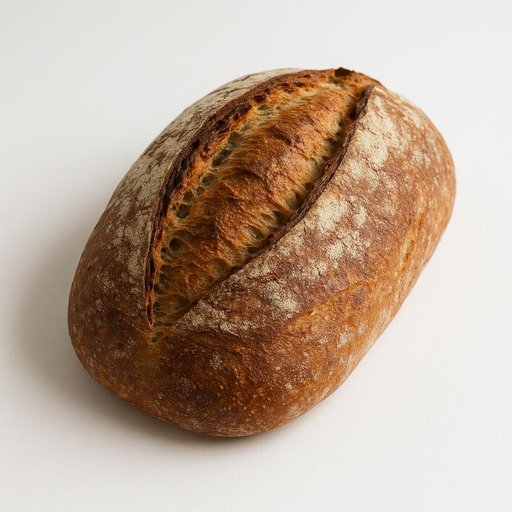
미국 러스틱 브레드 공급업체 및 가격 — 마켓 오버뷰 2026
원재료
소금, 밀가루, 효모
최종 업데이트
2026-10-08
서치 및 소싱 팀을 위한 핵심 요약
- 미국에 대한 샘플 수출 거래 5건이 요약되어 있습니다.
- 미국의 러스틱 브레드에 대해 수출 파트너 기업 47개와 수입 파트너 기업 7개가 매핑되어 있습니다.
- 페이지 데이터 최종 업데이트일: 2026-10-08.
미국 내 러스틱 브레드 수출 공급업체 인텔리전스, 가격 추이 및 무역 흐름
미국의 러스틱 브레드에 대해 수출 파트너 기업 47개가 추적됩니다. Supply Chain Intelligence 회사 프로필 및 분석으로 수출업체 커버리지, 파트너 품질, 경로 우선순위를 검증하세요.
미국에서의 러스틱 브레드 수출 인텔리전스를 확인하세요. 샘플 공급업체 거래 5건, 월간 단가 범위, HS 코드 -의 파트너 국가 무역 흐름 패턴을 포함합니다.
스캐터 포인트는 전체 거래 데이터셋의 100.0%에서 샘플링되었습니다. 각 점은 실제 거래입니다. 가입하고 확인해 보세요 — 적정한 거래였는지 AI에게 물어볼 수도 있습니다.
러스틱 브레드의 미국 샘플 수출 공급업체 거래 기록
미국의 러스틱 브레드 샘플 거래 5건에는 수출 가격과 공급업체 거래 패턴 벤치마킹을 위한 날짜, 원산지, 파트너 국가 맥락이 포함됩니다.
미국의 러스틱 브레드 샘플 거래 단가(일자별): 2026-02-02: 3.81 USD / kg, 2025-12-17: 5.22 USD / kg, 2025-12-16: 3.88 USD / kg, 2025-12-15: 4.27 USD / kg, 2025-12-01: 4.15 USD / kg.
| 일자 | 신고 품목 | 단가 | 수출업체 | 수입업체 | |
|---|---|---|---|---|---|
| 2026-02-02 | PAN ******* ******* ********* ********* ***** **** *** ***** | 3.81 USD / kg | (미국) | (코스타리카) | |
| 2025-12-17 | BAG***** ******* *** ** ***** | 5.22 USD / kg | (미국) | (멕시코) | |
| 2025-12-16 | BAG***** ******* *** ** ***** *** ** **** ********** | 3.88 USD / kg | (미국) | (멕시코) | |
| 2025-12-15 | BAG***** ******* *** ** ***** *** ** **** ********** | 4.27 USD / kg | (미국) | (멕시코) | |
| 2025-12-01 | BAG***** ******* *** ** ***** *** ** **** ********** | 4.15 USD / kg | (미국) | (멕시코) |
이 5건은 샘플입니다 — 트릿지에 가입하고 미국 러스틱 브레드 거래를 확인하세요
필요한 거래의 수출·수입업체와 가격을 확인하고, 적정한 거래였는지 AI에게 묻고, AI Curation으로 만들어 보세요.
미국 내 상위 러스틱 브레드 수출 공급업체 및 기업
선도 수출업체 프로필을 검토하고 미국의 러스틱 브레드에 대해 추적되는 전체 수출 파트너 기업 47개와 비교하세요. Supply Chain Intelligence 회사 프로필 및 분석으로 소싱 및 수출 파트너를 더 빠르게 선별할 수 있습니다.
(미국)
최근 수출 거래: 2026-09-08
산업군: 식음료 서비스업
밸류체인 역할: 유통 / 도매, 식품 제조, 소매
(미국)
최근 수출 거래: 2026-09-08
산업군: 식품 제조, 식품 도매
밸류체인 역할: 유통 / 도매, 식품 제조, 무역
(미국)
최근 수출 거래: 2026-09-08
임직원 규모: 직원 1000명 초과
산업군: 식품 제조, 식품 포장, 식음료 서비스업, 식료품점, 기타
밸류체인 역할: 식품 제조, 호레카, 기타, 소매
(미국)
최근 수출 거래: 2026-09-08
임직원 규모: 직원 1000명 초과
매출액: 매출 USD 1B 초과
산업군: 음료 제조, 식품 제조, 식품 포장, 식음료 서비스업, 식품 도매, 온라인 리테일 및 풀필먼트, 기타
밸류체인 역할: 식품 제조, 물류, 소매, 무역
(미국)
최근 수출 거래: 2026-09-08
산업군: 포워딩 및 복합운송, 기타
밸류체인 역할: 유통 / 도매, 물류
(미국)
최근 수출 거래: 2026-09-08
산업군: 음료 제조, 식품 제조, 식품 포장, 기타
밸류체인 역할: 유통 / 도매, 식품 제조, 무역
트릿지 아이에서 전체 그림 보기: 가격·거래 전체 이력 · 725,009+ 기업 프로필
미국 수출 파트너 커버리지
47개 기업
총 수출 파트너 기업 수는 미국의 러스틱 브레드 수출 네트워크 깊이를 보여주는 핵심 신호입니다.
수출업체와 수입업체는 공급망 인텔리전스 기업 프로필 및 분석을 열어 미국 내 러스틱 브레드 파트너 집중도, 공급 역량 시그널, 무역 관련성을 평가할 수 있습니다.
소싱 진단
미국산 러스틱 브레드, 우리도 들여올 수 있을까요?
필요한 스펙과 물량만 알려주세요. 실제로 소싱이 되는지, 어떤 원산지와 공급사가 맞는지 짚어드려요.
무료 진단, 계정 없이 이용 가능합니다.
미국의 러스틱 브레드 수입 바이어 인텔리전스 및 가격 시그널: 바이어, 수요, 거래 파트너
미국의 러스틱 브레드에 대해 수입 파트너 기업 7개가 추적됩니다. 수출업체와 수입업체는 Supply Chain Intelligence 회사 프로필 및 분석을 활용해 바이어 수요, 파트너 밀도, 다운스트림 채널을 분석할 수 있습니다.
스캐터 포인트는 전체 거래 데이터셋의 3.9%에서 샘플링되었습니다. 각 점은 실제 거래입니다. 가입하고 확인해 보세요 — 적정한 거래였는지 AI에게 물어볼 수도 있습니다.
러스틱 브레드의 미국 샘플 수입 거래 및 가격 기록
미국의 러스틱 브레드 샘플 수입 거래 5건은 가격 수준과 수요 측 거래 패턴 벤치마킹을 위한 날짜, 원산지, 무역 국가 맥락을 제공합니다.
미국의 러스틱 브레드 샘플 수입 거래 단가(일자별): 2026-07-30: 1.90 USD / kg, 2026-07-23: 1.90 USD / kg, 2026-07-11: 1.89 USD / kg, 2026-07-07: 1.78 USD / kg, 2026-05-25: 0.10 USD / kg.
| 일자 | 신고 품목 | 단가 | 수출업체 | 수입업체 | 원산지 | |
|---|---|---|---|---|---|---|
| 2026-07-30 | E/5***** ******* ***** *** ******* ******* | 1.90 USD / kg | (-) | (-) | - | |
| 2026-07-23 | E/5***** ******* ***** *** ******* ******* | 1.90 USD / kg | (-) | (-) | - | |
| 2026-07-11 | E/5***** ******* ***** *** ******* ******* | 1.89 USD / kg | (-) | (-) | - | |
| 2026-07-07 | E/5***** ******* ***** *** ******* ******* | 1.78 USD / kg | (-) | (-) | - | |
| 2026-05-25 | PAN ** ******** | 0.10 USD / kg | (-) | (-) | - |
이 5건은 샘플입니다 — 트릿지에 가입하고 미국 러스틱 브레드 거래를 확인하세요
필요한 거래의 수출·수입업체와 가격을 확인하고, 적정한 거래였는지 AI에게 묻고, AI Curation으로 만들어 보세요.
미국 내 상위 러스틱 브레드 바이어, 수입업체 및 수요 파트너
선도 바이어 프로필을 검토하고 미국의 러스틱 브레드에 대해 추적되는 전체 수입 파트너 기업 7개와 비교하세요. 수출업체와 수입업체는 Supply Chain Intelligence 회사 프로필 및 분석으로 수요 측 파트너 적합도를 평가할 수 있습니다.
(미국)
최근 수입 거래: 2026-09-08
임직원 규모: 직원 501 - 1000명
산업군: 식품 제조, 식품 도매, 온라인 리테일 및 풀필먼트
밸류체인 역할: 유통 / 도매, 식품 제조, 무역
(미국)
최근 수입 거래: 2026-09-08
산업군: 기타
밸류체인 역할: 무역
(미국)
최근 수입 거래: 2026-09-08
임직원 규모: 직원 1000명 초과
산업군: 음료 제조, 식품 제조
밸류체인 역할: 유통 / 도매, 식품 제조
(미국)
최근 수입 거래: 2026-09-08
임직원 규모: 직원 1000명 초과
매출액: 매출 USD 1B 초과
산업군: 식품 제조, 식음료 서비스업, 식료품점
밸류체인 역할: 유통 / 도매, 식품 제조, 소매
(미국)
최근 수입 거래: 2026-09-08
산업군: 기타
밸류체인 역할: 유통 / 도매
(미국)
최근 수입 거래: 2026-09-08
임직원 규모: 직원 1000명 초과
산업군: 식품 제조, 식품 포장, 식음료 서비스업, 식품 도매, 기타
밸류체인 역할: 유통 / 도매, 식품 제조
트릿지 아이에서 전체 그림 보기: 가격·거래 전체 이력 · 725,009+ 기업 프로필
미국 수입 파트너 커버리지
7개 기업
수입 파트너 기업 수는 미국의 러스틱 브레드 수요 측 가시성을 보여줍니다.
공급망 인텔리전스 분석과 기업 프로필을 활용해 미국에서 활동 중인 러스틱 브레드 수입업체, 유통업체, 바이어 네트워크를 식별하세요.
수출 진단
우리 러스틱 브레드, 이 미국 바이어들에게 팔 수 있을까요?
만드시는 제품만 알려주시면 됩니다. 지금 수출할 준비가 됐는지, 어느 시장이 맞는지 봐드려요.
무료 진단, 계정 없이 이용 가능합니다.
가격 데이터
미국 러스틱 브레드 가격, 어디까지 필요하세요?
전체 가격 히스토리와 경쟁사 벤치마크를 열어드립니다. 어떤 숫자가 필요하신지만 말씀해 주시면 함께 살펴봐 드려요.
Classification
Product TypeProcessed Food
Product FormBaked (fresh or packaged ambient)
Industry PositionConsumer Packaged Food / Foodservice Bakery Product
Market
Rustic bread in the United States is a mature, high-penetration bakery category supplied by a mix of industrial commercial bakeries and artisan/retail in-store bakeries. The market is primarily domestic-production driven, with imports present mainly as specialty, frozen, or par-baked formats used in foodservice and retail bake-off programs. Demand is shaped by preferences for crust/crumb texture, perceived “artisan” quality cues, and convenience across retail and foodservice channels. Regulatory compliance is driven by FDA food safety requirements and labeling rules, with importer obligations applying when product is sourced from abroad.
Market RoleLarge domestic production and consumption market (primarily domestically supplied; imports exist for selected specialty/frozen/par-baked formats)
Domestic RoleStaple bakery product category with significant retail and foodservice presence; rustic-style loaves positioned as artisan/premium within bread
Market GrowthNot Mentioned
SeasonalityYear-round production and availability; demand can show holiday and weekend peaks depending on channel.
Specification
Physical Attributes
- Crust thickness and crackle; visible blistering (style-dependent)
- Open crumb structure and chewiness (hydration and fermentation dependent)
- Loaf shape (boule, batard) and scoring pattern as quality cues
Compositional Metrics
- Moisture management to limit staling and maintain eating quality
- Salt level and fermentation profile (taste and shelf-life implications)
- Presence/absence of preservatives and dough conditioners (SKU- and channel-dependent)
Packaging
- Paper bags for same-day bakery sales (minimal barrier; fastest staling)
- Poly bags with clips/ties for packaged retail (extended softness; condensation risk if packed warm)
- Frozen packaging for par-baked or fully baked frozen loaves (foodservice and bake-off programs)
Supply Chain
Value Chain
- Flour milling (upstream) → dough mixing → fermentation → dividing/shaping → proofing → baking (often with steam for crust) → cooling → packaging (if packaged) → regional distribution → retail/foodservice
- Frozen/par-baked route: mixing/fermentation → partial bake → blast freeze → cold storage → distribution → bake-off at retailer/foodservice
Temperature
- Ambient distribution is common for fresh/packaged rustic bread; temperature and humidity control reduce mold and quality loss
- Frozen distribution is common for par-baked or fully baked frozen loaves used in bake-off programs
Atmosphere Control
- Moisture control and packaging barrier selection are key to balancing crust quality and mold risk in packaged formats
Shelf Life
- Shelf-life is driven by staling (texture change) and mold growth; time-to-shelf and handling discipline materially affect quality
- Bake-off programs shift finishing closer to consumption to reduce staling losses
Freight IntensityHigh
Transport ModeLand
Risks
Regulatory Compliance HighFor US market entry (especially imports), non-compliance with FDA requirements (FSMA/FSVP obligations, prior notice, and labeling—particularly allergens) can result in detention/refusal, costly holds, or product recalls that effectively block sales.Use a pre-shipment compliance checklist covering FDA labeling (including allergens), facility registration (where applicable), prior notice, and importer FSVP readiness; run label-artwork and ingredient/allergen verification before production.
Food Safety MediumUndeclared allergens or allergen cross-contact (e.g., wheat, milk, eggs, soy, sesame depending on recipe) are a leading practical recall risk for baked goods sold in the US.Implement validated allergen controls (segregation, sanitation verification, rework rules) and strict label/version control with final QC release checks.
Logistics MediumRustic bread quality deteriorates quickly with time (staling) and handling; delivery delays or poor storage conditions can cause shrink, customer complaints, and delisting risk in retail/foodservice programs.Design distribution around freshness windows (regional baking, tighter delivery schedules) or use frozen/par-baked bake-off models for longer lead times; monitor transit conditions and delivery performance.
Commodity Price Volatility MediumWheat and flour price volatility can compress margins for bread products with limited pricing flexibility, especially in promotional retail programs.Use hedging/forward contracts where appropriate, diversify flour suppliers/specs, and align pricing clauses for large-volume contracts.
Sustainability
- Wheat/flour sourcing sustainability screening (climate and land-use impacts are upstream considerations)
- Food waste risk from short freshness window in fresh bread distribution
- Packaging footprint trade-offs between freshness preservation and material use
Labor & Social
- Worker safety risks in industrial baking (heat, moving equipment, sanitation chemicals) and the need for robust OSHA-aligned safety management
- Labor availability and retention in food manufacturing and distribution can affect service levels in high-frequency delivery models
Standards
- SQF
- BRCGS
- FSSC 22000
- ISO 22000
FAQ
What are the most common import compliance steps for bringing rustic bread into the United States?Imported food shipments commonly require FDA Prior Notice and a CBP entry filing, and the US importer typically must maintain Foreign Supplier Verification Program (FSVP) documentation. Label compliance (especially allergens) is also critical because misbranding can lead to holds, refusal, or recalls.
What is the biggest practical compliance risk for packaged rustic bread in the US market?Labeling mistakes—especially undeclared allergens—are a major risk because they can trigger recalls and enforcement actions. Strong allergen controls plus strict label and artwork version control materially reduce this risk.
Why do some US channels use frozen or par-baked rustic bread instead of fully fresh distribution?Rustic bread stales quickly, so long lead times can reduce eating quality and increase shrink. Frozen or par-baked “bake-off” models move finishing closer to the point of sale, improving freshness and reducing losses while also helping manage freight and service constraints.
Sources


수출·소싱 진단
미국 러스틱 브레드, 사는 쪽이세요 파는 쪽이세요?
어느 쪽이든 몇 가지만 답해주시면 됩니다. 어디서 살 수 있는지, 누구에게 팔 수 있는지 정리해서 보내드릴게요.
무료 진단, 계정 없이 이용 가능합니다.
'쿠키 허용'을 클릭하면 통계 및 개인 선호도 산출을 위한 쿠키 제공에 동의하게 됩니다.
개인정보 보호정책에서 쿠키에 대한 자세한 내용을 확인할 수 있습니다.