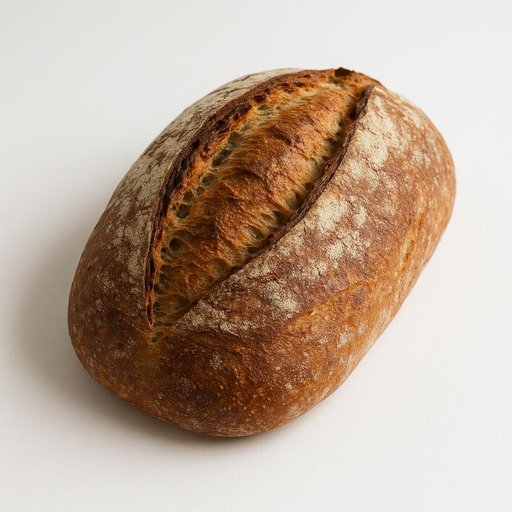
말레이시아 러스틱 브레드 공급업체 및 가격 — 마켓 오버뷰 2026
원재료
소금, 밀가루, 효모
최종 업데이트
2026-10-08
서치 및 소싱 팀을 위한 핵심 요약
- 페이지 데이터 최종 업데이트일: 2026-10-08.
소싱 진단
말레이시아산 러스틱 브레드, 우리도 들여올 수 있을까요?
필요한 스펙과 물량만 알려주세요. 실제로 소싱이 되는지, 어떤 원산지와 공급사가 맞는지 짚어드려요.
무료 진단, 계정 없이 이용 가능합니다.
말레이시아의 러스틱 브레드 수입 바이어 인텔리전스 및 가격 시그널: 바이어, 수요, 거래 파트너
말레이시아의 러스틱 브레드에 대해 수입 파트너 기업 2개가 추적됩니다. 수출업체와 수입업체는 Supply Chain Intelligence 회사 프로필 및 분석을 활용해 바이어 수요, 파트너 밀도, 다운스트림 채널을 분석할 수 있습니다.
스캐터 포인트는 전체 거래 데이터셋의 100.0%에서 샘플링되었습니다. 각 점은 실제 거래입니다. 가입하고 확인해 보세요 — 적정한 거래였는지 AI에게 물어볼 수도 있습니다.
러스틱 브레드의 말레이시아 샘플 수입 거래 및 가격 기록
말레이시아의 러스틱 브레드 샘플 수입 거래 5건은 가격 수준과 수요 측 거래 패턴 벤치마킹을 위한 날짜, 원산지, 무역 국가 맥락을 제공합니다.
말레이시아의 러스틱 브레드 샘플 수입 거래 단가(일자별): 2025-12-30: 2.22 USD / kg, 2025-12-23: 2.32 USD / kg, 2025-12-15: 2.19 USD / kg, 2025-12-14: 2.46 USD / kg, 2025-11-11: 2.39 USD / kg.
| 일자 | 신고 품목 | 단가 | 수출업체 | 수입업체 | 원산지 | |
|---|---|---|---|---|---|---|
| 2025-12-30 | Rus*** ******* ***** *** ******* ******* ******** ******* *** **** * ***** ******* *** | 2.22 USD / kg | (-) | (-) | - | |
| 2025-12-23 | Rus*** ******* ***** *** ******* ******* ******** ******* *** **** * ***** ********* *** | 2.32 USD / kg | (-) | (-) | - | |
| 2025-12-15 | Rus*** ******* ***** *** ******* ******* ******** ******* ***** * *** **** ******* *** | 2.19 USD / kg | (-) | (-) | - | |
| 2025-12-14 | Rus*** ******* ***** *** ******* ******* ******** ******* *** **** * **** *** | 2.46 USD / kg | (-) | (-) | - | |
| 2025-11-11 | Rus*** ******* ***** *** ******* ******* ******** ******* *** **** ******* *** | 2.39 USD / kg | (-) | (-) | - |
이 5건은 샘플입니다 — 트릿지에 가입하고 말레이시아 러스틱 브레드 거래를 확인하세요
필요한 거래의 수출·수입업체와 가격을 확인하고, 적정한 거래였는지 AI에게 묻고, AI Curation으로 만들어 보세요.
말레이시아 내 상위 러스틱 브레드 바이어, 수입업체 및 수요 파트너
선도 바이어 프로필을 검토하고 말레이시아의 러스틱 브레드에 대해 추적되는 전체 수입 파트너 기업 2개와 비교하세요. 수출업체와 수입업체는 Supply Chain Intelligence 회사 프로필 및 분석으로 수요 측 파트너 적합도를 평가할 수 있습니다.
(말레이시아)
최근 수입 거래: 2026-09-08
임직원 규모: 직원 1000명 초과
매출액: 매출 USD 1B 초과
산업군: 음료 제조, 식품 제조, 식품 포장
밸류체인 역할: 유통 / 도매, 식품 제조, 무역
(말레이시아)
최근 수입 거래: 2026-09-08
산업군: 식음료 서비스업
밸류체인 역할: 소매
트릿지 아이에서 전체 그림 보기: 가격·거래 전체 이력 · 725,009+ 기업 프로필
말레이시아 수입 파트너 커버리지
2개 기업
수입 파트너 기업 수는 말레이시아의 러스틱 브레드 수요 측 가시성을 보여줍니다.
공급망 인텔리전스 분석과 기업 프로필을 활용해 말레이시아에서 활동 중인 러스틱 브레드 수입업체, 유통업체, 바이어 네트워크를 식별하세요.
수출 진단
우리 러스틱 브레드, 이 말레이시아 바이어들에게 팔 수 있을까요?
만드시는 제품만 알려주시면 됩니다. 지금 수출할 준비가 됐는지, 어느 시장이 맞는지 봐드려요.
무료 진단, 계정 없이 이용 가능합니다.
가격 데이터
말레이시아 러스틱 브레드 가격, 어디까지 필요하세요?
전체 가격 히스토리와 경쟁사 벤치마크를 열어드립니다. 어떤 숫자가 필요하신지만 말씀해 주시면 함께 살펴봐 드려요.
Classification
Product TypeProcessed Food
Product FormBaked (Ambient)
Industry PositionProcessed Food Product
Market
Rustic bread in Malaysia is a premium bakery segment typically positioned around artisanal-style loaves (e.g., sourdough-style and crusty European-style breads) sold through in-store bakeries, standalone bakeries, and modern retail. Supply for everyday consumption is primarily produced domestically because fresh bread is shelf-life sensitive in Malaysia’s hot and humid climate. The category’s cost base is exposed to imported wheat and other traded inputs, making pricing and availability sensitive to global grain market disruptions. Market access and brand trust are closely linked to compliance with Malaysia’s food laws and, where applicable, halal integrity expectations administered under Malaysia’s halal system.
Market RoleDomestic processed food market with predominantly domestic production; input-import dependent (notably wheat)
Domestic RoleMainly domestically produced bakery staple and premium segment item sold through retail and foodservice channels
Market Growth
SeasonalityYear-round production and availability; demand fluctuations are driven more by retail promotions and consumer habits than agricultural seasonality.
Specification
Physical Attributes
- Crust and crumb structure are key acceptance attributes for rustic-style loaves (e.g., crustiness, open crumb).
- Mold control is a practical quality constraint in Malaysia’s hot/humid ambient distribution environment.
Packaging
- Packaged bread sold in Malaysia must carry compliant labeling (e.g., ingredient list, net quantity, name/address of manufacturer or importer, date marking) in accordance with Malaysia’s food law framework.
- If a halal claim/logo is used, it should follow Malaysia’s halal governance requirements and recognized certification/marking rules.
Supply Chain
Value Chain
- Ingredient procurement (flour, yeast/sourdough culture, salt, fats/oils) → mixing → fermentation/proofing → baking → cooling → packing/labeling → retail/foodservice distribution
Temperature
- Ambient distribution is common for fresh bread; temperature and humidity management reduce condensation and mold risk.
- Frozen or par-baked formats (where used for longer-distance distribution) require cold-chain control.
Atmosphere Control
- Moisture control (packaging barrier performance and ventilation during cooling) helps reduce condensation-driven spoilage in humid conditions.
Shelf Life
- Shelf life is highly sensitive to packaging integrity and handling conditions; hot/humid exposure accelerates mold risk and staling.
Freight IntensityHigh
Transport ModeMultimodal
Risks
Input Supply HighMalaysia’s bakery sector is structurally exposed to imported wheat and other traded inputs; global supply disruptions or sharp grain price moves can rapidly disrupt flour availability and compress bakery margins, impacting continuity and pricing for rustic bread.Diversify flour sourcing strategies with millers/importers, use forward contracts where feasible, qualify alternative formulations (e.g., partial non-wheat grains) without compromising labeling/halal compliance, and maintain contingency inventories for critical inputs.
Halal Integrity HighHalal logo/claim misuse or inadvertent non-halal contamination (including from processing aids or emulsifiers) can trigger enforcement action, delisting, or reputational damage in Malaysia’s halal-sensitive channels.Align claims and certification to JAKIM/recognized halal requirements, validate all ingredients and processing aids, and implement documented segregation and supplier verification for halal-critical materials.
Regulatory Compliance MediumNon-compliant labeling (including language, ingredient declaration, allergen disclosure, date marking, and claims) can cause border or retail acceptance issues, including relabeling, delays, or product withdrawal.Conduct a pre-shipment label and formulation compliance review against Malaysia’s Food Act 1983 and Food Regulations 1985 and maintain a documented regulatory checklist per SKU.
Food Safety MediumBread is vulnerable to mold growth and spoilage under Malaysia’s hot and humid ambient conditions, increasing complaint, return, and recall risk if packaging/handling controls are weak.Validate shelf-life under Malaysian ambient conditions, strengthen moisture/oxygen barrier packaging, control cooling/condensation, and apply HACCP controls focused on post-bake handling and packaging integrity.
Logistics MediumFor any cross-border supply of rustic bread, bulky packaging geometry and short shelf-life (fresh) or cold-chain dependence (frozen/par-baked) make service levels sensitive to freight cost volatility and transit disruption.Prefer in-market baking or par-baked/frozen models with robust cold-chain KPIs; dual-source logistics providers and hold safety stock of packaging and key ingredients.
Sustainability
- Upstream ingredient sustainability screening (e.g., palm-oil-derived bakery fats/shortenings) can be relevant due to deforestation and land-use scrutiny associated with palm oil supply chains.
- Packaging waste and food waste reduction are recurring themes for ambient packaged bakery products.
Labor & Social
- Foreign worker and labor-rights due diligence can be relevant in Malaysian manufacturing supply chains.
- If palm-oil-derived ingredients are used, buyers may screen for forced-labor and labor-rights risks documented in parts of the Malaysian palm oil sector.
Standards
- HACCP
- ISO 22000 / FSSC 22000
- BRCGS Food Safety
- JAKIM Halal Certification (where halal supply is required)
FAQ
Is halal certification required to sell rustic bread in Malaysia?Halal certification is conditional: it is required if the product is marketed with a halal claim/logo and is often requested by halal-sensitive retail and foodservice channels in Malaysia. Halal certification and related guidance are provided through Malaysia’s halal system (Halal Malaysia/JAKIM).
Which regulations should an exporter check for bread labeling and additives in Malaysia?Malaysia’s Food Act 1983 and Food Regulations 1985 are core references for food compliance, including labeling and permitted additive requirements. The Ministry of Health’s Food Safety and Quality Division (FSQD) is a key authority reference point for compliance guidance.
What documents are typically needed to import rustic bread into Malaysia?Typical documentation includes the commercial invoice, packing list, bill of lading or air waybill, and a customs import declaration for Royal Malaysian Customs Department clearance. A certificate of origin is needed if claiming preferential tariff treatment under an FTA, and a halal certificate is needed if making halal claims or supplying halal-requiring channels.
Sources


수출·소싱 진단
말레이시아 러스틱 브레드, 사는 쪽이세요 파는 쪽이세요?
어느 쪽이든 몇 가지만 답해주시면 됩니다. 어디서 살 수 있는지, 누구에게 팔 수 있는지 정리해서 보내드릴게요.
무료 진단, 계정 없이 이용 가능합니다.
'쿠키 허용'을 클릭하면 통계 및 개인 선호도 산출을 위한 쿠키 제공에 동의하게 됩니다.
개인정보 보호정책에서 쿠키에 대한 자세한 내용을 확인할 수 있습니다.