About this market
About
History
Avocados were introduced to Vietnam during the French colonial period (late 19th to early 20th century), initially cultivated in home gardens and small farms. Over time, as demand for nutritious foods increased, avocados became a staple in Vietnamese diets, often used in smoothies, desserts, and salads. In the 2000s, commercial avocado farming expanded significantly in the Central Highlands, where large-scale plantations were established. Recently, Vietnam has invested in Hass avocado production to cater to international markets, although the majority of avocados produced are still consumed domestically.
Production Region
Avocado farming in Vietnam is concentrated in the following regions:
- Dak Lak Province: The largest avocado-growing region, known for high-quality, large avocados and an expanding Hass avocado sector.
- Lam Dong Province: A major agricultural area with high-altitude conditions that support premium avocado production.
- Dak Nong Province: Emerging as a key player in Vietnam’s avocado industry, with increasing investments in export-oriented farms.
- Dong Nai & Ba Ria-Vung Tau Provinces: Located in the southern part of the country, these regions produce early-season avocados for both local and export markets.
Growing Conditions
Vietnam’s climate and soil conditions support high-quality avocado production:
- Climate: Avocados thrive in tropical highland climates with mild temperatures.
- Temperature: Ideal growing temperatures range from 16-28°C, with protection from extreme heat.
- Rainfall: Annual rainfall between 1,200-2,500 mm is common, requiring well-drained soils to prevent root diseases.
- Soil: Fertile volcanic and alluvial soils with a pH of 5.5-6.5 are optimal for avocado farming.
Harvesting Process
Vietnamese avocados are harvested using careful post-harvest handling to maintain quality:
- Maturity Indicators: Harvested when dry matter reaches 23-26% for best taste and texture.
- Hand-Picking: Most avocados are hand-picked to prevent bruising and maintain fruit integrity.
- Sorting & Grading: Fruits are sorted by size, ripeness, and skin appearance before reaching markets.
Cultivation Method
Vietnamese farmers use a combination of traditional and modern farming practices to improve avocado quality:
- Agroforestry systems: Avocados are often grown alongside coffee, pepper, and other crops, maximizing land use.
- Grafting techniques: Many farmers use grafting to enhance disease resistance and improve yield consistency.
- Irrigation systems: While some farms rely on natural rainfall, others use drip irrigation for more consistent production.
- Organic and sustainable farming: Many farmers use natural fertilizers and biological pest control methods to maintain soil health and minimize chemical use.
- Post-harvest improvements: Investments in cold storage and processing facilities help extend shelf life and meet export standards.
Supply Chain
Vietnam’s avocado supply chain is improving with investment in logistics:
- Large Farms & Cooperatives: Organized production is increasing, especially in the Central Highlands.
- Smallholder Farmers: Many avocado farms remain small-scale, selling directly to local markets.
- Export Potential: Avocado exports to China, Thailand, and other Asian markets are growing.
Local Logistics
Vietnam’s logistics for fresh avocados include:
- Cold Chain Development: Limited but improving; more cold storage facilities are needed for export expansion.
- Distribution Networks: Avocados are transported by truck from highland regions to urban centers and ports.
- Export Ports: Ho Chi Minh City and Da Nang are key shipping points for avocado exports.
Regulations and Certifications
Vietnamese avocados must meet local and international quality standards:
- Vietnam Good Agricultural Practices (VietGAP): Required for high-quality commercial production.
- Export Phytosanitary Requirements: Compliance with China, Thailand, and other regional import regulations.
- Organic & GlobalG.A.P. Certifications: Growing interest in premium markets.
Quality Standards
Vietnamese avocados are graded based on:
- Size & Weight: Typically 250g-600g per fruit, depending on variety.
- Skin Quality: Free from major blemishes and defects.
- Dry Matter Content: 23-26% for ideal taste and texture.
- Firmness & Ripeness: Harvested firm for better transportability, with ripening occurring post-harvest.
Trade Terms
Trade terms for Vietnamese avocados align with fresh produce exports:
- MOQ (Minimum Order Quantity): Usually 10-20 metric tons per shipment.
- Incoterms: FOB (Ho Chi Minh City), CIF (China, Thailand, Singapore).
- Payment Methods: Bank transfers, letters of credit, and trade financing.
Environmental and Social Impacts
Vietnam’s avocado industry is addressing sustainability challenges:
- Water Usage: Avocado farming requires significant water resources, managed carefully in highland regions.
- Agroforestry Integration: Avocado trees are often intercropped with coffee and pepper to optimize land use.
- Labor Conditions: Smallholder farmers dominate, requiring better infrastructure support.
- Deforestation Risks: Expansion of avocado farms must be managed to prevent environmental degradation.
Uses
Vietnamese avocados are consumed fresh and processed into various products:
- Fresh Consumption: Eaten raw, in smoothies, or mixed with condensed milk in Vietnamese-style avocado drinks.
- Processed Products: Avocado oil, frozen avocado pulp, and guacamole production are growing sectors.
- Culinary Applications: Used in desserts, salads, and fusion cuisine.
Additional Information
- Vietnam’s avocado production is expanding, with government support for improving export quality.
- China is a key target market, with increasing demand for high-quality Vietnamese avocados.
- The shift toward Hass avocado cultivation is driven by global market preferences.
Harvesting seasonality
Varieties
Hass
Though less common, this dark-skinned, high-oil-content variety is being promoted for export due to its longer shelf life.
Fuerte
A smooth, green-skinned variety with a mild nutty taste, mainly consumed domestically.
Booth 7
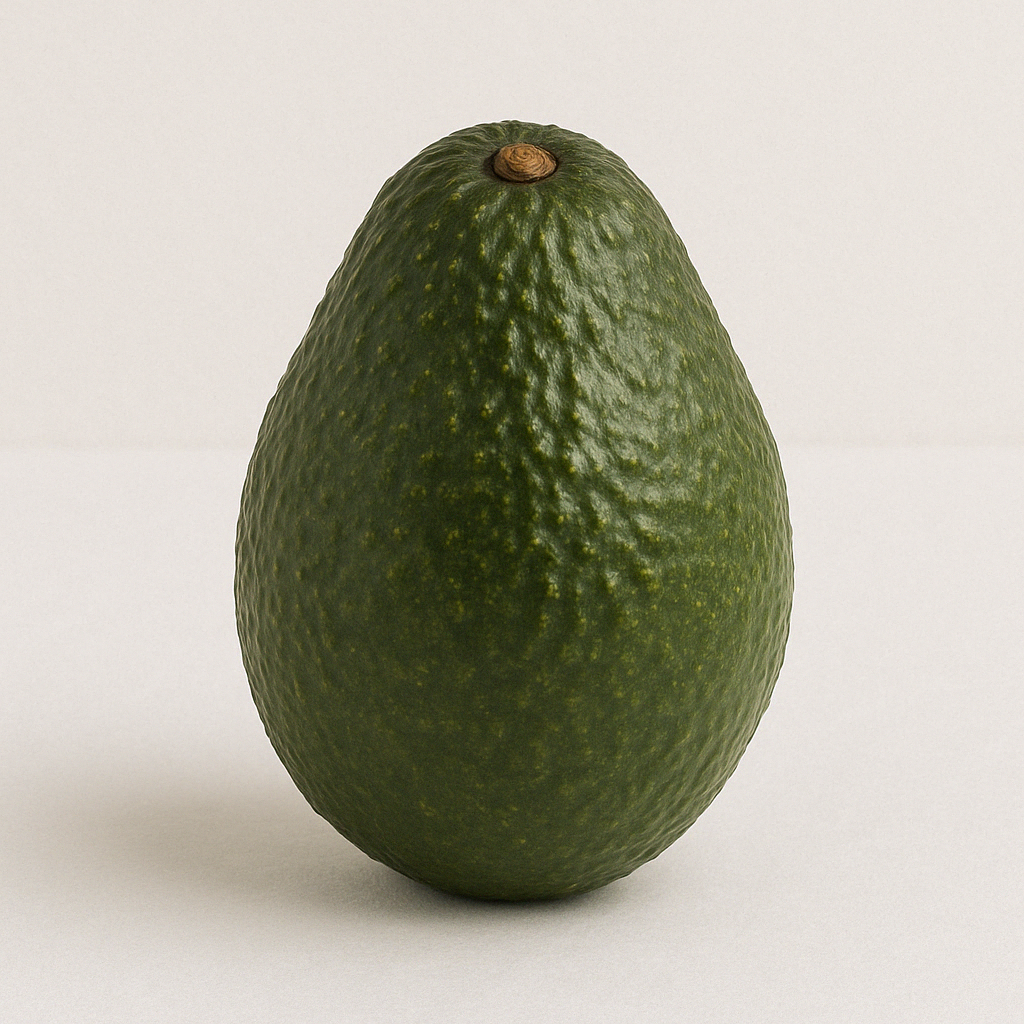
A large, green-skinned variety with a creamy texture and high oil content, commonly grown in the Central Highlands.
Reed
A large, round avocado with buttery flesh, often harvested later in the season.
Production of Fresh Avocado in Vietnam
Production overview
Production trend chart of Vietnam Fresh Avocado
Export of Fresh Avocado from Vietnam
Export overview
Export trend
Export transactions from 2025
Major exporters of Vietnam Fresh Avocado in 2025

Major importers of Vietnam Fresh Avocado in 2025


Historical export price trends
Verified suppliers
/132x132/company-logo/24/67/39/2467395fd0f74240067c0a7bdc4acee7dbb777ae/ebdc768d-4445-4c3d-96fc-9f7d3be92d66.jpeg)