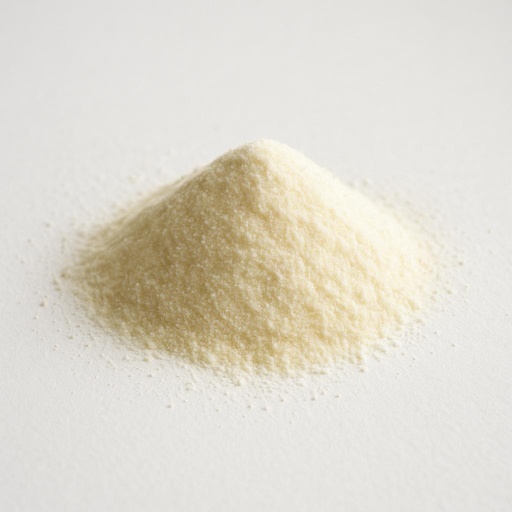
스페인 아스코르브산 공급업체 및 가격 — 마켓 오버뷰 2026
상위 제품
비타민 C
파생 제품
블랙커런트 음료, 자두 주스 음료, 장기 보관 과일 음료, 오렌지 과일 컵, +3
최종 업데이트
2026-09-17
서치 및 소싱 팀을 위한 핵심 요약
- 스페인에 대한 샘플 수출 거래 5건이 요약되어 있습니다.
- 페이지 데이터 최종 업데이트일: 2026-09-17.
스페인 내 아스코르브산 수출 공급업체 인텔리전스, 가격 추이 및 무역 흐름
스페인의 아스코르브산에 대해 수출 파트너 기업 6개가 추적됩니다. Supply Chain Intelligence 회사 프로필 및 분석으로 수출업체 커버리지, 파트너 품질, 경로 우선순위를 검증하세요.
스페인에서의 아스코르브산 수출 인텔리전스를 확인하세요. 샘플 공급업체 거래 5건, 월간 단가 범위, HS 코드 -의 파트너 국가 무역 흐름 패턴을 포함합니다.
스캐터 포인트는 전체 거래 데이터셋의 100.0%에서 샘플링되었습니다.
아스코르브산의 스페인 샘플 수출 공급업체 거래 기록
스페인의 아스코르브산 샘플 거래 5건에는 수출 가격과 공급업체 거래 패턴 벤치마킹을 위한 날짜, 원산지, 파트너 국가 맥락이 포함됩니다.
스페인의 아스코르브산 샘플 거래 단가(일자별): 2026-09-07: 20.78 USD / kg, 2026-09-07: 20.78 USD / kg, 2026-02-03: 21.40 USD / kg, 2026-01-29: 109.20 USD / kg, 2026-01-06: 4.89 USD / kg.
| 일자 | 신고 품목 | 단가 | 수출업체 | 수입업체 | |
|---|---|---|---|---|---|
| 2026-09-07 | [비타* ** **** **** *************** ***** **** | 20.78 USD / kg | (스페인) | (대한민국) | |
| 2026-09-07 | [비타* ** **** **** *************** ***** **** | 20.78 USD / kg | (스페인) | (대한민국) | |
| 2026-02-03 | [비타* ** **** **** *************** ***** **** | 21.40 USD / kg | (스페인) | (대한민국) | |
| 2026-01-29 | L(+********** **** *** ******** | 109.20 USD / kg | (스페인) | (필리핀) | |
| 2026-01-06 | Foo* ********** ******* * **** ****** ****** ********* ******** ****************** ************ ******** ***** **** ** **** ****************** ******* **************** **** ***** ****** ********** | 4.89 USD / kg | (스페인) | (베트남) |
스페인 내 상위 아스코르브산 수출 공급업체 및 기업
선도 수출업체 프로필을 검토하고 스페인의 아스코르브산에 대해 추적되는 전체 수출 파트너 기업 6개와 비교하세요. Supply Chain Intelligence 회사 프로필 및 분석으로 소싱 및 수출 파트너를 더 빠르게 선별할 수 있습니다.
(스페인)
최근 수출 거래: 2026-08-17
임직원 규모: 직원 101 - 500명
매출액: 매출 USD 50M - 100M
산업군: 기타
밸류체인 역할: 유통 / 도매무역
(스페인)
최근 수출 거래: 2026-08-17
임직원 규모: 직원 11 - 50명
매출액: 매출 USD 10M - 50M
산업군: 기타
밸류체인 역할: 유통 / 도매무역
(스페인)
최근 수출 거래: 2026-08-17
산업군: 식품 제조
밸류체인 역할: 식품 제조
(스페인)
최근 수출 거래: 2026-08-17
산업군: 식품 제조
밸류체인 역할: 식품 제조무역
(스페인)
최근 수출 거래: 2026-08-17
산업군: 음료 제조식품 제조기타
밸류체인 역할: 유통 / 도매농업 / 생산 / 가공 / 포장식품 제조기타
(스페인)
최근 수출 거래: 2026-08-17
임직원 규모: 직원 1000명 초과
매출액: 매출 USD 50M - 100M
산업군: 축산식품 제조식음료 서비스업
밸류체인 역할: 농업 / 생산 / 가공 / 포장식품 제조
스페인 수출 파트너 커버리지
6개 기업
총 수출 파트너 기업 수는 스페인의 아스코르브산 수출 네트워크 깊이를 보여주는 핵심 신호입니다.
수출업체와 수입업체는 공급망 인텔리전스 기업 프로필 및 분석을 열어 스페인 내 아스코르브산 파트너 집중도, 공급 역량 시그널, 무역 관련성을 평가할 수 있습니다.
소싱 진단
스페인산 아스코르브산, 우리도 들여올 수 있을까요?
필요한 스펙과 물량만 알려주세요. 실제로 소싱이 되는지, 어떤 원산지와 공급사가 맞는지 짚어드려요.
무료 진단, 계정 없이 이용 가능합니다.
수출 진단
우리 아스코르브산, 이 스페인 바이어들에게 팔 수 있을까요?
만드시는 제품만 알려주시면 됩니다. 지금 수출할 준비가 됐는지, 어느 시장이 맞는지 봐드려요.
무료 진단, 계정 없이 이용 가능합니다.
가격 데이터
스페인 아스코르브산 가격, 어디까지 필요하세요?
전체 가격 히스토리와 경쟁사 벤치마크를 열어드립니다. 어떤 숫자가 필요하신지만 말씀해 주시면 함께 살펴봐 드려요.
Classification
Product TypeIngredient
Product FormPowder
Industry PositionFood and Supplement Ingredient
Market
Ascorbic acid (vitamin C) in Spain is primarily a downstream ingredient market, with demand driven by food supplement formulation and broader food manufacturing use as an antioxidant. As an EU Member State, Spain operates under EU-wide rules for permitted vitamins and sources in supplements, and for authorised food additives where ascorbic acid is listed as E 300. National rules and guidance for food supplements are maintained by Spain’s food safety authority and published in the official state bulletin. The practical market focus is compliance, documentation, and formulation quality rather than domestic primary production of the ingredient.
Market RoleNet importer and downstream formulator market
Domestic RoleUsed as vitamin ingredient in food supplements and as authorised food additive (E 300) in food manufacturing
Specification
Physical Attributes
- Authorised as the food additive E 300 (ascorbic acid) under EU food additives legislation.
Compositional Metrics
- Buyer specifications commonly rely on defined purity criteria and verified analytical documentation (e.g., certificate of analysis) aligned to applicable EU rules for the intended use (food supplement ingredient vs. food additive vs. other).
Supply Chain
Value Chain
- Non-EU/EU vitamin producer → EU importer/distributor → Spanish supplement/food manufacturer → finished goods placed on the Spanish/EU market
Freight IntensityLow
Transport ModeMultimodal
Risks
Regulatory Compliance HighIf ascorbic acid is supplied or used in a form not permitted for food supplements, or if finished products use non-compliant nutrition/health claims, Spanish/EU authorities can require corrective actions up to market withdrawal, making commercialisation in Spain infeasible.Confirm the exact vitamin C form/source intended for supplement use against the EU/Spain permitted lists; design labels and any claims to comply with Regulation (EC) No 1924/2006 before placing products on the market, and keep a compliance dossier.
Regulatory Compliance MediumOperator obligations under EU chemicals legislation (e.g., REACH-related duties for importers/market operators) can disrupt supply if the responsible EU entity does not have the required compliance position for placing the substance on the market for the intended use.Assign clear EU economic-operator responsibility (manufacturer/importer/only representative/downstream user as applicable) and confirm REACH-related obligations early using ECHA guidance.
Documentation Gap MediumMissing or inconsistent quality/regulatory documentation (e.g., CoA not aligned to intended use, incomplete product specifications) can delay importer approval, audits, and downstream acceptance by Spanish supplement and food manufacturers.Use an importer-approved documentation checklist (specification, CoA, traceability/lot records, and intended-use statement) and run pre-shipment document consistency checks.
FAQ
Which rules govern food supplements (including vitamin C supplements) in Spain?Spain regulates food supplements through its national framework (Real Decreto 1487/2009) aligned with the EU food supplements framework (Directive 2002/46/EC). AESAN publishes the key legislation references and guidance for the Spanish market.
Is ascorbic acid allowed as a food additive in Spain and the EU?Yes. Ascorbic acid is listed as the authorised food additive E 300 in the EU Union list under Regulation (EC) No 1333/2008, which applies in Spain as an EU Member State.
Can Spanish supplement labels make health claims about vitamin C freely?No. Nutrition and health claims used on foods (including supplements) must follow EU rules under Regulation (EC) No 1924/2006; claims must be clear, accurate, and based on scientific evidence and the EU authorisation framework.
Sources


수출·소싱 진단
스페인 아스코르브산, 사는 쪽이세요 파는 쪽이세요?
어느 쪽이든 몇 가지만 답해주시면 됩니다. 어디서 살 수 있는지, 누구에게 팔 수 있는지 정리해서 보내드릴게요.
무료 진단, 계정 없이 이용 가능합니다.
'쿠키 허용'을 클릭하면 통계 및 개인 선호도 산출을 위한 쿠키 제공에 동의하게 됩니다.
개인정보 보호정책에서 쿠키에 대한 자세한 내용을 확인할 수 있습니다.