우크라이나 아스코르브산 공급업체 및 가격 — 마켓 오버뷰 2026
상위 제품
비타민 C
파생 제품
블랙커런트 음료, 자두 주스 음료, 장기 보관 과일 음료, 오렌지 과일 컵, +3
최종 업데이트
2026-09-17
서치 및 소싱 팀을 위한 핵심 요약
- 페이지 데이터 최종 업데이트일: 2026-09-17.
소싱 진단
우크라이나산 아스코르브산, 우리도 들여올 수 있을까요?
필요한 스펙과 물량만 알려주세요. 실제로 소싱이 되는지, 어떤 원산지와 공급사가 맞는지 짚어드려요.
무료 진단, 계정 없이 이용 가능합니다.
우크라이나의 아스코르브산 수입 바이어 인텔리전스 및 가격 시그널: 바이어, 수요, 거래 파트너
우크라이나의 아스코르브산에 대해 수입 파트너 기업 7개가 추적됩니다. 수출업체와 수입업체는 Supply Chain Intelligence 회사 프로필 및 분석을 활용해 바이어 수요, 파트너 밀도, 다운스트림 채널을 분석할 수 있습니다.
스캐터 포인트는 전체 거래 데이터셋의 45.5%에서 샘플링되었습니다.
아스코르브산의 우크라이나 샘플 수입 거래 및 가격 기록
우크라이나의 아스코르브산 샘플 수입 거래 5건은 가격 수준과 수요 측 거래 패턴 벤치마킹을 위한 날짜, 원산지, 무역 국가 맥락을 제공합니다.
우크라이나의 아스코르브산 샘플 수입 거래 단가(일자별): 2025-11-26: 3.61 USD / kg, 2025-11-24: 162.85 USD / kg, 2025-11-13: 18.50 USD / kg, 2025-11-12: 418.15 USD / kg, 2025-11-07: 18.50 USD / kg.
| 일자 | 신고 품목 | 단가 | 수출업체 | 수입업체 | 원산지 | |
|---|---|---|---|---|---|---|
| 2025-11-26 | ПРО******** ** ********* ******** *** ******** * ********** ******* ********** ******** ************* ** ******** ** **************** ********* ** ********* ****** *** ******** * **** ***** ********* *** ** ********* * ********** *********** * ******** ** ** ******** ********** * * ******* * ** **** ******* | 3.61 USD / kg | (-) | (-) | - | |
| 2025-11-24 | ПРО******** ** ********* ******** *** ******** * ********** ******* ********** ******** ************* ** ******** ** **************** ********* ** ********* ****** *** ******** * **** ***** ********* *** ** ********* * ********** *********** * ******** ** ** ******** ********** * * ******* * ** **** ******* | 162.85 USD / kg | (-) | (-) | - | |
| 2025-11-13 | ПРО******** ** ********* ******** *** ******** * ********** ******* ********** ******** ************* ** ******** ** **************** ********* ** ********* ****** *** ******** * **** ***** ********* *** ** ********* * ********** *********** * ******** ** ** ******** ********** * * ******* * ** **** ******* | 18.50 USD / kg | (-) | (-) | - | |
| 2025-11-12 | ПРО******** ** ********* ******** *** ******** * ********** ******* ********** ******** ************* ** ******** ** **************** ********* ** ********* ****** *** ******** * **** ***** ********* *** ** ********* * ********** *********** * ******** ** ** ******** ********** * * ******* * ** **** ******* | 418.15 USD / kg | (-) | (-) | - | |
| 2025-11-07 | ПРО******** ** ********* ******** *** ******** * ********** ******* ********** ******** ************* ** ******** ** **************** ********* ** ********* ****** *** ******** * **** ***** ********* *** ** ********* * ********** *********** * ******** ** ** ******** ********** * * ******* * ** **** ******* | 18.50 USD / kg | (-) | (-) | - |
우크라이나 내 상위 아스코르브산 바이어, 수입업체 및 수요 파트너
선도 바이어 프로필을 검토하고 우크라이나의 아스코르브산에 대해 추적되는 전체 수입 파트너 기업 7개와 비교하세요. 수출업체와 수입업체는 Supply Chain Intelligence 회사 프로필 및 분석으로 수요 측 파트너 적합도를 평가할 수 있습니다.
(우크라이나)
최근 수입 거래: 2026-08-17
최근 수입 파트너 기업: 1
임직원 규모: 직원 11 - 50명
매출액: 매출 USD 10M - 50M
산업군: 기타
밸류체인 역할: 무역
(우크라이나)
최근 수입 거래: 2026-08-17
임직원 규모: 직원 1000명 초과
매출액: 매출 USD 50M - 100M
산업군: 식품 제조기타
밸류체인 역할: 식품 제조무역
(우크라이나)
최근 수입 거래: 2026-08-17
최근 수입 파트너 기업: 2
산업군: 기타
밸류체인 역할: 유통 / 도매무역
(우크라이나)
최근 수입 거래: 2026-08-17
산업군: 식품 제조
밸류체인 역할: 식품 제조
(우크라이나)
최근 수입 거래: 2026-08-17
산업군: 음료 제조식품 제조식품 도매
밸류체인 역할: 유통 / 도매식품 제조무역
(우크라이나)
최근 수입 거래: 2026-08-17
임직원 규모: 직원 11 - 50명
산업군: 식품 제조식품 포장기타
밸류체인 역할: 유통 / 도매농업 / 생산 / 가공 / 포장식품 제조
우크라이나 수입 파트너 커버리지
7개 기업
수입 파트너 기업 수는 우크라이나의 아스코르브산 수요 측 가시성을 보여줍니다.
공급망 인텔리전스 분석과 기업 프로필을 활용해 우크라이나에서 활동 중인 아스코르브산 수입업체, 유통업체, 바이어 네트워크를 식별하세요.
수출 진단
우리 아스코르브산, 이 우크라이나 바이어들에게 팔 수 있을까요?
만드시는 제품만 알려주시면 됩니다. 지금 수출할 준비가 됐는지, 어느 시장이 맞는지 봐드려요.
무료 진단, 계정 없이 이용 가능합니다.
가격 데이터
우크라이나 아스코르브산 가격, 어디까지 필요하세요?
전체 가격 히스토리와 경쟁사 벤치마크를 열어드립니다. 어떤 숫자가 필요하신지만 말씀해 주시면 함께 살펴봐 드려요.
Classification
Product TypeIngredient
Product FormPowder
Industry PositionNutraceutical, Pharmaceutical, and Food Ingredient (Vitamin C / Antioxidant)
Market
Ascorbic acid (vitamin C) in Ukraine is primarily an imported ingredient used by domestic dietary supplement and pharmaceutical manufacturers, as well as selected food and beverage formulators. The market is shaped by downstream formulation and packaging capacity rather than upstream vitamin C production, with procurement typically routed through importers and chemical/pharma distributors. Ongoing security and infrastructure disruptions create heightened supply continuity and lead-time risk, making inventory planning and supplier qualification more critical than in stable markets. Quality alignment to pharmacopoeial or food-additive specifications (e.g., USP/EP/FCC/JECFA) and batch documentation are central to buyer acceptance.
Market RoleNet importer (import-dependent ingredient market for domestic supplements and pharmaceuticals)
Domestic RoleDownstream formulation ingredient for dietary supplements, OTC products, and some food/beverage applications
Market Growth
Specification
Physical Attributes
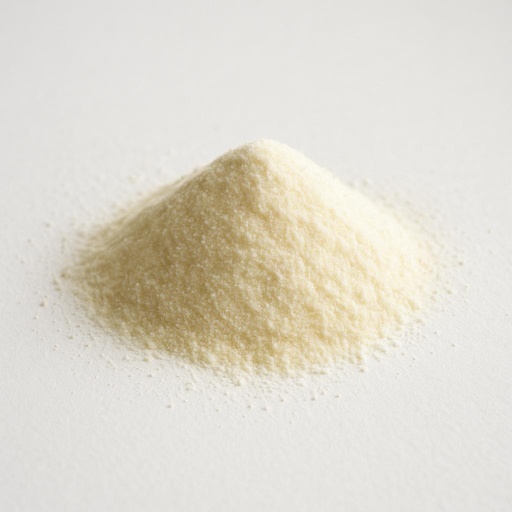
- White to slightly yellow crystalline powder
- Moisture and oxygen sensitivity (oxidation risk) influences storage and handling requirements
- High water solubility supporting use in beverage premixes and supplement formulations
Compositional Metrics
- Assay/purity and identity testing to USP/EP/FCC or FAO/WHO JECFA specifications
- Impurity limits (e.g., heavy metals and related substances) aligned to the target standard for the intended use (food vs. pharma)
- Moisture (loss on drying) control to reduce degradation risk during storage
Grades
- Pharmacopoeial grade (USP/EP compliant) for pharmaceutical and higher-control supplement applications
- Food grade (FCC/JECFA compliant; E300 use case) for food and beverage applications
Packaging
- Moisture-barrier, sealed packaging (lined bags or drums) with clear lot/batch identification
- Importer-required labeling and documentation packages (CoA and traceability identifiers) aligned to buyer QA protocols
Supply Chain
Value Chain
- Foreign producer → international freight → Ukrainian importer/customs broker → QA document review and (where required) control procedures → B2B distributor → supplement/pharma/food manufacturer → retail/pharmacy distribution for finished products
Temperature
- Ambient transport and storage are typical; protect from heat and humidity to limit oxidation and potency loss
Atmosphere Control
- Minimize oxygen exposure after opening; reseal promptly to reduce oxidative degradation risk
Shelf Life
- Shelf-life performance is strongly dependent on moisture/oxygen control, warehouse conditions, and packaging integrity rather than cold chain
Freight IntensityLow
Transport ModeMultimodal
Risks
Geopolitical And Security HighOngoing armed conflict and related infrastructure/energy disruptions in Ukraine can abruptly interrupt import logistics, warehousing operations, and downstream manufacturing continuity for ascorbic acid-containing supplements and pharmaceuticals.Qualify multiple suppliers and routes (multimodal alternatives), maintain safety stock for critical SKUs, and implement contingency planning for power and transport interruptions.
Logistics HighBorder corridor constraints, inspections, and transport volatility can cause unpredictable lead times for imported ascorbic acid, increasing stockout risk even when global supply is available.Use conservative lead-time assumptions, pre-book transport capacity where possible, and align reorder points to worst-case corridor delays.
Food Safety MediumCounterfeit, mislabeled grade (industrial vs. food/pharma), or out-of-spec batches pose quality and compliance risks in supplement and OTC applications, especially under supply stress.Require pharmacopoeial/food-additive specification CoAs, perform incoming identity/assay testing with qualified labs, and purchase only from audited/qualified suppliers.
Regulatory Compliance MediumDietary supplement and OTC product labeling/claims compliance and documentation gaps can trigger market actions, customer complaints, or enforcement scrutiny; ingredient documentation must support the finished-product compliance file.Maintain a documented specification and change-control process, verify claim substantiation boundaries, and ensure traceable batch records for all ingredient lots used.
Labor & Social
- Security and worker-safety risks linked to active conflict conditions can disrupt domestic manufacturing schedules, warehousing, and distribution operations
- Enhanced sanctions and restricted-party screening expectations in cross-border trade increase compliance workload for importers and buyers
Standards
- GMP (as applicable to pharmaceuticals and supplement manufacturing)
- ISO 22000 / FSSC 22000 (food safety management for food-grade ingredient supply chains)
- HACCP-based controls in downstream food manufacturing
FAQ
Is Ukraine primarily an importer or a producer of ascorbic acid?Ukraine is best characterized as a net importer for ascorbic acid, using it mainly as an input for domestic dietary supplement, pharmaceutical, and some food/beverage manufacturing rather than producing large volumes domestically.
What documentation is typically expected when importing ascorbic acid for supplement or pharma use in Ukraine?Buyers and import workflows commonly rely on standard trade documents plus a batch-linked Certificate of Analysis (CoA) and an SDS/MSDS; a certificate of origin is also often requested for customs or buyer requirements. The CoA is typically expected to reference the intended standard (such as USP/EP for pharma-grade or FCC/JECFA for food-grade use).
Which specifications are most commonly used to define ascorbic acid quality for Ukraine’s industrial buyers?Industrial buyers typically align requirements to the end use: pharmacopoeial standards such as USP or the European Pharmacopoeia for pharmaceutical and higher-control supplement applications, and food-grade references such as FCC and FAO/WHO JECFA specifications for food and beverage applications.
Sources


수출·소싱 진단
우크라이나 아스코르브산, 사는 쪽이세요 파는 쪽이세요?
어느 쪽이든 몇 가지만 답해주시면 됩니다. 어디서 살 수 있는지, 누구에게 팔 수 있는지 정리해서 보내드릴게요.
무료 진단, 계정 없이 이용 가능합니다.
'쿠키 허용'을 클릭하면 통계 및 개인 선호도 산출을 위한 쿠키 제공에 동의하게 됩니다.
개인정보 보호정책에서 쿠키에 대한 자세한 내용을 확인할 수 있습니다.