상위 제품
비타민 C
파생 제품
오렌지 과일 컵, 오렌지 주스 음료, 자두 주스 음료, 과일 펀치 음료, +3
최종 업데이트
2026-08-02
서치 및 소싱 팀을 위한 핵심 요약
- 대만의 아스코르브산 마켓 인텔리전스 페이지에는 프리미엄 공급업체 0개가 포함되어 있습니다.
- 대만에 대한 샘플 수출 거래 0건이 요약되어 있습니다.
- 대만의 아스코르브산에 대해 수출 파트너 기업 0개와 수입 파트너 기업 7개가 매핑되어 있습니다.
- 도매 샘플 항목: 0건; 산지가 샘플 항목: 0건.
- 수출 파트너 국가 0개와 수입 파트너 국가 0개가 랭킹되어 있습니다.
- 페이지 데이터 최종 업데이트일: 2026-08-02.
대만의 아스코르브산 수입 바이어 인텔리전스 및 가격 시그널: 바이어, 수요, 거래 파트너
대만의 아스코르브산에 대해 수입 파트너 기업 7개가 추적됩니다. 수출업체와 수입업체는 Supply Chain Intelligence 회사 프로필 및 분석을 활용해 바이어 수요, 파트너 밀도, 다운스트림 채널을 분석할 수 있습니다.
스캐터 포인트는 전체 거래 데이터셋의 100.0%에서 샘플링되었습니다.
아스코르브산의 대만 샘플 수입 거래 및 가격 기록
대만의 아스코르브산 샘플 수입 거래 2건은 가격 수준과 수요 측 거래 패턴 벤치마킹을 위한 날짜, 원산지, 무역 국가 맥락을 제공합니다.
대만의 아스코르브산 샘플 수입 거래 단가(일자별): 2025-08-14: 3.80 USD / kg, 2025-08-14: 3.80 USD / kg.
| 일자 | 신고 품목 | 단가 | 수출업체 | 수입업체 | 원산지 | |
|---|---|---|---|---|---|---|
| 2025-08-14 | RAW ********* *** ****** ********** **** ********** *********** *** **************** ******** **** ******** *** ***** *** *********** ****** ***** ********************** ************* ******* ********* ************** *************** **** ***** | 3.80 USD / kg | (-) | (-) | - | |
| 2025-08-14 | RAW ********* *** ****** ********** **** ********** *********** *** **************** ******** **** ******** *** ***** *** *********** ****** ***** ********************** ************* ******* ********* ************** *************** **** ***** | 3.80 USD / kg | (-) | (-) | - |
대만 내 상위 아스코르브산 바이어, 수입업체 및 수요 파트너
선도 바이어 프로필을 검토하고 대만의 아스코르브산에 대해 추적되는 전체 수입 파트너 기업 7개와 비교하세요. 수출업체와 수입업체는 Supply Chain Intelligence 회사 프로필 및 분석으로 수요 측 파트너 적합도를 평가할 수 있습니다.
(대만)
최근 수입 거래: 2026-07-02
산업군: 식품 도매
밸류체인 역할: 유통 / 도매무역
(대만)
최근 수입 거래: 2026-07-02
산업군: 식품 제조
밸류체인 역할: 식품 제조
(대만)
최근 수입 거래: 2026-07-02
임직원 규모: 직원 11 - 50명
매출액: 매출 USD 1M - 5M
산업군: 기타
밸류체인 역할: 무역
(대만)
최근 수입 거래: 2026-07-02
산업군: 기타
밸류체인 역할: 물류무역
(대만)
최근 수입 거래: 2025-08-14
산업군: 축산작물 생산식품 제조기타
밸류체인 역할: 유통 / 도매농업 / 생산 / 가공 / 포장식품 제조무역
(대만)
최근 수입 거래: 2026-07-02
임직원 규모: 직원 1000명 초과
매출액: 매출 USD 500M - 1B
산업군: 음료 제조식품 제조기타
밸류체인 역할: 식품 제조물류무역
대만 수입 파트너 커버리지
7개 기업
수입 파트너 기업 수는 대만의 아스코르브산 수요 측 가시성을 보여줍니다.
공급망 인텔리전스 분석과 기업 프로필을 활용해 대만에서 활동 중인 아스코르브산 수입업체, 유통업체, 바이어 네트워크를 식별하세요.
Classification
Product TypeIngredient
Product FormCrystalline powder
Industry PositionNutraceutical and food additive ingredient
Market
Ascorbic acid (vitamin C) in Taiwan is primarily an imported ingredient used in dietary supplements (health foods) and in food processing as an antioxidant. Market access is shaped by Taiwan’s health food permitting/registration framework for products marketed with health care effects and by TFDA oversight of imported foods and food additives. Buyers typically source bulk vitamin C for downstream formulation, repacking, or contract manufacturing, with compliance demonstrated through specifications and batch documentation. Trade data sources report imports of HS 293627 (vitamin C and its derivatives, unmixed) into Taiwan’s reporting category used in some international datasets.
Market RoleImport-dependent consumer and formulator market (net importer)
Domestic RoleDownstream formulation and consumption market for vitamin C supplements (health foods) and food additive use (antioxidant).
Specification
Physical Attributes
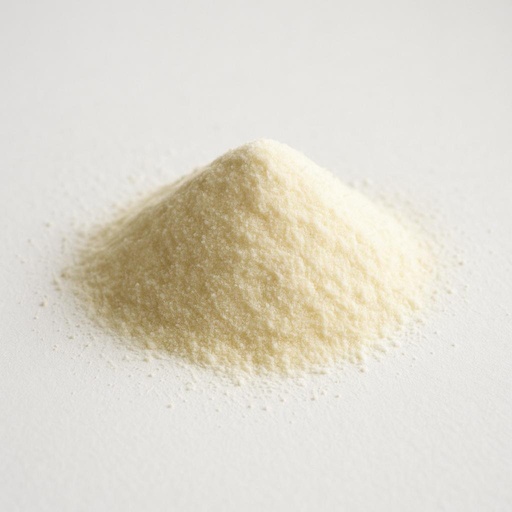
- White to slightly yellow crystalline powder; sensitive to oxidation accelerated by heat, moisture, and light (handled as an antioxidant ingredient).
Compositional Metrics
- Identity and purity are typically demonstrated via assay/purity and impurity limits aligned to recognized specifications (e.g., JECFA/Codex additive specifications for food additive use).
- Batch documentation commonly includes a Certificate of Analysis (COA) consistent with the intended use category (food additive vs. health food ingredient).
Grades
- Food additive grade aligned to TFDA food additive standards and/or international specifications (e.g., JECFA) depending on use.
- Health food/supplement ingredient grade aligned to product registration dossier and label/claim category when marketed as a health food.
Packaging
- Moisture- and light-protective packaging with sealed liners to reduce oxidation risk during storage and distribution.
Supply Chain
Value Chain
- Overseas producer → importer/distributor → TFDA import inspection process (as applicable) → bonded/warehouse storage → repacking/blending (where applicable) → supplement/food manufacturer → retail/food manufacturing use
Temperature
- Store in a cool, dry place; protect from heat and humidity to limit degradation.
Atmosphere Control
- Keep containers tightly sealed; minimize exposure to air and light due to oxidation sensitivity.
Shelf Life
- Shelf life is highly dependent on moisture control and packaging integrity; oxidation control is a key handling priority.
Freight IntensityLow
Transport ModeSea
Risks
Regulatory Compliance HighIf vitamin C products are positioned in Taiwan as health foods (labeled/advertised with health care effects) or imported as finished supplement forms, they can require inspection/registration and a permit; non-compliance can block importation and legal sale.Confirm whether the product is an ingredient, a conventional food, a regulated food additive use, or a health food; align the dossier, labels, and claims to the applicable TFDA/MOHW legal pathway before shipment.
Import Clearance MediumShipments categorized under TFDA inspection scope for imported foods/food additives can be delayed or detained if inspection application details, commodity coding, or documentation are incomplete or inconsistent.Prepare a pre-shipment documentation checklist (HS code, product spec, COA, labels where applicable) and align declared product information to the TFDA inspection application requirements.
Food Safety MediumQuality failures (e.g., purity/specification non-conformance for food additive use) can trigger rejection, recalls, or downstream brand damage in Taiwan’s supplement and fortified-food channels.Contract to recognized specifications appropriate to intended use (e.g., food-additive specifications) and require lot-level COA plus periodic third-party verification testing.
Logistics LowEven though vitamin C is not cold-chain dependent, external shipping disruptions can increase lead times and force costly expedited replenishment for Taiwan buyers reliant on imports.Hold safety stock for key SKUs/grades and qualify at least two origins/suppliers to reduce single-route dependence.
FAQ
What HS code is typically used for vitamin C (ascorbic acid) in trade statistics?International HS classifications list vitamin C and its derivatives, unmixed under HS 293627 (within heading 2936 for vitamins).
Which Taiwan rules are most likely to affect importing vitamin C for supplements?If the product is marketed as a health food (labeled or advertised with health care effects), Taiwan’s Health Food Governing Act requires inspection/registration and a permit for manufacturing or importation, and it restricts labeling and advertising to the approved scope.
Which Taiwan rules are most relevant when vitamin C is used as a food additive antioxidant?Taiwan’s TFDA publishes standards covering the scope, application, limitations, and specifications for food additives, and JECFA references ascorbic acid as an antioxidant food additive (INS 300) with established specifications of identity and purity.
Sources
대만 대비 공급업체, 수출 및 가격 비교를 위한 아스코르브산의 다른 국가 마켓
대만와 연관된 국가들에서 아스코르브산 공급업체 커버리지, 무역 흐름, 가격 벤치마크를 비교해 보세요.


연관 국가 마켓 페이지 전체: 아랍에미리트, 아르헨티나, 오스트리아, 호주, 방글라데시, 벨기에, 불가리아, 바레인, 볼리비아, 브라질, 부탄, 캐나다, 스위스, 칠레, 중국, 콜롬비아, 코스타리카, 독일, 에콰도르, 이집트, 스페인, 프랑스, 영국, 가나, 과테말라, 홍콩, 온두라스, 헝가리, 인도네시아, 인도, 이탈리아, 요르단, 일본, 캄보디아, 대한민국, 카자흐스탄, 라오스, 레바논, 스리랑카, 레소토, 리투아니아, 룩셈부르크, 말라위, 멕시코, 말레이시아, 모잠비크, 니카라과, 네덜란드, 노르웨이, 네팔, 뉴질랜드, 파나마, 페루, 필리핀, 파키스탄, 폴란드, 파라과이, 러시아, 사우디아라비아, 싱가포르, 슬로베니아, 엘살바도르, 태국, 타지키스탄, 터키, 탄자니아, 우크라이나, 우간다, 미국, 우루과이, 우즈베키스탄, 베트남, 남아프리카
'쿠키 허용'을 클릭하면 통계 및 개인 선호도 산출을 위한 쿠키 제공에 동의하게 됩니다.
개인정보 보호정책에서 쿠키에 대한 자세한 내용을 확인할 수 있습니다.