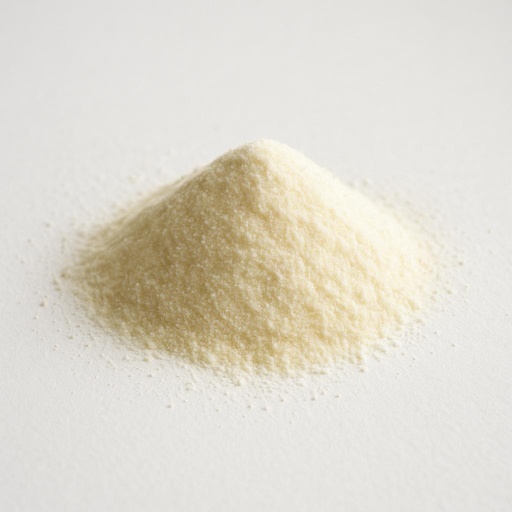
프랑스 아스코르브산 공급업체 및 가격 — 마켓 오버뷰 2026
상위 제품
비타민 C
파생 제품
블랙커런트 음료, 자두 주스 음료, 장기 보관 과일 음료, 오렌지 과일 컵, +3
최종 업데이트
2026-09-17
서치 및 소싱 팀을 위한 핵심 요약
- 프랑스에 대한 샘플 수출 거래 5건이 요약되어 있습니다.
- 페이지 데이터 최종 업데이트일: 2026-09-17.
프랑스 내 아스코르브산 수출 공급업체 인텔리전스, 가격 추이 및 무역 흐름
프랑스의 아스코르브산에 대해 수출 파트너 기업 2개가 추적됩니다. Supply Chain Intelligence 회사 프로필 및 분석으로 수출업체 커버리지, 파트너 품질, 경로 우선순위를 검증하세요.
프랑스에서의 아스코르브산 수출 인텔리전스를 확인하세요. 샘플 공급업체 거래 5건, 월간 단가 범위, HS 코드 -의 파트너 국가 무역 흐름 패턴을 포함합니다.
스캐터 포인트는 전체 거래 데이터셋의 100.0%에서 샘플링되었습니다.
아스코르브산의 프랑스 샘플 수출 공급업체 거래 기록
프랑스의 아스코르브산 샘플 거래 5건에는 수출 가격과 공급업체 거래 패턴 벤치마킹을 위한 날짜, 원산지, 파트너 국가 맥락이 포함됩니다.
프랑스의 아스코르브산 샘플 거래 단가(일자별): 2026-04-01: 4.86 USD / kg, 2026-02-03: 9.25 USD / kg, 2026-01-21: 9.15 USD / kg, 2026-01-21: 9.15 USD / kg, 2026-01-01: 4.86 USD / kg.
| 일자 | 신고 품목 | 단가 | 수출업체 | 수입업체 | |
|---|---|---|---|---|---|
| 2026-04-01 | MIC***** * ******* ********* ******** ***************** **************** **** ****************** *** ************** *** | 4.86 USD / kg | (프랑스) | (인도) | |
| 2026-02-03 | ROV**** ****** *** ** ** *** *** ****** ** ******** * **** ** *********** ** *** | 9.25 USD / kg | (프랑스) | (코스타리카) | |
| 2026-01-21 | ROV**** ****** *** ** ** *** *** ****** ** ******** * **** ** *********** ** *** | 9.15 USD / kg | (프랑스) | (코스타리카) | |
| 2026-01-21 | ROV**** ****** *** ** ** *** *** ****** ** ******** * **** ** *********** ** *** | 9.15 USD / kg | (프랑스) | (코스타리카) | |
| 2026-01-01 | MIC***** * ******* ********* ******** ***************** **************** **** ****************** *** ************** *** | 4.86 USD / kg | (프랑스) | (인도) |
프랑스 내 상위 아스코르브산 수출 공급업체 및 기업
선도 수출업체 프로필을 검토하고 프랑스의 아스코르브산에 대해 추적되는 전체 수출 파트너 기업 2개와 비교하세요. Supply Chain Intelligence 회사 프로필 및 분석으로 소싱 및 수출 파트너를 더 빠르게 선별할 수 있습니다.
(프랑스)
최근 수출 거래: 2026-08-17
산업군: 식품 제조식음료 서비스업
밸류체인 역할: 유통 / 도매식품 제조
(프랑스)
최근 수출 거래: 2026-08-17
임직원 규모: 직원 101 - 500명
산업군: 식품 제조식음료 서비스업기타
밸류체인 역할: 유통 / 도매식품 제조기타
프랑스 수출 파트너 커버리지
2개 기업
총 수출 파트너 기업 수는 프랑스의 아스코르브산 수출 네트워크 깊이를 보여주는 핵심 신호입니다.
수출업체와 수입업체는 공급망 인텔리전스 기업 프로필 및 분석을 열어 프랑스 내 아스코르브산 파트너 집중도, 공급 역량 시그널, 무역 관련성을 평가할 수 있습니다.
소싱 진단
프랑스산 아스코르브산, 우리도 들여올 수 있을까요?
필요한 스펙과 물량만 알려주세요. 실제로 소싱이 되는지, 어떤 원산지와 공급사가 맞는지 짚어드려요.
무료 진단, 계정 없이 이용 가능합니다.
수출 진단
우리 아스코르브산, 이 프랑스 바이어들에게 팔 수 있을까요?
만드시는 제품만 알려주시면 됩니다. 지금 수출할 준비가 됐는지, 어느 시장이 맞는지 봐드려요.
무료 진단, 계정 없이 이용 가능합니다.
가격 데이터
프랑스 아스코르브산 가격, 어디까지 필요하세요?
전체 가격 히스토리와 경쟁사 벤치마크를 열어드립니다. 어떤 숫자가 필요하신지만 말씀해 주시면 함께 살펴봐 드려요.
Classification
Product TypeIngredient
Product FormPowder
Industry PositionMicronutrient and food additive input for dietary supplements and food manufacturing
Market
Ascorbic acid (vitamin C) in France is primarily a downstream consumption and formulation market within the EU single market, supplying dietary supplements and food manufacturing applications. Demand is tied to supplement formulations and to food additive use as antioxidant (E300) where applicable, with compliance anchored in EU rules and French enforcement. Bulk supply is typically sourced via imports (intra‑EU and extra‑EU), with French actors focused on distribution, blending/formulation, and finished-product manufacturing. For trade, the most critical constraints are regulatory compliance (chemical and food regulatory frameworks) and buyer documentation requirements (CoA, traceability, and specifications).
Market RoleImport-dependent consumer and formulating market (EU single market)
Domestic RoleDownstream formulation, blending, and use in dietary supplements and food manufacturing; distribution through ingredient traders and contract manufacturers
Specification
Physical Attributes
- Typically supplied as a white to off-white crystalline powder; prone to quality loss if exposed to moisture, heat, or light
- Odorless/near-odorless powder used as an ingredient in dry blends, tablets, capsules, and premixes
Compositional Metrics
- Assay/purity and impurity profile aligned to buyer specification (food additive vs pharmacopeial grade)
- Moisture/water content controls for stability in storage and processing
- Heavy metals and relevant residuals/contaminants screening aligned to intended use
Grades
- Food additive grade (E300) aligned to EU purity criteria where used as a food additive
- Dietary supplement ingredient grade aligned to food-law and buyer specifications
- Pharmaceutical grade aligned to European Pharmacopoeia where required by customers
Packaging
- Moisture-barrier inner liner with sealed outer packaging (e.g., bag/drum), labeled with lot/batch ID and net weight
- Certificate of Analysis (CoA) and storage conditions provided per lot for French/EU buyer QA release
Supply Chain
Value Chain
- Bulk manufacture (typically industrial chemical production) → drying/crystallization → packaging with lot control → importer/distributor in France/EU → blending/formulation or direct use by supplement/food manufacturers → finished goods distribution in France
Temperature
- Generally not cold-chain; storage and transport focus on cool, dry conditions to limit degradation
Atmosphere Control
- Protection from humidity and oxidation is a common handling focus (airtight packaging; minimize exposure during repacking/blending)
Shelf Life
- Shelf-life depends strongly on moisture/light exposure and packaging integrity; QA typically relies on CoA plus incoming inspection and stability expectations
Freight IntensityLow
Transport ModeMultimodal
Risks
Regulatory Compliance HighEU chemical compliance obligations (notably REACH/CLP responsibilities for manufacturers/importers and correct SDS/classification practices where applicable) can block lawful placing-on-the-market if not met, disrupting supply into France even when product quality is acceptable.Confirm REACH coverage (registration status and/or Only Representative arrangements where relevant), maintain up-to-date SDS and classification, and align contractual responsibilities between exporter, EU importer of record, and French downstream users.
Food Safety MediumIf supplied for food additive or supplement use, a lot failing EU purity/specification expectations (e.g., additive purity criteria for E300 or buyer contaminant limits) can trigger rejection, recalls, and rapid loss of approved-supplier status in the French market.Use qualified suppliers with robust QC, require lot-level CoA plus periodic third-party verification testing aligned to intended use (food additive vs supplement vs pharma).
Market Access MediumFinished-product marketing non-compliance (labeling and health/nutrition claim rules in the EU/French market) can reduce demand or cause enforcement actions that cascade back to ingredient orders.Support customers with compliant technical dossiers (specs, allergen statements where relevant, country-of-origin info) and avoid promoting unsupported health claims in commercial materials.
Supply Concentration MediumGlobal vitamin C supply chains can be exposed to supplier concentration and price/availability shocks, creating procurement risk for French buyers reliant on imported bulk material.Maintain dual sourcing, qualify backup grades/sites, and set buffer-stock policies tied to lead times and contract flexibility.
Sustainability
- Upstream manufacturing environmental footprint (energy, wastewater, emissions) is a recurring buyer due-diligence topic for chemical-derived ingredients sold into France/EU.
- Large French companies may face heightened supply-chain due-diligence expectations under France’s Duty of Vigilance framework, increasing supplier audit and documentation demands.
Labor & Social
- Human-rights and labor due diligence expectations may extend to upstream manufacturing sites and intermediaries in the global vitamin supply chain, particularly for large French corporate buyers subject to vigilance planning.
- Supplier management systems (audits, grievance mechanisms, and documented compliance) can be decisive for onboarding by French/EU buyers.
Standards
- FSSC 22000 / ISO 22000 (food safety management) where supplied into food manufacturing
- ISO 9001 (quality management) and customer audit programs for supplement ingredient suppliers
- Pharmacopeial compliance expectations (European Pharmacopoeia) for pharma-grade supply
FAQ
What can block the lawful import and sale of bulk ascorbic acid into France even if quality looks acceptable?The most serious blocker is regulatory non-compliance under EU chemical rules for the importer/manufacturer (notably REACH/CLP responsibilities and having an appropriate SDS/classification where applicable). If those obligations are not met, the product may not be lawfully placed on the market in France.
Which EU rules are most relevant when ascorbic acid is supplied for food additive use in France?Food additive use in France follows EU law, including Regulation (EC) No 1333/2008 on food additives and the EU specifications (purity criteria) framework set out in Commission Regulation (EU) No 231/2012 for authorised additives such as E300.
What documents do French/EU buyers typically expect when purchasing bulk ascorbic acid for supplements or food manufacturing?Buyers commonly expect a lot-specific Certificate of Analysis (CoA), a product specification, traceability information (batch/lot identification), standard commercial documents (invoice/packing list), and an SDS where supplied as a chemical product. If preferential tariffs are claimed, origin documentation may also be required.
Sources


수출·소싱 진단
프랑스 아스코르브산, 사는 쪽이세요 파는 쪽이세요?
어느 쪽이든 몇 가지만 답해주시면 됩니다. 어디서 살 수 있는지, 누구에게 팔 수 있는지 정리해서 보내드릴게요.
무료 진단, 계정 없이 이용 가능합니다.
'쿠키 허용'을 클릭하면 통계 및 개인 선호도 산출을 위한 쿠키 제공에 동의하게 됩니다.
개인정보 보호정책에서 쿠키에 대한 자세한 내용을 확인할 수 있습니다.