인도 아스코르브산 공급업체 및 가격 — 마켓 오버뷰 2026
상위 제품
비타민 C
파생 제품
블랙커런트 음료, 자두 주스 음료, 장기 보관 과일 음료, 오렌지 과일 컵, +3
최종 업데이트
2026-09-17
서치 및 소싱 팀을 위한 핵심 요약
- 인도에 대한 샘플 수출 거래 5건이 요약되어 있습니다.
- 인도의 아스코르브산에 대해 수출 파트너 기업 153개와 수입 파트너 기업 254개가 매핑되어 있습니다.
- 페이지 데이터 최종 업데이트일: 2026-09-17.
인도 내 아스코르브산 수출 공급업체 인텔리전스, 가격 추이 및 무역 흐름
인도의 아스코르브산에 대해 수출 파트너 기업 153개가 추적됩니다. Supply Chain Intelligence 회사 프로필 및 분석으로 수출업체 커버리지, 파트너 품질, 경로 우선순위를 검증하세요.
인도에서의 아스코르브산 수출 인텔리전스를 확인하세요. 샘플 공급업체 거래 5건, 월간 단가 범위, HS 코드 -의 파트너 국가 무역 흐름 패턴을 포함합니다.
스캐터 포인트는 전체 거래 데이터셋의 46.7%에서 샘플링되었습니다.
아스코르브산의 인도 샘플 수출 공급업체 거래 기록
인도의 아스코르브산 샘플 거래 5건에는 수출 가격과 공급업체 거래 패턴 벤치마킹을 위한 날짜, 원산지, 파트너 국가 맥락이 포함됩니다.
인도의 아스코르브산 샘플 거래 단가(일자별): 2026-07-26: 39.90 USD / kg, 2026-07-25: 36.63 USD / kg, 2026-07-15: 39.90 USD / kg, 2026-06-06: 10.35 USD / kg, 2026-06-03: 39.32 USD / kg.
| 일자 | 신고 품목 | 단가 | 수출업체 | 수입업체 | |
|---|---|---|---|---|---|
| 2026-07-26 | LIP****** ******* * *** *** ********** | 39.90 USD / kg | (인도) | (일본) | |
| 2026-07-25 | LIP****** ******* * | 36.63 USD / kg | (인도) | (태국) | |
| 2026-07-15 | LIP****** ******* * *** *** ********** | 39.90 USD / kg | (인도) | (일본) | |
| 2026-06-06 | ASC***** **** * ******* * ****** ***** ** *********** | 10.35 USD / kg | (인도) | (브루나이) | |
| 2026-06-03 | LIP****** ******* * *** ** * ********** | 39.32 USD / kg | (인도) | (일본) |
인도 내 상위 아스코르브산 수출 공급업체 및 기업
선도 수출업체 프로필을 검토하고 인도의 아스코르브산에 대해 추적되는 전체 수출 파트너 기업 153개와 비교하세요. Supply Chain Intelligence 회사 프로필 및 분석으로 소싱 및 수출 파트너를 더 빠르게 선별할 수 있습니다.
(인도)
최근 수출 거래: 2026-08-17
임직원 규모: 직원 101 - 500명
매출액: 매출 USD 10M - 50M
산업군: 식품 제조식품 포장기타
밸류체인 역할: 식품 제조
(인도)
최근 수출 거래: 2026-08-17
임직원 규모: 직원 11 - 50명
산업군: 기타
밸류체인 역할: 무역
(인도)
최근 수출 거래: 2026-08-17
최근 수출 파트너 기업: 1
매출액: 매출 USD 10M - 50M
산업군: 음료 제조식품 제조식품 포장식음료 서비스업식품 도매
밸류체인 역할: 유통 / 도매식품 제조소매
(인도)
최근 수출 거래: 2026-08-17
임직원 규모: 직원 101 - 500명
매출액: 매출 USD 10M - 50M
산업군: 식품 제조식품 포장기타
밸류체인 역할: 유통 / 도매식품 제조기타
(인도)
최근 수출 거래: 2026-08-17
산업군: 기타
밸류체인 역할: 무역
(인도)
최근 수출 거래: 2026-08-17
산업군: 식품 제조식품 포장식음료 서비스업기타
밸류체인 역할: 식품 제조기타
인도 수출 파트너 커버리지
153개 기업
총 수출 파트너 기업 수는 인도의 아스코르브산 수출 네트워크 깊이를 보여주는 핵심 신호입니다.
수출업체와 수입업체는 공급망 인텔리전스 기업 프로필 및 분석을 열어 인도 내 아스코르브산 파트너 집중도, 공급 역량 시그널, 무역 관련성을 평가할 수 있습니다.
소싱 진단
인도산 아스코르브산, 우리도 들여올 수 있을까요?
필요한 스펙과 물량만 알려주세요. 실제로 소싱이 되는지, 어떤 원산지와 공급사가 맞는지 짚어드려요.
무료 진단, 계정 없이 이용 가능합니다.
인도의 아스코르브산 수입 바이어 인텔리전스 및 가격 시그널: 바이어, 수요, 거래 파트너
인도의 아스코르브산에 대해 수입 파트너 기업 254개가 추적됩니다. 수출업체와 수입업체는 Supply Chain Intelligence 회사 프로필 및 분석을 활용해 바이어 수요, 파트너 밀도, 다운스트림 채널을 분석할 수 있습니다.
스캐터 포인트는 전체 거래 데이터셋의 100.0%에서 샘플링되었습니다.
아스코르브산의 인도 샘플 수입 거래 및 가격 기록
인도의 아스코르브산 샘플 수입 거래 5건은 가격 수준과 수요 측 거래 패턴 벤치마킹을 위한 날짜, 원산지, 무역 국가 맥락을 제공합니다.
인도의 아스코르브산 샘플 수입 거래 단가(일자별): 2026-07-24: 20.09 USD / kg, 2026-07-24: 4.68 USD / kg, 2026-06-27: 22.54 USD / kg, 2026-06-16: 7.73 USD / kg, 2026-06-12: 40.82 USD / kg.
| 일자 | 신고 품목 | 단가 | 수출업체 | 수입업체 | 원산지 | |
|---|---|---|---|---|---|---|
| 2026-07-24 | ASC***** **** *** *********** * ****** ******* ******** **** *** *********** * ****** ******* | 20.09 USD / kg | (-) | (-) | - | |
| 2026-07-24 | AQU**** * ****** * ****** **** ***** ******* * ****** * ****** **** ***** | 4.68 USD / kg | (-) | (-) | - | |
| 2026-06-27 | ASC***** **** *** *********** * ****** ******* ******** **** *** *********** * ****** ******* | 22.54 USD / kg | (-) | (-) | - | |
| 2026-06-16 | HY **** * ****** **** ** ** **** * ****** **** ** ******** ************ | 7.73 USD / kg | (-) | (-) | - | |
| 2026-06-12 | CHE***** ******* * ***** ******** ******** ********* ***** ******** *** ********* **** *** ***** ***************** ** ***** *** ******* ******* | 40.82 USD / kg | (-) | (-) | - |
인도 내 상위 아스코르브산 바이어, 수입업체 및 수요 파트너
선도 바이어 프로필을 검토하고 인도의 아스코르브산에 대해 추적되는 전체 수입 파트너 기업 254개와 비교하세요. 수출업체와 수입업체는 Supply Chain Intelligence 회사 프로필 및 분석으로 수요 측 파트너 적합도를 평가할 수 있습니다.
(인도)
최근 수입 거래: 2026-08-17
산업군: 식품 제조기타
밸류체인 역할: 식품 제조기타
(인도)
최근 수입 거래: 2026-08-17
임직원 규모: 직원 51 - 100명
매출액: 매출 USD 1M - 5M
산업군: 식품 제조
밸류체인 역할: 농업 / 생산 / 가공 / 포장식품 제조무역
(인도)
최근 수입 거래: 2026-08-17
최근 수입 파트너 기업: 3
임직원 규모: 직원 1000명 초과
산업군: 식품 제조기타
밸류체인 역할: 식품 제조
(인도)
최근 수입 거래: 2026-08-17
임직원 규모: 직원 101 - 500명
매출액: 매출 USD 10M - 50M
산업군: 음료 제조식품 제조식품 포장식품 도매기타
밸류체인 역할: 유통 / 도매농업 / 생산 / 가공 / 포장식품 제조물류기타소매무역
(인도)
최근 수입 거래: 2026-08-17
임직원 규모: 직원 51 - 100명
매출액: 매출 USD 5M - 10M
산업군: 음료 제조식품 제조
밸류체인 역할: 식품 제조기타
(인도)
최근 수입 거래: 2026-08-17
최근 수입 파트너 기업: 1
임직원 규모: 직원 51 - 100명
매출액: 매출 USD 10M - 50M
산업군: 음료 제조식품 제조식음료 서비스업온라인 리테일 및 풀필먼트기타
밸류체인 역할: 유통 / 도매식품 제조소매무역
인도 수입 파트너 커버리지
254개 기업
수입 파트너 기업 수는 인도의 아스코르브산 수요 측 가시성을 보여줍니다.
공급망 인텔리전스 분석과 기업 프로필을 활용해 인도에서 활동 중인 아스코르브산 수입업체, 유통업체, 바이어 네트워크를 식별하세요.
수출 진단
우리 아스코르브산, 이 인도 바이어들에게 팔 수 있을까요?
만드시는 제품만 알려주시면 됩니다. 지금 수출할 준비가 됐는지, 어느 시장이 맞는지 봐드려요.
무료 진단, 계정 없이 이용 가능합니다.
가격 데이터
인도 아스코르브산 가격, 어디까지 필요하세요?
전체 가격 히스토리와 경쟁사 벤치마크를 열어드립니다. 어떤 숫자가 필요하신지만 말씀해 주시면 함께 살펴봐 드려요.
Classification
Product TypeIngredient
Product FormPowder
Industry PositionFood & Nutraceutical Ingredient
Market
Ascorbic acid (vitamin C) in India is primarily an input for dietary supplements, fortified foods and beverages, and pharmaceutical/nutraceutical formulations. Demand is driven by domestic manufacturing of finished products, while upstream bulk supply is commonly sourced via imports alongside any domestic production and repacking/blending. Market access and continuity depend heavily on correct regulatory classification (food ingredient/additive vs. drug use) and complete lot-level documentation at import. Quality expectations are typically tied to pharmacopeial or food-grade specifications supported by batch COA and traceability records.
Market RoleImport-reliant ingredient market with large domestic formulation and finished-product manufacturing
Domestic RoleKey functional and nutritional input for supplements, fortification, and pharmaceutical/nutraceutical manufacturing
Market Growth
Specification
Primary VarietyL-ascorbic acid (Vitamin C)
Physical Attributes
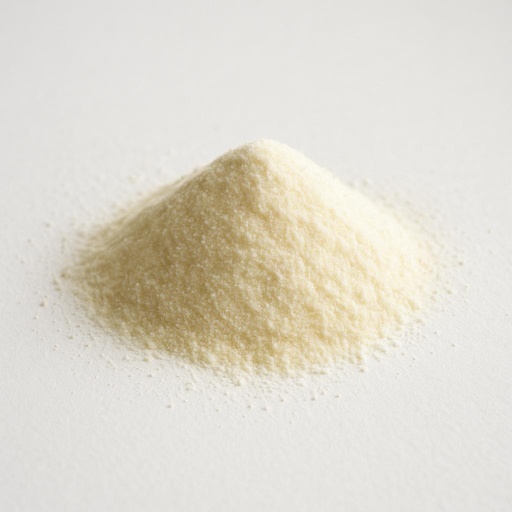
- White to off-white crystalline powder appearance is commonly specified
- Moisture sensitivity and oxidation sensitivity drive packaging and storage expectations
Compositional Metrics
- Assay/potency specification aligned to applicable pharmacopeia or food-grade standards
- Impurity profile expectations (e.g., related substances) supported by analytical testing and batch COA
Grades
- Food grade (for fortification and food processing use, subject to food regulations)
- Pharmacopeial grade (for pharmaceutical/nutraceutical formulations, subject to pharmacopeial compliance expectations)
Packaging
- Moisture-barrier lined fiber drums or cartons with inner polyethylene liner
- Lot/batch coding on primary and secondary packs to support traceability and recalls
Supply Chain
Value Chain
- Overseas bulk manufacturer → Indian importer/agent → customs & (where applicable) food import clearance → third-party lab testing/COA verification → distributor/blender/repacker → finished-goods manufacturer (supplement/food/pharma) → retail/online channels for finished products
Temperature
- Generally ambient-stable as a dry powder; protect from heat and direct sunlight to reduce degradation risk
Atmosphere Control
- Protect from humidity and oxygen exposure; keep containers tightly closed to limit oxidation
Shelf Life
- Shelf life is driven by moisture control, packaging integrity, and storage conditions; buyers often require retained-sample and COA traceability per lot
Freight IntensityLow
Transport ModeSea
Risks
Supply Concentration HighIndia’s bulk ascorbic acid supply can be vulnerable to external supplier concentration and global price/availability shocks, creating a risk of sudden shortages for domestic supplement, food fortification, and formulation plants.Qualify multiple origins/suppliers, maintain safety stock tied to production plans, and lock in specifications with approved alternates to reduce reformulation and validation delays.
Regulatory Compliance HighMisclassification or incomplete documentation (food/supplement vs. pharmaceutical use; missing lot COA/SDS/labels) can trigger import holds, sampling delays, or rejection, disrupting manufacturing schedules.Align intended-use declarations and specifications to the applicable regulator pathway (FSSAI vs. drug/pharmacopeial expectations), and run a pre-shipment document checklist with the importer and customs broker.
Food Safety MediumOut-of-spec impurities, contamination, or potency variability can lead to batch failure in finished products and potential regulatory/non-compliance exposure in supplements and fortified foods.Require pharmacopeial/food-grade testing aligned to buyer specs, implement incoming QC testing in India, and audit supplier quality systems and change-control practices.
Logistics MediumEven with low freight intensity, port congestion, documentation errors, or inspection delays can create production stoppages for manufacturers operating with lean inventories.Use forward inventory positioning, monitor port lead times, and maintain expedited shipment contingencies for critical lots.
Sustainability
- Wastewater and effluent management risk in fermentation/chemical manufacturing supply chains (upstream supplier screening)
- Energy intensity and GHG footprint considerations in chemical ingredient sourcing (supplier ESG disclosure requests)
Labor & Social
- Worker health and safety in chemical manufacturing and warehousing operations (EHS audits for suppliers and repackers)
- Informalization and contractor labor risk in logistics and repacking segments (need for labor compliance checks)
Standards
- ISO 22000 / FSSC 22000 (food ingredient supply chains)
- GMP expectations for nutraceutical/pharmaceutical manufacturing environments
FAQ
Which Indian authorities are most relevant to importing and using ascorbic acid?For food and supplement uses, the Food Safety and Standards Authority of India (FSSAI) is the primary regulator. For pharmaceutical-grade use and drug-related compliance, the Central Drugs Standard Control Organization (CDSCO) and pharmacopeial standards (Indian Pharmacopoeia Commission) are commonly referenced alongside customs requirements.
What documents do Indian buyers typically expect for imported ascorbic acid lots?Common expectations include a lot-specific Certificate of Analysis (COA), Safety Data Sheet (SDS), and standard shipping documents (invoice, packing list, and transport document). Buyers and import clearance processes may also require origin documentation and specifications aligned to the intended use (food/supplement vs. pharmaceutical).
Sources


수출·소싱 진단
인도 아스코르브산, 사는 쪽이세요 파는 쪽이세요?
어느 쪽이든 몇 가지만 답해주시면 됩니다. 어디서 살 수 있는지, 누구에게 팔 수 있는지 정리해서 보내드릴게요.
무료 진단, 계정 없이 이용 가능합니다.
'쿠키 허용'을 클릭하면 통계 및 개인 선호도 산출을 위한 쿠키 제공에 동의하게 됩니다.
개인정보 보호정책에서 쿠키에 대한 자세한 내용을 확인할 수 있습니다.