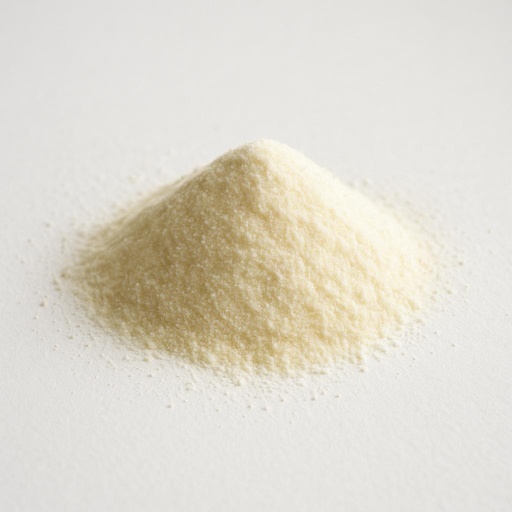
Ascorbic Acid Suppliers & Prices in South Korea — Market Overview 2026
Parent Product
Vitamin C
Derived Products
Blackcurrant Drink, Plum Juice Drink, Long Life Fruit Juice Drink, Orange Fruit Cups, +3
Last Updated
2026-09-17
Key takeaways for search and sourcing teams
- 5 sampled export transactions for South Korea are summarized.
- 151 export partner companies and 30 import partner companies are mapped for Ascorbic Acid in South Korea.
- Page data last updated on 2026-09-17.
Ascorbic Acid Export Supplier Intelligence, Price Trends, and Trade Flows in South Korea
151 export partner companies are tracked for Ascorbic Acid in South Korea. Use Supply Chain Intelligence company profiles and analytics to validate exporter coverage, partner quality, and route priorities.
Explore Ascorbic Acid export intelligence in South Korea, including 5 sampled supplier transactions, monthly unit-price ranges, and partner-country trade flow patterns for HS Code -.
Scatter points are sampled from 35.7% of the full transaction dataset.
Sample Export Supplier Transaction Records for Ascorbic Acid in South Korea
5 sampled Ascorbic Acid transactions in South Korea include date, origin, and partner-country context to benchmark export prices and supplier trading patterns.
Ascorbic Acid sampled transaction unit prices by date in South Korea: 2026-02-11: 24.51 USD / kg, 2026-02-11: 24.51 USD / kg, 2026-02-11: 24.53 USD / kg, 2026-02-03: 24.50 USD / kg, 2026-02-03: 24.50 USD / kg.
| Date | Reported Product | Unit Price | Exporter | Importer | |
|---|---|---|---|---|---|
| 2026-02-11 | ASC***** **** **** *** *** **** ******** **** **** *** *** *** | 24.51 USD / kg | (South Korea) | (United States) | |
| 2026-02-11 | ASC***** **** **** *** *** **** ******** **** **** *** *** *** | 24.51 USD / kg | (South Korea) | (United States) | |
| 2026-02-11 | ASC***** **** | 24.53 USD / kg | (South Korea) | (United States) | |
| 2026-02-03 | ASC***** **** ************ ******** **** *********** | 24.50 USD / kg | (South Korea) | (United States) | |
| 2026-02-03 | ASC***** *************** *** *** | 24.50 USD / kg | (South Korea) | (United States) |
Top Ascorbic Acid Export Suppliers and Companies in South Korea
Review leading exporter profiles and benchmark them against 151 total export partner companies tracked for Ascorbic Acid in South Korea. Use Supply Chain Intelligence company profiles and analytics to shortlist sourcing and export partners faster.
(South Korea)
Latest Export Transaction: 2026-08-17
Employee Size: 101 - 500 Employees
Industries: Food Manufacturing
Value Chain Roles: Food Manufacturing
(South Korea)
Latest Export Transaction: 2026-08-17
Employee Size: 51 - 100 Employees
Industries: Beverage ManufacturingFood Manufacturing
Value Chain Roles: Food ManufacturingTrade
(South Korea)
Latest Export Transaction: 2026-08-17
Employee Size: 1 - 10 Employees
Sales Revenue: USD 10M - 50M
Industries: Food Wholesalers
Value Chain Roles: Distribution / Wholesale
(South Korea)
Latest Export Transaction: 2026-08-17
Industries: Department StoresGrocery Stores
Value Chain Roles: Retail
(South Korea)
Latest Export Transaction: 2026-08-17
Employee Size: 1 - 10 Employees
Sales Revenue: USD 5M - 10M
Industries: Brokers And Trade AgenciesFood WholesalersOthers
Value Chain Roles: Distribution / WholesaleOthersTrade
(South Korea)
Latest Export Transaction: 2026-08-17
Employee Size: 51 - 100 Employees
Sales Revenue: USD 10M - 50M
Industries: Food Manufacturing
Value Chain Roles: Distribution / WholesaleFood Manufacturing
South Korea Export Partner Coverage
151 companies
Total export partner company count is a core signal of South Korea export network depth for Ascorbic Acid.
Exporters and importers can open Supply Chain Intelligence company profiles and analytics to assess Ascorbic Acid partner concentration, capacity signals, and trade relevance in South Korea.
Sourcing diagnosis
Could you be importing Ascorbic Acid from South Korea yourself?
Just tell us your spec and the volume you need. We'll check whether it's actually sourceable, and which origins and suppliers fit.
Free diagnosis, no account required.
Ascorbic Acid Import Buyer Intelligence and Price Signals in South Korea: Buyers, Demand, and Trade Partners
30 import partner companies are tracked for Ascorbic Acid in South Korea. Exporters and importers can use Supply Chain Intelligence company profiles and analytics to analyze buyer demand, partner density, and downstream channels.
Scatter points are sampled from 7.1% of the full transaction dataset.
Sample Import Transaction and Price Records for Ascorbic Acid in South Korea
5 sampled Ascorbic Acid import transactions in South Korea provide date, origin, and trade-country context to benchmark price levels and demand-side trading patterns.
Ascorbic Acid sampled import transaction unit prices by date in South Korea: 2026-09-15: 16.50 USD / kg, 2026-09-11: 12.81 USD / kg, 2026-09-09: 17.15 USD / kg, 2026-09-07: 21.50 USD / kg, 2026-09-01: 16.50 USD / kg.
| Date | Reported Product | Unit Price | Exporter | Importer | Origin | |
|---|---|---|---|---|---|---|
| 2026-09-15 | [비타*** ************** **** | 16.50 USD / kg | (-) | (-) | - | |
| 2026-09-11 | [비타* ** **** *************** * ****** | 12.81 USD / kg | (-) | (-) | - | |
| 2026-09-09 | [혼합*** **** *** ************** **** *** *********** | 17.15 USD / kg | (-) | (-) | - | |
| 2026-09-07 | [비타*** ************** **** **** ****** | 21.50 USD / kg | (-) | (-) | - | |
| 2026-09-01 | [비타*** ************** **** | 16.50 USD / kg | (-) | (-) | - |
Top Ascorbic Acid Buyers, Importers, and Demand Partners in South Korea
Review leading buyer profiles and compare them with 30 total import partner companies tracked for Ascorbic Acid in South Korea. Exporters and importers can use Supply Chain Intelligence company profiles and analytics to evaluate demand-side partner fit.
(South Korea)
Latest Import Transaction: 2026-08-17
Industries: Food ManufacturingOthers
Value Chain Roles: Food ManufacturingOthers
(South Korea)
Latest Import Transaction: 2026-01-14
Recently Import Partner Companies: 1
Industries: Others
Value Chain Roles: Others
(South Korea)
Latest Import Transaction: 2026-08-17
Industries: Food Manufacturing
Value Chain Roles: Farming / Production / Processing / Packing
(South Korea)
Latest Import Transaction: 2026-08-17
Employee Size: Over 1000 Employees
Sales Revenue: USD Over 1B
Industries: Beverage ManufacturingFood ManufacturingFood Services And Drinking PlacesOnline Retail And Fulfillment
Value Chain Roles: Distribution / WholesaleFood ManufacturingRetailTrade
(South Korea)
Latest Import Transaction: 2026-08-17
Employee Size: 101 - 500 Employees
Industries: Food Manufacturing
Value Chain Roles: Distribution / WholesaleFood ManufacturingTrade
(South Korea)
Latest Import Transaction: 2026-08-17
Industries: Food ManufacturingOnline Retail And Fulfillment
Value Chain Roles: Distribution / WholesaleFood Manufacturing
South Korea Import Partner Coverage
30 companies
Import partner company count highlights demand-side visibility for Ascorbic Acid in South Korea.
Use Supply Chain Intelligence analytics and company profiles to identify active Ascorbic Acid importers, distributors, and buyer networks in South Korea.
Export diagnosis
Your Ascorbic Acid — could it sell to these buyers in South Korea?
Just tell us what you make. We'll see whether you're ready to export today and which markets suit your offer.
Free diagnosis, no account required.
Price data
Which Ascorbic Acid prices in South Korea do you need?
We'll open up the full price history and competitor benchmarks. Just tell us which numbers you need and we'll walk you through them.
Classification
Product TypeIngredient
Product FormUnmixed crystalline powder (bulk vitamin C / ascorbic acid; commonly traded under HS 2936.27 when unmixed)
Industry PositionDietary supplement and food-manufacturing input (health functional food nutrient ingredient; also used as food additive antioxidant)
Market
Ascorbic acid (vitamin C) in South Korea is primarily a regulated nutrient ingredient used in health functional foods (dietary supplements) and, separately, as an antioxidant/acidity regulator in food manufacturing. MFDS’s Health Functional Food Code includes vitamin C with defined permitted ingredient forms, compositional specifications, recognized health claims, and a daily intake range (30–1000 mg). Imported health functional foods, food additives, and related inputs are managed under MFDS’s imported food safety system, which includes importer/overseas manufacturer registration and border inspection steps during customs clearance. Market participation therefore depends heavily on regulatory compliance (specifications, labeling/claims for finished products, and import-clearance readiness) rather than agricultural seasonality.
Market RoleImport-dependent ingredient and downstream health functional food manufacturing/consumer market
Domestic RoleHigh-regulatory-focus domestic market for vitamin C health functional foods and food-manufacturing use, with compliance anchored to MFDS codes and import controls
Specification
Primary VarietyL-Ascorbic acid (Vitamin C)
Secondary Variety
- Sodium L-Ascorbate
- Calcium Ascorbate
- Ascorbyl Palmitate
- L-Ascorbyl Stearate
Compositional Metrics
- For vitamin C health functional foods, MFDS Health Functional Food Code specifies vitamin C content at 80–150% of labeled amount (finished-product specification).
- For vitamin C health functional foods, MFDS Health Functional Food Code specifies coliform as negative (finished-product specification).
- MFDS Health Functional Food Code sets a daily intake amount of 30–1000 mg for vitamin C health functional foods.
Supply Chain
Value Chain
- Overseas manufacturing facility and importer registration (MFDS) → import declaration via KCS UNI-PASS → MFDS border inspection (document review / field test / laboratory test / random sampling as applicable) → certificate of completion of import declaration → customs clearance → domestic distribution or downstream formulation into health functional foods.
Freight IntensityLow
Transport ModeSea
Risks
Regulatory Compliance HighMFDS import controls and health functional food requirements can block or delay shipments if the importer/overseas facility registration status, import declaration information, or (for finished health functional foods) labeling/functional claim content does not align with MFDS requirements; border inspection may include document review and testing before release.Align finished-product claims and labeling strictly to MFDS-recognized functions; ensure importer and overseas manufacturing facility registration readiness (as applicable), and run a pre-shipment document checklist mapped to UNI-PASS filing and MFDS import-declaration items.
Food Safety MediumFinished vitamin C health functional foods must meet MFDS Health Functional Food Code specifications (e.g., vitamin C content range relative to label and coliform negative); stability losses or quality deviations can trigger non-compliance findings.Use validated assay methods and stability testing to support labeled potency over shelf life; implement incoming QC with documented lot traceability and retain samples for potential investigation.
Documentation Gap MediumMisclassification (unmixed HS 2936.27 vs. mixed/prepared products) or incomplete origin documentation can result in incorrect declarations, loss of preferential tariff eligibility, or clearance delays.Obtain a binding classification/advance ruling where available, and maintain origin-supporting records consistent with the applicable FTA guidance on the Korea Customs Service FTA Portal.
FAQ
What daily intake range does South Korea’s MFDS set for vitamin C health functional foods?MFDS’s Health Functional Food Code sets the daily intake amount for vitamin C health functional foods at 30–1000 mg.
What functional claims are recognized for vitamin C in Korea’s Health Functional Food Code?MFDS’s Health Functional Food Code recognizes claims that vitamin C is necessary for normal structure and maintenance of connective tissue, necessary for absorption of iron, and necessary for protection of cells from free radicals.
What are key clearance and compliance touchpoints for importing vitamin C-related products into South Korea?MFDS manages imported foods, food additives, and health functional foods through an imported food safety system that can include importer/overseas manufacturer registration and border inspection (document review and, where applicable, testing). Import declarations are handled through Korea Customs Service’s UNI-PASS electronic clearance system.
Sources
Other Ascorbic Acid Country Markets for Supplier, Export, and Price Comparison from South Korea
Compare Ascorbic Acid supplier coverage, trade flows, and price benchmarks across countries related to South Korea.


Export & sourcing diagnosis
Ascorbic Acid in South Korea — are you buying, or selling?
Either way it's a few questions. We'll come back with where you could buy it, or who you could sell it to.
Free diagnosis, no account required.
Related Ascorbic Acid Product Categories
Browse parent, sub, derived, and raw-material product market pages related to Ascorbic Acid.
Parent product: Vitamin C
By clicking “Accept Cookies,” I agree to provide cookies for statistical and personalized preference purposes. To learn more about our cookies, please read our Privacy Policy.