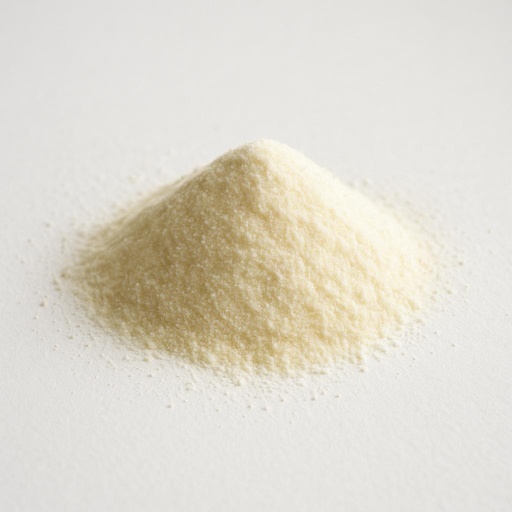
멕시코 아스코르브산 공급업체 및 가격 — 마켓 오버뷰 2026
상위 제품
비타민 C
파생 제품
블랙커런트 음료, 자두 주스 음료, 장기 보관 과일 음료, 오렌지 과일 컵, +3
최종 업데이트
2026-09-17
서치 및 소싱 팀을 위한 핵심 요약
- 멕시코에 대한 샘플 수출 거래 5건이 요약되어 있습니다.
- 멕시코의 아스코르브산에 대해 수출 파트너 기업 112개와 수입 파트너 기업 41개가 매핑되어 있습니다.
- 페이지 데이터 최종 업데이트일: 2026-09-17.
멕시코 내 아스코르브산 수출 공급업체 인텔리전스, 가격 추이 및 무역 흐름
멕시코의 아스코르브산에 대해 수출 파트너 기업 112개가 추적됩니다. Supply Chain Intelligence 회사 프로필 및 분석으로 수출업체 커버리지, 파트너 품질, 경로 우선순위를 검증하세요.
멕시코에서의 아스코르브산 수출 인텔리전스를 확인하세요. 샘플 공급업체 거래 5건, 월간 단가 범위, HS 코드 -의 파트너 국가 무역 흐름 패턴을 포함합니다.
스캐터 포인트는 전체 거래 데이터셋의 12.6%에서 샘플링되었습니다.
아스코르브산의 멕시코 샘플 수출 공급업체 거래 기록
멕시코의 아스코르브산 샘플 거래 5건에는 수출 가격과 공급업체 거래 패턴 벤치마킹을 위한 날짜, 원산지, 파트너 국가 맥락이 포함됩니다.
멕시코의 아스코르브산 샘플 거래 단가(일자별): 2026-02-17: 12.03 USD / kg, 2026-02-17: 12.13 USD / kg, 2026-02-13: 5.59 USD / kg, 2026-02-12: 12.03 USD / kg, 2026-02-04: 12.03 USD / kg.
| 일자 | 신고 품목 | 단가 | 수출업체 | 수입업체 | |
|---|---|---|---|---|---|
| 2026-02-17 | ACI** ********* ********** ******** ***** **** **** ****** ** | 12.03 USD / kg | (멕시코) | (코스타리카) | |
| 2026-02-17 | ACI** ********* ********** ******** ***** **** **** ****** ** | 12.13 USD / kg | (멕시코) | (코스타리카) | |
| 2026-02-13 | Aci** ********* *** ***** ************ * ********* **** ** ********* *********** | 5.59 USD / kg | (멕시코) | (코스타리카) | |
| 2026-02-12 | ACI** ********* ********** ******** ***** **** **** ****** ** | 12.03 USD / kg | (멕시코) | (코스타리카) | |
| 2026-02-04 | ACI** ********* ********** ******** ***** **** **** ****** ** | 12.03 USD / kg | (멕시코) | (코스타리카) |
멕시코 내 상위 아스코르브산 수출 공급업체 및 기업
선도 수출업체 프로필을 검토하고 멕시코의 아스코르브산에 대해 추적되는 전체 수출 파트너 기업 112개와 비교하세요. Supply Chain Intelligence 회사 프로필 및 분석으로 소싱 및 수출 파트너를 더 빠르게 선별할 수 있습니다.
(멕시코)
최근 수출 거래: 2025-12-15
최근 수출 파트너 기업: 15
임직원 규모: 직원 1000명 초과
산업군: 음료 제조식품 제조식음료 서비스업
밸류체인 역할: 유통 / 도매식품 제조무역
(멕시코)
최근 수출 거래: 2026-08-17
임직원 규모: 직원 11 - 50명
산업군: 식품 제조
밸류체인 역할: 식품 제조
(멕시코)
최근 수출 거래: 2026-08-17
최근 수출 파트너 기업: 5
임직원 규모: 직원 1000명 초과
매출액: 매출 USD 1B 초과
산업군: 음료 제조식품 제조식품 포장식음료 서비스업기타
밸류체인 역할: 유통 / 도매식품 제조소매
(멕시코)
최근 수출 거래: 2026-08-17
최근 수출 파트너 기업: 1
매출액: 매출 USD 10M - 50M
산업군: 브로커 및 무역 대행식품 제조식품 포장
밸류체인 역할: 유통 / 도매무역
(멕시코)
최근 수출 거래: 2026-08-17
임직원 규모: 직원 1000명 초과
매출액: 매출 USD 1B 초과
산업군: 음료 제조식품 제조식음료 서비스업
밸류체인 역할: 유통 / 도매식품 제조소매
(멕시코)
최근 수출 거래: 2026-08-17
최근 수출 파트너 기업: 1
산업군: 음료 제조식품 제조식품 포장식음료 서비스업기타
밸류체인 역할: 유통 / 도매식품 제조무역
멕시코 수출 파트너 커버리지
112개 기업
총 수출 파트너 기업 수는 멕시코의 아스코르브산 수출 네트워크 깊이를 보여주는 핵심 신호입니다.
수출업체와 수입업체는 공급망 인텔리전스 기업 프로필 및 분석을 열어 멕시코 내 아스코르브산 파트너 집중도, 공급 역량 시그널, 무역 관련성을 평가할 수 있습니다.
소싱 진단
멕시코산 아스코르브산, 우리도 들여올 수 있을까요?
필요한 스펙과 물량만 알려주세요. 실제로 소싱이 되는지, 어떤 원산지와 공급사가 맞는지 짚어드려요.
무료 진단, 계정 없이 이용 가능합니다.
멕시코의 아스코르브산 수입 바이어 인텔리전스 및 가격 시그널: 바이어, 수요, 거래 파트너
멕시코의 아스코르브산에 대해 수입 파트너 기업 41개가 추적됩니다. 수출업체와 수입업체는 Supply Chain Intelligence 회사 프로필 및 분석을 활용해 바이어 수요, 파트너 밀도, 다운스트림 채널을 분석할 수 있습니다.
스캐터 포인트는 전체 거래 데이터셋의 31.6%에서 샘플링되었습니다.
아스코르브산의 멕시코 샘플 수입 거래 및 가격 기록
멕시코의 아스코르브산 샘플 수입 거래 5건은 가격 수준과 수요 측 거래 패턴 벤치마킹을 위한 날짜, 원산지, 무역 국가 맥락을 제공합니다.
멕시코의 아스코르브산 샘플 수입 거래 단가(일자별): 2025-12-17: 7.98 USD / kg, 2025-12-16: 3.60 USD / kg, 2025-12-15: 7.53 USD / kg, 2025-12-08: 12.50 USD / kg, 2025-12-08: 18.87 USD / kg.
| 일자 | 신고 품목 | 단가 | 수출업체 | 수입업체 | 원산지 | |
|---|---|---|---|---|---|---|
| 2025-12-17 | ACI** ********* ******** | 7.98 USD / kg | (-) | (-) | - | |
| 2025-12-16 | VIT***** * ***** ********* | 3.60 USD / kg | (-) | (-) | - | |
| 2025-12-15 | ACI** ********* ******** | 7.53 USD / kg | (-) | (-) | - | |
| 2025-12-08 | ACI** ********* | 12.50 USD / kg | (-) | (-) | - | |
| 2025-12-08 | ACI** ********* | 18.87 USD / kg | (-) | (-) | - |
멕시코 내 상위 아스코르브산 바이어, 수입업체 및 수요 파트너
선도 바이어 프로필을 검토하고 멕시코의 아스코르브산에 대해 추적되는 전체 수입 파트너 기업 41개와 비교하세요. 수출업체와 수입업체는 Supply Chain Intelligence 회사 프로필 및 분석으로 수요 측 파트너 적합도를 평가할 수 있습니다.
(멕시코)
최근 수입 거래: 2026-08-17
임직원 규모: 직원 1000명 초과
매출액: 매출 USD 50M - 100M
산업군: 음료 제조식품 제조기타
밸류체인 역할: 식품 제조기타
(멕시코)
최근 수입 거래: 2025-12-11
최근 수입 파트너 기업: 4
임직원 규모: 직원 1000명 초과
산업군: 음료 제조식품 제조식음료 서비스업
밸류체인 역할: 유통 / 도매식품 제조무역
(멕시코)
최근 수입 거래: 2026-08-17
임직원 규모: 직원 1000명 초과
산업군: 음료 제조식품 제조식품 포장
밸류체인 역할: 유통 / 도매농업 / 생산 / 가공 / 포장식품 제조
(멕시코)
최근 수입 거래: 2025-12-01
최근 수입 파트너 기업: 1
임직원 규모: 직원 51 - 100명
매출액: 매출 USD 5M - 10M
산업군: 축산식품 제조식품 포장
밸류체인 역할: 유통 / 도매무역
(멕시코)
최근 수입 거래: 2026-08-17
최근 수입 파트너 기업: 6
임직원 규모: 직원 1000명 초과
매출액: 매출 USD 1B 초과
산업군: 음료 제조식품 제조식품 포장식음료 서비스업기타
밸류체인 역할: 유통 / 도매식품 제조소매
(멕시코)
최근 수입 거래: 2026-08-17
최근 수입 파트너 기업: 1
임직원 규모: 직원 101 - 500명
매출액: 매출 USD 10M - 50M
산업군: 식품 제조
밸류체인 역할: 식품 제조무역
멕시코 수입 파트너 커버리지
41개 기업
수입 파트너 기업 수는 멕시코의 아스코르브산 수요 측 가시성을 보여줍니다.
공급망 인텔리전스 분석과 기업 프로필을 활용해 멕시코에서 활동 중인 아스코르브산 수입업체, 유통업체, 바이어 네트워크를 식별하세요.
수출 진단
우리 아스코르브산, 이 멕시코 바이어들에게 팔 수 있을까요?
만드시는 제품만 알려주시면 됩니다. 지금 수출할 준비가 됐는지, 어느 시장이 맞는지 봐드려요.
무료 진단, 계정 없이 이용 가능합니다.
가격 데이터
멕시코 아스코르브산 가격, 어디까지 필요하세요?
전체 가격 히스토리와 경쟁사 벤치마크를 열어드립니다. 어떤 숫자가 필요하신지만 말씀해 주시면 함께 살펴봐 드려요.
Classification
Product TypeIngredient
Product FormPowder (unmixed)
Industry PositionFood and Nutraceutical Ingredient
Market
Mexico is primarily an import market for unmixed ascorbic acid (vitamin C) used as an input for dietary supplements and as a functional ingredient/antioxidant in food and beverage manufacturing. UN Comtrade data via WITS for HS 293627 indicates Mexico’s 2024 imports were dominated by China, implying high upstream supply concentration. For finished dietary supplements, COFEPRIS requires a Permiso Sanitario Previo de Importación (PSPI) and reviews labeling and ingredients, with sampling especially for first-time entries. SIAVI indicates the Mexican import tariff (IGI) for fraction 29362701 is exento (duty-free) under MFN (NMF) and across multiple FTA partner regimes, so non-tariff compliance is often the binding constraint.
Market RoleNet importer (import-dependent ingredient market)
Domestic RoleIndustrial input for dietary supplement formulation and food/beverage processing; trade data indicates high reliance on imports for bulk supply.
Specification
Physical Attributes
- Buyer specifications commonly emphasize moisture protection and oxidation control during storage and distribution due to potency loss risk.
- Pack integrity (sealed liners, clean and dry packaging) is a common acceptance criterion for supplement- and food-grade shipments.
Compositional Metrics
- USP-NF ascorbic acid monograph includes assay/purity expectations (e.g., ascorbic acid containing NLT 99.0% and NMT 100.5% of C6H8O6 for the monographed substance).
- For food-use positioning, alignment with Codex/JECFA specifications and Codex GSFA permissions for INS 300 is commonly referenced in supplier documentation.
Grades
- Dietary supplement / pharmaceutical grade aligned to USP-NF specifications (as applicable to intended use)
- Food ingredient/additive grade positioned for INS 300 uses (Codex GSFA context) with supporting COA
Packaging
- Typically shipped in sealed moisture-barrier packs (e.g., lined bags or drums) with batch/lot identification and a lot-specific Certificate of Analysis (COA).
Supply Chain
Value Chain
- Overseas manufacturer → international freight (often sea) → Mexican customs clearance (pedimento; PSPI if finished supplement/regulated health product) → importer warehouse → distribution to supplement/food manufacturers → formulation/blending/tableting/pack-out
Temperature
- Ambient transport is common; cool, dry warehousing is emphasized to reduce degradation risk.
Atmosphere Control
- Protect from moisture and oxygen exposure (tight seals; minimize repeated opening; consider inert headspace practices where used by suppliers).
Shelf Life
- Shelf-life performance is sensitive to humidity/oxidation; FIFO and periodic QC verification are commonly used controls for long-stored lots.
Freight IntensityLow
Transport ModeSea
Risks
Regulatory Compliance HighIf the shipment is a finished dietary supplement (or otherwise falls under regulated health products), Mexico requires a COFEPRIS Permiso Sanitario Previo de Importación (PSPI) and review of labeling and ingredients; missing or non-compliant documentation/labeling can lead to customs holds, sampling delays, or refusal of entry.Confirm regulatory classification and intended use before contracting; prepare PSPI documentation (ingredients, labels, COA) and align Spanish labeling with COFEPRIS guidance prior to shipment.
Supply Concentration MediumMexico’s HS 293627 imports in 2024 were dominated by China, creating exposure to origin-specific supply disruptions and price shocks.Pre-qualify at least one alternate supplier/origin and maintain safety stock for critical formulations.
Quality MediumAscorbic acid is sensitive to degradation from moisture and oxygen exposure; poor storage or repackaging controls can result in out-of-spec potency for supplements and fortified foods.Specify moisture-barrier packaging, control warehouse humidity, and require incoming QC and retesting for extended storage.
Documentation Gap MediumMismatch between HS classification, declared end-use (ingredient vs finished supplement), and supporting documents can trigger reclassification, additional permit requirements, and clearance delays.Align HS code, end-use declaration, and supporting documents (COA, labels, permits) across purchase contracts and customs filings.
Standards
- USP-NF monograph alignment (identity/assay/purity), where applicable to intended use
- GMP controls for dietary supplement manufacturing and repackaging
- ISO 22000 / FSSC 22000 (where handled as a food ingredient within certified food safety systems)
FAQ
Does Mexico require an import permit for vitamin C dietary supplements?Yes. COFEPRIS states that dietary supplements require a Permiso Sanitario Previo de Importación (PSPI), and COFEPRIS reviews the product’s labeling and ingredients as part of issuing the permit; first-time entries may be sampled and released by the authority.
What Mexico tariff fraction is commonly used for unmixed ascorbic acid, and is it duty-free?SIAVI lists fraction 29362701 for vitamin C (ascorbic acid) and its salts and shows it as “Exento” (duty-free) under Mexico’s MFN (NMF) tariff and multiple partner regimes; confirm the current SIAVI/TIGIE record for the shipment date and ensure origin documentation is consistent if claiming preference.
Which country is Mexico’s main supplier for HS 293627 vitamin C imports?UN Comtrade data via WITS shows China as the dominant supplier for Mexico’s imports of HS 293627 (vitamin C and its derivatives, unmixed) in 2024.
Sources


수출·소싱 진단
멕시코 아스코르브산, 사는 쪽이세요 파는 쪽이세요?
어느 쪽이든 몇 가지만 답해주시면 됩니다. 어디서 살 수 있는지, 누구에게 팔 수 있는지 정리해서 보내드릴게요.
무료 진단, 계정 없이 이용 가능합니다.
'쿠키 허용'을 클릭하면 통계 및 개인 선호도 산출을 위한 쿠키 제공에 동의하게 됩니다.
개인정보 보호정책에서 쿠키에 대한 자세한 내용을 확인할 수 있습니다.