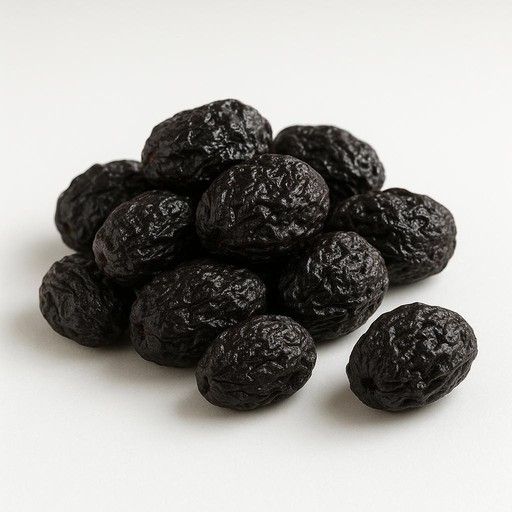
Dried Java Plum Suppliers & Prices in United Arab Emirates — Market Overview 2026
Raw Materials
Fresh Java Plum
Last Updated
2026-09-13
Key takeaways for search and sourcing teams
- Page data last updated on 2026-09-13.
Sourcing diagnosis
Could you be importing Dried Java Plum from United Arab Emirates yourself?
Just tell us your spec and the volume you need. We'll check whether it's actually sourceable, and which origins and suppliers fit.
Free diagnosis, no account required.
Dried Java Plum Import Buyer Intelligence and Price Signals in United Arab Emirates: Buyers, Demand, and Trade Partners
3 import partner companies are tracked for Dried Java Plum in United Arab Emirates. Exporters and importers can use Supply Chain Intelligence company profiles and analytics to analyze buyer demand, partner density, and downstream channels.
Scatter points are sampled from 83.3% of the full transaction dataset.
Sample Import Transaction and Price Records for Dried Java Plum in United Arab Emirates
5 sampled Dried Java Plum import transactions in United Arab Emirates provide date, origin, and trade-country context to benchmark price levels and demand-side trading patterns.
Dried Java Plum sampled import transaction unit prices by date in United Arab Emirates: 2026-06-15: 2.06 USD / kg, 2026-06-12: 2.06 USD / kg, 2026-06-10: 2.06 USD / kg, 2026-06-02: 2.03 USD / kg, 2026-06-01: 2.05 USD / kg.
| Date | Reported Product | Unit Price | Exporter | Importer | Origin | |
|---|---|---|---|---|---|---|
| 2026-06-15 | BLA** ***** | 2.06 USD / kg | (-) | (-) | - | |
| 2026-06-12 | BLA** ***** | 2.06 USD / kg | (-) | (-) | - | |
| 2026-06-10 | BLA** ***** | 2.06 USD / kg | (-) | (-) | - | |
| 2026-06-02 | BLA** ***** | 2.03 USD / kg | (-) | (-) | - | |
| 2026-06-01 | BLA** ***** | 2.05 USD / kg | (-) | (-) | - |
Top Dried Java Plum Buyers, Importers, and Demand Partners in United Arab Emirates
Review leading buyer profiles and compare them with 3 total import partner companies tracked for Dried Java Plum in United Arab Emirates. Exporters and importers can use Supply Chain Intelligence company profiles and analytics to evaluate demand-side partner fit.
(United Arab Emirates)
Latest Import Transaction: 2026-08-13
Industries: Food ManufacturingFood Wholesalers
Value Chain Roles: Distribution / WholesaleTrade
(United Arab Emirates)
Latest Import Transaction: 2026-08-13
Industries: Food ManufacturingFood Wholesalers
Value Chain Roles: Distribution / WholesaleTrade
(United Arab Emirates)
Latest Import Transaction: 2026-08-13
Industries: Others
Value Chain Roles: Distribution / Wholesale
United Arab Emirates Import Partner Coverage
3 companies
Import partner company count highlights demand-side visibility for Dried Java Plum in United Arab Emirates.
Use Supply Chain Intelligence analytics and company profiles to identify active Dried Java Plum importers, distributors, and buyer networks in United Arab Emirates.
Export diagnosis
Your Dried Java Plum — could it sell to these buyers in United Arab Emirates?
Just tell us what you make. We'll see whether you're ready to export today and which markets suit your offer.
Free diagnosis, no account required.
Price data
Which Dried Java Plum prices in United Arab Emirates do you need?
We'll open up the full price history and competitor benchmarks. Just tell us which numbers you need and we'll walk you through them.
Classification
Product TypeProcessed Food
Product FormDried
Industry PositionProcessed Agricultural Product
Market
Dried java plum (a dried fruit product) in the United Arab Emirates is primarily an import-supplied category, with market access shaped by food product registration, label assessment, and consignment release controls. Dubai functions as a major regional food trade hub, with significant import flows and re-export activity managed under Dubai Municipality food safety systems. For suppliers, the main commercial focus is ensuring label and documentation conformity to UAE/GCC requirements and meeting inspection or testing needs at entry. The product’s shelf-stable nature supports year-round availability, but non-compliance can quickly lead to shipment detention, delay, or rejection.
Market RoleImport-dependent consumer market and regional re-export hub (via Dubai)
Domestic RoleImported shelf-stable dried fruit product supplied through registered food establishments and distributors
SeasonalityYear-round availability driven by imports and the shelf-stable dried format.
Specification
Physical Attributes
- Low moisture, non-sticky surface condition appropriate for ambient storage
- Uniformity of piece size/whole-fruit count, depending on pack style
- Free from visible mold, insect damage, and foreign matter
Compositional Metrics
- Moisture control is a key acceptance parameter for shelf stability and mold prevention
Packaging
- Moisture-barrier inner packaging (sealed pouches or liners) with outer cartons for import handling
- Labels designed to pass UAE/GCC label assessment (accurate ingredient/additive declarations and origin statements where applicable)
Supply Chain
Value Chain
- Origin processing (washing/sorting → drying → packing) → ocean freight to UAE (typically via Dubai) → importer registration/product evaluation → port inspection/release → warehousing → distribution to retail/foodservice
Temperature
- Ambient logistics is typical, but storage should be cool and dry to avoid moisture uptake and quality deterioration.
Shelf Life
- Shelf life is primarily moisture- and packaging-integrity dependent; humidity exposure can drive caking, spoilage, or mold risk.
Freight IntensityMedium
Transport ModeSea
Risks
Regulatory Compliance HighMarket entry can be blocked by product/label registration and import-control non-compliance in Dubai: food items may be required to undergo registration and label assessment, and consignments can face detention/delay if conformity and import-control steps are not completed.Complete importer-side registration and food item/label assessment early; align artwork to UAE/GCC labeling rules; pre-validate the shipment dossier (origin statement, invoice, transport docs) and plan for potential sampling/testing lead times.
Food Safety MediumDried fruit products are vulnerable to quality and safety failures (e.g., moisture-driven spoilage, contamination, or non-conforming additive declarations), which can trigger rejection, hold, or recall actions after inspection/testing.Control moisture through validated drying and packaging; implement foreign-matter controls (sieving/metal detection); maintain COAs aligned to importer and authority expectations; ensure additive use and declarations align with Codex/GSO and local label assessment outcomes.
Logistics MediumContainer shipping delays, port dwell time, and freight-rate volatility can erode margins and increase inventory risk even for shelf-stable dried products, especially when holds occur for documentation gaps or inspection/testing.Use buffer lead times, ensure pre-arrival documentation readiness, and contract moisture-protective packaging suitable for prolonged transit and warehouse storage.
Labor And Social MediumESG-related scrutiny of labor conditions in the UAE’s migrant-worker-heavy economy can create reputational exposure for buyers relying on local logistics and warehousing partners.Apply supplier and logistics-partner due diligence (codes of conduct, audits where feasible, grievance channels) and document compliance expectations for subcontractors.
Labor & Social
- Reputational and ESG due diligence risk: the UAE’s labor market is heavily migrant-worker based, and international watchdogs have documented risks of labor abuses under sponsorship-linked employment arrangements; downstream partners may face heightened scrutiny over labor conditions in logistics, warehousing, and subcontracted services.
- Heat exposure and worker welfare can be a material operational concern in outdoor logistics and port-adjacent handling during hot months; buyers may require supplier codes of conduct and documented grievance mechanisms.
FAQ
Does a dried fruit product need to be registered and label-assessed in Dubai before it can be imported or sold?Dubai Municipality lists a service to “Register and Assess a Food Item,” including label assessment against local and GCC specifications, and it has described an IRS-based journey for importing that includes product evaluation and release steps. In practice, importers should treat registration and label conformity as a gating requirement for Dubai market access and plan lead time accordingly.
What customs duty framework applies in the UAE for imported goods like dried fruit products?The UAE participates in the GCC customs union and the UAE government portal describes a standard customs duty rate for goods (with category exceptions) and references UAE and emirate-level customs tariff tools. For a specific dried fruit item, the applied duty should be confirmed by HS classification using official tariff references (e.g., Dubai Customs/ICP tools).
Is the word “Halal” required on dried java plum labels in Dubai?Dubai Municipality has stated that foods that do not contain meat (or its derivatives) and alcohol do not require the word “Halal” on the food label. Separately, UAE/GCC labeling frameworks generally treat halal or similar claims as something that should only be used when verified, so exporters should avoid unsupported halal claims.
Sources
Other Dried Java Plum Country Markets for Supplier, Export, and Price Comparison from United Arab Emirates
Compare Dried Java Plum supplier coverage, trade flows, and price benchmarks across countries related to United Arab Emirates.


Export & sourcing diagnosis
Dried Java Plum in United Arab Emirates — are you buying, or selling?
Either way it's a few questions. We'll come back with where you could buy it, or who you could sell it to.
Free diagnosis, no account required.
Related Dried Java Plum Product Categories
Browse parent, sub, derived, and raw-material product market pages related to Dried Java Plum.
Raw materials: Fresh Java Plum
By clicking “Accept Cookies,” I agree to provide cookies for statistical and personalized preference purposes. To learn more about our cookies, please read our Privacy Policy.