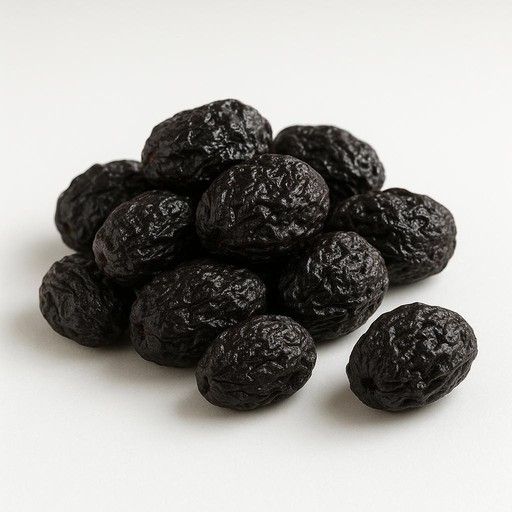
Dried Java Plum Suppliers & Prices in Australia — Market Overview 2026
Raw Materials
Fresh Java Plum
Last Updated
2026-09-13
Key takeaways for search and sourcing teams
- Page data last updated on 2026-09-13.
Sourcing diagnosis
Could you be importing Dried Java Plum from Australia yourself?
Just tell us your spec and the volume you need. We'll check whether it's actually sourceable, and which origins and suppliers fit.
Free diagnosis, no account required.
Dried Java Plum Import Buyer Intelligence and Price Signals in Australia: Buyers, Demand, and Trade Partners
2 import partner companies are tracked for Dried Java Plum in Australia. Exporters and importers can use Supply Chain Intelligence company profiles and analytics to analyze buyer demand, partner density, and downstream channels.
Scatter points are sampled from 100.0% of the full transaction dataset.
Sample Import Transaction and Price Records for Dried Java Plum in Australia
5 sampled Dried Java Plum import transactions in Australia provide date, origin, and trade-country context to benchmark price levels and demand-side trading patterns.
Dried Java Plum sampled import transaction unit prices by date in Australia: 2026-07-29: 2.25 USD / kg, 2026-05-15: 2.25 USD / kg, 2026-03-10: 2.25 USD / kg, 2025-12-21: 2.75 USD / kg, 2025-09-30: 5.71 USD / kg.
| Date | Reported Product | Unit Price | Exporter | Importer | Origin | |
|---|---|---|---|---|---|---|
| 2026-07-29 | ASH*** ***** ** ******* * * **** **** ***** ****** * ** ***** | 2.25 USD / kg | (-) | (-) | - | |
| 2026-05-15 | ASH*** ***** ** ******* * * **** **** ***** ****** * ** ***** | 2.25 USD / kg | (-) | (-) | - | |
| 2026-03-10 | ASH*** ***** ** ******* * * **** **** ***** ****** * ** ***** | 2.25 USD / kg | (-) | (-) | - | |
| 2025-12-21 | BRO** ***** ****** ***** * ****** ** *** ***** ****** ** ******* **** *** | 2.75 USD / kg | (-) | (-) | - | |
| 2025-09-30 | HAR** ***** ***** ** ************* | 5.71 USD / kg | (-) | (-) | - |
Top Dried Java Plum Buyers, Importers, and Demand Partners in Australia
Review leading buyer profiles and compare them with 2 total import partner companies tracked for Dried Java Plum in Australia. Exporters and importers can use Supply Chain Intelligence company profiles and analytics to evaluate demand-side partner fit.
(Australia)
Latest Import Transaction: 2026-08-13
Industries: Food ManufacturingFood Services And Drinking PlacesFood Wholesalers
Value Chain Roles: Distribution / WholesaleTrade
(Australia)
Latest Import Transaction: 2026-08-13
Industries: Food Manufacturing
Value Chain Roles: Farming / Production / Processing / PackingFood ManufacturingTrade
Australia Import Partner Coverage
2 companies
Import partner company count highlights demand-side visibility for Dried Java Plum in Australia.
Use Supply Chain Intelligence analytics and company profiles to identify active Dried Java Plum importers, distributors, and buyer networks in Australia.
Export diagnosis
Your Dried Java Plum — could it sell to these buyers in Australia?
Just tell us what you make. We'll see whether you're ready to export today and which markets suit your offer.
Free diagnosis, no account required.
Price data
Which Dried Java Plum prices in Australia do you need?
We'll open up the full price history and competitor benchmarks. Just tell us which numbers you need and we'll walk you through them.
Classification
Product TypeProcessed Food
Product FormDried
Industry PositionProcessed Fruit Product
Market
Dried java plum (jamun) in Australia is a niche processed fruit product primarily supplied through imports rather than domestic commercial production. Demand is concentrated in specialty retail serving South Asian communities and in small natural/functional food segments, with compliance driven by Australia’s biosecurity import conditions and the Australia New Zealand Food Standards Code. As a shelf-stable dried product, it is typically available year-round and is less cold-chain dependent than fresh fruit. Commercial success hinges on correct import classification, document completeness, and meeting labeling/food-safety requirements at the border and in retail channels.
Market RoleImport-dependent consumer market (niche specialty item)
Domestic RoleNiche specialty/ethnic retail product with limited mainstream penetration
Market Growth
SeasonalityPrimarily import-supplied dried product with year-round availability; any seasonality is driven by supplier-country harvest and shipment timing rather than Australian production.
Specification
Physical Attributes
- Low moisture, intact dried fruit or pieces with minimal visible mold or insect damage (importer QA expectation; verify against buyer spec).
Compositional Metrics
- Moisture and water activity are typical acceptance metrics for dried fruit stability, but no java-plum-specific Australian thresholds identified from named public sources.
Packaging
- Sealed moisture-barrier retail packs or bulk lined cartons are typical for dried fruit to protect against humidity uptake (model inference; verify with buyer spec).
Supply Chain
Value Chain
- Overseas processing/packing → sea freight to Australia → biosecurity and customs entry processes → importer/wholesaler warehousing → specialty retail distribution
Temperature
- Ambient storage is typically feasible for dried fruit when moisture control is maintained; protect from heat/humidity exposure during storage and distribution.
Atmosphere Control
- Moisture control and packaging integrity are more critical than controlled atmosphere for shelf stability in dried fruit.
Shelf Life
- Shelf-life is primarily driven by moisture ingress control, sanitation, and packaging integrity; specific shelf-life depends on formulation and storage conditions (verify per label and supplier COA).
Freight IntensityMedium
Transport ModeSea
Risks
Regulatory Compliance HighFailure to meet Australia’s biosecurity import conditions for plant-based products (including mismatched commodity description, missing required evidence, or non-compliant treatment status) can lead to shipment delay, mandatory treatment, re-export, or destruction at the importer’s cost.Confirm BICON requirements before contracting; align product specification (processing level, form, ingredients) to the approved pathway; pre-check documentation against DAFF and ABF entry requirements.
Food Safety MediumLabeling or composition non-compliance (e.g., undeclared additives such as sulfites if used, or missing required declarations) can trigger import holds or in-market enforcement actions under the Food Standards Code.Require a complete specification and COA from suppliers; conduct label compliance review against FSANZ requirements before printing and shipment.
Logistics MediumHumidity ingress during sea freight and warehousing can degrade dried fruit quality (caking, mold risk) and increase rejection/returns.Use moisture-barrier packaging, desiccants where appropriate, and controlled warehousing practices; include humidity/pack integrity checks on arrival.
Documentation Gap MediumInconsistent product naming (java plum/jamun) and incomplete product-description detail can cause HS misclassification risk and complicate border processing.Standardize product description across contracts, labels, and import documents; keep technical dossiers (botanical identity, processing description, ingredient list) ready for importer and regulator queries.
Sustainability
- Packaging waste and recyclability expectations in Australian retail channels (channel-driven; verify buyer requirements).
- Food loss risk from humidity exposure during storage if packaging integrity is poor (quality/shelf-stability sustainability linkage).
Labor & Social
- No widely documented java-plum-specific labor controversy identified for Australia’s market; social-risk exposure is primarily upstream in source countries and should be addressed via supplier due diligence.
Standards
- HACCP-based food safety management (commonly expected; verify buyer requirements)
- BRCGS Food Safety or ISO 22000 (model inference — commonly requested by major retail/import programs; verify)
FAQ
What is the main regulatory “go/no-go” risk for importing dried java plum into Australia?The main blocker is biosecurity non-compliance. If the shipment does not meet Australia’s biosecurity import conditions (as set out via DAFF’s BICON pathways for the specific product form and origin), it can be delayed, directed for treatment, re-exported, or destroyed at the importer’s cost.
Which authorities and rulebooks most directly affect selling dried java plum in Australia?DAFF biosecurity import conditions govern whether the product can enter and under what pathway, while the Australia New Zealand Food Standards Code (administered by FSANZ) governs food composition and labeling requirements for sale in Australia. Customs entry and border processes are handled through ABF systems and requirements.
What documents should importers typically prepare for clearance of an imported dried fruit product?Importers commonly need a commercial invoice, packing list, transport document (bill of lading/air waybill), and a customs import declaration, plus any commodity- and origin-specific evidence required under DAFF biosecurity import conditions (which can vary depending on the BICON pathway).
Sources
Other Dried Java Plum Country Markets for Supplier, Export, and Price Comparison from Australia
Compare Dried Java Plum supplier coverage, trade flows, and price benchmarks across countries related to Australia.


Export & sourcing diagnosis
Dried Java Plum in Australia — are you buying, or selling?
Either way it's a few questions. We'll come back with where you could buy it, or who you could sell it to.
Free diagnosis, no account required.
Related Dried Java Plum Product Categories
Browse parent, sub, derived, and raw-material product market pages related to Dried Java Plum.
Raw materials: Fresh Java Plum
By clicking “Accept Cookies,” I agree to provide cookies for statistical and personalized preference purposes. To learn more about our cookies, please read our Privacy Policy.