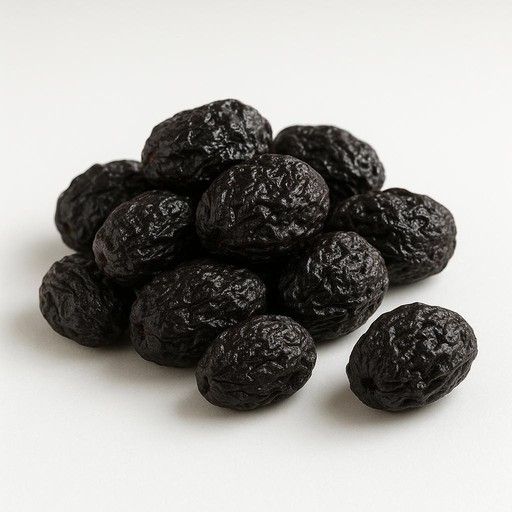
영국 건조 자바 자두 공급업체 및 가격 — 마켓 오버뷰 2026
원재료
신선 자바 자두
최종 업데이트
2026-09-13
서치 및 소싱 팀을 위한 핵심 요약
- 페이지 데이터 최종 업데이트일: 2026-09-13.
소싱 진단
영국산 건조 자바 자두, 우리도 들여올 수 있을까요?
필요한 스펙과 물량만 알려주세요. 실제로 소싱이 되는지, 어떤 원산지와 공급사가 맞는지 짚어드려요.
무료 진단, 계정 없이 이용 가능합니다.
영국의 건조 자바 자두 수입 바이어 인텔리전스 및 가격 시그널: 바이어, 수요, 거래 파트너
영국의 건조 자바 자두에 대해 수입 파트너 기업 3개가 추적됩니다. 수출업체와 수입업체는 Supply Chain Intelligence 회사 프로필 및 분석을 활용해 바이어 수요, 파트너 밀도, 다운스트림 채널을 분석할 수 있습니다.
스캐터 포인트는 전체 거래 데이터셋의 95.0%에서 샘플링되었습니다.
건조 자바 자두의 영국 샘플 수입 거래 및 가격 기록
영국의 건조 자바 자두 샘플 수입 거래 5건은 가격 수준과 수요 측 거래 패턴 벤치마킹을 위한 날짜, 원산지, 무역 국가 맥락을 제공합니다.
영국의 건조 자바 자두 샘플 수입 거래 단가(일자별): 2026-06-28: 1.71 USD / kg, 2026-06-25: 2.38 USD / kg, 2026-06-11: 2.25 USD / kg, 2026-06-03: 2.06 USD / kg, 2026-03-25: 1.71 USD / kg.
| 일자 | 신고 품목 | 단가 | 수출업체 | 수입업체 | 원산지 | |
|---|---|---|---|---|---|---|
| 2026-06-28 | KAL* ***** **** ***** *** **** ***** ** *** **** | 1.71 USD / kg | (-) | (-) | - | |
| 2026-06-25 | KAL* ***** **** ***** *** ** * * *** **** * *** **** | 2.38 USD / kg | (-) | (-) | - | |
| 2026-06-11 | KAL* ***** *** ***** *** ** * * *** ** ** * *** **** | 2.25 USD / kg | (-) | (-) | - | |
| 2026-06-03 | KAL* ***** ** ***** *** ** * * *** ** *** *** **** | 2.06 USD / kg | (-) | (-) | - | |
| 2026-03-25 | KAL* ***** **** ***** *** **** ***** ** *** **** | 1.71 USD / kg | (-) | (-) | - |
영국 내 상위 건조 자바 자두 바이어, 수입업체 및 수요 파트너
선도 바이어 프로필을 검토하고 영국의 건조 자바 자두에 대해 추적되는 전체 수입 파트너 기업 3개와 비교하세요. 수출업체와 수입업체는 Supply Chain Intelligence 회사 프로필 및 분석으로 수요 측 파트너 적합도를 평가할 수 있습니다.
(영국)
최근 수입 거래: 2026-08-13
산업군: 식품 제조식음료 서비스업
밸류체인 역할: 식품 제조소매
(영국)
최근 수입 거래: 2026-08-13
임직원 규모: 직원 1 - 10명
산업군: 온라인 리테일 및 풀필먼트
밸류체인 역할: 소매
(영국)
최근 수입 거래: 2026-08-13
임직원 규모: 직원 11 - 50명
산업군: 식품 제조식품 도매
밸류체인 역할: 유통 / 도매무역
영국 수입 파트너 커버리지
3개 기업
수입 파트너 기업 수는 영국의 건조 자바 자두 수요 측 가시성을 보여줍니다.
공급망 인텔리전스 분석과 기업 프로필을 활용해 영국에서 활동 중인 건조 자바 자두 수입업체, 유통업체, 바이어 네트워크를 식별하세요.
수출 진단
우리 건조 자바 자두, 이 영국 바이어들에게 팔 수 있을까요?
만드시는 제품만 알려주시면 됩니다. 지금 수출할 준비가 됐는지, 어느 시장이 맞는지 봐드려요.
무료 진단, 계정 없이 이용 가능합니다.
가격 데이터
영국 건조 자바 자두 가격, 어디까지 필요하세요?
전체 가격 히스토리와 경쟁사 벤치마크를 열어드립니다. 어떤 숫자가 필요하신지만 말씀해 주시면 함께 살펴봐 드려요.
Classification
Product TypeProcessed Food
Product FormDried
Industry PositionProcessed Agricultural Product
Market
Dried java plum (Syzygium cumini) is a niche processed-fruit product in Great Britain (GB) with limited mainstream presence and largely import-dependent supply. Market access and ongoing compliance are shaped by UK food law on labeling (including allergens where applicable) and general food-safety requirements for imported foods. A potential deal-breaker is whether the product (or any extracts/claims-linked presentation) is treated as a regulated “novel food”, which can require pre-market authorization. As a shelf-stable dried product, commercial focus is typically on consistent specification, packaging integrity, and importer-ready traceability documentation.
Market RoleImport-dependent niche consumer market
Domestic RoleConsumption market with negligible domestic production; availability is largely driven by imports and specialty supply chains
Market GrowthNot Mentioned
Specification
Physical Attributes
- Dried fruit pieces/slices with low moisture for shelf stability; appearance and defect tolerance (foreign matter, mold, insect damage) are common buyer acceptance points
Compositional Metrics
- Moisture and water-activity control are central to stability and mold-risk management in dried fruit trade
Packaging
- Moisture-barrier retail packs (pouches/jars) and/or foodservice packs with outer cartons
- Lot/batch coding on primary packaging to support traceability and recall readiness
Supply Chain
Value Chain
- Origin sourcing/processing (sorting, pitting/slicing as applicable, drying) → packaging → export dispatch → sea freight → GB port/customs entry → importer warehousing → wholesale/retail distribution
Temperature
- Ambient transport is typical; avoid high heat exposure that can accelerate quality deterioration
Atmosphere Control
- Humidity control and moisture-barrier packaging reduce quality loss and mold risk during storage and distribution
Shelf Life
- Shelf life is highly sensitive to post-drying moisture pickup, packaging integrity, and storage humidity
Freight IntensityMedium
Transport ModeSea
Risks
Regulatory Compliance HighPotential “novel food” classification risk: if dried java plum (or related preparations) lacks accepted evidence of significant consumption history in the UK/EU reference period, it may require novel food authorization before being placed on the GB market, creating a hard market-access blocker.Run a pre-market regulatory screen with the UK Food Standards Agency (FSA) novel foods guidance/register context; compile documented consumption history evidence and/or pursue authorization before commercial launch.
Labeling MediumAllergen declaration and label non-compliance risk: if sulphur dioxide/sulphites or other allergens/additives are used in the product, incorrect or missing declarations can trigger enforcement action, delisting, or recalls in GB.Implement a label compliance checklist aligned to UK allergen labeling guidance; verify additive use and ensure ingredient/allergen statements match the tested formulation.
Documentation Gap MediumCommodity code misclassification or inconsistent product descriptions can cause customs delays, incorrect duty treatment, or post-clearance disputes.Confirm HS/commodity code classification in the UK Integrated Online Tariff before shipment and keep invoices/specs consistent with the chosen classification.
Logistics MediumFreight and port disruption risk can raise landed costs or delay replenishment for import-dependent niche items, especially for smaller-volume shipments.Use consolidated shipments where feasible, maintain safety stock for key SKUs, and set clear Incoterms and lead-time buffers in supply contracts.
Standards
- BRCGS Food Safety (commonly requested in UK retail supply chains)
- HACCP-based food safety management
FAQ
What is the single biggest market-access risk for dried java plum in Great Britain (GB)?The biggest potential blocker is whether the product is treated as a “novel food” in the UK. If it is, it may need authorization before it can be placed on the GB market, so importers should screen this early using UK Food Standards Agency (FSA) novel foods guidance.
What labeling issue should GB importers check first for this product?Check allergen labeling and ingredient declarations, especially if preservatives like sulphur dioxide/sulphites are used. If such allergens are present where labeling is required, missing or incorrect declarations can create compliance and recall risk in GB.
Where can a GB importer confirm tariffs and commodity code classification?Use the UK Integrated Online Tariff to confirm the appropriate commodity code and the duty treatment for the product and origin. Tariffs depend on the exact classification and origin details, so this step should be done before shipment.
Sources


수출·소싱 진단
영국 건조 자바 자두, 사는 쪽이세요 파는 쪽이세요?
어느 쪽이든 몇 가지만 답해주시면 됩니다. 어디서 살 수 있는지, 누구에게 팔 수 있는지 정리해서 보내드릴게요.
무료 진단, 계정 없이 이용 가능합니다.
'쿠키 허용'을 클릭하면 통계 및 개인 선호도 산출을 위한 쿠키 제공에 동의하게 됩니다.
개인정보 보호정책에서 쿠키에 대한 자세한 내용을 확인할 수 있습니다.