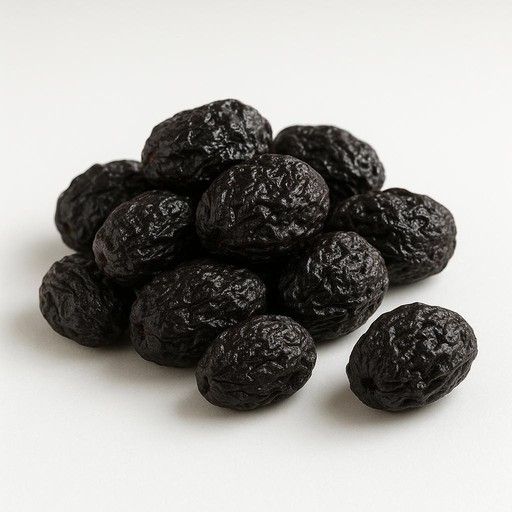
Dried Java Plum Suppliers & Prices in Iran — Market Overview 2026
Raw Materials
Fresh Java Plum
Last Updated
2026-09-13
Key takeaways for search and sourcing teams
- Page data last updated on 2026-09-13.
Sourcing diagnosis
Could you be importing Dried Java Plum from Iran yourself?
Just tell us your spec and the volume you need. We'll check whether it's actually sourceable, and which origins and suppliers fit.
Free diagnosis, no account required.
Dried Java Plum Import Buyer Intelligence and Price Signals in Iran: Buyers, Demand, and Trade Partners
3 import partner companies are tracked for Dried Java Plum in Iran. Exporters and importers can use Supply Chain Intelligence company profiles and analytics to analyze buyer demand, partner density, and downstream channels.
Scatter points are sampled from 100.0% of the full transaction dataset.
Sample Import Transaction and Price Records for Dried Java Plum in Iran
3 sampled Dried Java Plum import transactions in Iran provide date, origin, and trade-country context to benchmark price levels and demand-side trading patterns.
Dried Java Plum sampled import transaction unit prices by date in Iran: 2026-04-20: 1.85 USD / kg, 2025-12-02: 1.85 USD / kg, 2025-10-29: 1.85 USD / kg.
| Date | Reported Product | Unit Price | Exporter | Importer | Origin | |
|---|---|---|---|---|---|---|
| 2026-04-20 | BLA** ********* ***** ***** ******* ******* ** ****** ** **** ******* ** *** ******* *** ******* **** | 1.85 USD / kg | (-) | (-) | - | |
| 2025-12-02 | BLA** ********* ***** ***** ******* ******* ** ****** ** **** ******* ** *** ******* *** ******* **** | 1.85 USD / kg | (-) | (-) | - | |
| 2025-10-29 | BLA** ********* ****** ****** **** ***** ******* ** ****** ** **** * ******* ** *** ******* *** ******* ************* | 1.85 USD / kg | (-) | (-) | - |
Top Dried Java Plum Buyers, Importers, and Demand Partners in Iran
Review leading buyer profiles and compare them with 3 total import partner companies tracked for Dried Java Plum in Iran. Exporters and importers can use Supply Chain Intelligence company profiles and analytics to evaluate demand-side partner fit.
(Iran)
Latest Import Transaction: 2026-08-13
Industries: Brokers And Trade Agencies
Value Chain Roles: Trade
(Iran)
Latest Import Transaction: 2026-08-13
Industries: Beverage ManufacturingFood Manufacturing
Value Chain Roles: Farming / Production / Processing / PackingTrade
(Iran)
Latest Import Transaction: 2026-08-13
Industries: Brokers And Trade AgenciesCrop ProductionFood Manufacturing
Value Chain Roles: Farming / Production / Processing / PackingTrade
Iran Import Partner Coverage
3 companies
Import partner company count highlights demand-side visibility for Dried Java Plum in Iran.
Use Supply Chain Intelligence analytics and company profiles to identify active Dried Java Plum importers, distributors, and buyer networks in Iran.
Export diagnosis
Your Dried Java Plum — could it sell to these buyers in Iran?
Just tell us what you make. We'll see whether you're ready to export today and which markets suit your offer.
Free diagnosis, no account required.
Price data
Which Dried Java Plum prices in Iran do you need?
We'll open up the full price history and competitor benchmarks. Just tell us which numbers you need and we'll walk you through them.
Classification
Product TypeProcessed Food
Product FormDried
Industry PositionValue-Added Processed Fruit Product
Market
Dried java plum (Syzygium cumini; also known as jamun/black plum) in Iran is best characterized as a niche processed-fruit/botanical product with limited transparent public reporting on domestic production or formal market size. Market participation and cross-border execution are materially shaped by Iran-related sanctions, which can constrain payments, shipping options, and counterparty risk screening. For import clearance, products that fall under Iran’s mandatory standards regime may require conformity assessment and a Certificate of Conformity (COC) workflow administered through Iran’s standards system. As a low-moisture food category, dried fruit products still require robust hygienic controls because pathogens such as Salmonella can persist even when they cannot grow at low water activity.
Market RoleImport-dependent niche consumer and botanical ingredient market (limited public evidence of significant domestic production)
Domestic RoleNiche dried fruit / botanical ingredient used in specialty channels
Market GrowthNot Mentioned
SeasonalityShelf-stable product; availability is driven more by import logistics and stockholding than by a domestic harvest season.
Specification
Physical Attributes
- Common market forms include dried fruit material and powders; products are typically dark purple to black and can be astringent.
- Color and flavor are sensitive to heat and moisture exposure during storage.
Compositional Metrics
- Low-moisture stability target; water activity control is central for storage safety and quality.
Packaging
- Moisture-barrier sealed pouches for retail packs.
- Food-grade inner liners (bag-in-box) for bulk cartons.
Supply Chain
Value Chain
- Overseas sourcing/primary drying → export packing → multimodal transport to Iran → customs/standards clearance → wholesaler distribution → retail/specialty channels
Temperature
- Ambient storage is typical; avoid high heat to limit quality degradation.
Atmosphere Control
- Moisture control (dry storage, sealed packaging) is critical to prevent quality loss and contamination risk.
Shelf Life
- Shelf life is primarily driven by moisture uptake control and packaging integrity; exact duration is product- and packaging-dependent.
Freight IntensityMedium
Transport ModeMultimodal
Risks
Sanctions HighIran-related sanctions and associated compliance screening can block or delay transactions (banking, payments, insurers, carriers, and counterparties), disrupting shipment execution even when the product itself is not restricted.Run sanctions and beneficial-ownership screening on all counterparties; use compliant payment channels and experienced logistics providers; obtain written compliance sign-off before shipment.
Regulatory Compliance HighIf the product is classified under Iran’s mandatory standards/technical regulations scope, missing or incorrect conformity assessment outputs (e.g., COC) can prevent or delay customs release.Confirm HS classification and mandatory-standards applicability pre-shipment; align product specs, labeling, and documentation to the required conformity assessment pathway.
Food Safety MediumLow-moisture foods (including dried fruits) can carry pathogens such as Salmonella that persist in dry environments; failures in hygienic zoning, ingredient control, or post-lethality handling can lead to non-compliance or recalls.Implement a low-moisture food hygiene program (environmental monitoring, dry-cleaning controls, supplier verification) and ensure sealed, moisture-protective packaging.
Product Classification MediumDried java plum may be marketed as both a food product and a functional/herbal product (e.g., powders); classification differences can change labeling, additive, and registration expectations at entry and in-market.Define intended use and formulation (single-ingredient vs. carrier-containing powder) and align labeling/claims to the correct regulatory category before import.
Logistics MediumRoute disruptions, insurance constraints, and carrier availability—often amplified by sanctions—can increase transit time and landed cost, raising the risk of quality loss from moisture/heat exposure during extended storage and handling.Use moisture-barrier packaging with desiccants where appropriate; set conservative transit buffers; specify dry storage and handling conditions in contracts.
Sources
Other Dried Java Plum Country Markets for Supplier, Export, and Price Comparison from Iran
Compare Dried Java Plum supplier coverage, trade flows, and price benchmarks across countries related to Iran.


Export & sourcing diagnosis
Dried Java Plum in Iran — are you buying, or selling?
Either way it's a few questions. We'll come back with where you could buy it, or who you could sell it to.
Free diagnosis, no account required.
Related Dried Java Plum Product Categories
Browse parent, sub, derived, and raw-material product market pages related to Dried Java Plum.
Raw materials: Fresh Java Plum
By clicking “Accept Cookies,” I agree to provide cookies for statistical and personalized preference purposes. To learn more about our cookies, please read our Privacy Policy.