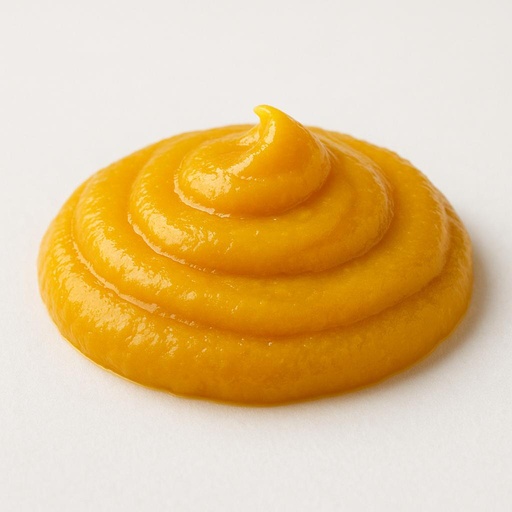
Mango Puree Suppliers & Prices in Tanzania — Market Overview 2026
Sub Product
Aseptic Mango Puree, Conventional Mango Puree, Frozen Mango Puree, No Sugar Added Mango Puree, +2
Raw Materials
Fresh Mango
HS Code
200899
Last Updated
2026-10-19
Key takeaways for search and sourcing teams
- Latest reference year in this page dataset is 2024.
- Page data last updated on 2026-10-19.
Mango Puree Export Supplier & Manufacturer Intelligence, Price Trends, and Trade Flows in Tanzania
Use Supply Chain Intelligence company profiles and analytics to validate Mango Puree exporter coverage, partner quality, and route priorities in Tanzania.
Annual Export Value, Volume, and Supplier Market Size for Mango Puree in Tanzania (HS Code 200899)
Analyze 2 years of Mango Puree export volume and value in Tanzania to evaluate supplier market growth, seasonality, and trade volatility.
| Year | Volume | Value |
|---|---|---|
| 2023 | 746,228 | 1,086,259 USD |
| 2022 | 639,634 | 536,897 USD |
Tridge Ark · Sourcing Feasibility Check
Could you be importing Mango Puree from Tanzania yourself?
Just tell us your spec and the volume you need. We'll check whether it's actually sourceable, and which origins and suppliers fit.
Free feasibility check, no account required.
Mango Puree Import Buyer Intelligence and Price Signals in Tanzania: Buyers, Demand, and Trade Partners
1 import partner companies are tracked for Mango Puree in Tanzania. Exporters and importers can use Supply Chain Intelligence company profiles and analytics to analyze buyer demand, partner density, and downstream channels.
Scatter points are sampled from 100.0% of the full transaction dataset. Each point is a real transaction — click one to see its details and ask AI Chat whether it was a fair deal.
Sample Import Transaction and Price Records for Mango Puree in Tanzania
5 sampled Mango Puree import transactions in Tanzania provide date, origin, and trade-country context to benchmark price levels and demand-side trading patterns.
Mango Puree sampled import transaction unit prices by date in Tanzania: 2026-07-27: 0.36 USD / kg, 2026-07-11: 1.02 USD / kg, 2026-06-25: 0.92 USD / kg, 2026-06-19: 1.00 USD / kg, 2026-05-25: 1.02 USD / kg.
| Date | Reported Product | Unit Price | Exporter | Importer | Origin | |
|---|---|---|---|---|---|---|
| 2026-07-27 | ASE**** ******** ***** ***** ******* ******** ***** ***** **** * **** ****** ********** *** ** * ***** | 0.36 USD / kg | (-) | (-) | - | |
| 2026-07-11 | ASE**** ******** ***** ***** ****** ** ******* **** ** ***** | 1.02 USD / kg | (-) | (-) | - | |
| 2026-06-25 | ALP***** ***** **** *** **** * ***** *** ****** ********** ***** ** ******** | 0.92 USD / kg | (-) | (-) | - | |
| 2026-06-19 | ASE**** ******** ***** ***** ****** ********* **** ** ***** | 1.00 USD / kg | (-) | (-) | - | |
| 2026-05-25 | ASE**** ******** ***** ***** ****** ** ******* **** ** ***** | 1.02 USD / kg | (-) | (-) | - |
See These Tanzania Mango Puree Shipments — and at What Price
Free account — open the full market in Tridge Eye
Sign up and verify your company — newly verified companies can try Tridge Eye Business free.
Top Mango Puree Buyers, Importers, and Demand Partners in Tanzania
Review leading buyer profiles and compare them with 1 total import partner companies tracked for Mango Puree in Tanzania. Exporters and importers can use Supply Chain Intelligence company profiles and analytics to evaluate demand-side partner fit.
(Tanzania)
Latest Import Transaction: 2026-09-19
Industries: Beverage Manufacturing, Food Manufacturing, Food Packaging
Value Chain Roles: Distribution / Wholesale, Farming / Production / Processing / Packing, Food Manufacturing
See the full picture in Tridge Eye: full price and trade history · 725,009+ company profiles
Tanzania Import Partner Coverage
1 companies
Import partner company count highlights demand-side visibility for Mango Puree in Tanzania.
Use Supply Chain Intelligence analytics and company profiles to identify active Mango Puree importers, distributors, and buyer networks in Tanzania.
Annual Import Value, Volume, and Demand Size for Mango Puree in Tanzania (HS Code 200899)
Track 2 years of Mango Puree import volume and value in Tanzania to assess demand growth and market momentum.
| Year | Volume | Value |
|---|---|---|
| 2023 | 471,817 | 438,595 USD |
| 2022 | 359,262 | 283,046 USD |
Tridge Ark · Export Feasibility Check
Your Mango Puree — could it sell to these buyers in Tanzania?
Just tell us what you make. We'll see whether you're ready to export today and which markets suit your offer.
Free feasibility check, no account required.
Classification
Product TypeIngredient
Product FormPuree (fruit pulp)
Industry PositionProcessed Fruit Ingredient
Market
Mango puree (pulp) in Tanzania is a value-added outlet for domestic mango production, converting seasonal fresh-mango supply into a storable input for beverages and other food manufacturing. Tanzania produces mangoes at national scale (FAOSTAT crop statistics), but Tanzania-specific mango-puree export volumes are not consistently published in open sources, and national studies note most horticultural output is domestically consumed. Industrial fruit processing capacity exists in the Coast Region near Dar es Salaam (e.g., BFPL/Bakhresa fruit processing and aseptic packaging operations), supporting domestic and regional supply potential. Key constraints include pest pressure (quarantine-significant fruit flies) and high post-harvest losses in mango supply chains, which can reduce usable raw fruit for puree processing and disrupt trade programs.
Market RoleDomestic producer with emerging processing and regional distribution
Domestic RoleIndustrial ingredient for domestic juice/nectar and dairy/ice-cream manufacturing; value-add outlet for seasonal mango supply
SeasonalitySeasonal fresh-mango supply; published field studies in eastern Tanzania sampled mango harvest seasons in December, and processing/aseptic packing can extend availability beyond the harvest window.
Specification
Secondary Variety
- Dodo
- Viringe
- Apple
- Palmer
Physical Attributes
- Industrial puree/pulp typically targets a uniform, smooth texture with minimal visible fibre and absence of peel/stone fragments; acceptance is driven by processor/buyer specifications.
Compositional Metrics
- Total soluble solids (°Brix/TSS), titratable acidity and related ripeness indicators are measured in Tanzania mango studies and commonly influence puree yield and flavor balance.
Packaging
- Bulk aseptic bags (~210 L) placed inside drums are documented in Tanzania industrial fruit processing for pulp/juice handling.
Supply Chain
Value Chain
- Orchard harvest in producing zones → aggregation/transport to processor → washing/sorting → pulping/refining → thermal processing → aseptic bulk packing (bag-in-drum) → containerization and distribution via Dar es Salaam logistics corridors
Temperature
- Where puree is shipped aseptically, cold chain is reduced compared with fresh fruit, but storage conditions and thermal-process validation remain critical to maintain commercial sterility and product quality.
Shelf Life
- Aseptic bulk packing is used in Tanzania’s industrial fruit processing; shelf-life and storage requirements depend on process validation, packaging integrity, and buyer specifications.
Freight IntensityHigh
Transport ModeSea
Risks
Phytosanitary HighQuarantine-significant fruit flies (notably Bactrocera dorsalis) are documented as constraints in Tanzanian mango orchards and supply chains; inadequate controls can trigger destination-market restrictions or treatment requirements and can reduce usable raw mango volumes for puree processing.Require documented area-wide IPM (orchard sanitation, trapping/male annihilation techniques), monitor pest incidence in sourcing zones, and maintain treatment/inspection records aligned to buyer and NPPO expectations.
Supply Chain Quality MediumPost-harvest losses from mechanical damage, decay, and weak transport/storage practices in producing zones (documented in eastern Tanzania and Mbeya studies) can tighten raw-material availability and increase variability in puree yield and quality.Implement harvest/handling SOPs, crate-based transport, rapid delivery to processors, and strict incoming quality grading with rejection thresholds.
Logistics MediumBulk aseptic drums are freight-intensive; container availability, port congestion, and ocean-freight volatility can materially affect delivered cost and lead times from Tanzania.Book container capacity early, consolidate loads, use buffer inventory via aseptic storage where feasible, and prioritize regional markets when freight conditions are unfavorable.
Regulatory Compliance MediumLabeling/documentation non-conformity (including pre-packaged labeling rules and missing/weak COA evidence) can delay clearance or trigger non-compliance actions in destination markets.Run pre-shipment label and document verification against TBS/EAC requirements and importer specifications; retain COA, lot coding, and traceability records for audits.
Sustainability
- High post-harvest losses in Tanzania mango supply chains can increase food loss/waste and reduce processor utilization.
- Pest management intensity (notably fruit-fly control) can raise pesticide-residue compliance pressure for export-oriented puree programs.
Standards
- ISO 22000 (food safety management)
FAQ
Which Tanzanian authority issues phytosanitary certificates for plant products exports when a destination market requires them?Tanzania’s National Plant Protection Organisation is the Tanzania Plant Health and Pesticides Authority (TPHPA). When a destination market requires a phytosanitary certificate, exporters apply through TPHPA under Tanzania’s plant health laws and regulations, and the certificate format updates are communicated internationally via the IPPC system.
What labeling reference is relevant in Tanzania for pre-packaged mango puree products sold in retail packs?Tanzania publishes and applies East African Community labeling requirements for pre-packaged foods via the Tanzania Bureau of Standards (e.g., DEAS 38:2024). These rules focus on required declarations and preventing misleading presentation on labels.
Is there industrial-scale fruit processing capacity in Tanzania that is relevant to mango pulp/puree supply chains?Yes. Industrial fruit processing with aseptic packaging is documented in the Coast Region near Dar es Salaam, including BFPL/Bakhresa’s fruit processing operations, which publicly report fruit processing and aseptic packaging capabilities and ISO 22000 certification.
Sources
Other Mango Puree Country Markets for Supplier, Manufacturer, Export, and Price Comparison from Tanzania
Compare Mango Puree supplier coverage, trade flows, and price benchmarks across countries related to Tanzania.


Tridge Ark · Export & Sourcing Feasibility Checks
Mango Puree in Tanzania — are you buying, or selling?
Either way it's a few questions. We'll come back with where you could buy it, or who you could sell it to.
Free feasibility check, no account required.
Related Mango Puree Product Categories
Browse parent, sub, derived, and raw-material product market pages related to Mango Puree.
Raw materials: Fresh Mango
By clicking “Accept Cookies,” I agree to provide cookies for statistical and personalized preference purposes. To learn more about our cookies, please read our Privacy Policy.